

 Code 3 Lead
 Code 4 Lead
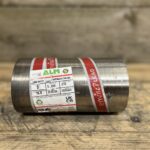 Code 5 Lead
 Code 6 Lead






Price of Lead Per KG – Understanding Lead Sheet Cost, Codes & Roofing Value
The price of lead per kg is one of the most important starting points when costing rolled lead sheet for roofing work. Whether you are pricing a chimney flashing, a bay roof, a valley, a parapet gutter or a larger specialist detail, lead is normally valued by weight rather than simply by area.
This page explains how the price of lead per kg relates to lead codes, roll weight, sheet thickness and overall roofing cost. It also shows why the same square metre area can vary in cost depending on whether you are using Code 3, Code 4, Code 5 or heavier rolled lead sheet.
If you are ready to move from pricing into product selection, use the Lead Chart, browse Lead Flashing, explore The Lead Handbook, or return to the parent hub at Lead Roofing Guides.
Why the price of lead per kg matters in roofing
The price of lead per kg matters because rolled lead sheet is a dense, high-value roofing material and small changes in thickness create noticeable differences in cost. A contractor may look at two rolls that appear visually similar, but if one is Code 4 and the other is Code 5, the heavier sheet carries more kilograms of lead and therefore a higher material value.
That makes the price of lead per kg a more useful commercial benchmark than a vague “price per roll” comparison. Once buyers understand how many kilograms of lead are contained within the code, width and length they need, they can price work far more accurately.


Why lead sheet is priced by weight instead of just area
Rolled lead sheet is normally traded according to weight because weight reflects the actual quantity of lead metal within the sheet. Two pieces of lead can have the same length and width yet very different values if one is thicker than the other. That is why the price of lead per kg is the cleanest way to benchmark the material commercially.
How lead codes affect the price of lead per kg in practice
The market rate itself may be quoted as a kilogram value, but the installed or purchased cost of leadwork still depends on the code selected. Heavier lead codes contain more material per square metre, so even if the price of lead per kg remains constant, the cost of the finished lead sheet will rise as thickness increases.
| Lead code | Approx. thickness | Approx. weight per m² | Commercial effect |
|---|---|---|---|
| Code 3 | 1.32 mm | 14.97 kg/m² | Lighter material, often used for soakers and protected details |
| Code 4 | 1.80 mm | 20.41 kg/m² | Common exposed flashing code and everyday benchmark |
| Code 5 | 2.24 mm | 25.40 kg/m² | Higher total cost due to greater mass and wider application range |
| Code 6 | 2.65 mm | 30.05 kg/m² | Heavier, specialist and structurally more demanding details |
| Code 7 | 3.15 mm | 35.72 kg/m² | Heavy-duty specialist material |
| Code 8 | 3.55 mm | 40.26 kg/m² | Very heavy specialist leadwork and bespoke high-demand details |
So while the underlying price of lead per kg may be the market benchmark, the code chosen is what determines how much that benchmark translates into total sheet cost.
What changes the price of lead per kg?
The price of lead per kg does not stay fixed forever. It moves with wider economic and manufacturing factors. Buyers often search the phrase because they want a current commercial sense-check before ordering.
- broader commodity market movement
- changes in the cost of raw lead
- manufacturing and rolling costs
- distribution and handling costs
- availability of particular codes and widths
- the difference between retail and trade buying conditions
Price of lead per kg and real roofing work
On live roofing projects, the price of lead per kg matters because it affects material budgeting at detail level. A chimney flashing job may require relatively modest quantities of Code 4, while a lead bay, parapet gutter or wider apron may move the project into heavier codes and greater material usage.
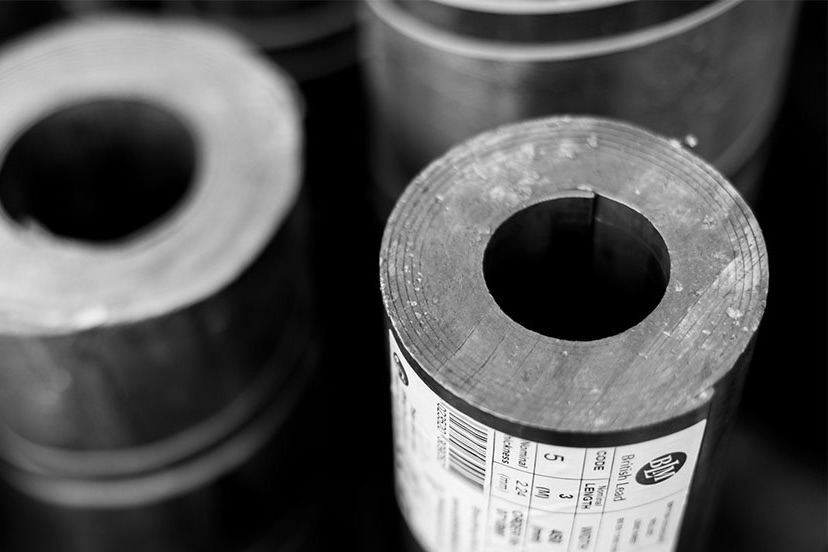

Using the price of lead per kg alongside the Lead Chart
The simplest commercial route on this site is to move from understanding the price of lead per kg into practical sizing and product selection. That is what the Lead Chart is for.
Trade buying, specification and authority
High-quality leadwork is not just about buying metal at the right rate. It is also about correct specification, detailing and installation. For practical installation authority, see GNR Roofing leadwork services. For broader educational commentary and pricing context, see The Leadwork Link, Lead Prices – The Ultimate Guide to the LME and Buy Rolled Lead Sheet Trade.
How buyers should think about value, not just kilograms
While the price of lead per kg is a strong commercial benchmark, it should not be treated as the only buying factor. The right code, width and detail suitability matter just as much. Buying lighter lead to reduce immediate material cost can be a false economy if the specification is wrong for the exposure or the width of the detail.
Useful next steps after checking the price of lead per kg
- Use the Lead Chart to compare code, width and roll format
- Return to Lead Roofing Guides for the wider topic cluster
- Browse Lead Flashing for practical product routes
- Read The Lead Handbook for broader leadwork knowledge
Frequently asked questions about the price of lead per kg
Why is lead priced per kg and not just per roll?
Lead is priced per kilogram because the true value of the material depends on the amount of metal contained within the sheet. Different codes carry different weights, so a simple per-roll price is less meaningful without context.
Does the price of lead per kg change often?
Yes. The price of lead per kg can move with wider commercial, manufacturing and commodity factors, which is why trade buyers often check pricing close to the point of order.
Does a heavier lead code always mean a more expensive sheet?
In most cases, yes. Even if the kilogram rate is the same, heavier lead codes contain more kilograms per square metre, so the total material cost rises.
What should I do after checking the price of lead per kg?
The next step is usually to compare the correct code and width for your detail using the Lead Chart, then move into the relevant product category and related accessories.
How the price of lead per kg influences project budgeting
On smaller jobs, the price of lead per kg may only appear as one line within a wider materials schedule. On larger heritage, roofing or commercial projects, however, kilogram pricing can become a major budgeting factor. The difference between specifying a lighter flashing detail and a broader, heavier weathering can materially affect the total cost of the project even before labour, access, waste and finishing materials are considered.
This is why experienced estimators rarely stop at the headline price of lead per kg. They use it as the starting point for a more complete costing exercise that also takes account of lead code, roll format, likely cutting losses, the geometry of the detail and the wider specification of the roof.
From kilogram pricing to real roofing value
In practice, buyers are not really purchasing kilograms in isolation. They are purchasing performance. A code 4 flashing, a code 5 apron or a heavier bay detail is chosen because of what it will do on the roof, not simply because of what it weighs on paper.
How trade buyers should use this information
| Commercial step | Why it matters |
|---|---|
| Check the current price of lead per kg | Gives a baseline for material budgeting |
| Confirm the correct lead code | Ensures the detail is being priced properly |
| Compare width and roll format | Translates kilogram cost into actual product choice |
| Add related materials | Creates a more accurate project cost rather than a metal-only figure |
| Check installation and specification context | Helps avoid false economies and under-specification |
Final commercial guidance
The best way to use the price of lead per kg is to treat it as the first commercial filter, not the last decision. Start with the kilogram rate, then confirm the code, check the dimensions, review the application and make sure the chosen material actually suits the detail you need to form.