Lead Calculators • Buying Guides • Technical Resources

Leadwork Calculators, Buying Guides and Rolled Lead Sheet Resources

Use our specialist leadwork calculators and buying resources to estimate material weight, compare lead codes, identify suitable roll widths and prepare a more accurate leadwork order. These tools support roofers, builders, surveyors, leadworkers and property owners purchasing rolled lead sheet for flashings, chimneys, abutments, bays, gutters, valleys and other roofing details.

Leadwork Calculators

Estimate weights, quantities and material requirements before choosing rolled lead sheet and associated products.

Weight tool

Lead Weight Calculator

Calculate nominal rolled lead sheet weight by code, width, length and quantity before ordering or arranging delivery.

Coming next

Lead Flashing Calculator

Estimate linear metres, sheet area, roll quantities and approximate weight for common flashing and weathering details.

Buying Rolled Lead Sheet

Compare available lead codes, widths and roll lengths, then continue directly to the most relevant product range.

Product range

Buy Rolled Lead Sheet

Browse rolled lead sheet in Code 3, Code 4, Code 5, Code 6, Code 7 and Code 8 for roofing and leadwork applications.

Reference table

Lead Weight Chart

Compare nominal thickness, weight per square metre and common uses across standard rolled lead sheet codes.

Leadwork Accessories and Installation Products

Add the fixings, separating layers and finishing products required for the proposed installation.

Fixings

Leadwork Fixings

Browse copper nails, Hall clips, wedges and associated products used for correctly designed flashing and weathering details.

Finishing

Patination Oil

Learn how patination oil is used after installation and browse suitable products for newly completed leadwork.

Technical Leadwork Guidance

Knowledge centre

The Lead Handbook

Explore guidance covering rolled lead sheet, flashing details, lead codes, substrates, thermal movement, fixing and maintenance.

Start with the calculation or detail. Use the Leadwork Calculators to estimate quantities and weight, review the relevant technical guidance, then use the Lead Flashing Chart or Rolled Lead Sheet category to select the required product.
Lead Flashing Guide • Code 4 and Code 5 Rolled Lead Sheet

Code 4 and Code 5 Lead Flashing: Choosing the Right Specification

Code 4 and Code 5 lead flashing are widely used for roof junctions, chimney details, wall abutments, aprons, cover flashings and other traditional weatherings. The correct choice depends on the dimensions and form of the detail, its exposure, substrate, support, fixing arrangement and allowance for thermal movement.

Code 4 Lead
Code 5 Lead
Chimney Flashings
Aprons and Abutments
Rolled Lead Sheet

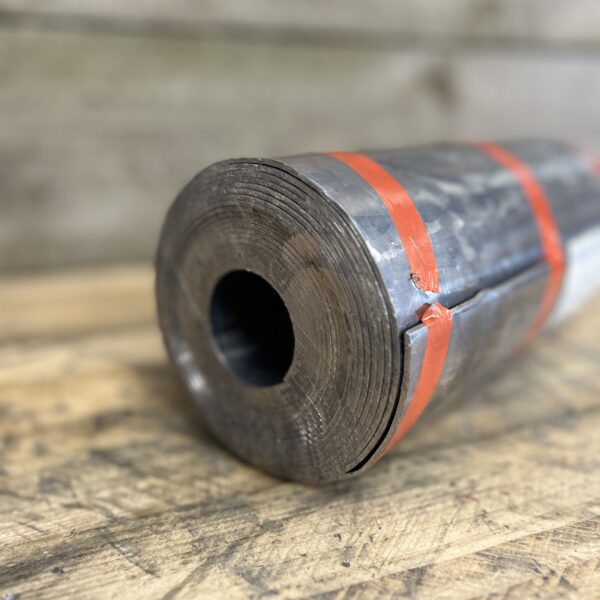
Code 4 rolled lead sheet has a nominal thickness of approximately 1.80 mm. It is widely associated with many conventional flashing details, including stepped flashings, cover flashings, chimney side flashings and wall abutments.

Code 5 rolled lead sheet has a nominal thickness of approximately 2.24 mm. It may be selected for suitably designed heavier weatherings or details where the proposed dimensions and application require a thicker sheet.

Code 5 should not be treated as an automatic upgrade from Code 4. Increasing the sheet thickness does not remove the need to control sheet dimensions, provide suitable support, form appropriate joints and accommodate expansion and contraction.

Code 4 Lead Flashing

A common choice for many chimney, stepped, cover and abutment flashing details where the width, support and installation design are suitable.

Code 5 Lead Flashing

Used for appropriate heavier weatherings and more demanding details where the sheet dimensions and design justify the increased thickness.

Choosing the Correct Lead Flashing Width

The required roll width should be based on the complete developed dimension of the flashing—not only the section visible after installation. Allow for the chase, vertical upstand, roof cover, laps, folds, welts and returns forming part of the detail.

  • Lead soakers:
    often formed from Code 3 lead where concealed beneath the roof covering and suitable for the particular detail.
  • Stepped and cover flashings:
    Code 4 is widely used for conventional wall abutments and chimney-side details.
  • Front aprons:
    the required width depends on the chimney or wall upstand, roof cover and folds needed to form the weathering.
  • Back gutters and wider details:
    require careful consideration of the full developed width, support, bay dimensions and joint arrangement.
  • Heritage and conservation work:
    should reflect the existing detail, building significance and appropriate traditional workmanship.

Why Rolled Lead Sheet Is Used for Roof Flashings

  • Workability:
    lead can be formed and dressed around masonry, roof coverings and complex junctions.
  • Durability:
    correctly specified and installed leadwork can provide a long service life.
  • Weather resistance:
    properly detailed flashings form robust junctions against rainfall and wind-driven weather.
  • Repairability:
    local details may often be repaired or replaced without disturbing an entire roof covering.
  • Traditional appearance:
    rolled lead sheet is suitable for historic buildings as well as modern roofing projects.
  • Recyclability:
    lead is recyclable and recovered material can re-enter the manufacturing process.
After installation:
apply
patination oil
in accordance with the product instructions. This can help reduce uneven carbonate staining and runoff marks during the initial weathering period.

Specification note:
lead code should be selected alongside sheet size, exposure, substrate, support, jointing and movement requirements. Review the
rolled lead sheet codes guide,
Lead Weight Chart
and
Lead Handbook
where further technical guidance is required.

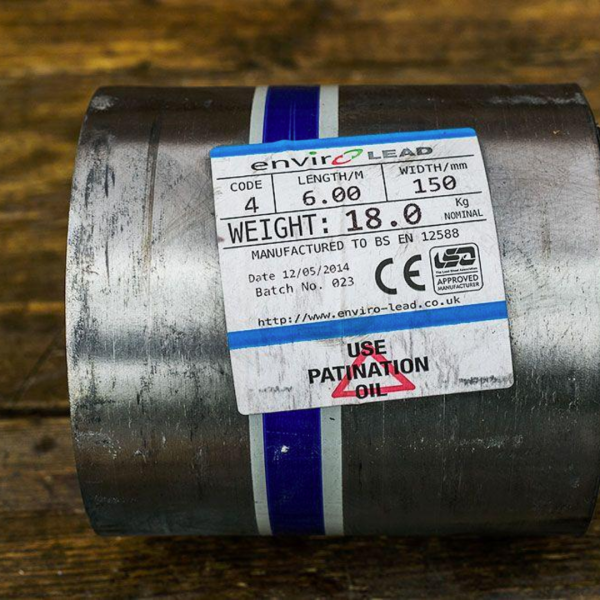
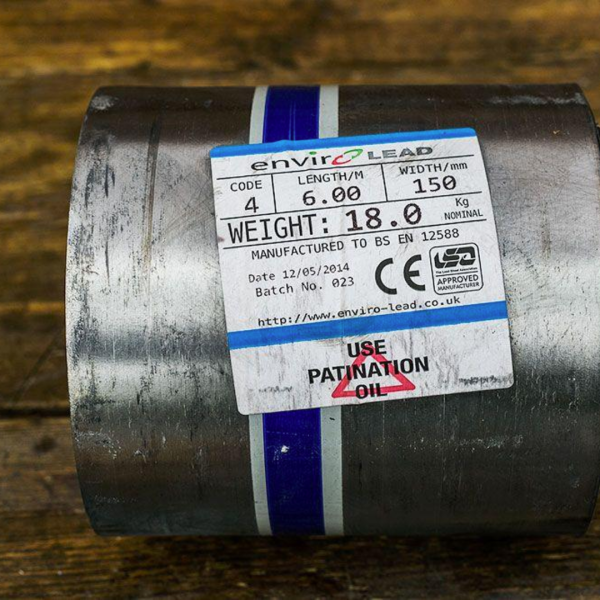
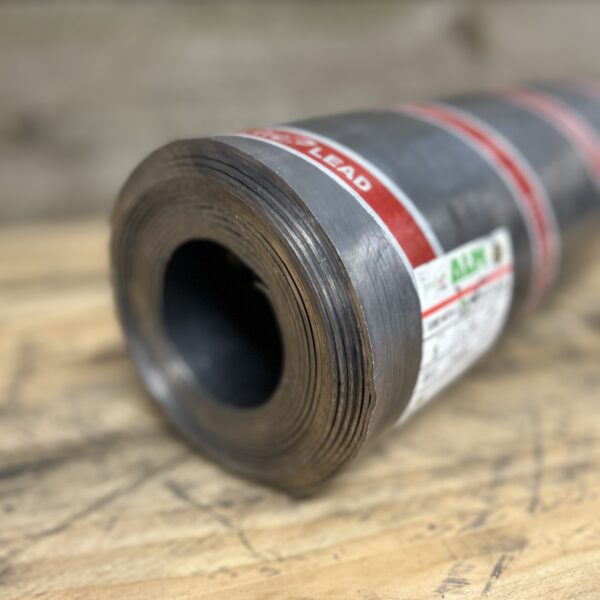
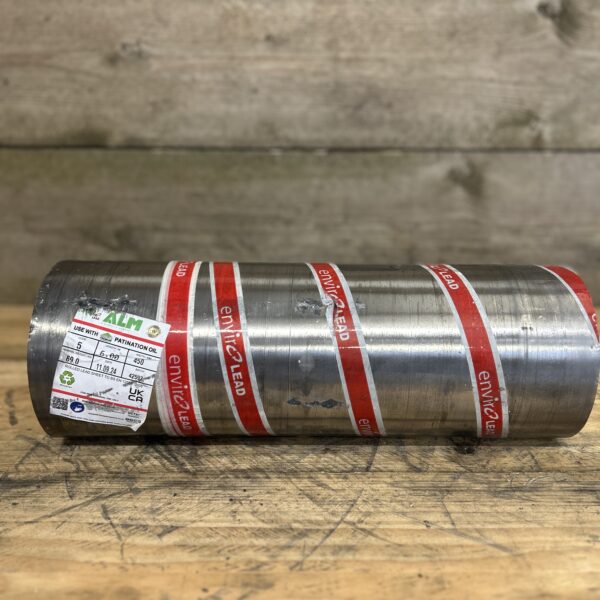
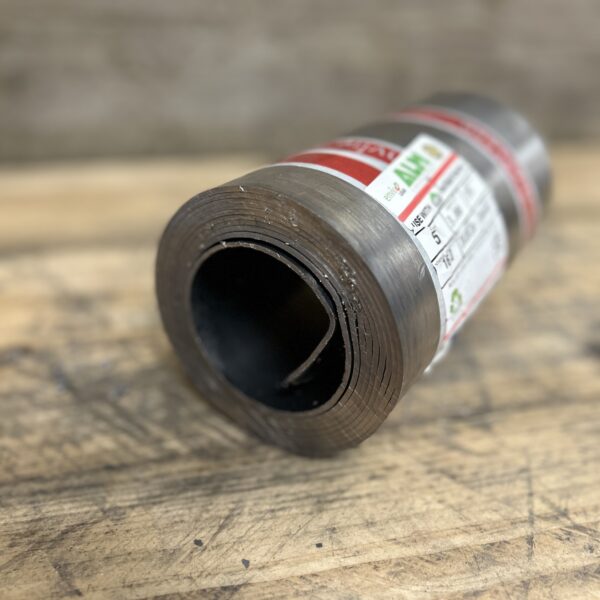
Code 4 150mm x 6m Roofing Lead Roll

In stock

£49.50 (price per roll / £2.75 per kg)
Add to cart

Code 4 150mm x 3m Roofing Lead Roll

In stock

£24.75 (price per roll / £2.75 per kg)
Add to cart

Code 4 210mm x 3m Roofing Lead Roll

In stock

£35.75 (price per roll / £2.75 per kg)
Add to cart

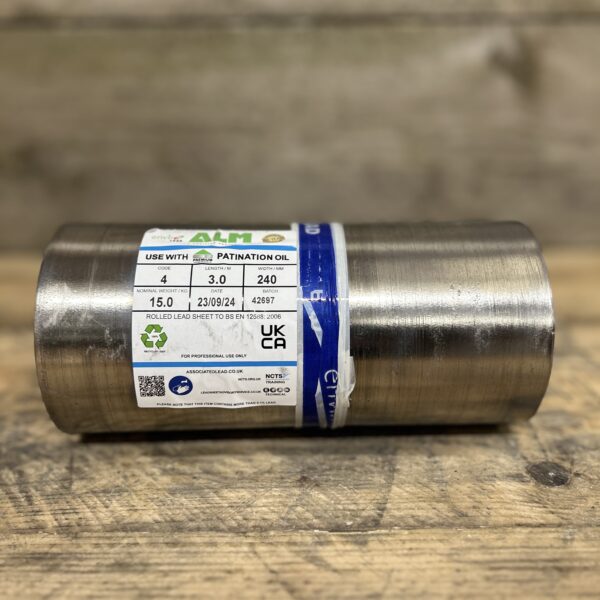
Code 4 240mm x 3m Roofing Lead Roll

In stock

£35.75 (price per roll / £2.75 per kg)
Add to cart

Code 4 300mm x 3m Roofing Lead Roll

In stock

£49.50 (price per roll / £2.75 per kg)
Add to cart

Code 4 390mm x 3m Roofing Lead Roll

In stock

£66.00 (price per roll / £2.75 per kg)
Add to cart

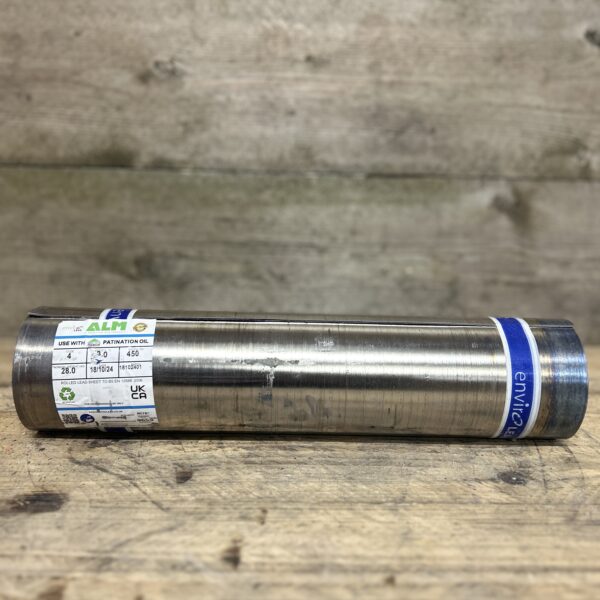
Code 4 450mm x 3m Roofing Lead Roll

In stock

£77.00 (price per roll / £2.75 per kg)
Add to cart

Code 5 – 390mm x 6m Roofing Lead

In stock

£162.25 (price per roll / £2.75 per kg)
Add to cart

Code 5 – 450mm x 6m Roofing Lead

In stock

£189.75 (price per roll / £2.75 per kg)
Add to cart

Code 5 – 600mm x 6m Roofing Lead

In stock

£250.25 (price per roll / £2.75 per kg)
Add to cart

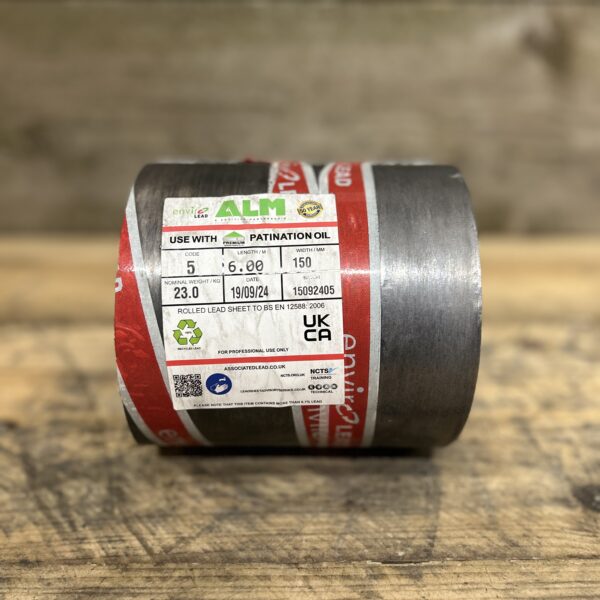
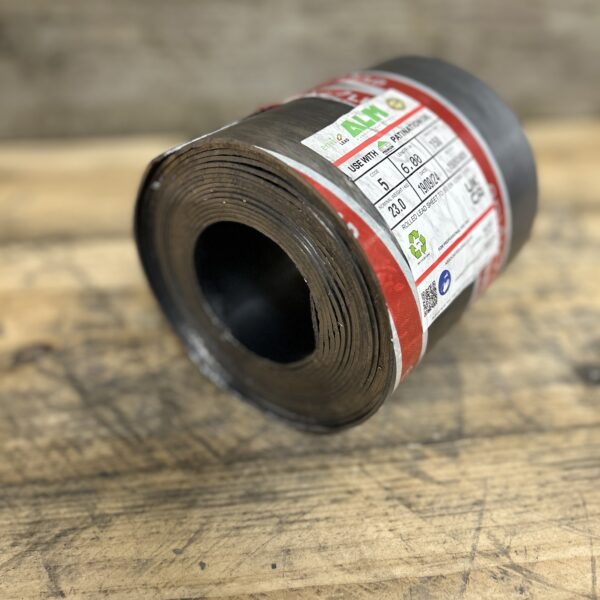
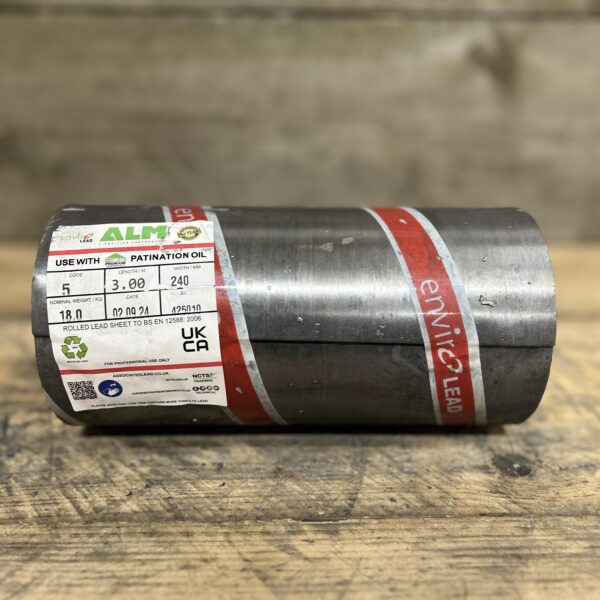
Code 5 150mm 3m Roofing Lead Roll

In stock

£30.25 (price per roll / £2.75 per kg)
Add to cart

Code 5 150mm 6m Roofing Lead Roll

In stock

£63.25 (price per roll / £2.75 per kg)
Add to cart

Code 5 180mm 3m Roofing Lead Roll

In stock

£38.50 (price per roll / £2.75 per kg)
Add to cart

Code 5 210mm 3m Roofing Lead Roll

In stock

£44.00 (price per roll / £2.75 per kg)
Add to cart

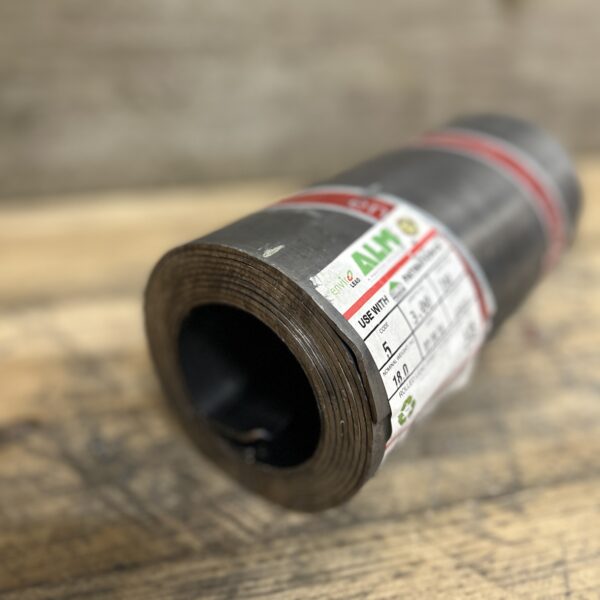
Code 5 240mm 3m Roofing Lead Roll

In stock

£49.50 (price per roll / £2.75 per kg)
Add to cart

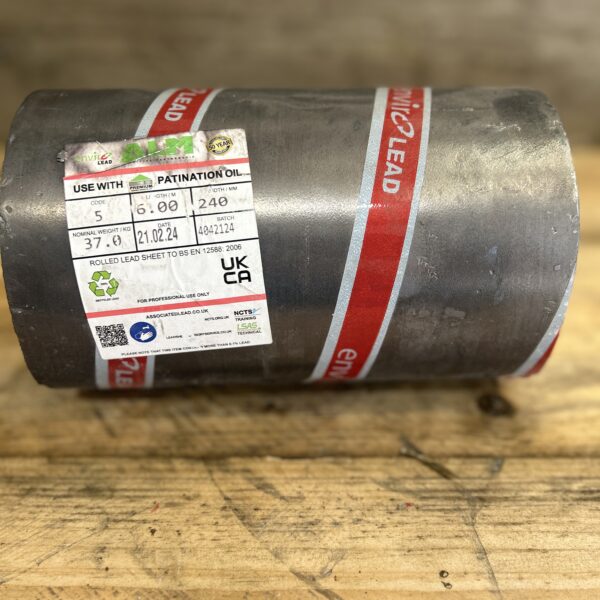
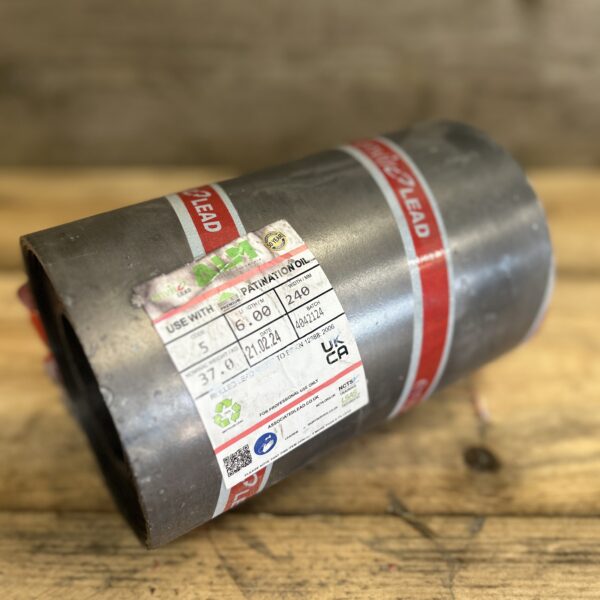
Code 5 240mm 6m Roofing Lead Roll

In stock

£101.75 (price per roll / £2.75 per kg)
Add to cart

Code 5 300mm 6m Roofing Lead Roll

In stock

£126.50 (price per roll / £2.75 per kg)
Add to cart

Lead Code 4 180mm x 3m Roofing Lead Roll

In stock

£30.25 (price per roll / £2.75 per kg)
Add to cart

Chimney Flashing With Back Gutter Using Code 5 Lead

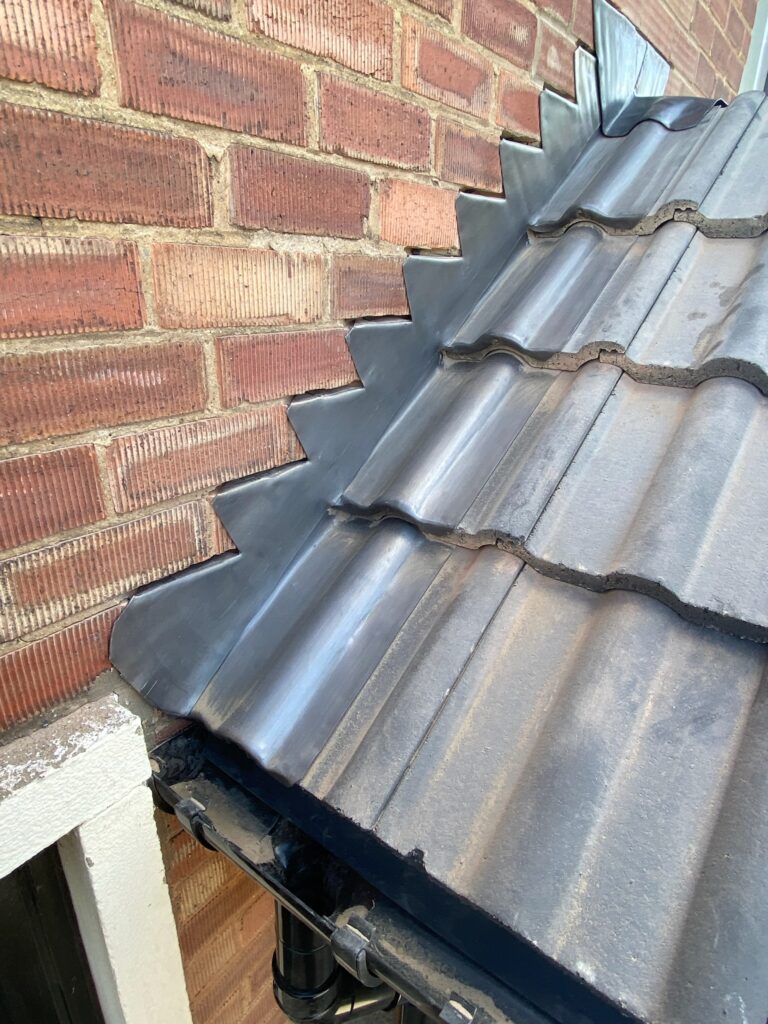
Lead Stepped Flashing Use code 4 or Code 5 Lead

Rolled Lead Sheet • Code 4 and Code 5 Lead • Buying Guidance

Lead Flashing: Buy Code 4 and Code 5 Rolled Lead Sheet

Lead flashing is used to weatherproof junctions between roofs, walls, chimneys, parapets, dormers and other building elements. When correctly specified, detailed, installed and maintained, rolled lead sheet can provide a long service life across domestic, commercial and heritage roofing projects.

The Lead Lads Shop supplies rolled lead sheet for flashing applications, including Code 3, Code 4, Code 5, Code 6, Code 7 and Code 8 products in a range of widths and roll lengths. Browse products manufactured to the relevant rolled lead sheet standard and select the code and dimensions appropriate to the proposed detail.

Use our buying guides, weight references and leadwork calculators to compare nominal thickness, calculate material weight and identify suitable stock widths before ordering.

What Lead Flashing Is Used For

Lead flashing forms a weather-resistant junction where a roof covering meets masonry, another roof surface or a projecting building element. Its flexibility allows it to be formed around many complex details, but successful performance depends on appropriate sheet dimensions, support, laps, fixing and provision for movement.

  • Chimney front aprons, side flashings and back gutters
  • Stepped flashings at pitched roof abutments
  • Cover flashings and counterflashings
  • Lead soakers beneath slates and tiles
  • Parapets, dormers and roof penetrations
  • Valleys, gutters and wider fully supported weatherings
  • Traditional and heritage roofing details

Lead Flashing Codes Explained

Rolled lead sheet is identified by code. Each code corresponds to a nominal thickness and weight per square metre. The appropriate code depends on the type of detail, developed width, sheet length, exposure, support and fixing arrangement.

Code 3 — Concealed Soakers Code 4 — Common Flashing Details Code 5 — Heavier Weatherings Codes 6–8 — Specialist Applications
Code 4 Rolled Lead Sheet

Code 4 has a nominal thickness of approximately 1.80 mm and is widely used for many conventional chimney, stepped, cover and abutment flashing details.

Code 5 Rolled Lead Sheet

Code 5 has a nominal thickness of approximately 2.24 mm and may be used for suitably designed heavier weatherings or more demanding details.

Important: a heavier lead code is not automatically more suitable. Final selection should consider the sheet dimensions, support, exposure, fixing, joints and thermal movement requirements of the proposed detail.

Choosing the Correct Lead Flashing Width

Lead sheet should be ordered according to the complete developed width of the detail. This is the total width required before the sheet is folded, dressed or inserted into a chase.

Depending on the detail, the developed width may need to include:

  • the vertical upstand against masonry;
  • the depth inserted into a chase or joint;
  • the cover over slates, tiles or another roof surface;
  • folds, welts, returns or drips;
  • laps between adjacent pieces;
  • cutting and dressing allowances.

Measuring only the visible face of the completed flashing can result in a roll that is too narrow. Use the leadwork calculators or the Lead Flashing Chart to compare available widths.

Typical Flashing Details

  • Soakers: concealed pieces positioned beneath slates or tiles at an abutment.
  • Stepped flashings: separate flashing pieces following masonry courses along a pitched roof.
  • Cover flashings: pieces covering the upper edge of an apron, soaker or other weathering.
  • Front aprons: formed across the lower face of a chimney or wall junction.
  • Back gutters: wider supported details directing water around the rear of a chimney.

Leadwork Design Considerations

  • Control individual sheet lengths to allow movement
  • Provide suitable laps and joints for the roof detail
  • Avoid rigid or excessive fixing
  • Use appropriate clips, wedges and copper fixings
  • Provide suitable support and separating layers where required
  • Consider compatibility with surrounding materials
  • Apply patination oil in accordance with its instructions

How to Buy Lead Flashing Online

  1. Identify the type of flashing or weathering being formed.
  2. Calculate the complete developed width of the detail.
  3. Confirm the appropriate lead code and maximum sheet dimensions.
  4. Select a suitable stock width and roll length.
  5. Calculate the quantity, approximate weight and cutting allowance.
  6. Add the required fixings, underlay and finishing products.
Technical guidance: review the Rolled Lead Sheet Codes Guide, Lead Weight Chart and Lead Handbook before ordering where the specification is uncertain.
Lead Flashing Guide • Code 4 and Code 5 Rolled Lead Sheet
Code 4 and Code 5 Lead Flashing Buying Guide

Code 4 and Code 5 rolled lead sheet are widely used for chimney flashings, wall abutments, cover flashings, front aprons and other traditional roofing details. The correct product should be selected by considering the type of detail, developed width, sheet length, exposure, support, fixing and allowance for thermal movement.

Code 4 Lead Code 5 Lead Chimney Flashings Aprons and Abutments Rolled Lead Sheet

Code 4 rolled lead sheet has a nominal thickness of approximately 1.80 mm. It is commonly used for many conventional stepped, cover, chimney and wall-abutment flashing details where the dimensions and design are appropriate.

Code 5 rolled lead sheet has a nominal thickness of approximately 2.24 mm. It may be selected for suitably designed heavier weatherings or more demanding details where the proposed dimensions and application justify the thicker sheet.

Code 5 should not be treated as an automatic upgrade from Code 4. Using thicker lead does not remove the need to limit sheet dimensions, provide suitable joints, control fixing and accommodate expansion and contraction.

Code 4 Lead

Widely associated with many conventional chimney, stepped, cover and abutment flashing details.

Code 5 Lead

Used for appropriate heavier weatherings and details where the dimensions, support and design require a thicker sheet.

Choosing the Correct Lead Flashing Width

Select the roll width from the complete developed width of the proposed flashing. This is the full sheet width before it is folded, dressed or inserted into a masonry chase.

Depending on the detail, allow for:

  • the vertical upstand against masonry;
  • the section inserted into a chase or joint;
  • the cover over slates, tiles or another roof surface;
  • folds, welts, drips and returns;
  • laps between adjacent pieces;
  • cutting and dressing allowances.

Avoid relying on nominal width ranges alone. Two visually similar flashings may require different roll widths because of their roof pitch, upstand, cover and fold dimensions.

Common Lead Flashing Details

  • Soakers: concealed pieces beneath slates or tiles, commonly formed from Code 3 where suitable.
  • Stepped flashings: separate pieces following masonry courses at pitched roof abutments.
  • Cover flashings: pieces covering the upper edge of an apron, soaker or other weathering.
  • Front aprons: formed across the lower face of a chimney or wall junction.
  • Back gutters: wider supported details used to direct water around the rear of a chimney.
  • Parapet weatherings: formed details requiring careful consideration of width, support and movement.

Why Rolled Lead Sheet Is Used

  • Workability: it can be formed and dressed around masonry, roof coverings and complex junctions.
  • Durability: correctly specified and installed leadwork can provide a long service life.
  • Weather resistance: properly detailed flashings create robust junctions against rainfall.
  • Repairability: individual details can often be repaired without replacing an entire roof covering.
  • Traditional appearance: rolled lead sheet is suitable for heritage work and modern construction.
  • Recyclability: recovered lead can be recycled and returned to the manufacturing process.

Complete the Leadwork Order

Depending on the proposed detail, the rolled lead sheet may need to be ordered with compatible installation products.

Patination oil: apply it in accordance with the product instructions after installation to help reduce uneven carbonate staining and initial runoff marks.

How to Choose and Order Lead Flashing

  1. Identify the flashing or weathering detail being formed.
  2. Calculate the full developed width of the sheet.
  3. Confirm the appropriate lead code and sheet dimensions.
  4. Select the nearest suitable stock width and roll length.
  5. Calculate the quantity, cutting allowance and nominal weight.
  6. Add the required fixings, treatments and separating layers.
Need help with quantities? Use the Leadwork Calculators to estimate weight and material requirements, review the Lead Weight Chart, or consult The Lead Handbook where the specification is uncertain.