
 Code 3 Lead
 Code 4 Lead
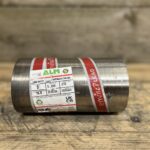 Code 5 Lead
 Code 6 Lead





We are working on bringing you the latest collection of specialist hand tools all will be available soon.

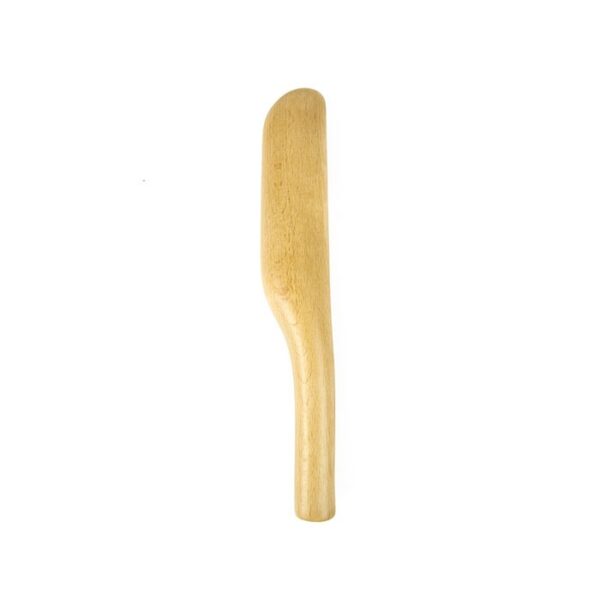
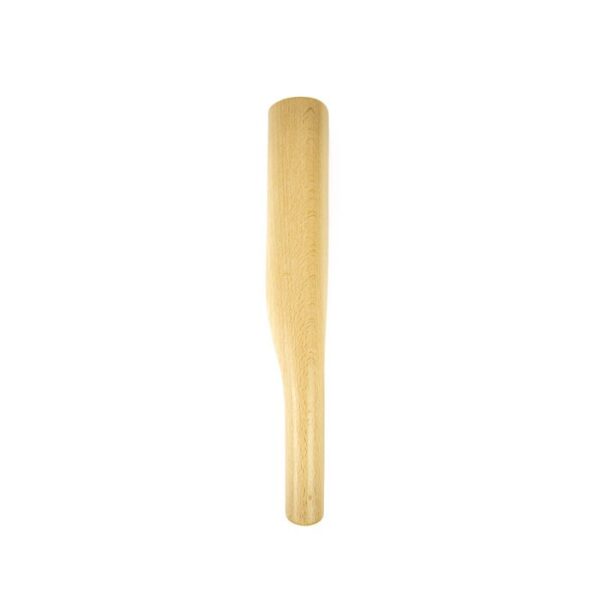


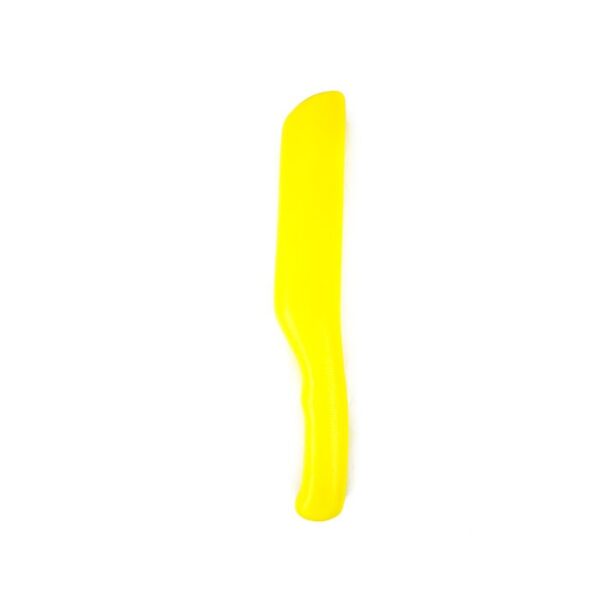


Lead Worker's Essential Hand Tools: Shaping the Roof One Sheet at a Time
Lead workers, also known as roof plumbers or sheet metal workers specialising in lead, play a vital role in building and maintaining weatherproof roofs. Their expertise lies in shaping and installing lead sheets, flashing, and other leadwork elements. To achieve this, they rely on a specific set of hand tools, each playing a crucial part in the lead working process. Let's delve into the essential hand tools that equip a lead worker:
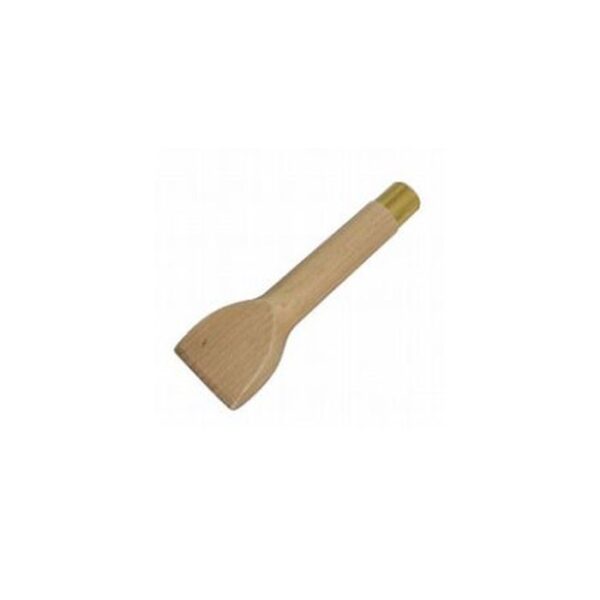
1. Lead Dresser: This is the workhorse of the lead worker's toolkit. It's a flat, wooden or plastic tool used for smoothing and flattening lead sheets. The dresser comes in various sizes, allowing for precise work on both large expanses and intricate details.
2. Bossing Mallet and Stick: The bossing mallet, typically made of wood or plastic, delivers controlled blows to the lead. Paired with the bossing stick, a rounded wooden or plastic rod, the lead worker shapes lead into curves and bends. The mallet's weight and the stick's profile determine the formed shape.
3. Lead Snips/Shears: These heavy-duty metal shears, similar to tin snips, are used for cutting lead sheets. They come in straight and curved varieties, allowing for both straight cuts and intricate curves.
4. Setting Stick and Wedge: The setting stick, often made of wood or plastic, is used to press lead sheets into place, particularly around joints and corners. The wedge, typically wooden, helps create tight seams and folds.
5. Bending Iron: This specialized tool, sometimes called a plumber's iron, features a smooth, rounded tip ideal for forming precise bends and folds in lead sheets. It's often heated with a blowtorch for easier shaping.
6. Scriber and Marking Knife: A scriber, a pointed metal tool, is used for marking lines on the lead sheet for cutting or folding. A marking knife serves a similar purpose, offering a sharper and more precise line.
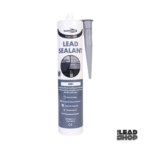
7. Caulking Gun: While not exclusive to leadwork, a caulking gun is often used to apply sealants around lead flashing and joints, ensuring a watertight seal.
8. Pliers and Tape Measure: Standard pliers are helpful for various tasks, such as holding or manipulating small pieces of lead. A tape measure is essential for accurate measurement during the leadwork process.
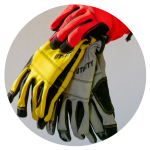
9. Safety Gear: Leadwork can be hazardous due to lead dust. Lead workers should always wear proper personal protective equipment (PPE) such as gloves, respirators, and eye protection.
These essential hand tools, combined with the lead worker's skill and knowledge, ensure the creation of durable and weatherproof lead roofs and architectural elements. The seemingly simple tools, when wielded by an experienced professional, become an extension of their craft, shaping and protecting structures for years to come.