
 Code 3 Lead
 Code 4 Lead
 Code 5 Lead
 Code 6 Lead





Lead Welding Supplies
Lead welding supplies are essential for forming strong, watertight joints in more advanced leadwork, especially on outlets, gutters, hopper heads, welded corners and bespoke weathering details. The right welding products help achieve cleaner seams, better control and a more reliable finish on site.
Whether you are working with rolled lead sheet, fabricating outlets or completing specialist lead details, suitable lead welding tools and consumables are a critical part of the process. Pair them with the correct fixings and accessories to support a more complete leadwork system.
Welded outlets & joints
Specialist leadwork
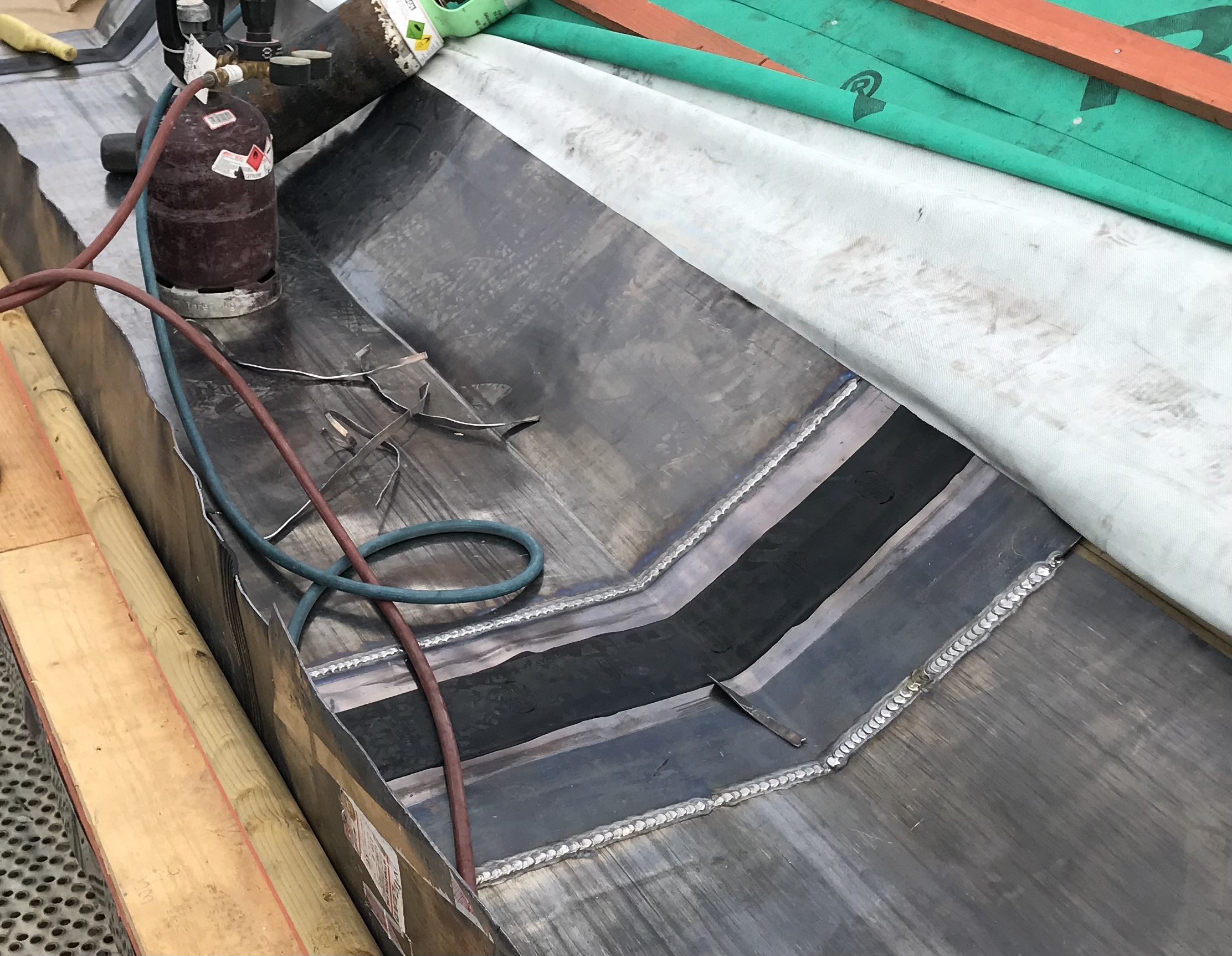
Lead Welding (Lead Burning) — Kits, Rods, Torches, Nozzles & PPE
Trade-ready components
BS-aligned principles
Fast UK delivery
Professional tools for strong, clean lead joints
This Lead Welding category brings together the essentials for lead burning on roofing, heritage and specialist sheet leadwork projects:
welding rods, torches and nozzles, hoses and regulators, heat-resistant gloves, eye protection and site-ready accessories to
help keep your setup consistent and safe. These products are typically used to create fusion joints on bays, gutters, sumps,
outlets, corners and other details where a continuous watertight seam is required.
For practical method guidance and training-style content, visit
The Lead Lads.
To see applied examples of specialist leadwork, visit
Neal Roofing — Leadwork.
For principles aligned with recognised detailing practice, review our standards explainer:
BS 6915 — Proper Leadwork.
Popular picks
- Lead welding rods — for controlled feed and cleaner fusion seams.
- Torches and nozzles — choose tip size to suit lead thickness and working speed.
- Gas hoses and regulators — support steady, dependable gas flow management.
- PPE and gloves — protect hands, eyes and clothing from sparks and radiant heat.
- Workshop and site ancillaries — clamps, paddles, cleaning brushes, sheet supports and spark shields.
Good practice (quick checklist)
- Preparation: Keep parent metal bright, clean and free from oxides, dirt and contamination.
- Heat control: Select the correct nozzle and maintain a steady travel speed to avoid burn-through or cold lap.
- Support and movement: Use slip layers beneath bays and maintain appropriate detailing for expansion and contraction.
- Sequencing: Tack first, then complete runs cleanly without trapping moisture or interrupting drainage paths.
- Compatibility: Avoid poor interfaces, unsuitable metals and fixing arrangements that can create long-term issues.
When to weld vs. when to form
Lead welding is especially useful for outlets, sumps, complex corners, controlled repairs and details where a welded seam is specified.
In other situations, formed drips, welts and rolls may provide a better response to movement and weathering with less heat applied to the sheet.
Good specification is about choosing the right method for the detail, access conditions and long-term movement expected in service.
For a practical refresher, start with
The Lead Lads
and compare principles against the
BS 6915 overview.
Safety first
- Follow manufacturer guidance for torches, hoses, regulators and associated gas equipment.
- Leak-test equipment regularly and check working condition before use.
- Ventilate work areas and control sparks or heat near timber, membranes, glazing and finishes.
- Wear suitable PPE including eye protection, heat-resistant gloves and non-flammable clothing.
- Use fire blankets and spark shields where adjacent materials need protection.
Quick reference — Lead Welding
| Category | Lead Welding (Lead Burning) |
|---|---|
| Typical uses | Bays, gutters, sumps, outlets, corners, controlled repairs |
| Key components | Welding rods, torch & nozzles, hoses, regulators, PPE, clamps, shields |
| Principles | Clean substrate, correct nozzle and heat, steady travel, movement control, clear drainage |
| Related products | Leadworking Tools · Leadwork Fixings · Slip Layer / Underlay |
| Learn more |
The Lead Lads · BS 6915 overview · Neal Roofing — Leadwork |
FAQs — Lead Welding
Which nozzle size should I use?
Select the nozzle according to sheet thickness, working position and the travel speed you can maintain without burning through. Testing on off-cuts is always sensible.
Do I need flux for lead burning?
Lead burning is a fusion process on bright, clean lead surfaces. Good preparation is essential so the joint faces remain clean and oxide-free.
How do I manage movement at welded bays?
Keep bay sizes sensible, maintain slip layers beneath panels, and include drips, rolls or other movement features where the detail requires them.
Always follow the project specification, equipment manufacturer guidance and on-site safety requirements when carrying out lead welding.