

 Code 3 Lead
 Code 4 Lead
 Code 5 Lead
 Code 6 Lead





Code 3 Lead – 6m Rolls
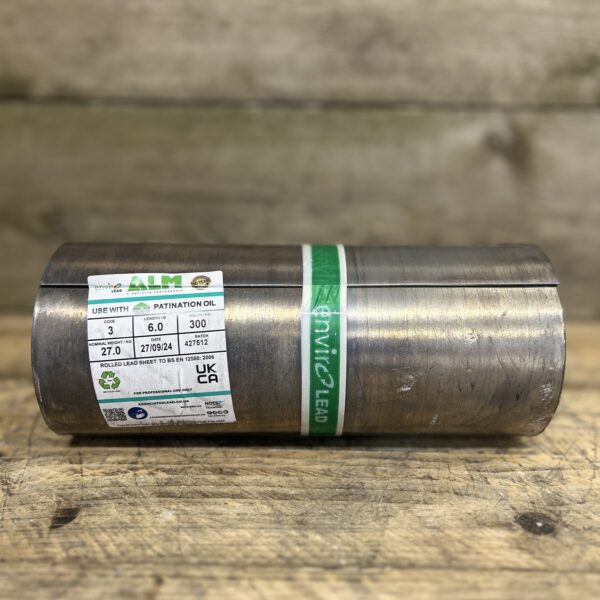
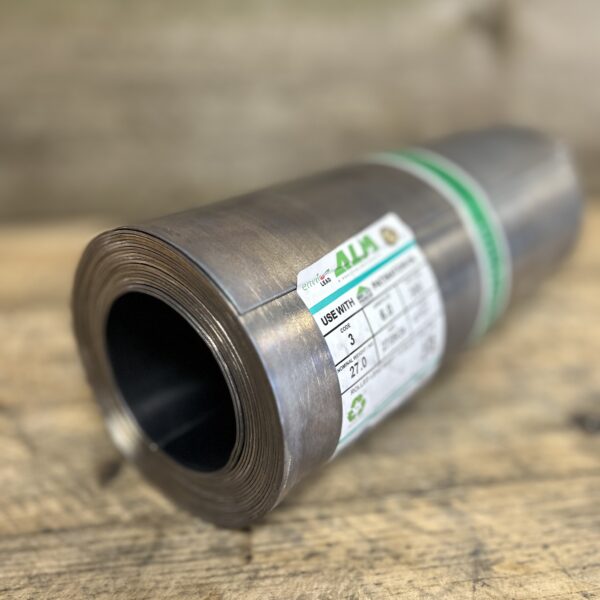
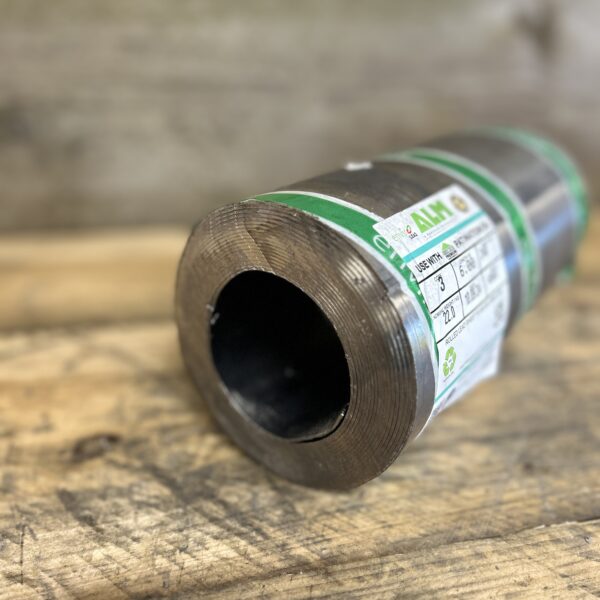
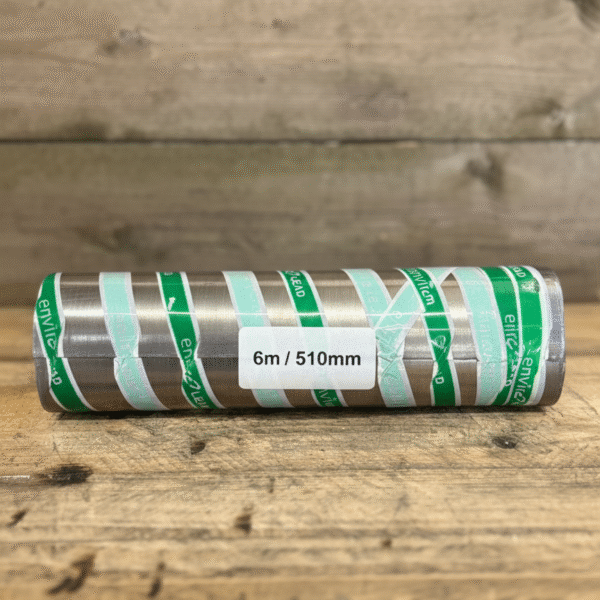
Code 3 lead in 6m rolls is typically selected for soakers, covered flashings and lighter concealed leadwork where longer runs reduce joints and improve installation efficiency on site.
Commonly used beneath slate and tile roof coverings at abutments and chimney sides, 6m rolls allow for fewer laps compared to shorter lengths. If you require easier handling or smaller sections, 3m rolls may be more suitable.
Longer runs
Trade efficient






Rolled Lead Sheet Category
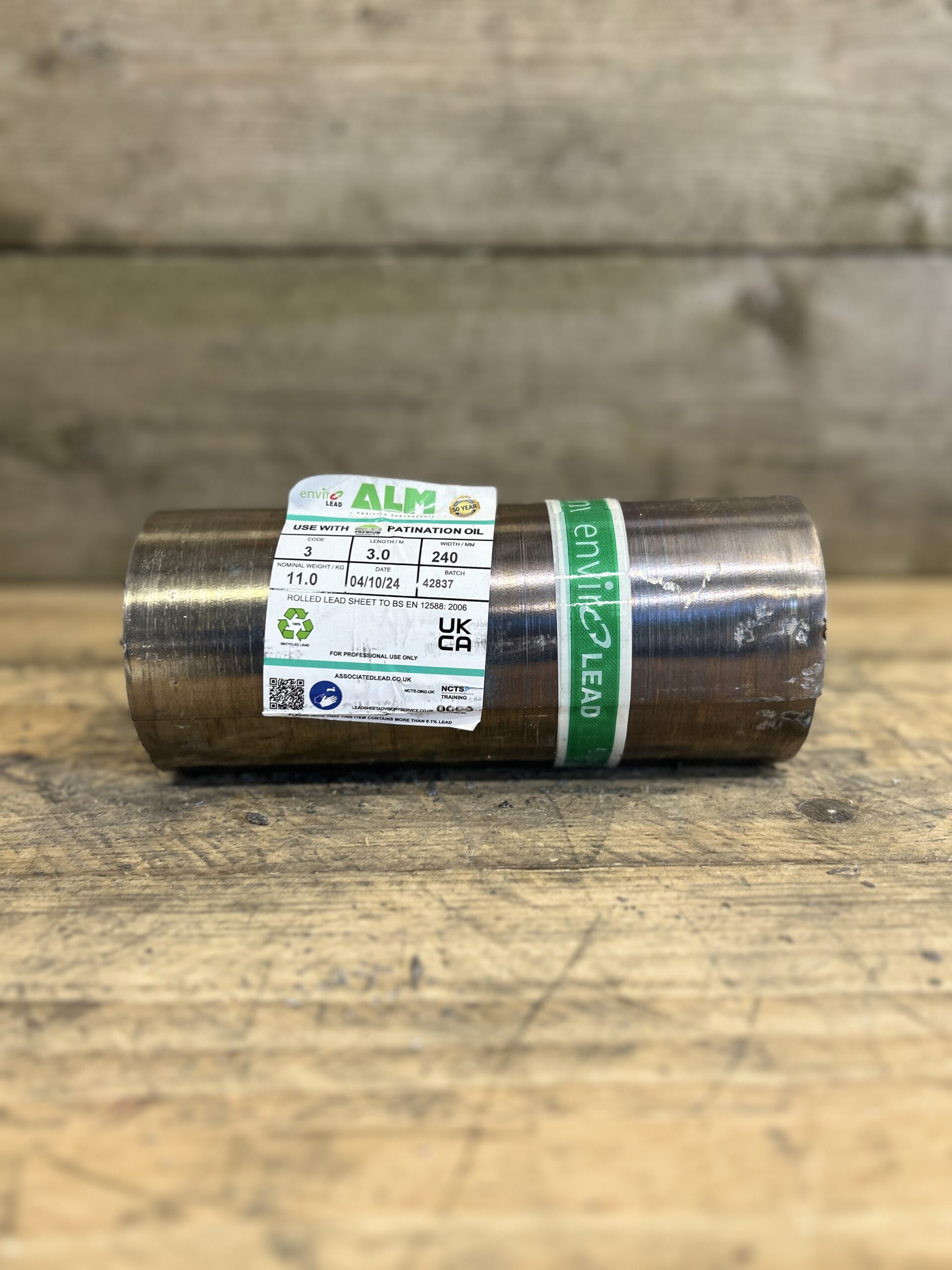
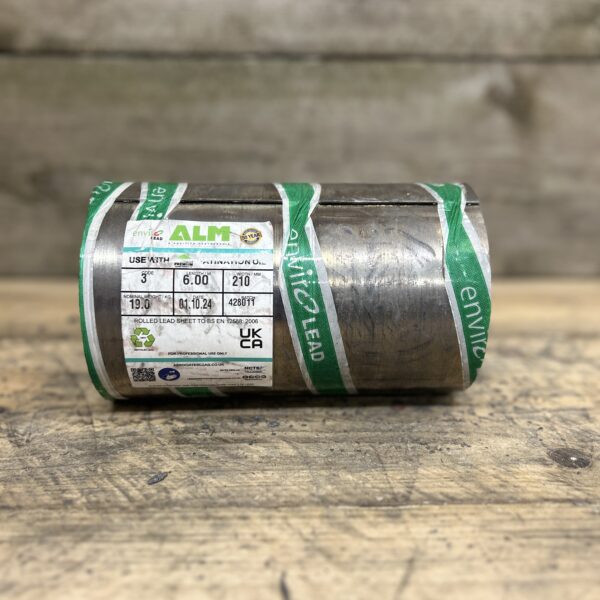
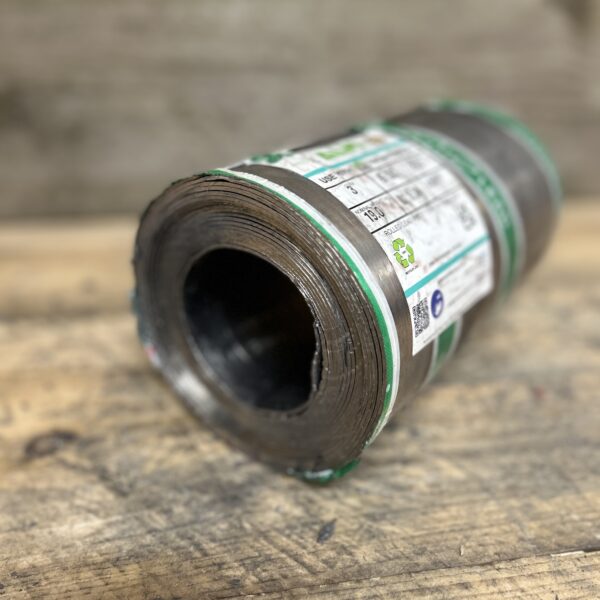
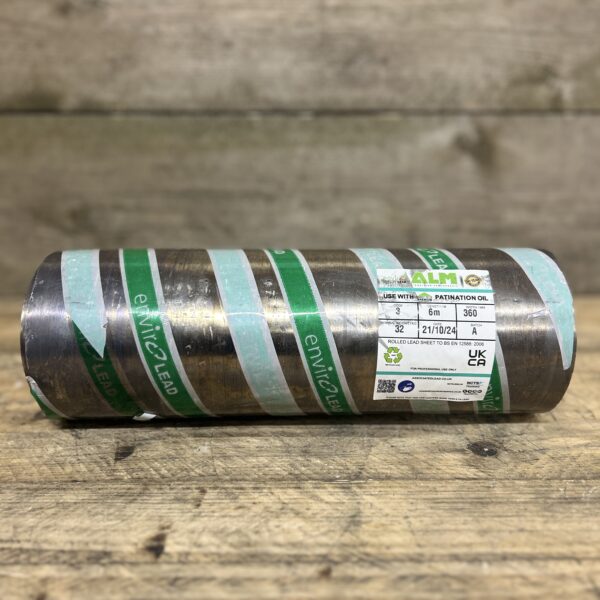
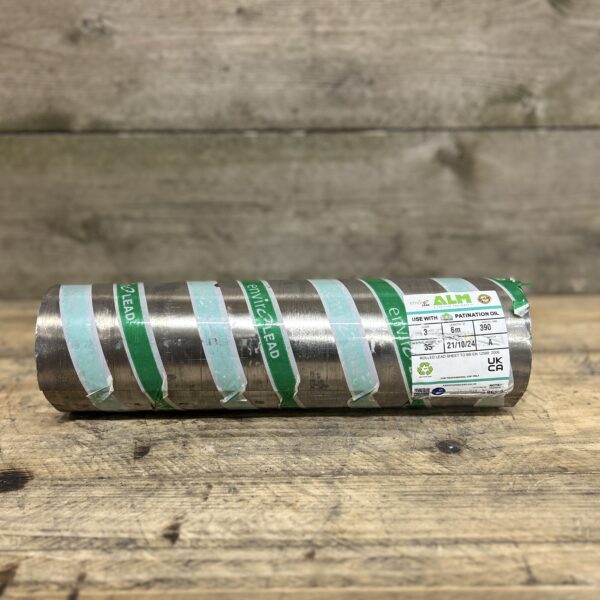
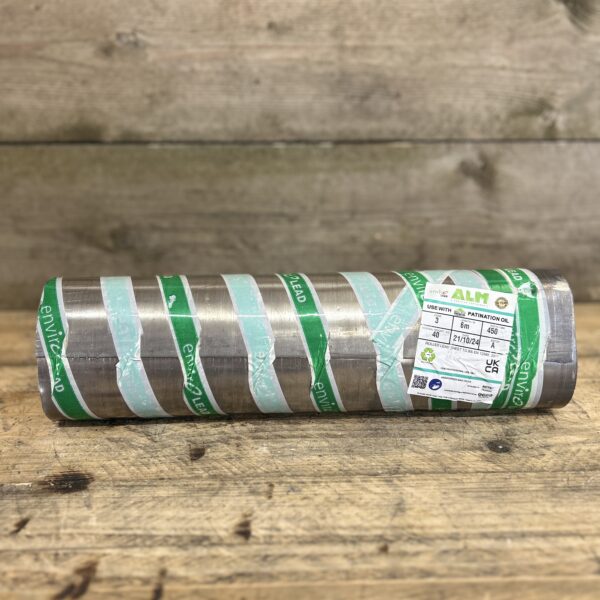
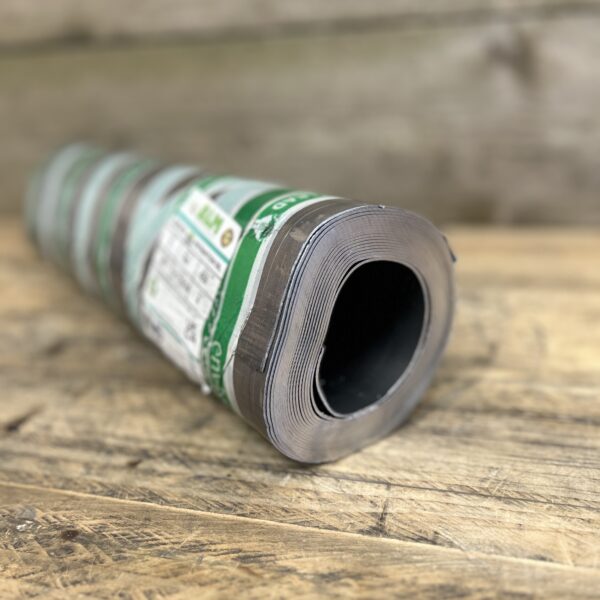
Code 3 Lead 6m Rolls — Lightweight Rolled Lead Sheet for Soakers, Covered Flashings & Longer Runs
Approx. mass 15.0 kg/m²
6 metre rolls
Ideal for soakers
Fewer joints
Code 3 lead 6m rolls are a practical choice for soakers, covered flashings and lighter concealed leadwork, especially where a longer roll helps reduce joints, improve cutting efficiency and keep repetitive roof detailing moving on site.
If you want to buy Code 3 lead 6m rolls online, this page explains where the 6 metre format works best, when it makes sense to compare with Code 3 Lead 3m Rolls, and when a more exposed detail should move up to Code 4 lead or Code 5 lead.
Why choose Code 3 Lead 6m Rolls
Code 3 Lead 6m Rolls are designed for lighter, protected leadwork where flexibility and efficient cutting matter more than the heavier exposed performance needed for primary weatherings. At approximately 1.32 mm thick and 15.0 kg/m², Code 3 lead is widely used for soakers and similar concealed details beneath slate and tile roof coverings.
The main advantage of the 6 metre roll format is efficiency. Longer rolls can reduce interruptions, minimise waste on repetitive work and allow multiple pieces to be cut from one source roll with fewer changes on site.

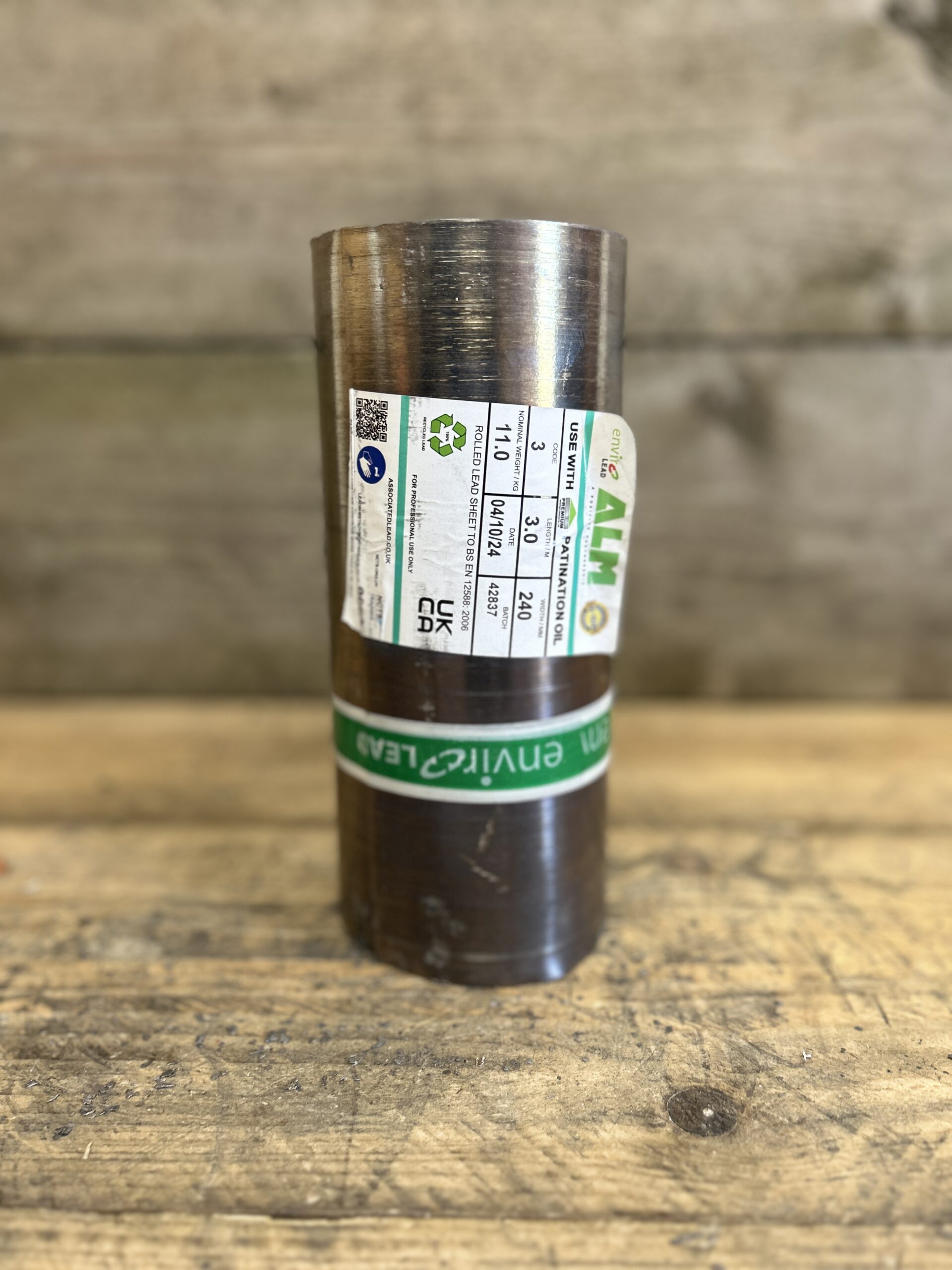
Best-fit uses for Code 3 Lead 6m Rolls
- Individual slate and tile soakers cut efficiently from one longer roll.
- Covered flashings in lighter applications where the lead remains protected within the roof build-up.
- Smaller weatherings and lighter concealed junction details.
- Repetitive refurbishment work where consistent cutting and reduced joints improve site speed.
- Roofing projects where a 6 metre source roll improves yield across multiple pieces.
Where Code 3 Lead 6m Rolls are usually not appropriate
Code 3 lead is not normally the right choice for wider exposed flashings, deep aprons, open abutments, bay roofs, parapets or gutters. Where the lead is acting as the main exposed weathering rather than a protected component, it is usually better to move up to Code 4 lead or Code 5 lead.
As a simple guide, Code 3 is usually chosen for soakers and lighter non-exposed detailing, while Code 4 is more commonly used for standard exposed flashings such as stepped abutments and chimney weatherings.
Choose your width in 6 metre rolls
Our Code 3 Lead 6m Rolls are available in widths suited to everyday roofing work. Narrower sizes such as 150 mm and 180 mm are commonly selected for standard soaker work, while wider sizes such as 240 mm can be useful where larger slate formats, wider laps or deeper concealed detailing are needed.
If you prefer shorter lengths for easier handling, compare with our Code 3 Lead 3m Rolls. If the detail becomes more exposed or more demanding, compare the full rolled lead sheet range before ordering.
Code 3 vs Code 4 — quick comparison
| Lead code | Approx. thickness | Approx. mass | Typical uses | Best use |
|---|---|---|---|---|
| Code 3 Lead | 1.32 mm | 15.0 kg/m² | Soakers, covered flashings, lightweight non-exposed detailing | Where flexibility, lighter weight and efficient cutting from longer rolls are important |
| Code 4 Lead | 1.80 mm | 20.4 kg/m² | Standard exposed flashings, stepped abutments, chimney details | Where greater durability and exposed flashing performance are required |
In simple terms, Code 3 is usually the better fit for lighter protected details, while Code 4 is the more common choice for exposed cover flashings. Use the Lead Ordering Chart to compare codes, widths and ordering options, or review the Lead Weight Chart for code thicknesses and masses.
Good practice, standards and guidance
Even though Code 3 is a lighter rolled lead sheet, it still needs to be detailed properly. Keep finished piece lengths sensible, avoid over-fixing, keep fixings out of movement zones and make sure the detail drains clearly. Longer source rolls improve efficiency, but they do not remove the need to respect thermal movement and sound leadwork practice.
For wider technical guidance, refer to the Lead Sheet Training Academy and wider LSA guidance, review The Lead Lads BS 6915 overview, and explore applied examples at Neal Roofing — Leadwork.
Helpful accessories to order with Code 3 Lead 6m Rolls
- Hall Clips 50pk — rapid chase restraint before pointing.
- Lead Mate Sealant — neutral-cure finish for lead-to-masonry joints.
- Copper ARS Nails 3.35 x 25 mm or Stainless Ringshank 25 mm.
- Building Paper Underlay — smooth slip layer beneath wider covered pieces where required.
- Patination Oil 0.5L — helps protect the appearance of fresh work.
Related installation and buying guides
- Shop the Lead Chart
- View the Lead Weight Chart
- Browse all rolled lead sheet codes
- Compare with Code 4 Lead
- Shop leadwork fixings and accessories
Frequently Asked Questions — Code 3 Lead 6m Rolls
When should I choose Code 3 Lead 6m Rolls?
Choose Code 3 Lead 6m Rolls where longer source lengths help improve cutting efficiency, reduce waste or minimise joints across repetitive lighter details such as soakers and covered flashing work.
When should I step up to Code 4?
Step up to Code 4 Lead when the lead becomes more exposed, wider or more demanding, especially where it acts as the main exposed flashing rather than a protected detail.
Are 6 metre rolls better than 3 metre rolls?
Not always. 6 metre rolls can improve efficiency and reduce joints on repetitive work, while 3 metre rolls may be easier to handle on smaller jobs or where shorter source lengths are preferred.
Is Code 3 Lead good for soakers?
Yes. Code 3 lead is commonly used for individual slate and tile soakers, and 6 metre rolls can be especially useful where many repeated pieces are being cut from one roll.
Code 3 Lead 6m Rolls — Quick Reference
| Lead code | Code 3 |
|---|---|
| Approx. thickness | 1.32 mm |
| Approx. mass | 15.0 kg/m² |
| Roll length | 6 m |
| Typical uses | Soakers, covered flashings, lightweight non-exposed detailing |
| Best fit | Protected weatherings and repeated smaller cuts where fewer joints are helpful |
| Design notes | Keep finished piece lengths sensible and move up to Code 4 where exposure increases |
| Related links | Code 3 Lead 3m Rolls · Code 4 Lead · Lead Weight Chart · Leadwork Fixings |
Related Categories
- Code 3 Lead 3m Rolls — easier manual handling for smaller jobs.
- Code 4 Lead — standard exposed flashings.
- Code 5 Lead — heavier weatherings, bays and gutters.
- Leadwork Fixings — nails, clips, oils and sealants.
Always follow the project specification, recognised leadwork guidance and relevant standards. Protect adjacent finishes during installation and keep fixings out of movement zones.