

 Code 3 Lead
 Code 4 Lead
 Code 5 Lead
 Code 6 Lead




Code 4 Lead 6m Rolls
Code 4 lead 6m rolls provide the same trusted performance as standard Code 4, with the added benefit of longer lengths for fewer joints and improved efficiency across larger or repetitive flashing work.
The 6 metre format is particularly useful where longer runs are required, helping reduce lap joints and improve continuity across aprons, abutments and wider flashing details. For easier handling on smaller jobs, compare with Code 4 3m rolls.
Longer runs
Trade efficiency
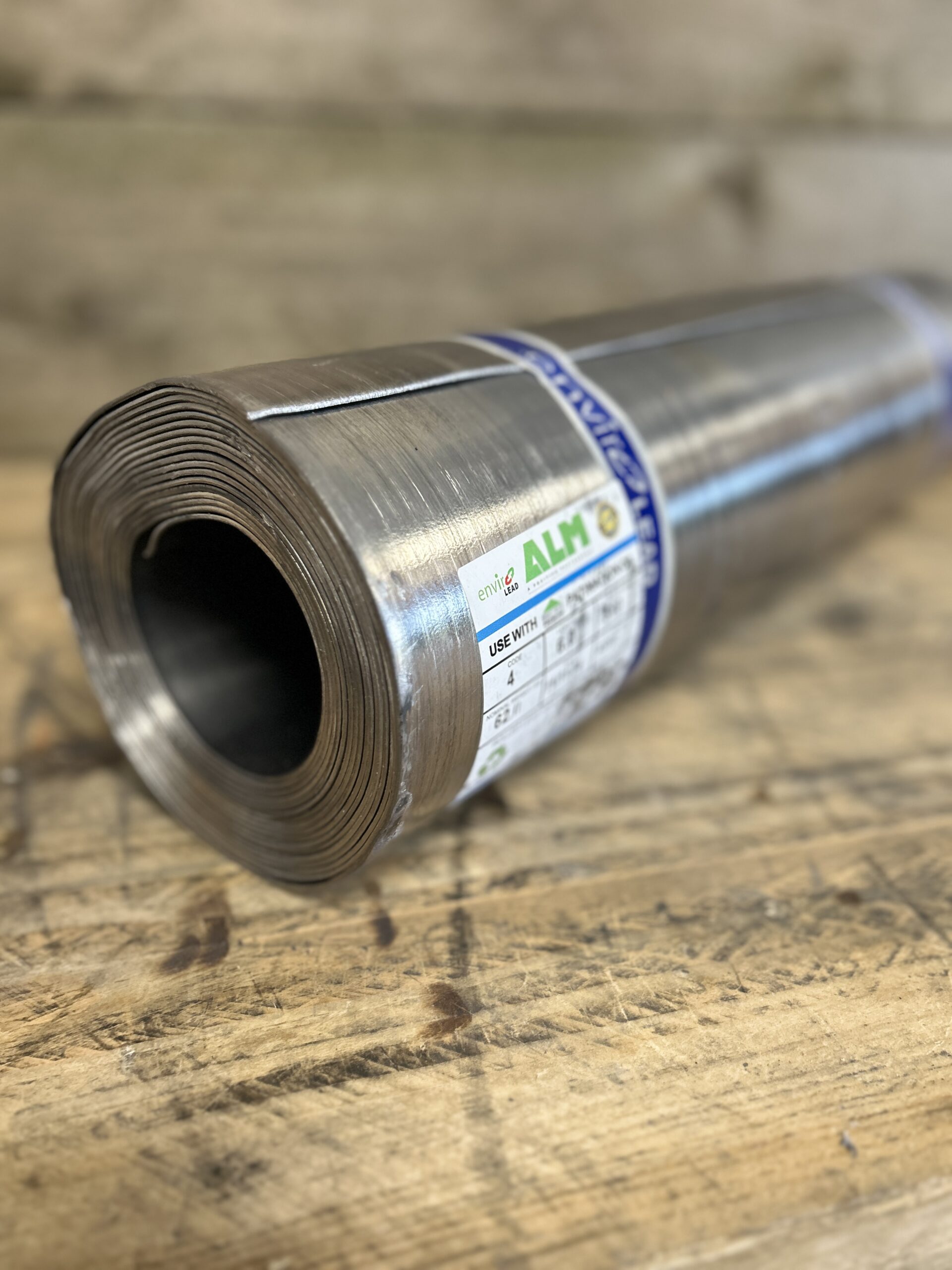

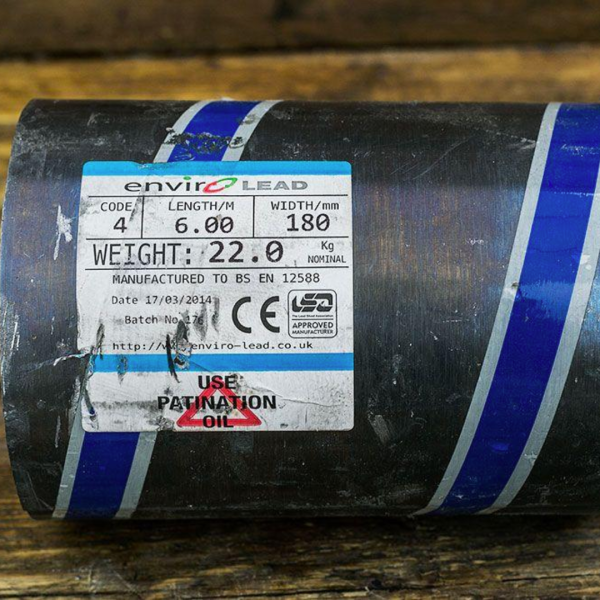

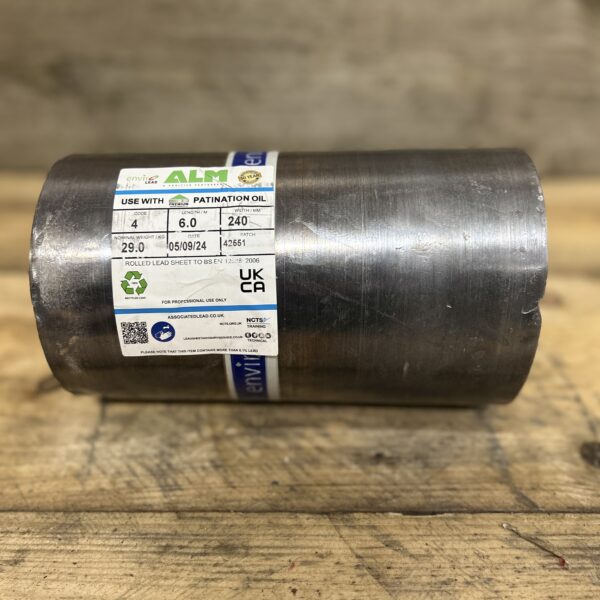


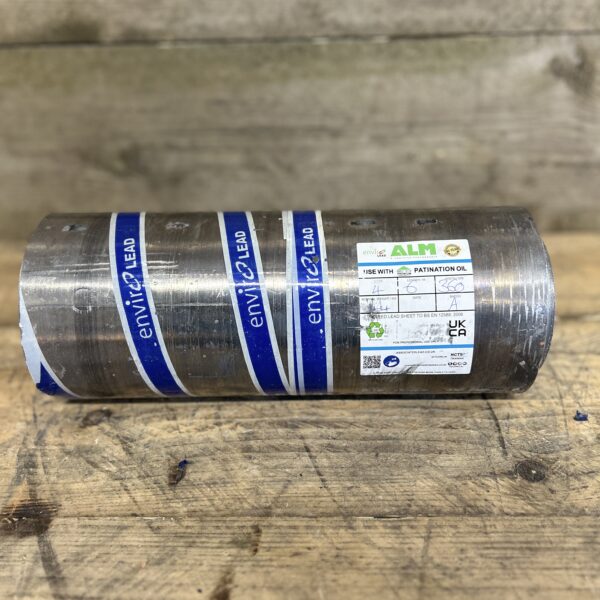
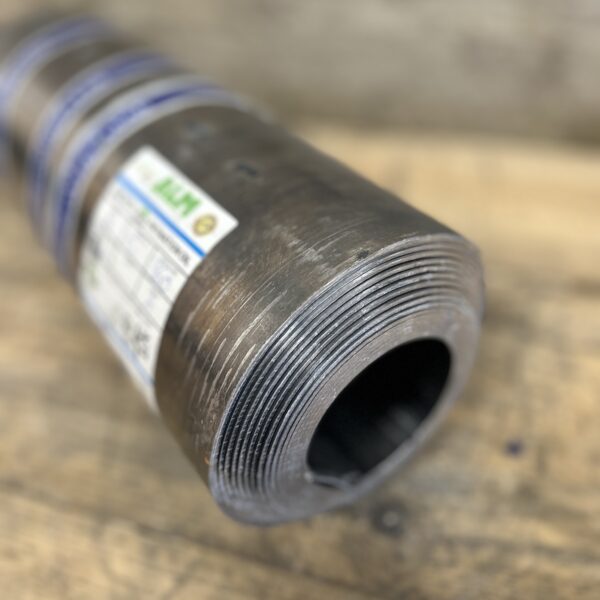
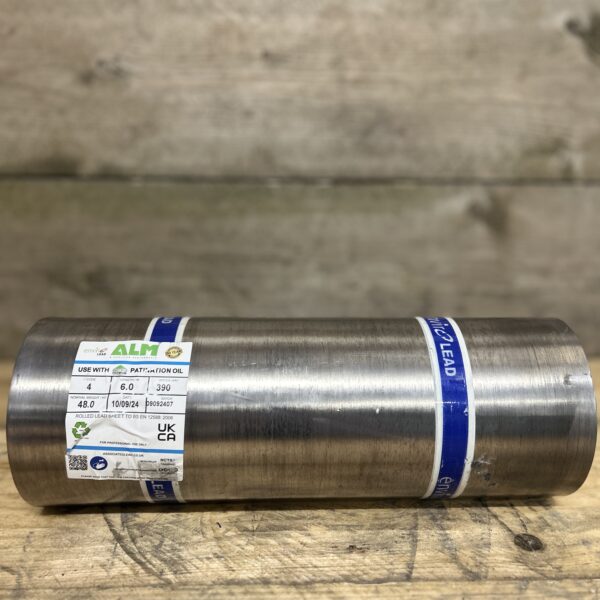
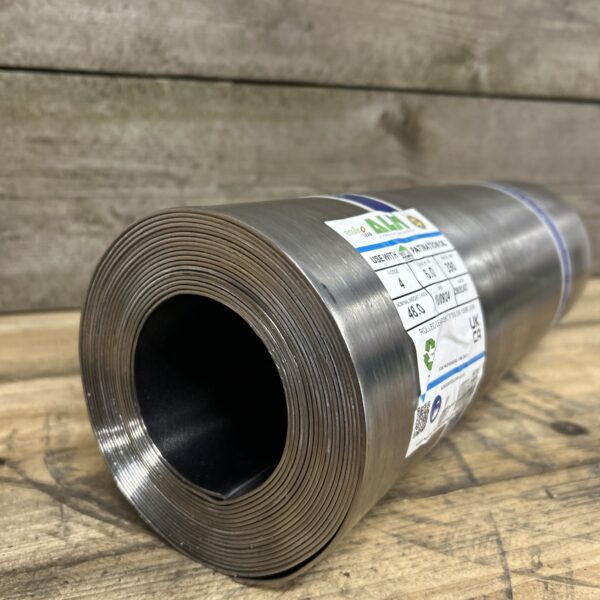
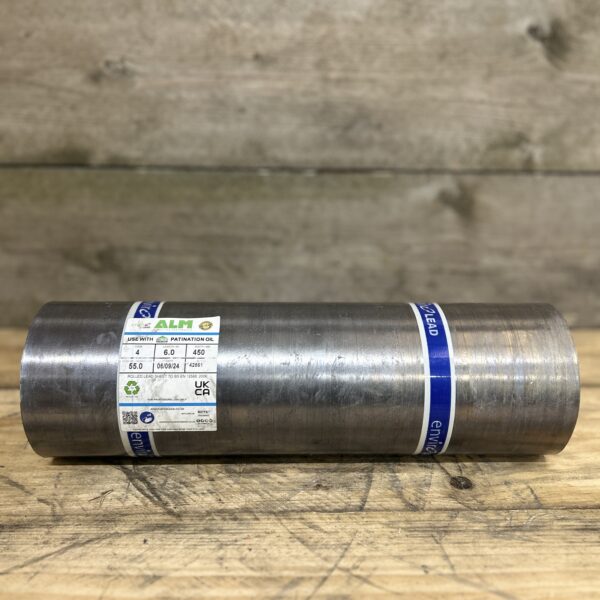
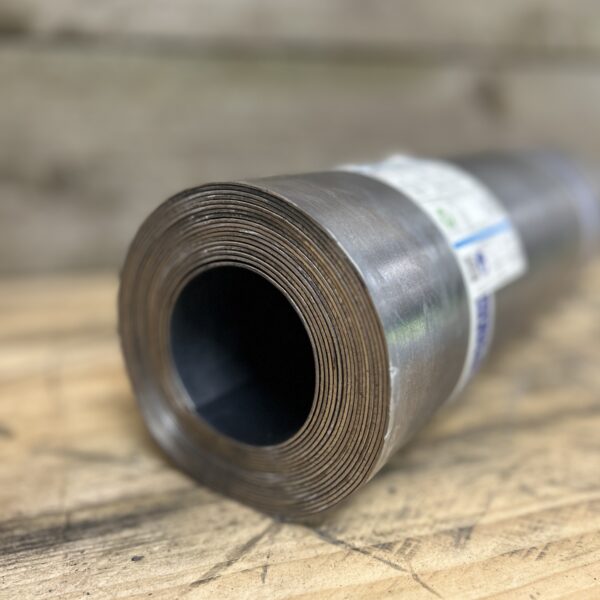
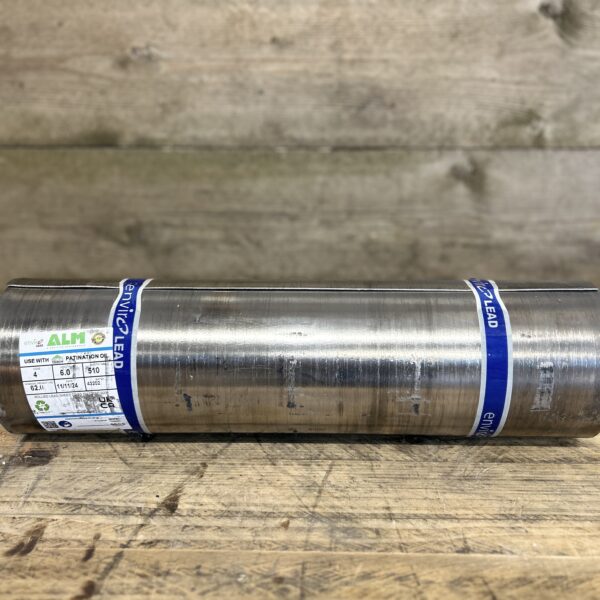
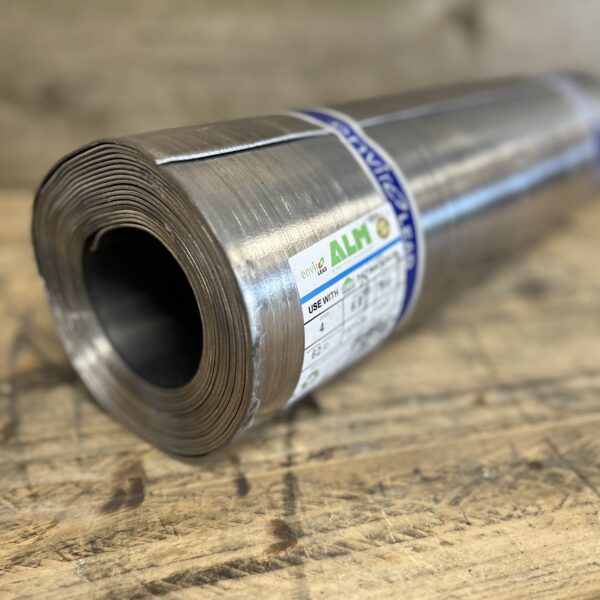
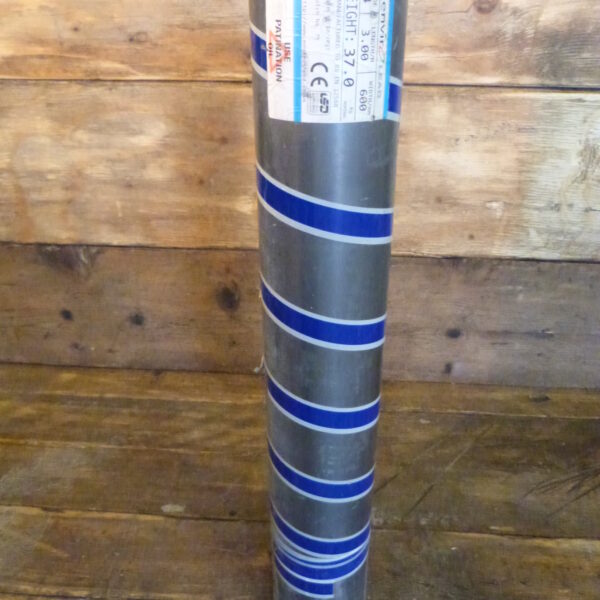

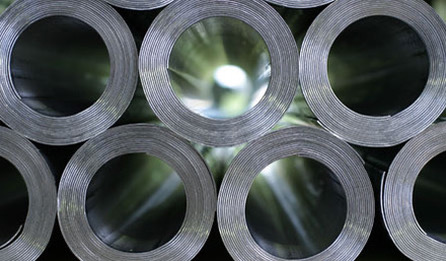

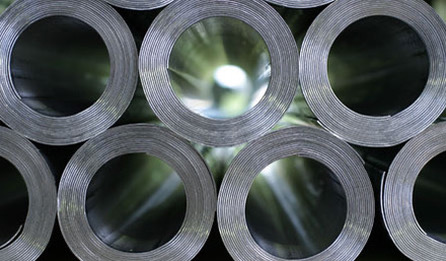


Code 4 Lead Flashing 6m Rolls — Durable Rolled Lead Sheet for Longer Flashings, Aprons & Back Gutters
Approx. mass 20.4 kg/m²
6 metre rolls
Fewer joints
Aprons & back gutters
Why choose Code 4 Lead Flashing 6m Rolls
Code 4 Lead Flashing 6m Rolls are a strong choice where you want the dependable exposed-weathering performance of Code 4, but with the added efficiency of a longer source roll. The 6 metre format helps reduce joints, improves continuity across longer details and can make repetitive flashing work more efficient on site.
At approximately 1.80 mm thick and 20.4 kg/m², Code 4 remains the most commonly specified rolled lead sheet for general flashing work. It is widely used for chimney aprons, stepped flashings, deeper cover flashings, back gutters and a range of more robust exposed details where Code 3 would be too light.
Best-fit uses
- Chimney aprons, back gutters and saddle details.
- Deeper stepped and cover flashings to brick or stone abutments.
- Dormer heads, cheeks and window head weatherings.
- Compact bay weatherings and other moderate exposed details.
- Refurbishment projects where fewer joints improve presentation and workflow.
Picking the right width
Narrower widths such as 150 mm to 240 mm are commonly used for flashing details and stepped work, while mid-range widths such as 300 mm to 450 mm are often chosen for aprons, back gutters and deeper weatherings. A size like 300 mm × 6 m is especially versatile, giving enough material for aprons, small secret gutters and more intricate formed details.
If you prefer shorter, easier-to-handle lengths, compare with Code 4 Lead Flashing 3m Rolls. If the application becomes wider, heavier or more exposed, it may be sensible to compare with Code 5 Lead.
Good practice with Code 4 Lead Flashing 6m Rolls
Even when working from a 6 metre roll, finished lead lengths should still be set out sensibly to allow for thermal movement. Longer source rolls do not mean every detail should be formed in one continuous oversized length. Align joints with steps, drips, outlets and natural breaks in the detail, and keep fixings out of movement zones wherever possible.
Use a smooth slip layer beneath wider pieces where appropriate, keep drainage paths clear and finish chases with suitable mortar or a neutral-cure sealant. On visible work, patination oil is also worth ordering to help reduce early staining and improve the appearance of fresh leadwork.
Code 4 vs Code 5 — quick comparison
| Lead code | Approx. thickness | Approx. mass | Typical uses | Best use |
|---|---|---|---|---|
| Code 4 Lead | 1.80 mm | 20.4 kg/m² | General flashings, aprons, back gutters, stepped and cover flashings | Standard exposed weathering and most general roofing details |
| Code 5 Lead | 2.24 mm | 25.4 kg/m² | Heavier aprons, valleys, bays, parapets and more demanding exposed details | Where greater rigidity and heavier-duty performance are required |
In practical terms, Code 4 is the standard option for most exposed flashing work, while Code 5 becomes more appropriate where the weathering is wider, heavier or more exposed. Use the Lead Ordering Chart if you want to compare codes, widths and roll lengths quickly before you order.
Bundle essentials (save time on site)
- Hall Clips 50pk — rapid chase restraint before pointing.
- Lead Mate Sealant — neutral-cure finish for lead-to-masonry joints.
- Copper ARS Nails 3.35 × 25 mm or Stainless Ringshank 25 mm.
- Building Paper Underlay — smooth slip layer beneath wider weatherings.
- Patination Oil 0.5L — helps reduce early staining on visible work.
FAQs — Code 4 Lead Flashing 6m Rolls
Why choose 6 metre rolls instead of 3 metre rolls?
Choose Code 4 Lead Flashing 6m Rolls where fewer joints, longer source lengths and improved cutting efficiency are beneficial. For smaller jobs or easier manual handling, 3 metre rolls may still be the better option.
When should I step up to Code 5?
Step up to Code 5 Lead when the detail becomes wider, heavier or more exposed, especially on bays, valleys, parapets and larger aprons.
What are Code 4 Lead Flashing 6m Rolls commonly used for?
They are commonly used for chimney aprons, back gutters, stepped flashings, deeper cover flashings and other robust exposed roofing details where Code 4 is the normal specification.
Do longer rolls remove the need for movement joints?
No. Longer rolls improve efficiency, but finished lead lengths still need to be detailed sensibly to manage thermal movement and maintain long-term performance.
Quick reference — Code 4 Lead Flashing 6m Rolls
| Lead code | Code 4 |
|---|---|
| Approx. thickness | 1.80 mm |
| Approx. mass | 20.4 kg/m² |
| Roll length | 6 m |
| Primary uses | Aprons, back gutters, stepped flashings, cover flashings and general exposed weatherings |
| Best fit | Longer flashing runs where fewer joints and better workflow are beneficial |
| Design notes | Keep finished piece lengths sensible, allow for movement and use slip layers beneath wider pieces where required |
| Related categories |
3m Flashing Rolls · Code 5 Lead · Leadwork Fixings |


Always follow the project specification and relevant leadwork guidance. Protect adjacent finishes during installation and keep fixings out of movement zones.