

 Code 3 Lead
 Code 4 Lead
 Code 5 Lead
 Code 6 Lead





Leadwork Fixings & Accessories
Leadwork fixings and accessories are essential to ensure rolled lead sheet performs correctly over time. From hall clips and nails through to sealants, underlays and patination oil, the right supporting products are critical to movement, durability and finish.
Whether you are installing rolled lead sheet, forming flashings or detailing more complex weatherings, using compatible fixings helps prevent failure, reduce staining and ensure compliance with recognised best practice.
Sealants & oils
Leadwork essentials
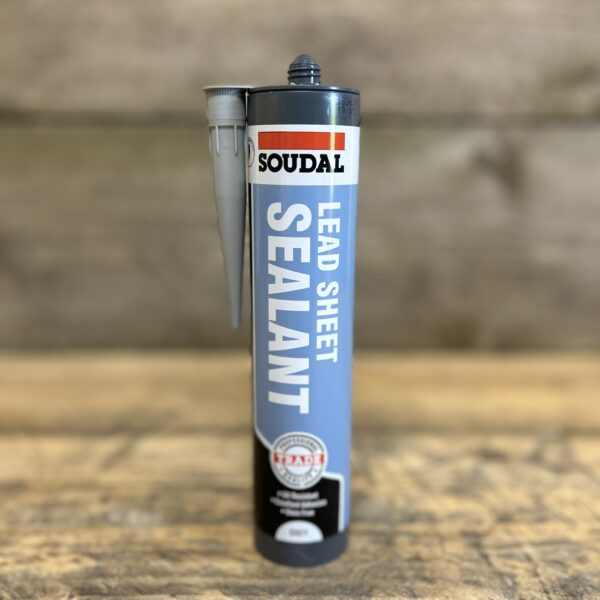
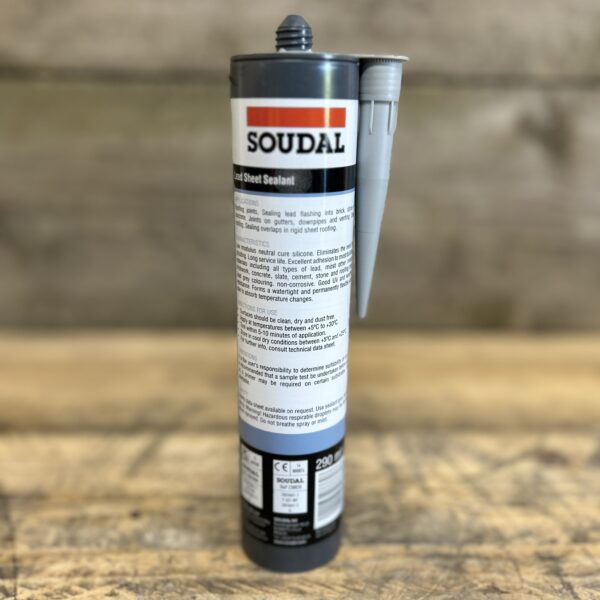
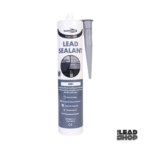
Lead Mate Sealant — Neutral Cure Lead Flashing Sealant
Available on backorder


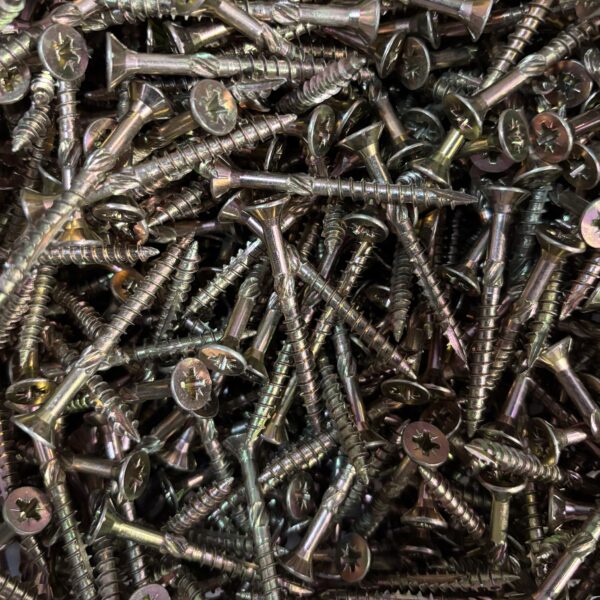

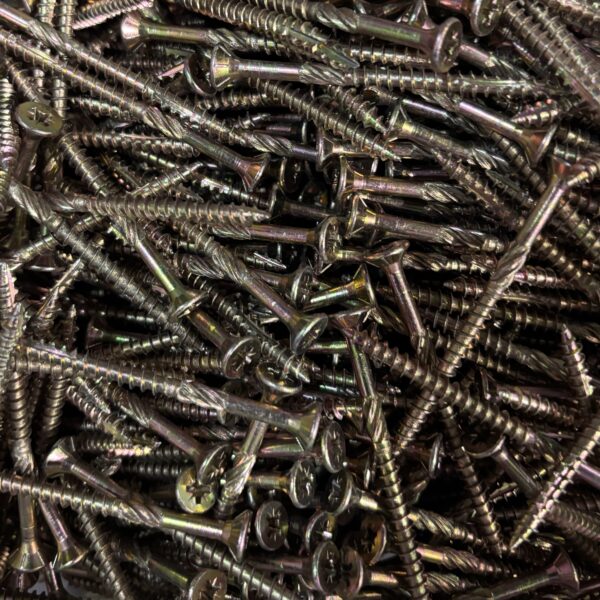
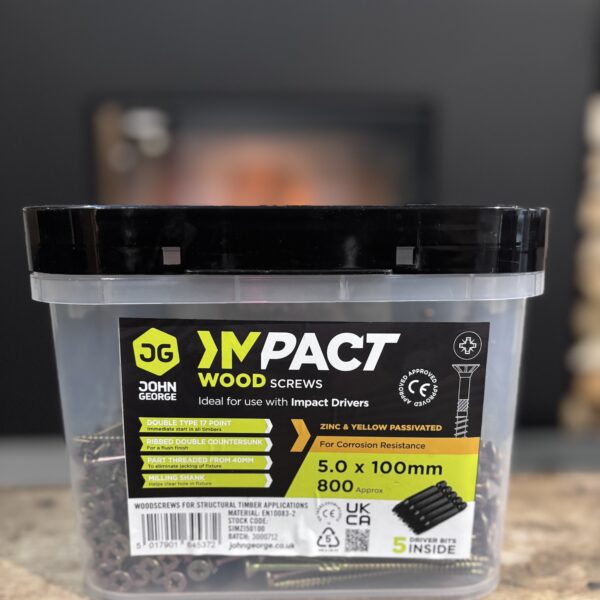
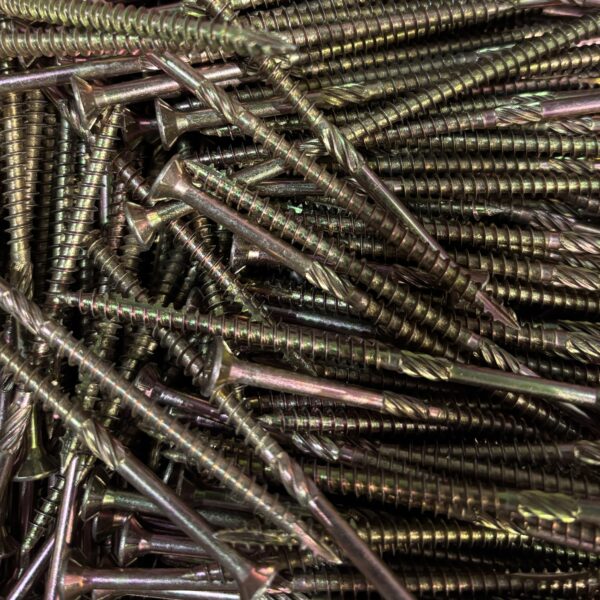
Impact Wood Screws 5.0 × 100mm — Zinc Yellow Passivated (Tub of 800)
In stock

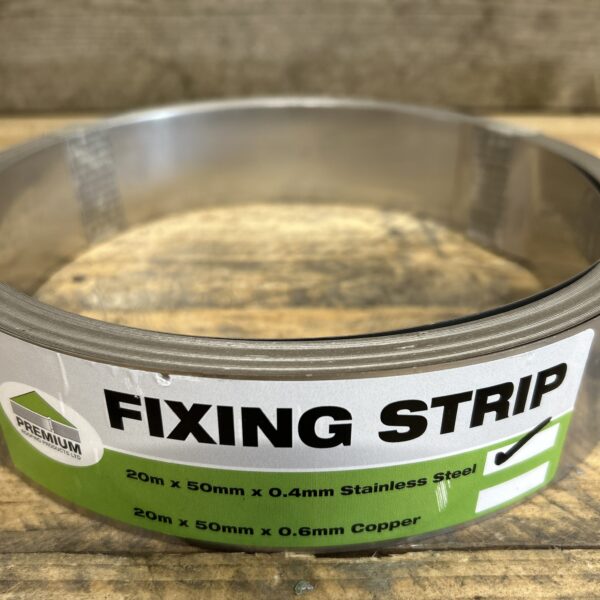
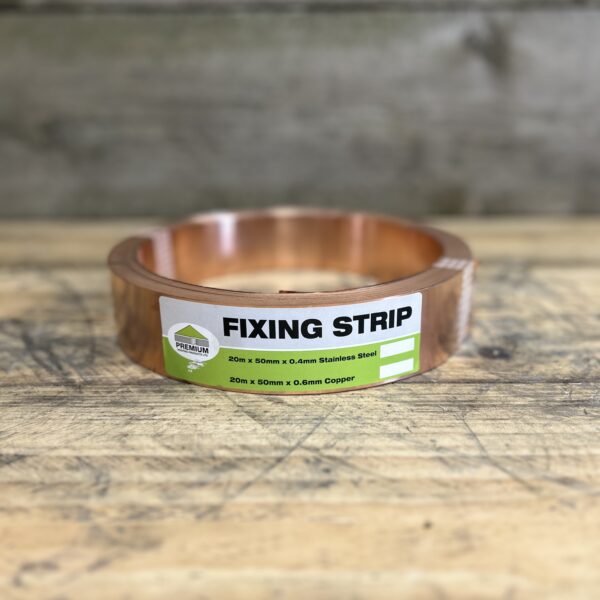
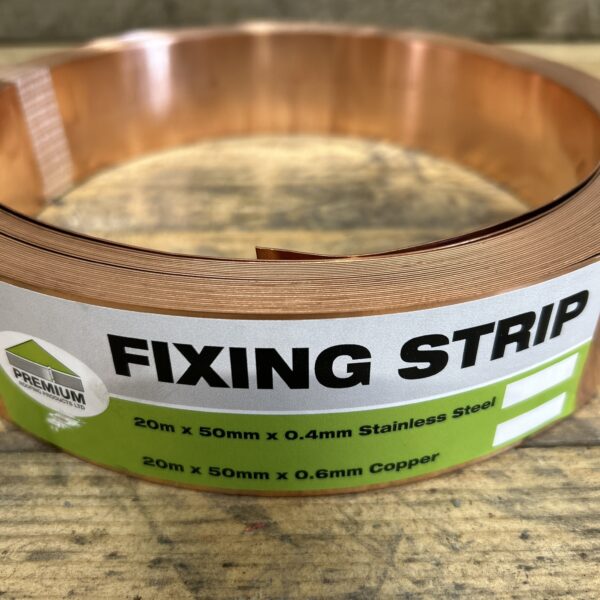
Copper Roof Strips — Natural Moss & Algae Control
Available on backorder
Leadwork Accessories Category
Leadwork Fixings — Copper & Stainless Nails, Fixing Strips, Clips, Sealants & Underlay
Movement-aware detailing
Trade-ready packs
Lead roofing essentials
For flashings, bays & gutters
Leadwork fixings are a vital part of well-detailed, long-lasting lead roofing. This category brings together the core items used to support rolled lead sheet installation, including copper leadwork nails, stainless fixing strips, copper roof strips, chase clips, neutral-cure sealants and smooth slip layers beneath lead weatherings.
If you are ordering lead for Code 3, Code 4, Code 5 or Code 6 work, these accessories are the natural companion products. Correct lead roofing fixings help secure details neatly, control movement, support free edges, finish chases and improve long-term performance on flashings, bays, gutters and other traditional leadwork applications.
Everything you need for durable leadwork
This Leadwork Fixings category brings together the products most commonly used to complete rolled lead sheet details properly: copper and stainless nails for compatible fixing, strips for restraint and rigidity, clips for chase restraint, sealants for neat finishing, and underlays that allow wider lead weatherings to move freely over the substrate.
Correct fixing matters just as much as selecting the right lead code. Lead sheet moves with temperature change, so lead flashing fixings and support materials should be chosen with movement, restraint zones, piece lengths and substrate compatibility in mind. If you are refining technique, the practical guidance at The Lead Lads, service examples at Neal Roofing — Leadwork, and our BS 6915 overview help show how these components work together on site.


Core leadwork fixings and accessories
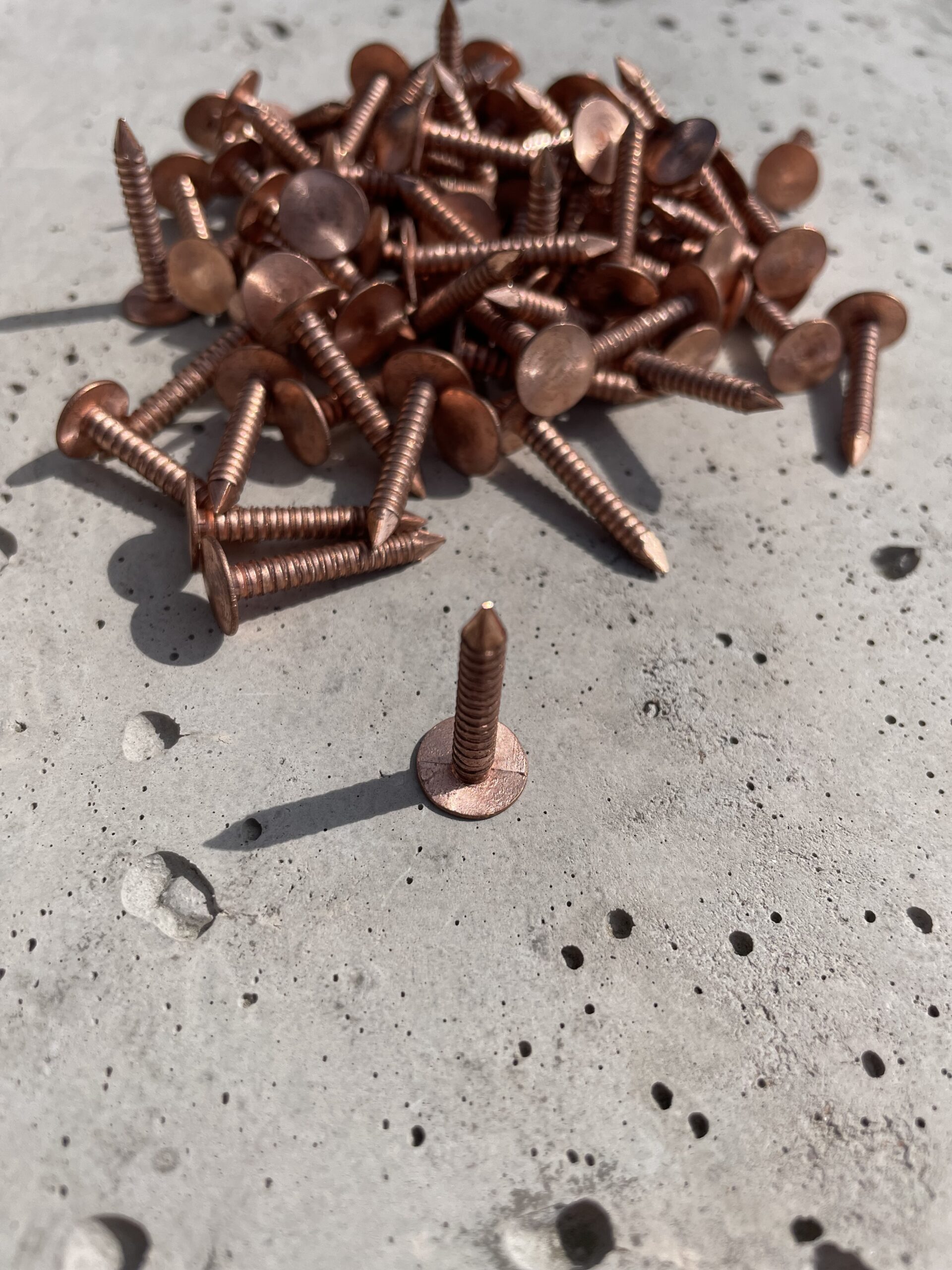
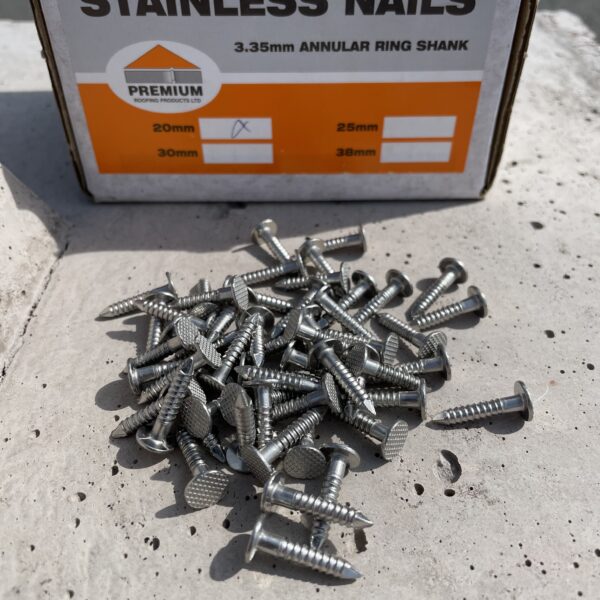
- Copper Leadwork Nails 3.35 x 25 mm — traditional compatible copper fixing for rolled lead sheet into timber substrates.
- Stainless Steel Clip / Stainless Fixing Strip — useful for restraint, support and neat finishing to flashings and associated lead details.
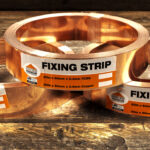
- Copper Roof Strips — used at free edges, as clips and to provide rigidity to welted panels and similar junctions.
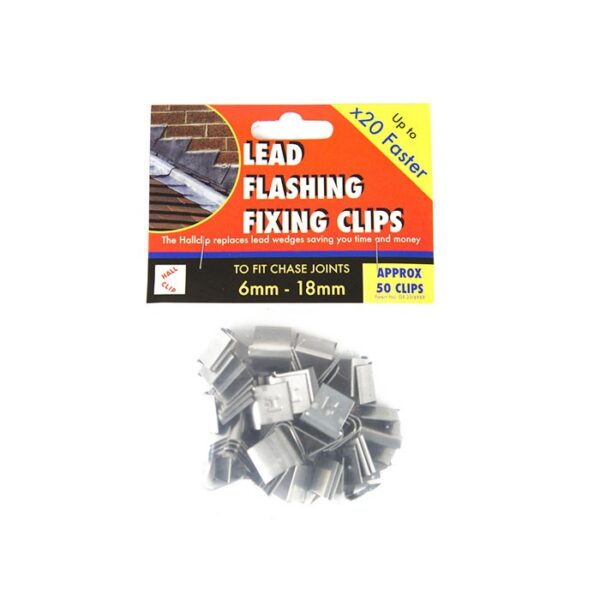
- Hall Clips 50pk — quick and even chase restraint before finishing the joint.
- Lead Mate Sealant — neutral-cure sealant for tidy lead-to-masonry joints and chase finishing.
- Building Paper Lead Underlay — smooth slip layer beneath wider lead weatherings, bays and gutters.
Where these leadwork fixings are commonly used
- Copper leadwork nails — fixing lead sheet into timber substrates on flashings, bays and related details.
- Hall clips — restraining lead flashings evenly in masonry chases before pointing or sealing.
- Copper roof strips — forming clips, supporting free edges and improving rigidity at welted details.
- Building paper underlay — providing a smooth slip layer beneath wider weatherings and movement-prone areas.
- Neutral-cure sealant — finishing joints neatly where a clean sealed chase detail is required.
- Stainless fixing strips — giving continuous restraint where individual fixings are less suitable.
Why movement matters in leadwork fixings
Lead expands and contracts significantly with changes in temperature, so it should be restrained correctly rather than pinned excessively. Good lead roofing fixings help secure details where needed without over-fixing movement zones. Clips, fixing strips, compatible nails and slip layers all contribute to proper performance, particularly on wider weatherings, bays, gutters and parapet details where thermal movement becomes more significant.
Poor fixing choices can contribute to stress, distortion and premature failure. For that reason, lead clips, nails, strips and underlay should always be chosen with the detail, the substrate and the project specification in mind.
Good practice for leadwork fixings
- Place fixings outside movement zones and avoid over-nailing or bridging joints.
- Use slip layers beneath wider weatherings and bays to support expansion and contraction.
- Choose compatible copper or stainless fixings suited to the substrate, exposure and specification.
- Restrain flashings evenly with clips or strips before pointing or sealing the chase.
- Keep piece lengths sensible and align joints with steps, drips, welts and outlets where practical.
- Finish visible elevations with patination oil to reduce early staining and improve presentation.
Which products are most commonly bought together?
For general flashing work, contractors commonly combine copper leadwork nails, Lead Mate Sealant and Hall Clips. For wider or more substantial leadwork, building paper underlay, copper roof strips and stainless fixing strips become increasingly important.
Popular leadwork applications
- Lead flashing repairs and new flashings around chimneys, abutments and stepped walls.
- Lead bay roofs, parapets and gutters where wider pieces require proper restraint and slip layers.
- Traditional welted details requiring free edge support and added rigidity.
- General Code 3, Code 4, Code 5 and Code 6 leadwork installations.
Related leadwork categories
- Code 3 Lead — soakers and lightweight non-exposed detailing.
- Code 4 Lead — general flashings, aprons and common detailing work.
- Code 5 Lead — bays, parapets, gutters and wider weatherings.
- Code 6 Lead — heavy-duty bay roofs, parapet gutters and more substantial heritage work.
- Shop the Lead Chart — compare lead codes, widths and weights before ordering.
Need a leadwork specialist as well as materials?
If you are pricing a chimney flashing replacement, bay roof, parapet detail or wider lead roofing works, visit The Lead Lads for practical guidance and specialist installation support alongside the materials you need.
FAQs — Leadwork Fixings
Should I choose copper or stainless nails?
Both can be compatible with lead. Copper is traditional and widely used in leadwork, while stainless offers strong corrosion resistance. The right choice depends on the substrate, exposure and project specification.
When do I need a fixing strip?
Use a fixing strip where continuous restraint is needed, especially on flashings or details where you want to avoid individual fixings within movement zones.
What are copper roof strips used for?
Copper roof strips are commonly used at free edges, as clips, and to help provide rigidity in welted lead panels and related traditional leadwork details.
Can lead be over-fixed?
Yes. Over-fixing can restrict natural thermal movement and may contribute to stress, distortion or premature failure. Lead should be restrained correctly, not pinned excessively across movement zones.
Mortar or sealant in the chase?
Either may be appropriate depending on the detail. Neutral-cure products such as Lead Mate provide a quick and neat finish, while mortar may be preferred where a more traditional appearance is required.
Quick reference — Leadwork Fixings
| Category | Leadwork Fixings |
|---|---|
| Core items | Nails, clips, fixing strips, sealants, underlay and edge restraint products |
| Use with | Flashings, chases, bay roofs, parapets, gutters, abutments and welted panels |
| Key principles | Movement control, compatible metals, sensible piece lengths, correct restraint and clear drainage |
| Popular products | Copper Leadwork Nails · Copper Roof Strips · Stainless Fixing Strip |
| Good for | Lead flashing fixings, lead roofing fixings, chase restraint, free edge support and slip layers beneath wider weatherings |
| Learn more | The Lead Lads · BS 6915 overview · Neal Roofing — Leadwork |
Image Set on this Page
- Copper roof strips are used at free edges, as clips, and to provide rigidity for welted panels.
- 25mm copper ringshank nails are a leadwork staple used to secure rolled lead sheet into timber substrates.
Suggested internal links from this page
Always follow the project specification. Place fixings outside movement zones, use compatible metals, allow for thermal movement and protect adjacent finishes during installation.