

 Code 3 Lead
 Code 4 Lead
 Code 5 Lead
 Code 6 Lead






Lead Underlay
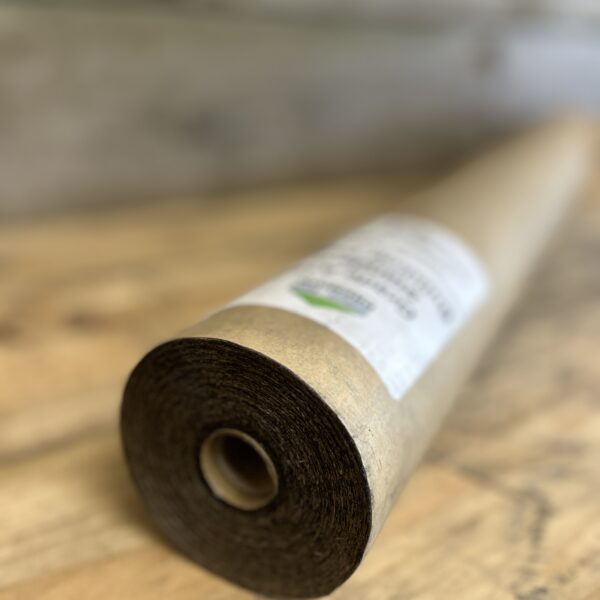
Lead underlay plays a critical role in ensuring rolled lead sheet performs correctly over time. Acting as a separation layer between the lead and its substrate, underlay helps reduce friction, allows for thermal movement and protects both the lead and supporting structure.
Typically used beneath rolled lead sheet in wider weatherings, bays, aprons and gutters, a suitable underlay such as building paper helps prevent abrasion, staining and long-term deterioration caused by direct contact with timber or decking materials.
Supports movement
Protects substrates

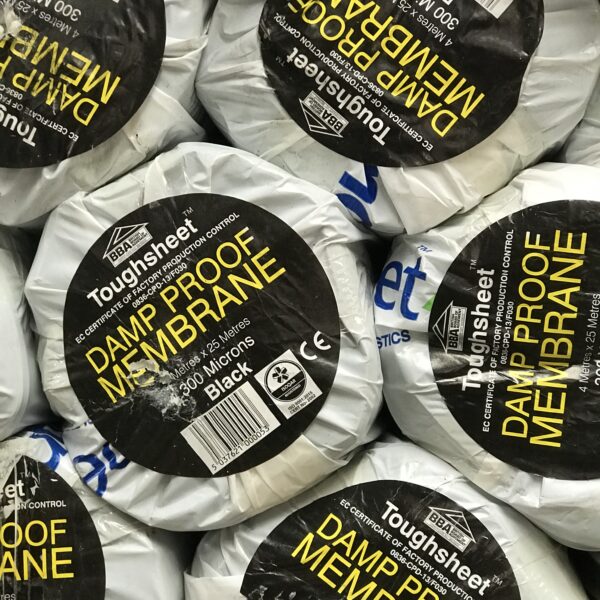
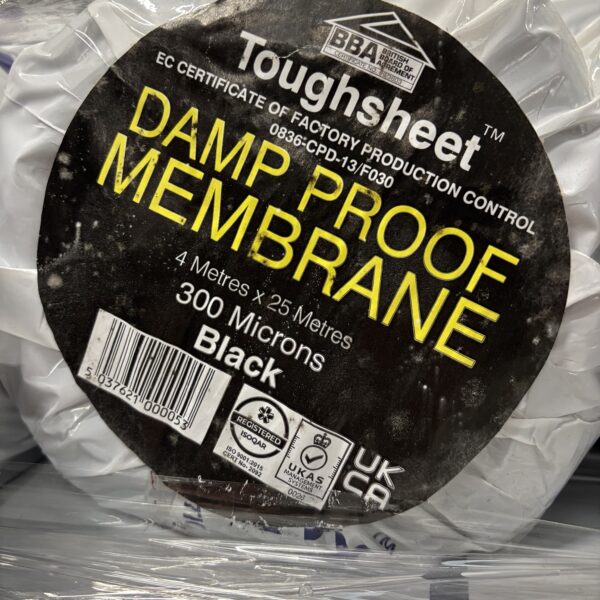


IKO Easyseal VCL – Vapour Control Layer for Warm Roof Construction
In stock
Lead Underlay & Slip Layers — Protecting Substrates and Allowing Lead to Move
Supports thermal movement
Helps reduce underside wear
Ideal for bays, gutters & platforms
Trade-ready formats
Lead underlay and slip layers are used beneath rolled lead sheet to help the metal move freely, protect the substrate and support long-term performance. These products are especially important beneath flat lead bays, parapet gutters, box gutters and wider weatherings where friction, moisture and movement need to be managed properly.
This category has been built for roofers, builders and surveyors who need a suitable underlay beneath rolled lead sheet, whether for new work, repairs, heritage roofing or maintenance details.
Why choose dedicated lead underlay?
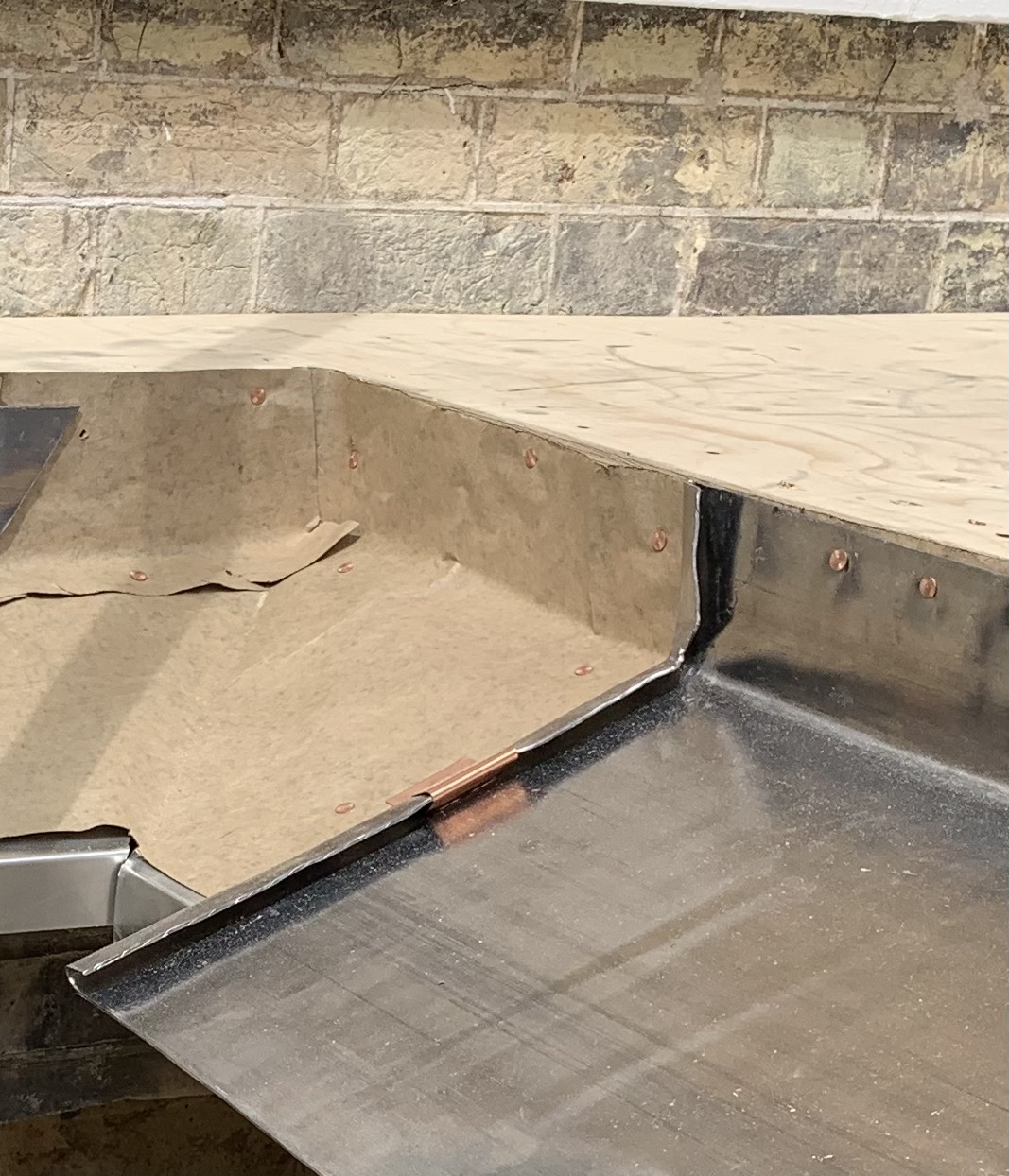
A suitable underlay helps the lead move over the substrate, spreads local pressure, reduces abrasion and lowers the risk of underside corrosion over time. On flat bays, parapet gutters and more substantial details, this separation layer plays an important role in long-term performance.
Rather than relying on generic roofing felt, these products are selected to work alongside correctly detailed lead roll systems, especially on bay roofs, parapet gutters, platforms and traditional leadwork details.
Best-fit uses
- Flat lead bays to dormers, balconies and small roofs.
- Parapet and box gutters formed in Code 5, Code 6 or heavier lead codes.
- Platforms and weatherings on heritage and conservation projects.
- Areas where timber substrates require separation from the lead.
- Any detail where a smooth, continuous slip layer is needed beneath rolled lead sheet.
Choosing the right lead underlay
When selecting a lead underlay, the main considerations are the detail type, the lead code being used, the substrate condition and the need for smooth movement beneath the sheet.
- Location and exposure — gutters and higher-load areas benefit from a robust, continuous underlay.
- Substrate condition — underlay helps separate the lead from minor irregularities in the timber base.
- Bay size and code — larger bays and heavier codes make proper slip layers even more important.
- Moisture management — underlay should support the detail without trapping damaging moisture against the lead.
Use underlay in conjunction with well-prepared substrates, correct bay sizing, proper falls and appropriately detailed drips, rolls and outlets. For wider technical context, review the BS 6915 overview and applied examples at Neal Roofing — Leadwork.
Build a complete leadwork package
- Rolled Lead Sheet — choose the right code for bays, gutters, flashings and platforms.
- Shop the Lead Chart — compare codes, widths and weights before ordering.
- Leadwork Fixings — copper or stainless fixings, clips and restraint products.
- Lead Mate Sealant — neutral-cure sealant for chases and neat finishing.
- Patination Oil — helps reduce white staining on fresh leadwork.
Good practice checklist
- Use lead underlay over smooth, suitable substrates.
- Coordinate underlay choice with lead code and bay size.
- Maintain correct falls and clear drainage paths.
- Use appropriate fixings and keep restraint outside movement zones.
- Do not rely on underlay to compensate for poor detailing or poor substrate preparation.
FAQs — Lead Underlay & Slip Layers
Do I always need an underlay beneath lead?
A slip layer or underlay is strongly recommended beneath most flat bays, parapet gutters and box gutters. It helps the lead move as it expands and contracts, reduces friction against the substrate and supports long-term performance.
Can I use standard roofing felt instead?
Some traditional details have used generic roofing felts, but dedicated lead underlay products are generally preferred because they are selected to work more appropriately with the movement and service-life expectations of lead.
Is lead underlay suitable for heritage projects?
Yes. Heritage and conservation schemes commonly require a suitable slip layer beneath parapet gutters, bays and platforms, provided it aligns with the project specification and conservation approach.
Does underlay replace the need for correct bay sizing?
No. Underlay supports performance, but it does not replace correct design. Bay sizing, falls, detailing and movement control must still be handled properly in accordance with recognised leadwork guidance.
Quick reference — Lead Underlay
| Category | Lead Underlay & Slip Layers |
|---|---|
| Primary function | Support movement, protect substrates and reduce underside wear or corrosion risk |
| Typical uses | Flat bays, parapet gutters, box gutters, platforms and heavy-duty lead details |
| Design notes | Use over smooth substrates, maintain bay sizing and falls, and coordinate with fixings, drips and outlets |
| Related categories | Rolled Lead Sheet · Leadwork Fixings · Lead Chart |
Related pages
Image set on this page
- Lead underlay used beneath rolled lead sheet to protect the substrate and support movement.
- Slip layer beneath a lead roofing detail to reduce friction and support long-term performance.
Always work to the project specification and applicable standards. Prepare substrates carefully, keep drainage paths clear, and coordinate underlay, lead bays and fixings to support long-term performance.