
 Code 3 Lead
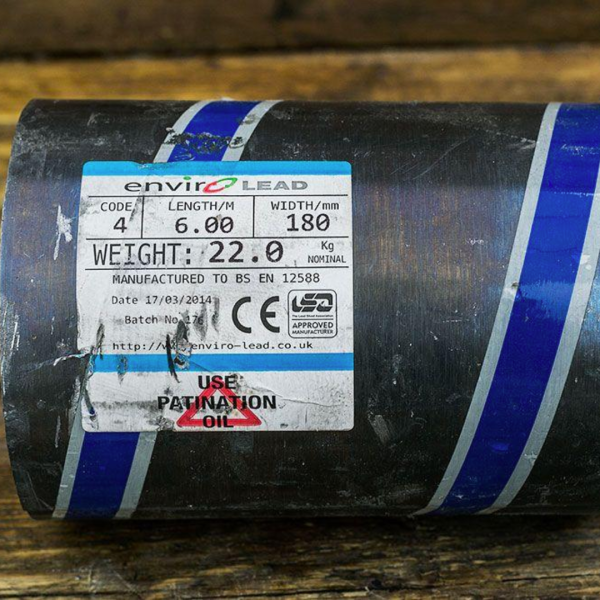
 Code 4 Lead
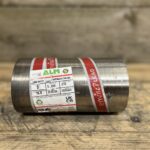 Code 5 Lead
 Code 6 Lead





Lead Flashing — Rolled Lead Solutions for Roof Junctions & Weatherproofing
Code 3 & Code 4 most common
Manufactured to BS EN 12588
Installed to BS 6915
What Is Lead Flashing?
Lead flashing is a critical weathering component used to seal junctions where roofs meet
walls, chimneys, dormers, parapets and other abutments. Properly detailed lead flashing allows for
long-term waterproofing while accommodating thermal movement between different materials.
All lead flashing products supplied here are manufactured as rolled lead sheet to BS EN 12588
and are intended to be detailed and installed in accordance with
BS 6915:2001 + A1:2014.
For regulatory context and best practice, see:
BS 6915 Leadwork Guidance
and the wider technical library in
The Lead Lads Leadwork Guides
,
both produced by specialist contractors.
Common Types of Lead Flashing
- Stepped flashings to masonry abutments
- Cover flashings to chimneys and parapets
- Apron flashings at roof-to-wall junctions
- Secret and back gutters
- Soakers for slate and tile roofs
Most domestic and heritage flashing work is carried out using
Code 3 lead flashing
or
Code 4 lead flashing,
depending on exposure, width, and movement requirements.
Choosing the Correct Lead Flashing
Selecting the correct lead code, width, and roll length is essential for performance and longevity.
Narrower flashings and soakers typically use Code 3, while wider or more exposed details often require Code 4.
To remove guesswork, use our
Shop the Lead Chart
tool to select compliant flashing sizes instantly, whether on site or at the desk.
Installation & Good Practice
- Follow BS 6915 and Lead Sheet Association detailing principles
- Allow for thermal movement with sensible piece lengths
- Avoid fixing through movement zones
- Dress lead carefully to prevent fatigue cracking
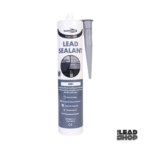
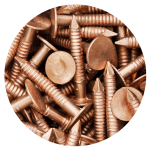
- Use compatible fixings and sealants
Trade customers can access bulk purchasing and project support via
Buy Rolled Lead Sheet (Trade)
,
supported by specialist contractors operating across
Yorkshire and the North of England
.
FAQs — Lead Flashing
What lead code should I use for flashing?
Code 3 and Code 4 are the most common. The choice depends on width, exposure, and movement allowances.
Is lead flashing still best practice?
Yes. When detailed correctly, lead remains the most durable and proven flashing material available.
Can I order lead flashing cut to size?
You can order by roll, width, and code using our Shop the Lead Chart tool for fast, compliant selection.
For technical insight, case studies and standards commentary, visit
The Leadwork Link
.
Quick Reference — Lead Flashing
| Material | Rolled Lead Sheet |
|---|---|
| Standard | BS EN 12588 |
| Installation | BS 6915:2001 + A1:2014 |
| Typical Codes | Code 3 & Code 4 |
| Related Products |
Code 3 Flashing · Code 4 Flashing · Leadwork Fixings |
Always follow project specifications and British Standards. Incorrect flashing selection is a leading cause of premature roof failure.