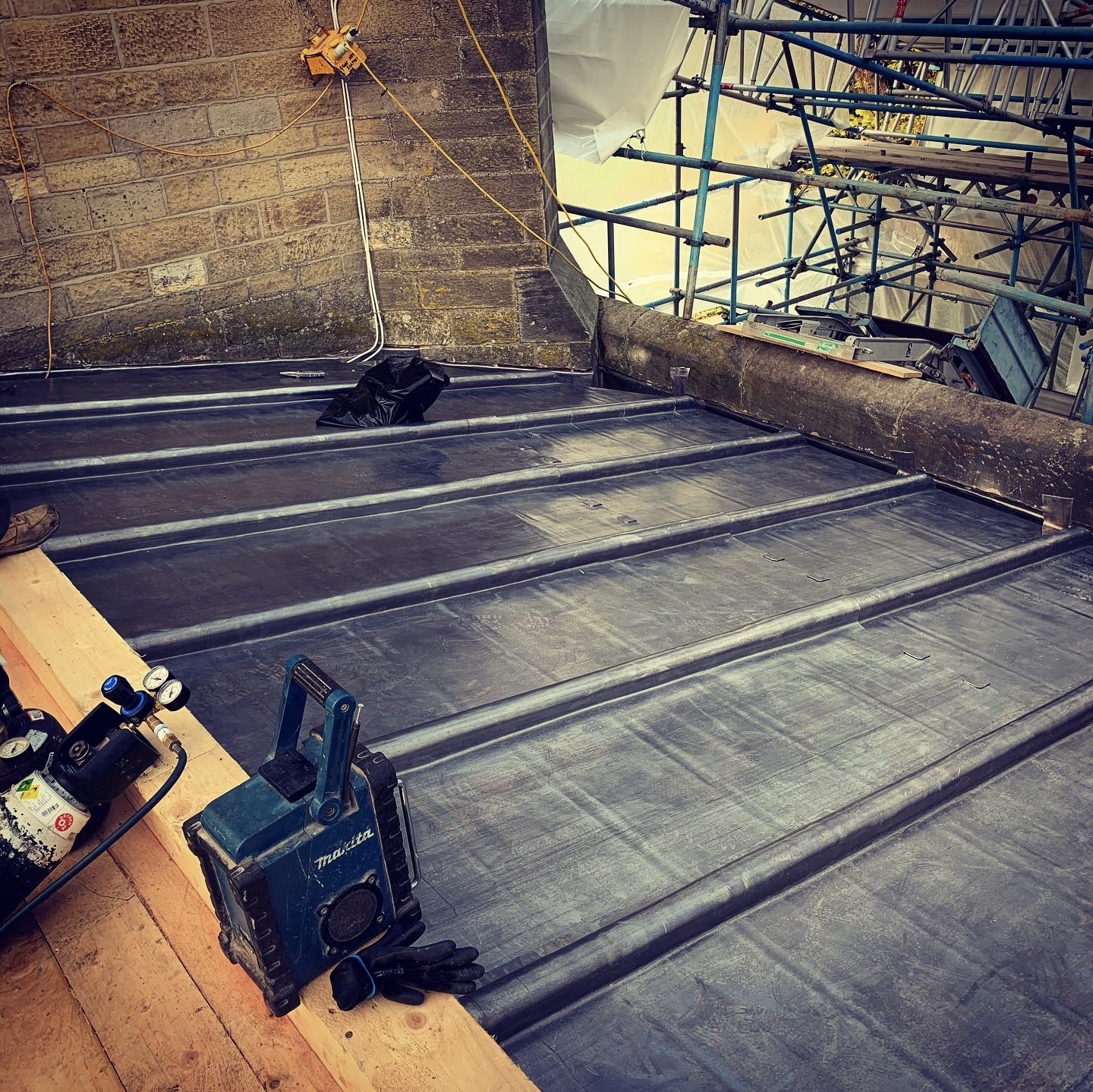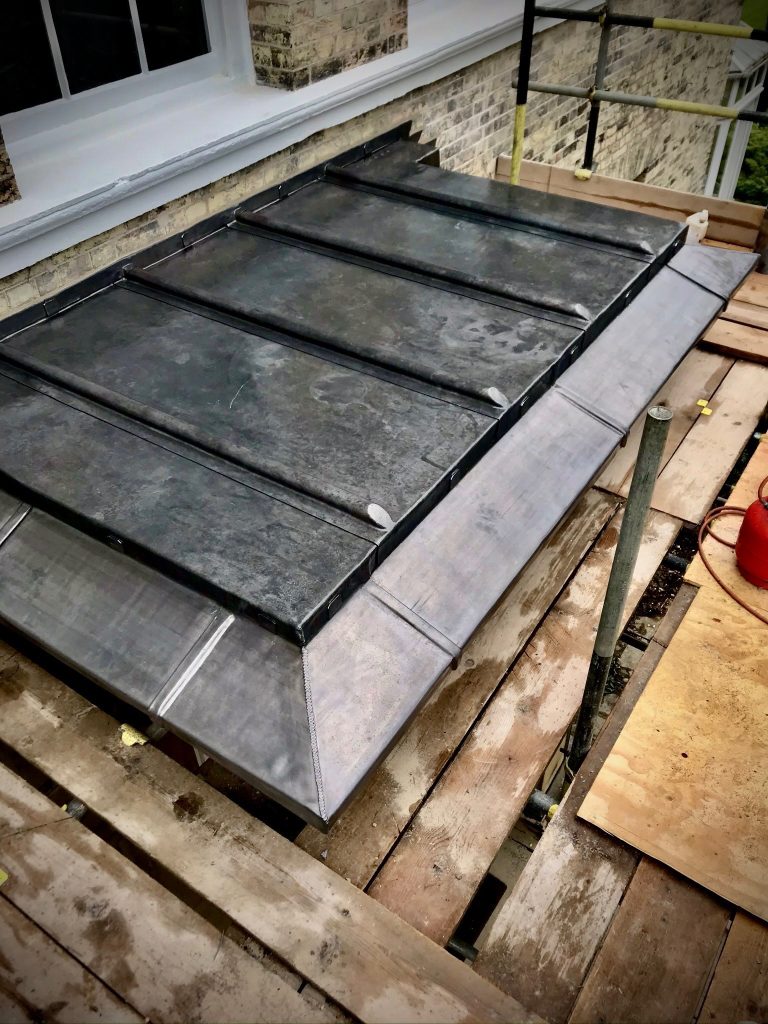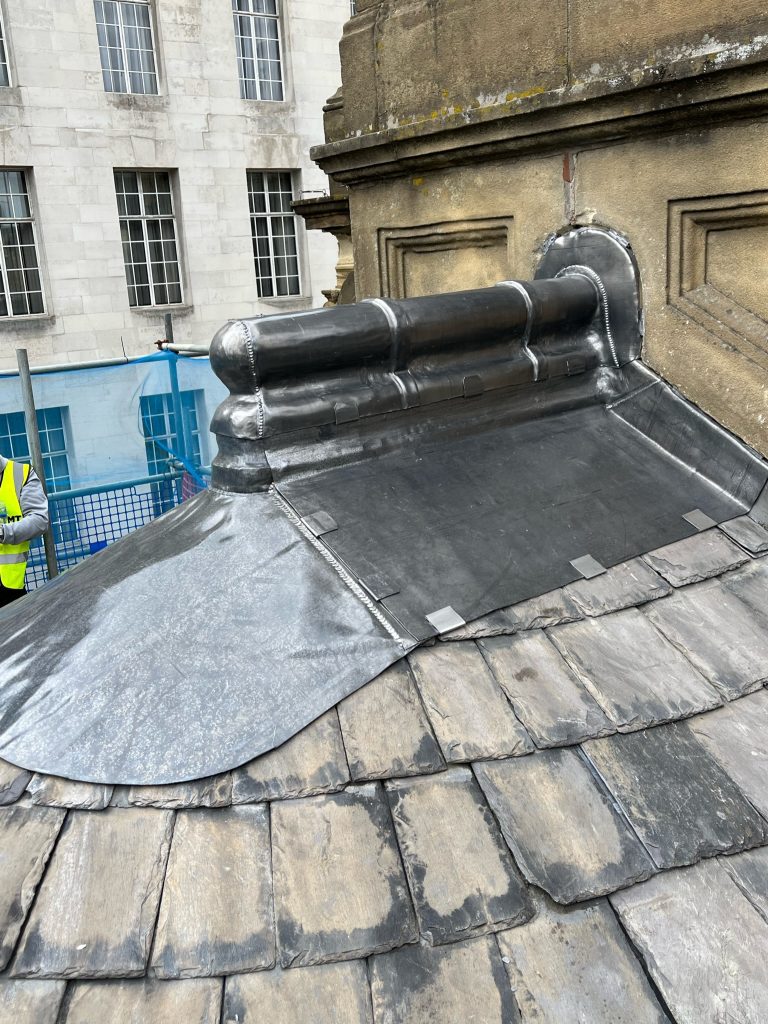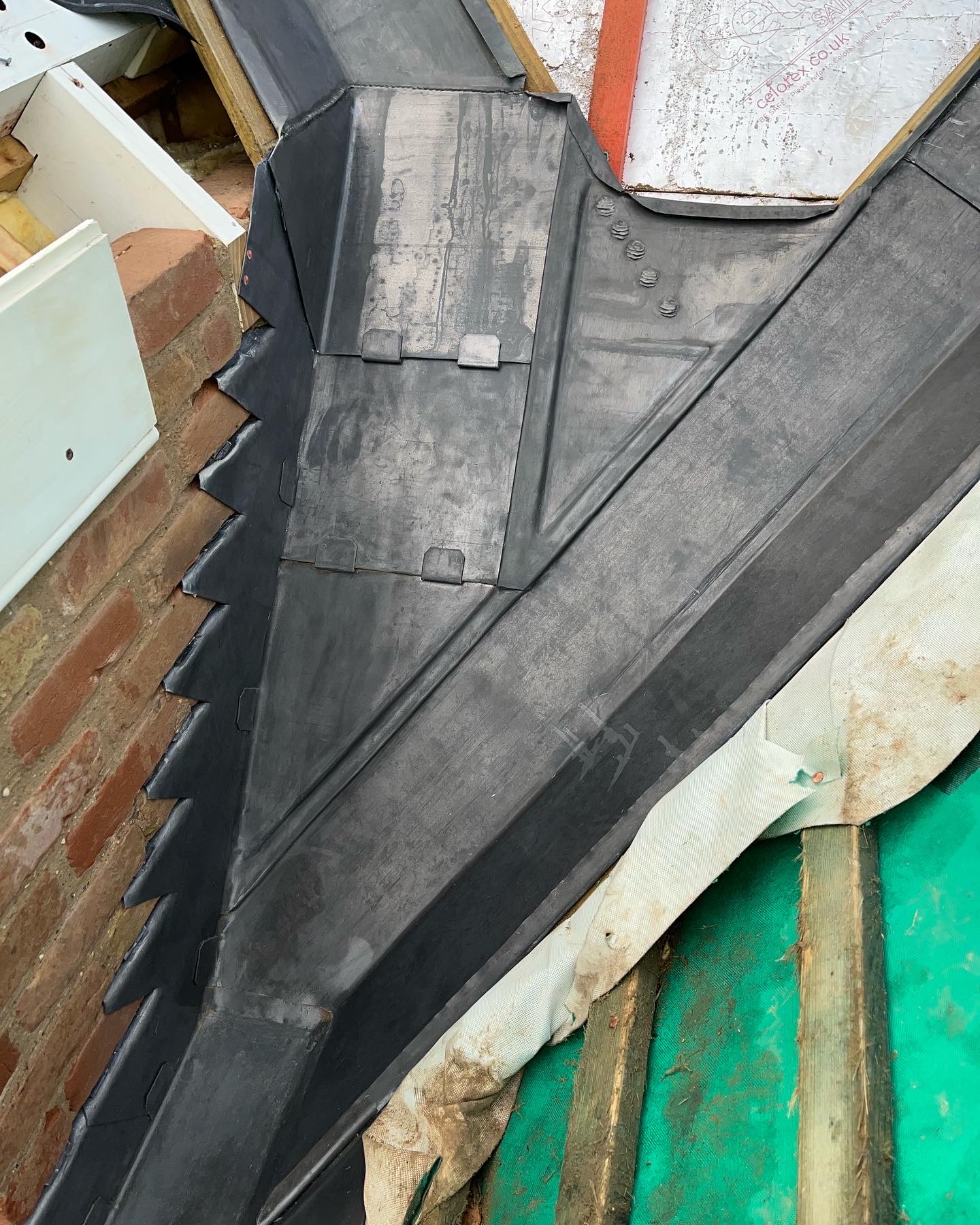

 Code 3 Lead
 Code 4 Lead
 Code 5 Lead
 Code 6 Lead





Lead Roll for Roofing, Flashings, Gutters & Weatherings
Lead roll is used for lead flashings, valleys, gutters, bay roofs, parapets, dormers, cladding panels and traditional roofing details. Available in a range of lead codes, widths and roll lengths, it remains one of the most versatile and durable roofing materials for trade and heritage work.
Use Code 3 lead for soakers and concealed detailing, Code 4 lead for general flashings and aprons, Code 5 lead for bays, gutters and wider weatherings, and heavier codes where the specification requires more robust rolled lead sheet.
3m & 6m rolls
BS EN 12588
Fast UK delivery


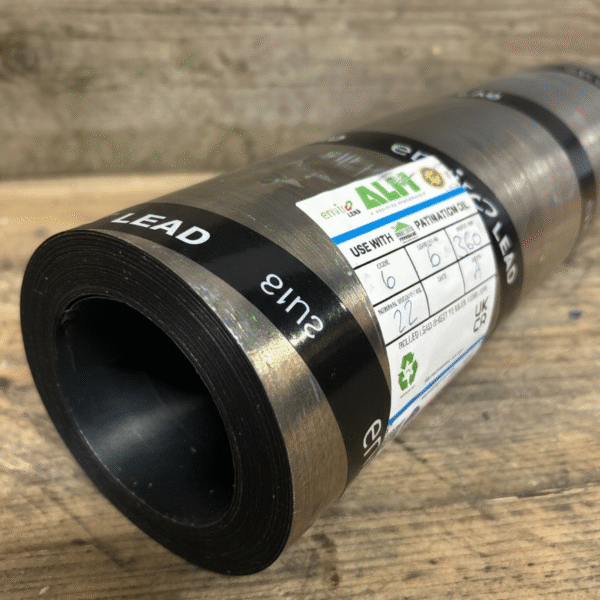
Lead Roll — BS EN 12588 Rolled Lead Sheet for Roofing, Flashings, Bays & Gutters
Lead roll is one of the most durable and versatile materials used in roofing, cladding and traditional weathering work. At The Lead Shop by The Lead Lads, we supply premium lead roll manufactured to BS EN 12588, helping ensure consistent thickness, dependable performance and long service life across domestic, commercial and heritage projects.
Our lead roll range includes Code 3, Code 4, Code 5 and Code 6 rolled lead sheet in practical widths and 3m or 6m roll lengths. Use this category to buy lead roll for flashings, valleys, gutters, parapets, bay roofs, chimney details, cladding interfaces and specialist roof weatherings.
Why choose lead roll for roofing?
Lead roll has remained a trusted roofing material for centuries because it combines weather resistance, malleability and long life in a way few alternatives can match. In modern roofing and cladding, lead roll remains one of the best options for formed detailing, reliable waterproofing and heritage compatibility.
Unlike rigid sheet materials, rolled lead can be dressed, formed, welted and adapted around complex roof junctions. This makes lead roll especially valuable for chimneys, dormers, abutments, parapets, valleys, gutters and traditional roofing interfaces where a flexible but long-lasting material is required.


Typical uses for lead roll
- Roof valleys and pitched roof junctions
- Stepped flashings, cover flashings and chimney flashings
- Chimney aprons, back gutters and secret gutters
- Parapet weatherings, dormers and bay roofs
- Box gutters, gutter linings and outlet details
- Lead cladding panels, welts and heritage roofing work
Lead roll codes available online
We supply the full range of lead roll codes, all manufactured to BS EN 12588. Each code corresponds to a different thickness and weight per square metre, helping you choose the correct lead roll for the exposure, detail size and intended use.
- Code 3 Lead — lightweight lead roll for soakers, covered flashings and concealed details
- Code 4 Lead — general flashing lead roll for aprons, abutments and stepped flashings
- Code 5 Lead — heavier lead roll for bays, parapets, gutters and wider weatherings
- Code 6 Lead — heavy-duty lead roll for larger bays, parapets and specialist details
- Higher lead codes available for specialist and specification-led applications
Lead roll widths and roll lengths
- Widths: commonly 150mm to 1500mm depending on code and stock profile
- Roll lengths: commonly 3m and 6m rolls for manageable site handling
- Use: select width and code based on the detail, exposure and movement requirements
Manufactured to BS EN 12588
Quality matters when buying lead roll. Rolled lead sheet manufactured to BS EN 12588 helps ensure consistent material thickness, weight tolerance and performance across the sheet.
- Uniform thickness and weight tolerance
- Consistent metallurgical performance
- Reliable resistance to corrosion and fatigue
- Traceability and quality assurance for professional use
Lead roll installation and BS 6915 good practice
Good leadwork depends on correct detailing as much as material quality. BS 6915 guidance remains central to the design and installation of fully supported lead sheet roof and wall coverings.
Key principles include correct bay sizing, suitable substrates, thermal movement allowance, compatible fixings, proper jointing, ventilation where required and appropriate use of patination oil.
Why lead roll is still a sustainable choice
- 100% recyclable and reusable without loss of performance
- Long lifespan often measured in decades, and often over 100 years
- Low replacement frequency when correctly detailed and installed
- Circular material value within the roofing and salvage supply chain
Lead roll accessories and complete ordering
A good leadwork installation normally needs more than sheet lead alone. Alongside lead roll, consider ordering leadwork fixings, underlay, sealants, patination oil, clips and compatible nails so the full detail can be completed without delays on site.
Frequently asked questions — Lead Roll
What is lead roll used for?
Lead roll is used for roof flashings, valleys, aprons, bay roofs, gutters, parapets, cladding details and traditional weatherings. The correct code depends on the exposure, width, bay size and detail being formed.
What is the difference between lead roll codes?
Each lead code refers to a different thickness and weight per square metre. Lower codes are used for lighter flashings and soakers, while heavier codes are used for bays, gutters, parapets and more demanding roof details.
What standard should lead roll comply with?
Lead roll should be manufactured to BS EN 12588. Installation design and detailing should also follow recognised leadwork guidance such as BS 6915.
How do I choose the right lead roll?
The correct lead roll depends on the roof detail, exposure, width, bay size and function of the leadwork. Our lead chart is the best place to compare codes, widths and roll lengths.
Quick reference — Lead Roll
| Category | Lead Roll / Rolled Lead Sheet |
|---|---|
| Manufactured to | BS EN 12588 |
| Available codes | Code 3, Code 4, Code 5, Code 6 and higher specialist codes |
| Typical lengths | 3m and 6m lead roll lengths |
| Typical widths | Commonly 150mm to 1500mm |
| Typical uses | Flashings, soakers, aprons, valleys, gutters, bay roofs, parapets and cladding |
| Support pages | Lead Chart · Fixings · BS 6915 Guidance |
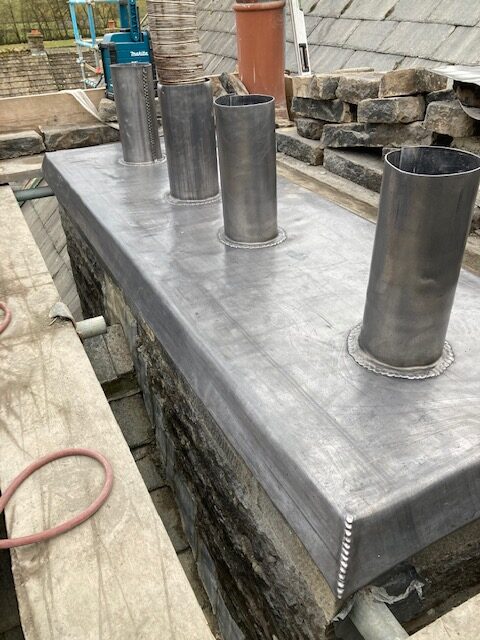
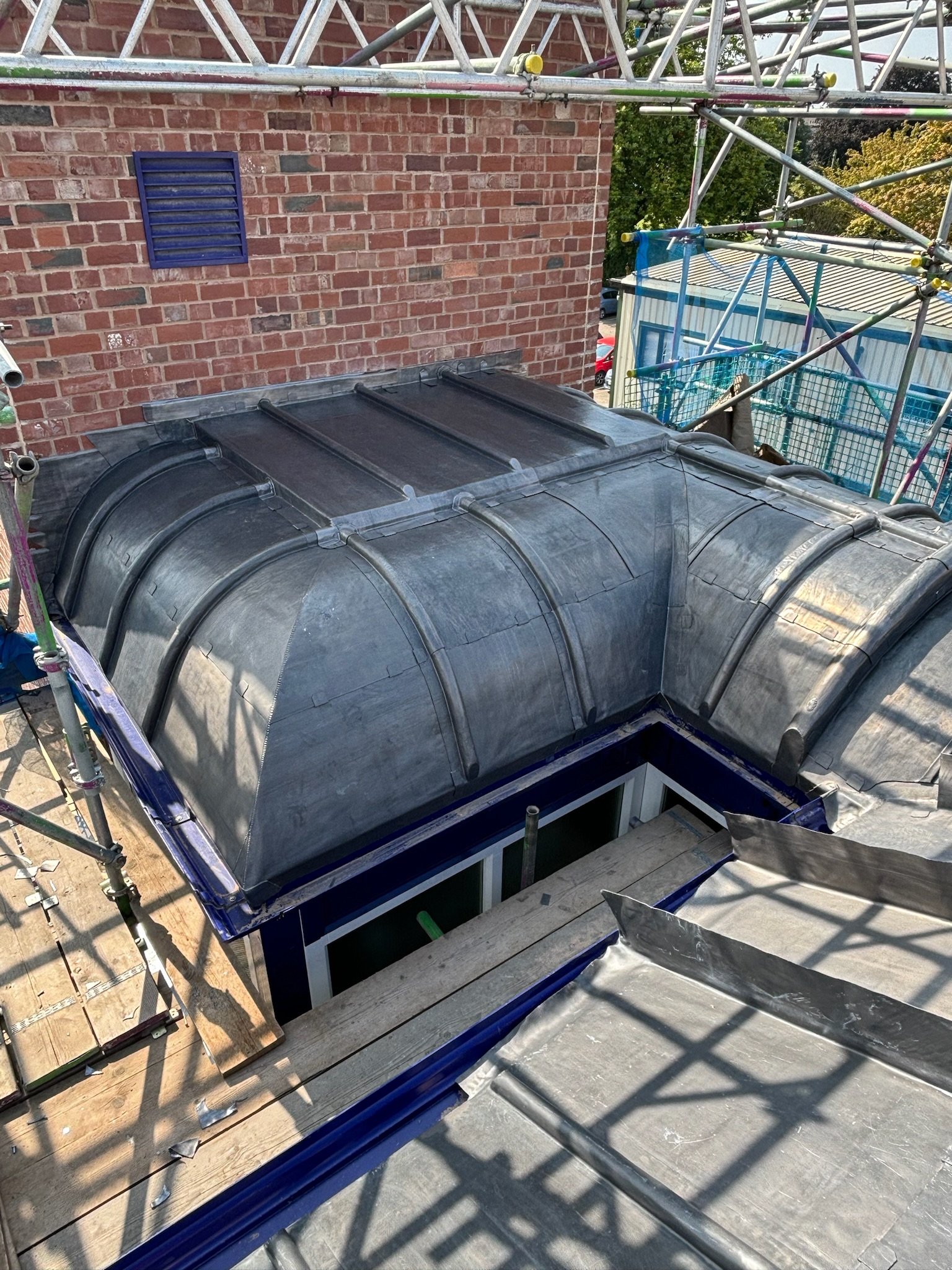
Leadwork examples

Shop lead roll by code
Why lead roll remains trusted
- Durable and corrosion resistant
- Highly malleable for formed details
- Suitable for modern and heritage applications
- Long service life when correctly detailed
- Recyclable and widely reused
Always follow the project specification, recognised standards and good leadwork practice. The correct lead roll code, panel size, support and fixing method all matter to long-term performance.