
 Code 3 Lead
 Code 4 Lead
 Code 5 Lead
 Code 6 Lead





Insulation
Roof insulation is essential to the performance of modern roofing details, helping control heat loss, condensation risk and overall roof build-up performance. Whether you are forming a warm roof, improving a cold roof or upgrading an existing detail, choosing the right insulation is critical.
Used alongside rolled lead sheet, lead underlay and wider roofing materials, the correct insulation helps support compliant roof construction and long-term durability across bays, gutters, dormers and flat roof details.
Condensation control
Roofing performance
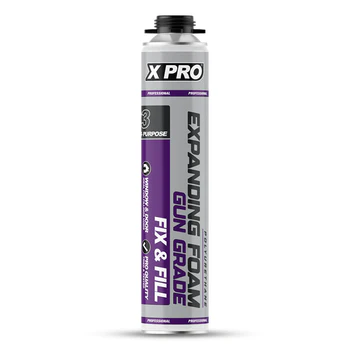
Gun Grade Expanding Foam
In stock
£5.60 each- Gun grade expanding foam for roofing and insulation work
- Ideal for sealing gaps around insulation, penetrations and junctions
- Improves airtightness and reduces draughts
- Helps support effective condensation control
- Professional-grade cartridge for controlled application

Foam Gun Cleaner
In stock
£5.60 each- Foam gun cleaner for insulation and airtightness work
- Removes uncured expanding foam from applicators
- Helps maintain smooth, controlled foam application
- Extends the working life of foam guns
- Professional-grade aerosol can
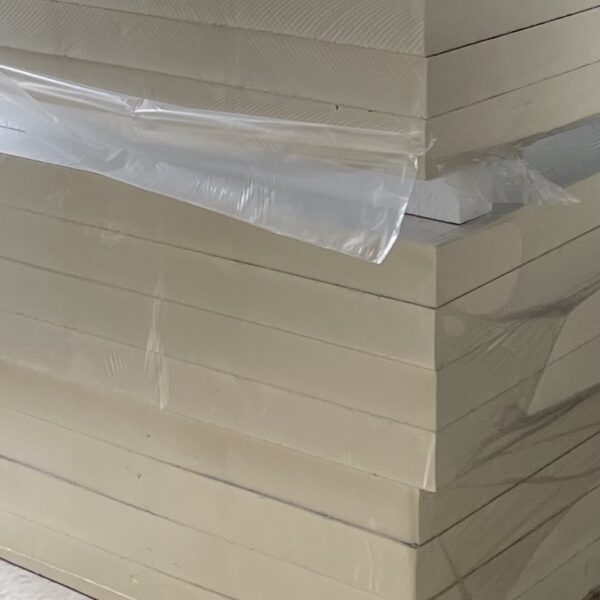
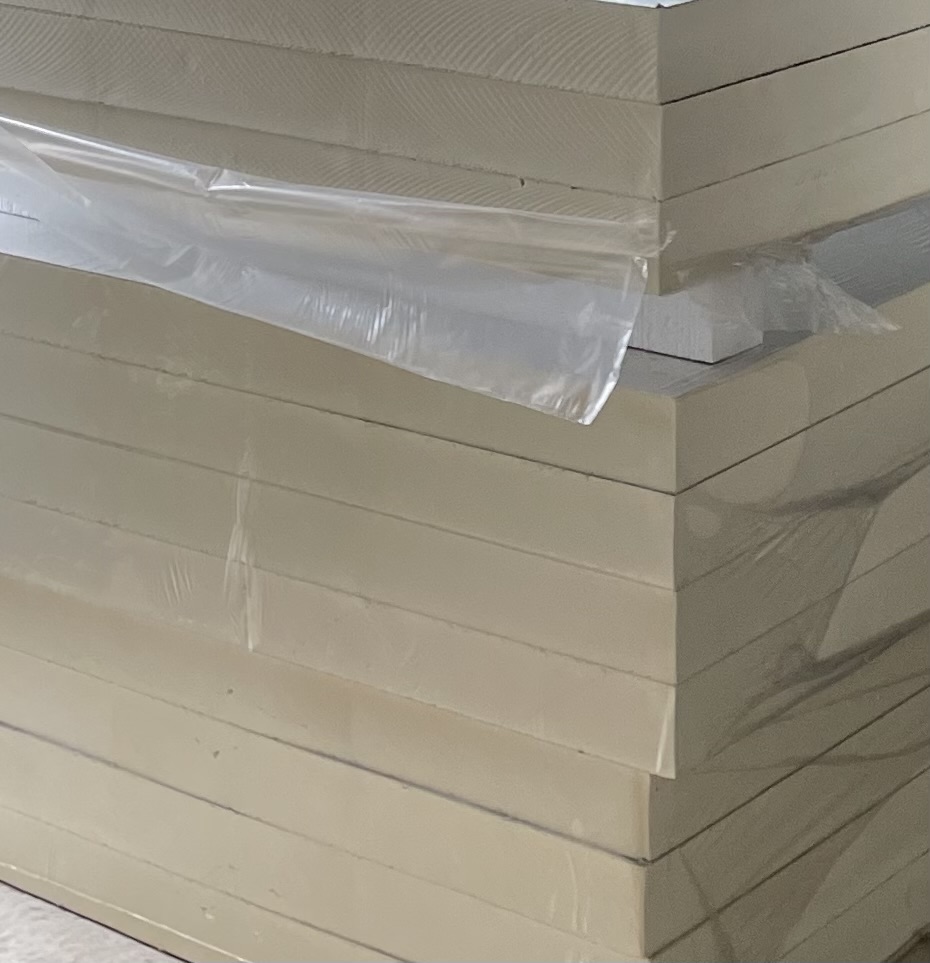
25mm Rigid Insulation Board 1200×2400
In stock
£16.80 each- 25mm rigid insulation board suitable for roofing and upgrade work
- Sheet size: 1200mm × 2400mm, sold per sheet
- Ideal where insulation depth is limited or build-ups must remain slim
- Helps improve thermal performance and reduce condensation risk
- Lightweight, easy to cut and simple to install on site

50mm Rigid Insulation Board 1200×2400
In stock
£25.57 each- 50mm rigid insulation board for roofing and refurbishment projects
- Sheet size: 1200mm × 2400mm, sold per sheet
- Provides increased thermal performance over thinner boards
- Supports effective condensation control when correctly detailed
- Easy to handle, cut and install on site
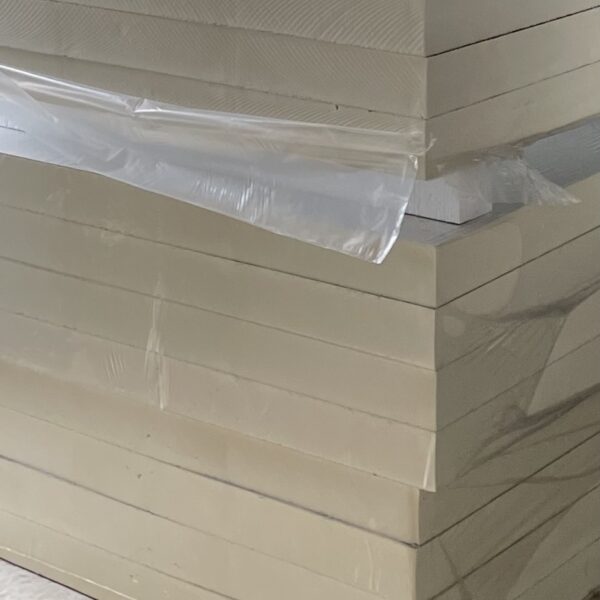
100mm Rigid Insulation Board 1200×2400
In stock
£44.56 each- 100mm rigid insulation board for high-performance roofing applications
- Sheet size: 1200mm × 2400mm, sold per sheet
- Provides a high level of thermal resistance
- Supports effective condensation control in warm roof designs
- Suitable for major refurbishments and energy-efficiency upgrades
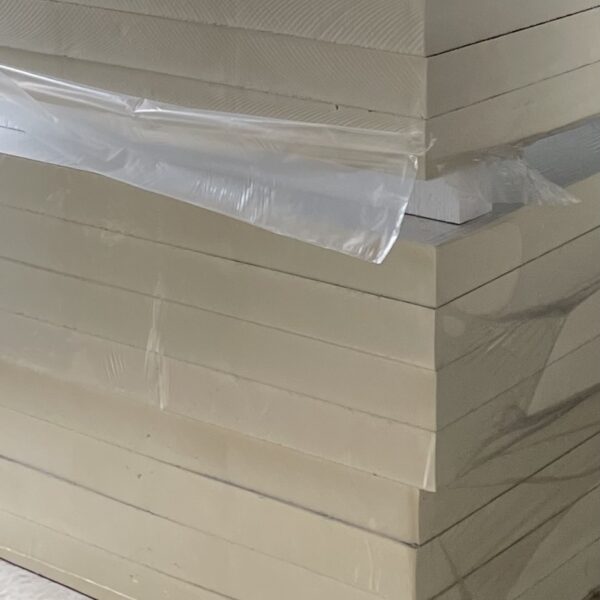
150mm Rigid Insulation Board 1200×2400
In stock
£68.24 each- 150mm rigid insulation board for maximum roofing performance
- Sheet size: 1200mm × 2400mm, sold per sheet
- Provides very high levels of thermal resistance
- Ideal for warm roofs and deep retrofit upgrades
- Supports long-term condensation control when correctly detailed
Roof Insulation & Condensation Control
This category is built for one outcome: healthier roofs with lower condensation risk.
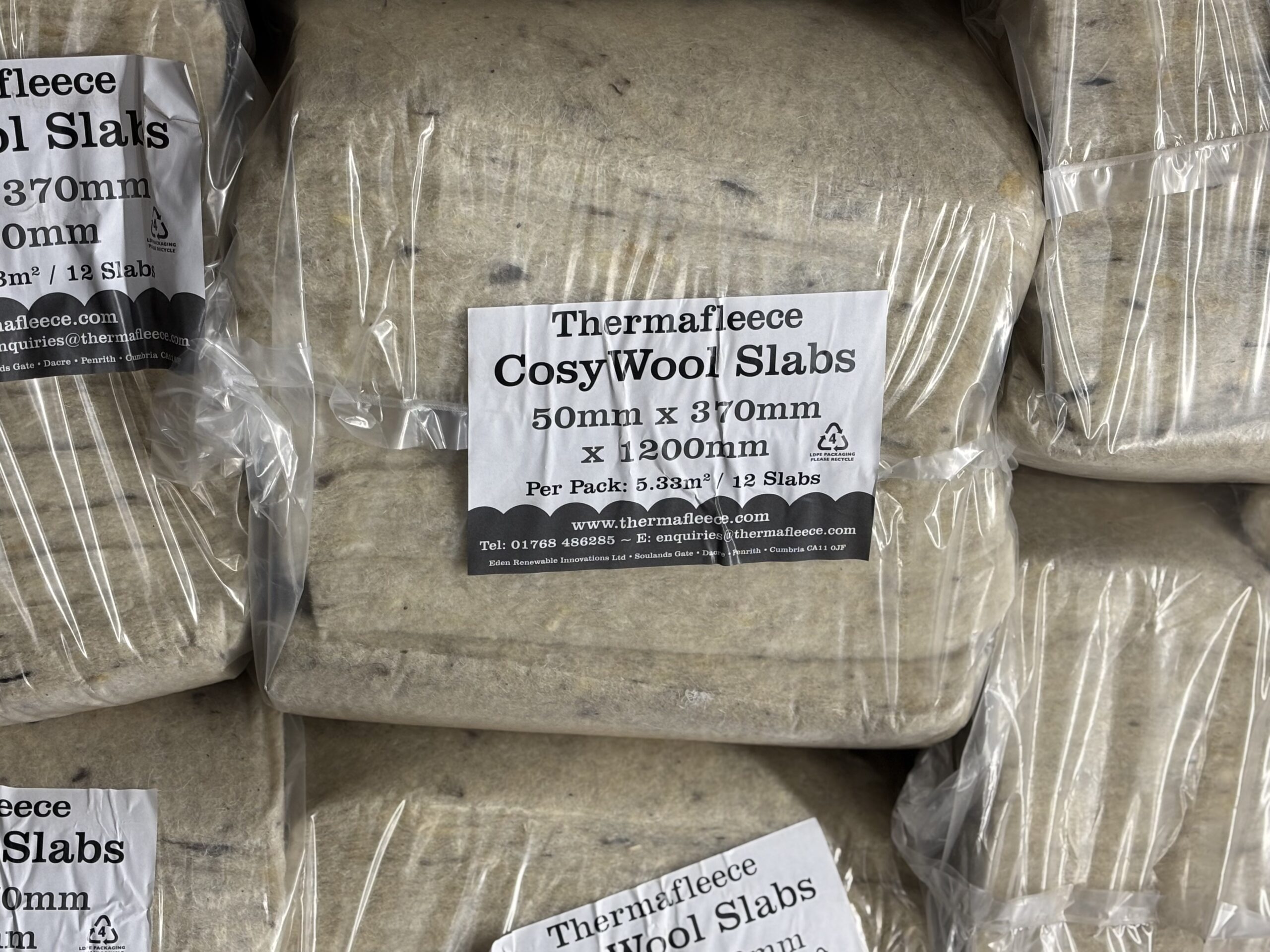
We stock rigid insulation boards for predictable thermal improvement, sheepswool insulation for breathable retrofit solutions,
and ventilation accessories (including products like insect mesh) to support correct airflow where a ventilated build-up is required.
- Rigid Board Insulation
- Sheepswool Insulation
- Ventilation & Insect Mesh
- Condensation Control Focus
- Fast UK Delivery
- Trade Pricing Available
What You’re Buying Here (and why it matters)
Condensation problems usually come from a mismatch between heat flow, moisture movement, and air leakage.
Insulation changes the temperature profile through the roof, but ventilation and breathable materials can also play a key role—especially in retrofit work where you’re working with existing rafters, ceilings, and unknown layers.
High performance, consistent thickness, ideal where you need predictable thermal results.
Breathable, moisture-buffering, helpful for certain refurb and cold roof applications.
Air paths, insect mesh and accessories to support vented roof designs without pest ingress.
Typical scenarios we stock for
- Cold roof voids needing breathable insulation + dependable ventilation paths
- Warm roof upgrades using rigid boards to keep the structure warmer
- Retrofit problem-solving where condensation risk must be reduced without major rebuild
- Roof detailing around penetrations where air leakage and moisture tracking are common
If you’re unsure which route to take, start with your roof type (cold/vented vs warm/unvented),
then choose insulation and ventilation components that work together. For hands-on help, see
The Lead Lads.
In-stock product images
Rigid Insulation Boards — Thickness Comparison
Use this quick comparison to choose the right thickness for your roofing job. The aim is simple:
improve thermal performance while supporting a build-up that manages moisture correctly. Thicker boards generally
improve performance, but the “best” choice depends on available depth, detailing constraints and overall roof design.
| Thickness | Sheet Size | Best For | Condensation Control Notes | Shop |
|---|---|---|---|---|
| 25mm | 1200 × 2400 | Slim build-ups, secondary layers, tight detailing where depth is limited. | Improves surface temperatures when used correctly; pay attention to airtightness and junction detailing. | View 25mm |
| 50mm | 1200 × 2400 | General roofing upgrades; a strong balance of depth vs performance. | A practical step-up where you want meaningful improvement without a deep build-up. | View 50mm |
| 100mm | 1200 × 2400 | High-performance warm roofs, major refurbishments, energy upgrades. | Higher thermal resistance supports stable build-ups; ensure vapour/air control strategy is coherent. | View 100mm |
| 150mm | 1200 × 2400 | Maximum performance targets, deep retrofit, demanding specs. | Excellent thermal improvement but requires careful detailing at edges/levels; coordinate falls and junction heights. | View 150mm |
This table is a practical selector. Final performance depends on the full roof build-up:
airtightness, vapour management and (where relevant) ventilation continuity.
How Insulation, Breathability and Ventilation Reduce Condensation
Roof condensation occurs when warm, moisture-laden air reaches a colder surface and drops below dew point.
Good outcomes come from controlling the three main drivers: air leakage, vapour movement, and surface temperature.
Insulation helps by keeping internal surfaces warmer. Breathable insulation can help buffer intermittent moisture.
Ventilation products help remove moist air from voids where a vented design is used.
Which insulation type suits your job?
- Rigid boards: Best when you need predictable thermal performance and controlled thickness. Often used where space is limited and U-values are targeted.
- Sheepswool: A breathable option that can buffer moisture and suit some retrofit and cold-roof void scenarios, especially where you’re aiming for a “forgiving” build-up.
- Ventilation products (incl. insect mesh): Useful when design relies on airflow at eaves/ridges or within voids—mesh helps keep ventilation openings free from pests while maintaining airflow.
Common condensation triggers (and what to do)
- Unsealed ceiling penetrations: Moist air bypassing insulation via downlights, loft hatches, cable routes. Seal and detail carefully.
- Blocked ventilation: Compressed insulation at eaves or missing vents; insect mesh helps keep ventilation openings functional without allowing pests.
- Mixed layers in retrofit: Multiple membranes/foils can trap moisture. Choose compatible materials and avoid unintended vapour traps.
- Insulation gaps: Thermal bridging and cold spots increase risk. Fit correctly, cut neatly, and maintain continuity.
If you’re working with rolled lead sheet, remember that correct separation layers and detailing matter too.
See roof underlay and fixings to complete the system.
For installation support: Lead Lads |
Heritage work: Neal Roofing.
FAQs — Insulation, Ventilation & Condensation
Is insulation alone enough to stop roof condensation?
Not always. Condensation control usually needs a joined-up approach: insulation (temperature), airtightness (air leakage), and either vapour control layers or ventilation (moisture management) depending on the roof design.
Rigid boards or sheepswool — which is best?
Rigid boards give predictable thermal performance and consistent thickness. Sheepswool is breathable and can buffer moisture, which can be helpful in some retrofit and vented roof scenarios. The “best” option depends on your build-up and moisture strategy.
Why use insect mesh with roof ventilation?
Insect mesh helps keep ventilation paths open while preventing insects and pests entering the roof void. It’s a simple add-on that supports consistent airflow and reduces the chance of vents being compromised over time.
What else should I buy alongside insulation?
Most projects need compatible membranes/underlays, fixings, tapes or sealants for continuity at junctions. If you’re ordering lead-related components too, add underlay and fixings to avoid delays.