Why choose Building Paper Lead Underlay?
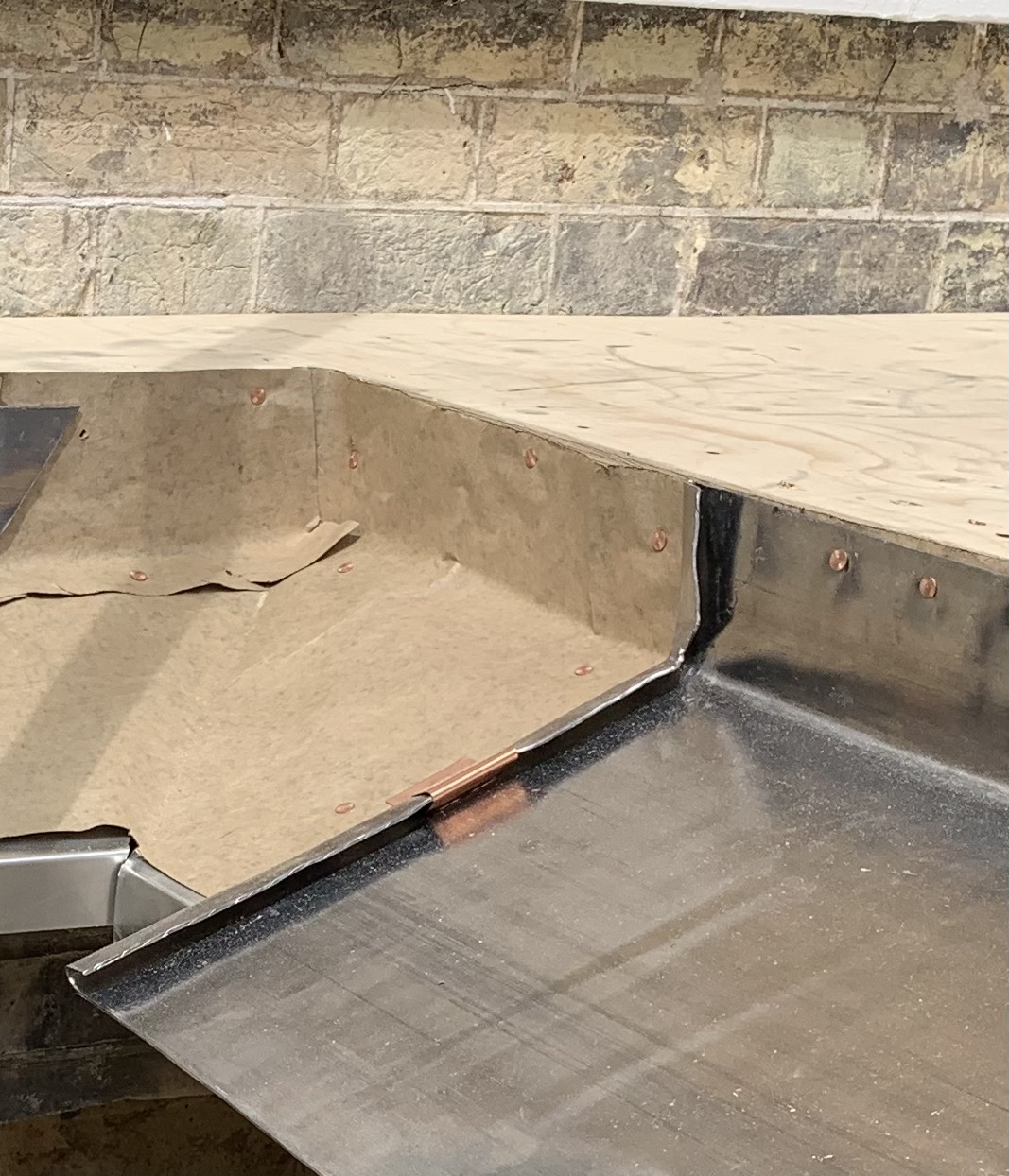
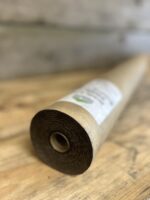
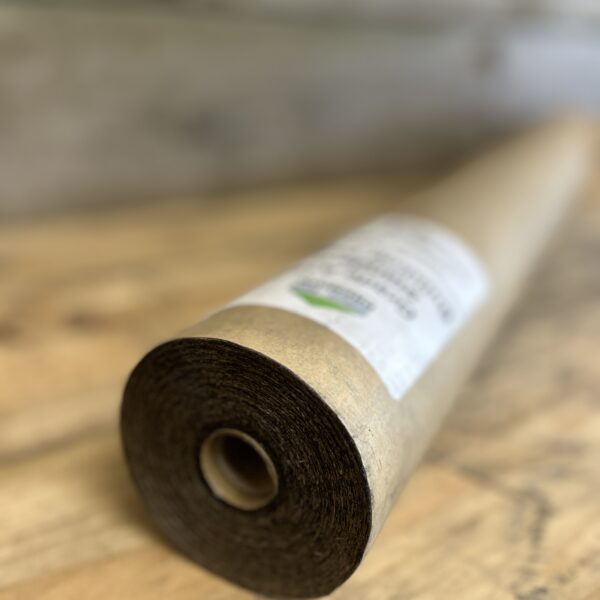
Building Paper Lead Underlay creates a smooth, low-friction interface beneath sheet lead and lead flashings. Used as a slip layer over timber boards, decks or suitable backgrounds, it helps the lead move more freely as temperatures change, reduces underside abrasion and can help cut down noise on exposed lead details.
Whether you are laying bays, aprons, parapet weatherings, gutters or longer flashing details, Building Paper Lead Underlay helps improve the interface between the lead and the substrate. It is a simple but important part of a properly considered leadwork build-up.
Trade-led benefit: underlay helps the lead behave more predictably over time by improving movement, reducing abrasion and supporting a neater finished detail.
Key benefits
- Supports movement: provides a slip layer so lead can expand and contract more freely.
- Reduces abrasion: helps protect the underside of the lead from rough substrates.
- Can reduce drumming: useful beneath exposed bays and weatherings.
- Versatile application: suitable beneath bays, aprons, gutters, parapets and abutment flashings.
- Easy to use on site: practical rolls that are simple to cut, lay and lap.
Where Building Paper Lead Underlay is commonly used
Building Paper Lead Underlay is commonly used beneath bay roofs, dormer cheeks, parapet and cornice weatherings, lead gutters, aprons and longer flashing runs. On refurbishment work, it can help provide a more consistent interface over older or mixed substrates. On new-build projects, it supports cleaner movement behaviour and a more predictable installation.
How to install Building Paper Lead Underlay
- Prepare the surface: ensure the substrate is sound, reasonably dry and free from sharp protrusions.
- Lay the underlay flat: position the roll neatly with minimal wrinkling.
- Lap sensibly: arrange overlaps in a practical sequence relative to the fall and detail.
- Secure lightly if needed: avoid proud fixings that could affect the lead above.
- Install the leadwork: complete the sheet lead detail in line with the design and specification.
Good practice and leadwork guidance
Underlay is an important support layer, but it does not replace correct detailing. Long-term performance still relies on correct lead code selection, sensible bay sizes, proper movement allowance, good support, appropriate fixings and sound weathering design.
For wider leadwork guidance, review
The Lead Lads — BS 6915 overview,
Neal Roofing — BS 6915 Leadwork
and
Neal Roofing’s leadwork service page.
Best results on site
- Lay it as flat and cleanly as possible.
- Keep laps neat and practical for the detail.
- Avoid sharp fixings or debris beneath the lead.
- Use it as part of a full leadwork system, not in isolation.
- Match the underlay to the lead code, substrate and weathering design.
Complete the leadwork system
Building Paper Lead Underlay is often ordered alongside Rolled Lead, leadwork fixings, clips, nails and sealants so the full detail can be completed properly and efficiently.


 Code 3 Lead
 Code 4 Lead
 Code 5 Lead
 Code 6 Lead
















Reviews
There are no reviews yet.