Why Code 5 850mm 3m Roofing Lead is the go-to bay size
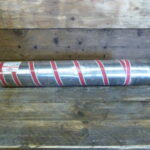
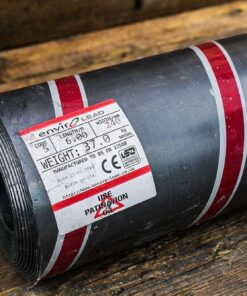
Code 5 850mm 3m Roofing Lead is widely regarded as the most common roll size used to form traditional lead bays
laid at 600 mm centres between timber (wood) rolls. Put simply: if you are building a classic rolled lead roof with
wood rolls at 600s, this width is typically the most efficient and practical starting point.
The reason is geometry and workflow. With rolls set out at 600 mm centres, you need enough sheet width to dress up and over the rolls,
form the bay, and maintain tidy margins without ending up tight on material (or wasting excessive offcuts). The 850 mm width
has become a standard because it generally suits this traditional layout while keeping handling sensible and bay formation consistent.
For deeper detail guidance on rolled lead roof design, bay sizing and correct movement detailing, see the resources at
The Lead Lads and the
BS 6915 proper leadwork explainer.
Best-fit uses
- Lead bays between wood rolls set out at 600 mm centres (the classic rolled lead roof layout).
- Traditional rolled lead roofs on porches, dormers, flat roofs and heritage-style detailing.
- Refurbishment works where you are matching existing roll centres and bay proportions.
- Compact bay panels where Code 5 provides a strong balance of workability and durability.
- Projects prioritising a clean visual rhythm across bays and rolls.
Planning notes: bays, movement and slip layers
A rolled lead roof performs when each bay is correctly sized and allowed to move. Avoid over-fixing and keep fixings out of movement zones.
Under bays, use a smooth Building Paper Lead Underlay (slip layer) to reduce underside abrasion
and help the sheet slide rather than buckle. Form drips/rolls correctly, keep drainage clear, and sequence the work so water sheds cleanly.
For real-world examples of finished lead bay work, see
Neal Roofing — Leadwork.
Recommended complementary products
To build a consistent bay system, pair Code 5 850mm 3m Roofing Lead with:
Lead Wood Rolls (for roll forming),
Building Paper Lead Underlay (slip layer),
Copper ARS Nails or
Stainless Ringshank Nails (fixings),
and Patination Oil for clean early-life presentation.
Note: Bay sizing and details should follow your project specification and recognised good practice. The “most common” guidance here reflects typical rolled lead roof layout at 600 mm centres between wood rolls.


 Code 3 Lead
 Code 4 Lead
 Code 5 Lead
 Code 6 Lead







Reviews
There are no reviews yet.