

 Code 3 Lead
 Code 4 Lead
 Code 5 Lead
 Code 6 Lead





6m Lead Flashing Roll – Code 3, Code 4, Code 5 & Code 6 Lead Sheet

6m Lead Flashing Roll – Code 3, Code 4, Code 5 & Code 6 Lead Sheet
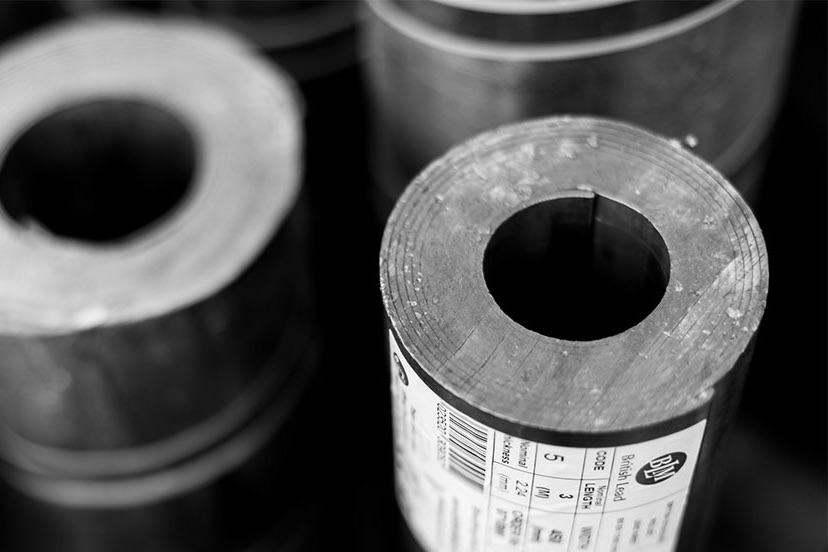
A 6m lead flashing roll is a practical choice for contractors, roofers and trade buyers who need longer lengths of rolled lead sheet for repeated flashing work, larger projects or more efficient cutting. Compared with 3m rolls, a six metre format can reduce the number of separate rolls required, improve material continuity and provide better cutting efficiency where the same width is being used repeatedly.
At The Lead Shop by The Lead Lads, we supply 6m lead flashing roll options across multiple widths in Code 3, Code 4, Code 5 and Code 6 lead sheet. This guide explains which lead code to choose, how much a 6 metre roll weighs, when a 6m roll is more efficient than a 3m roll, and how to move from technical selection directly into purchase.
Why choose a 6m lead flashing roll?
A 6m lead flashing roll is generally chosen when efficiency matters more than individual roll convenience. For contractors carrying out repeated chimney details, long runs of flashing, larger roof packages or multiple similar properties, the six metre format can make very good commercial sense.
- More material per roll: useful for repeat cutting across larger jobs.
- Fewer roll changes: reduces interruption where the same code and width are used repeatedly.
- Improved cutting efficiency: helpful where multiple standard-size pieces are required.
- Trade-oriented format: particularly useful for roofing contractors using regular flashing widths.
- Potentially lower waste: where the full roll is planned against repeated details before cutting.


Which code should I choose for a 6m lead flashing roll?
Roll length does not determine the lead code. The correct 6m lead flashing roll still needs to match the function of the roofing detail. Lead code defines the thickness and mass of the material, while the roll length simply determines how much sheet you have available to cut and form.
| Lead code | Approx. thickness | Approx. mass | Typical 6m roll use | Shop |
|---|---|---|---|---|
| Code 3 | 1.32mm | 14.97kg/m² | Soakers, concealed work and high-volume lighter detailing | Code 3 |
| Code 4 | 1.80mm | 20.41kg/m² | General exposed flashing work, chimneys and abutments | Code 4 |
| Code 5 | 2.24mm | 25.40kg/m² | Wider aprons, more substantial weatherings and heavier details | Code 5 |
| Code 6 | 2.65mm | 30.05kg/m² | Heavy-duty specialist, heritage and demanding weathering work | Code 6 |
6m lead flashing roll weights
Weight is one of the most important practical considerations when buying a 6m lead flashing roll. Lead is extremely dense, so doubling the roll length from 3m to 6m roughly doubles the roll weight for the same code and width.
The formula is straightforward:
The table below gives approximate weights for several commonly used widths.
| Width | Code 3 | Code 4 | Code 5 | Code 6 |
|---|---|---|---|---|
| 150mm | Approx. 13.5kg | Approx. 18.4kg | Approx. 22.9kg | Approx. 27.0kg |
| 180mm | Approx. 16.2kg | Approx. 22.0kg | Approx. 27.4kg | Approx. 32.5kg |
| 210mm | Approx. 18.9kg | Approx. 25.7kg | Approx. 32.0kg | Approx. 37.9kg |
| 240mm | Approx. 21.6kg | Approx. 29.4kg | Approx. 36.6kg | Approx. 43.3kg |
| 300mm | Approx. 26.9kg | Approx. 36.7kg | Approx. 45.7kg | Approx. 54.1kg |
| 450mm | Approx. 40.4kg | Approx. 55.1kg | Approx. 68.6kg | Approx. 81.1kg |
These weights demonstrate why handling needs to be considered before ordering wider 6m rolls, especially in Code 5 and Code 6.
6m lead flashing roll vs 3m lead flashing roll
There is no universally better format. A 6m roll is more efficient where the material will be used repeatedly, while a 3m roll is often easier for smaller projects and restricted access.
| Consideration | 6m lead flashing roll | 3m lead flashing roll |
|---|---|---|
| Material quantity per roll | Higher | Lower |
| Handling | Heavier and more demanding | Easier |
| Transport | Requires more vehicle/storage length | More convenient |
| Repeat cutting | Excellent | Good |
| Trade-volume work | Often more efficient | May require more individual rolls |
| Small repair work | Can be excessive | Usually more practical |
When does a 6m lead roll make commercial sense?
For trade buyers, the decision usually comes down to expected usage. If several lengths of the same width and code are needed across one job, buying a 6m lead flashing roll can reduce interruptions and improve cutting efficiency.
Typical examples include:
- multiple chimney stacks on the same property
- repeated stepped flashings on housing schemes
- larger refurbishment projects
- multiple dormers or roof junctions
- repeat soaker production
- larger heritage or commercial roofing packages
Code 3 6m lead flashing roll
Code 3 6m lead flashing roll is particularly useful where contractors need repeated concealed soakers or other lighter protected leadwork. Because Code 3 is approximately 1.32mm thick, it remains significantly lighter than heavier codes and is therefore much more manageable in a six metre format.
Code 3 is commonly used beneath slates and tiles rather than as a broad exposed flashing. For normal visible flashings, Code 4 lead is generally the more appropriate starting point.
Code 4 6m lead flashing roll
A Code 4 6m lead flashing roll is one of the most commercially useful trade formats for everyday roofing. Code 4 is approximately 1.80mm thick and is widely used for exposed chimney flashings, stepped abutments and cover flashings.
Six metre rolls make particular sense where a contractor expects to cut several flashing pieces from one continuous roll. The weight remains manageable in narrower widths, although wider Code 4 rolls still require sensible lifting and handling arrangements.
Code 5 6m lead flashing roll
Code 5 6m lead flashing roll provides a heavier format for more substantial roofing details. At approximately 25.40kg/m², Code 5 is commonly used for wider aprons, back gutters, parapet weatherings and other applications that benefit from additional stiffness and durability.
Weight becomes especially important here. A 300mm wide Code 5 6m roll weighs around 45.7kg before packaging, while wider formats can become significantly heavier. This should be considered before selecting a six metre format purely for convenience.
Code 6 6m lead flashing roll
A Code 6 6m lead flashing roll is firmly in the heavier-duty end of rolled lead sheet. Code 6 weighs approximately 30.05kg/m² and is used for demanding specialist, heritage and larger weathering applications where the specification requires a heavier material.
At wider sizes, 6m Code 6 rolls can become extremely heavy. Contractors should therefore balance the efficiency of the longer roll against realistic lifting, access and storage arrangements.
Common widths for a 6m lead flashing roll
The most useful width depends entirely on the detail being formed. Common flashing widths include 150mm, 180mm, 210mm, 240mm and 300mm, with larger widths used for more substantial aprons, back gutters and weatherings.
| Width | Common application | Likely code |
|---|---|---|
| 150mm | Smaller cover and stepped flashings | Code 4 |
| 180mm | Soakers and general flashing work | Code 3 or Code 4 |
| 210mm | Abutments, chimney sides and stepped flashing work | Code 4 |
| 240mm–300mm | Deeper cover flashings and larger junctions | Code 4 or Code 5 |
| 450mm+ | Aprons, back gutters and substantial weatherings | Code 5 or heavier where specified |
What can a 6m lead flashing roll be used for?
- Repeated stepped and cover flashing work
- Chimney apron components
- Back gutter sections
- Slate and tile soakers
- Dormer weatherings
- Wall abutments
- Parapet details
- Roof repairs across larger refurbishment schemes
- Repeated trade work using the same code and width


Planning cuts from a 6m lead flashing roll
The biggest practical advantage of a longer roll comes from planning. A contractor who knows the approximate lengths required before cutting can often make much better use of a 6m roll than someone working reactively.
For example, a 6m roll could potentially be divided into several shorter flashing pieces with relatively little offcut, depending on the actual detail. This is especially useful for repetitive housing, chimney work and maintenance programmes.
BS EN 12588 and 6m rolled lead sheet
Whether you buy a 3m or 6m lead flashing roll, the material specification remains important. Rolled lead sheet should be manufactured to BS EN 12588, providing consistent code, thickness and mass characteristics.
Installation should then follow recognised leadwork principles, including suitable piece lengths, adequate laps, controlled fixing and appropriate allowance for thermal movement.
Handling and storage of 6m lead rolls
The additional length and weight of a 6m lead flashing roll mean handling should be considered before delivery rather than once the material arrives.
- Check the approximate roll weight before ordering.
- Plan unloading and movement to the working area.
- Store rolls securely on a suitable level surface.
- Avoid damaging or deforming roll edges during handling.
- Use appropriate lifting arrangements where wider/heavier rolls exceed comfortable manual handling limits.
The Lead Weight Calculator is especially useful here because it allows the buyer to assess roll weight before selecting the final code and width.
What else should be ordered with a 6m lead flashing roll?
Depending on the work, a complete lead flashing package may also require:
Buy a 6m lead flashing roll online
The easiest route to the correct 6m lead flashing roll is our Shoppable Lead Chart. Choose your code, compare widths and move directly into the relevant product route.
If handling weight is important, calculate the roll first using the Lead Weight Calculator. For a broader overview of all available rolled lead sheet, browse the Lead Roll category.
Frequently asked questions – 6m Lead Flashing Roll
Is a 6m lead flashing roll better value than a 3m roll?
It can be more efficient where significant quantities of the same code and width are required. The real benefit comes from improved cutting efficiency and fewer individual rolls, rather than roll length alone.
How heavy is a 6m lead flashing roll?
Weight depends on both the width and lead code. For example, a 300mm Code 4 6m roll weighs approximately 36.7kg, while a 300mm Code 5 6m roll is around 45.7kg.
What is the most common code for a 6m lead flashing roll?
Code 4 is one of the most common specifications for general exposed flashing work. Code 3 is widely used for concealed soakers, while Code 5 and Code 6 are used for heavier and more demanding applications.
Can I use Code 3 as exposed lead flashing?
Code 3 is normally used for concealed applications such as soakers. For most general exposed flashings, Code 4 is a more suitable starting point.
Should I choose a 3m or 6m lead roll?
Choose 3m for easier handling, smaller projects and one-off work. Choose 6m where repeat cutting, larger projects or trade-volume use makes the additional material per roll worthwhile.
How do I choose the correct width?
The correct width depends on the required cover, upstand, lap, roof covering and overall junction geometry. Use the Lead Chart to compare available widths against your chosen lead code.
Where can I calculate the weight before ordering?
Use the Lead Lads Lead Weight Calculator to enter the code, width and roll length and calculate the approximate roll weight before purchase.