

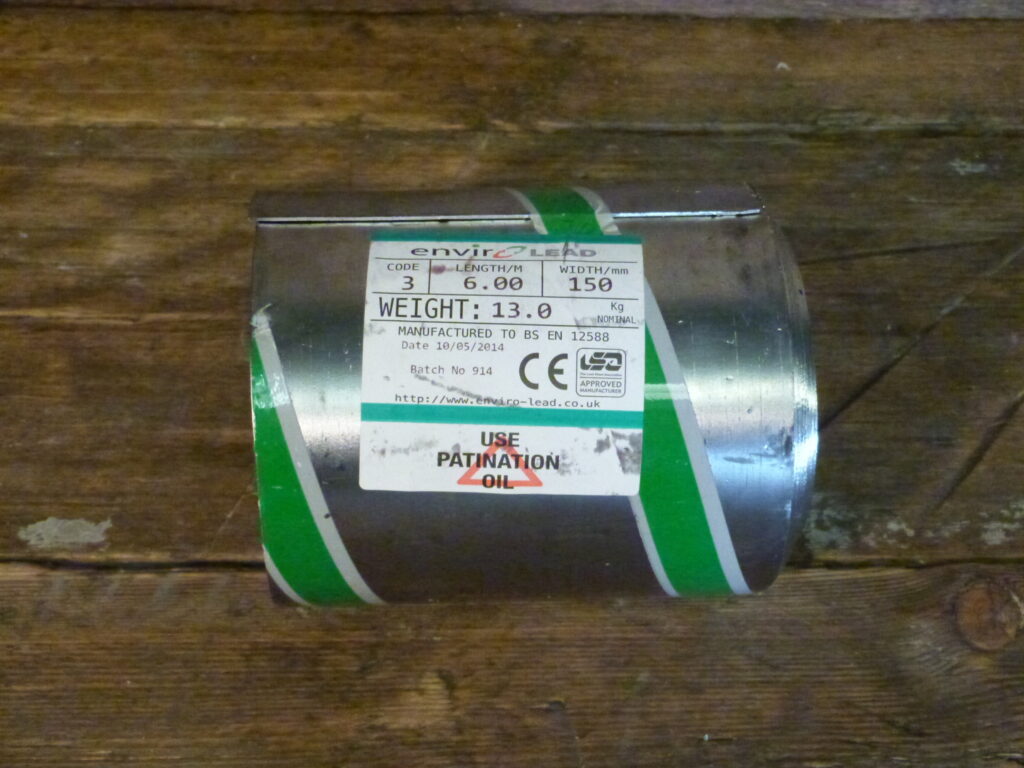
 Code 3 Lead
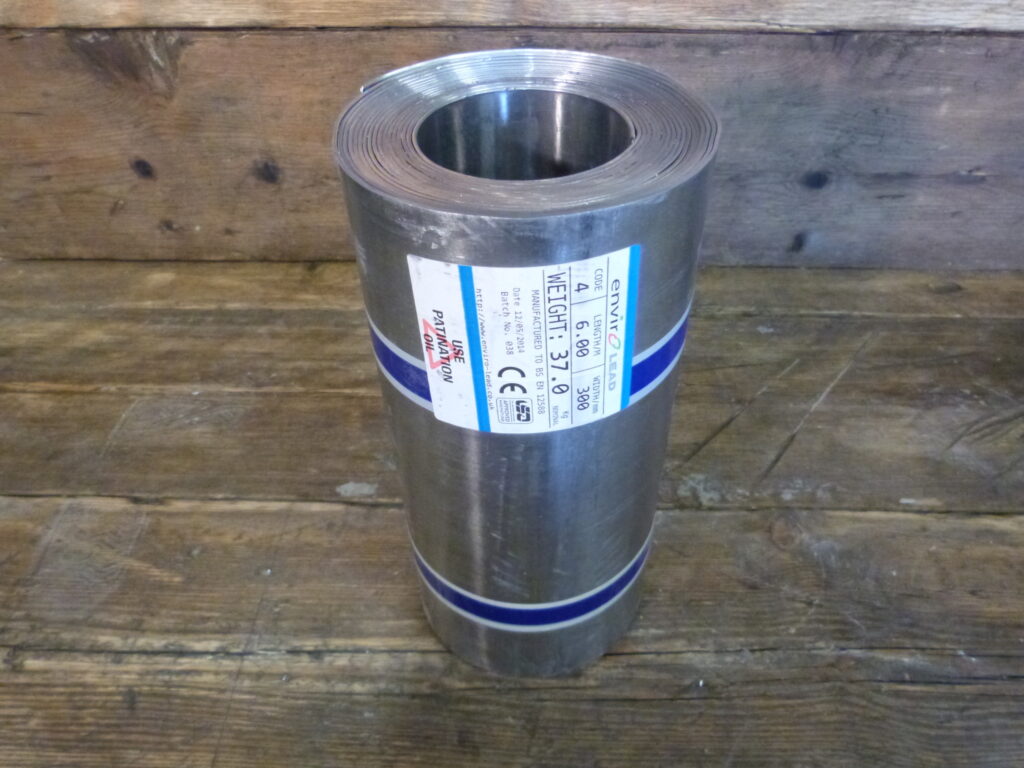
 Code 4 Lead
 Code 5 Lead
 Code 6 Lead




Rolled Lead Sheet Codes (BS EN 12588): Buyer’s Guide

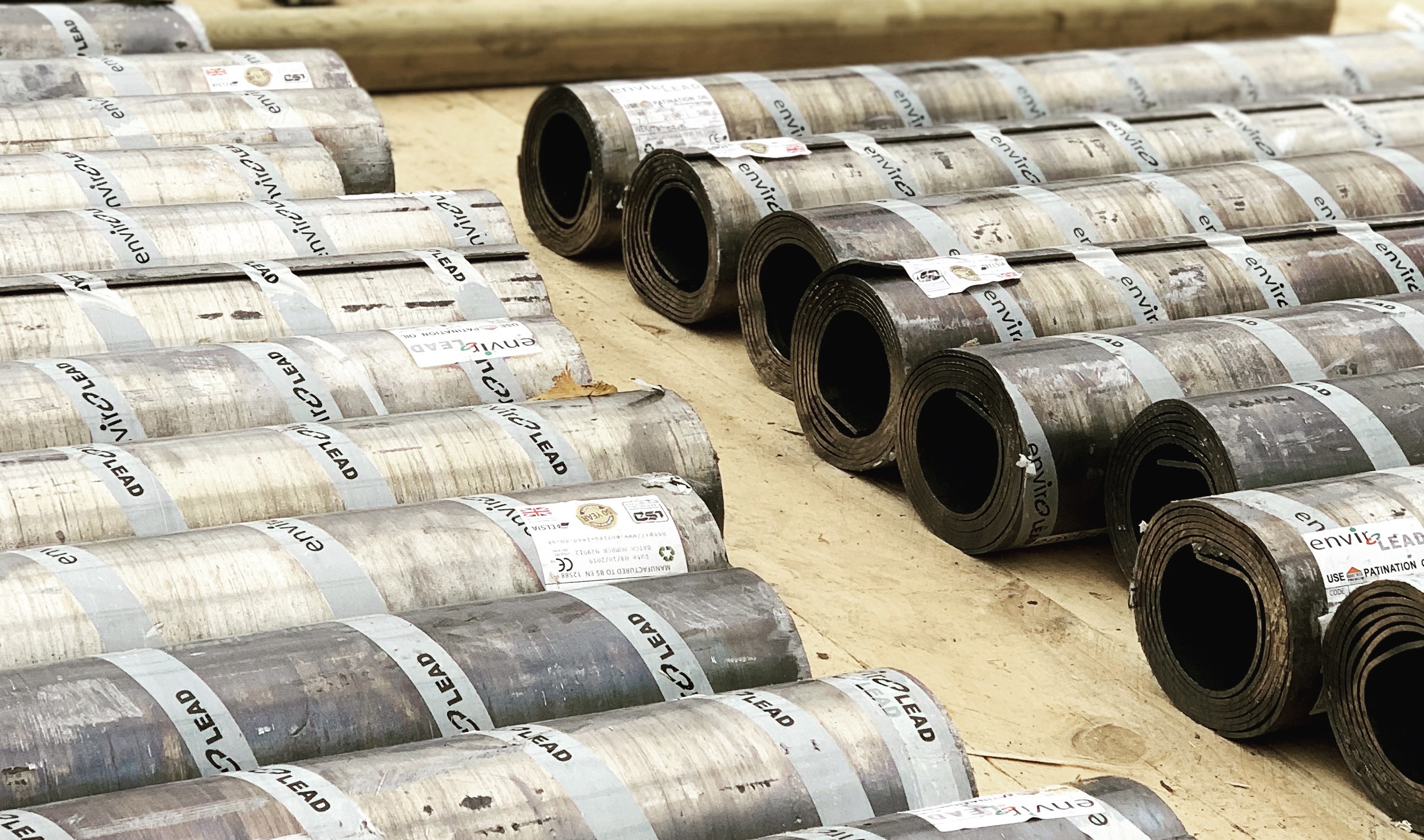
Rolled Lead Sheet Codes (BS EN 12588): Buyer’s Guide
This guide explains rolled lead sheet codes—from Code 3 to Code 8—so you can choose the right thickness and weight for flashings, valleys, box gutters, parapet cappings and more. We map each code to best-use cases, then show how to build a basket in minutes using our mobile-first Shoppable Lead Chart.
For regulation context and service delivery, see Neal Roofing’s overview of BS 6915:2001+A1:2014 leadwork and their Leadwork Services.
In this guide
What BS EN 12588 standardises
BS EN 12588 defines rolled sheet composition, mechanical properties and tight dimensional tolerances. For buyers, that means the rolled lead sheet codes you order (Code 3–8) perform consistently from batch to batch—thickness and weight stay within narrow bounds, so calculations, handling and onsite behaviour are predictable.
Installation should follow proven practice and local regulations. For a practical overview tied to UK detailing, see Neal Roofing’s BS 6915:2001+A1:2014 leadwork summary and their conservation-focused Leadwork Services.
Rolled lead sheet codes at a glance (Code 3–8)
Use this table alongside our Lead Weight Chart when you’re planning logistics and labour.
| Code | Nominal thickness (mm) | Nominal weight (kg/m²) | Typical applications (overview) |
|---|---|---|---|
| Code 3 | ≈ 1.32 | ≈ 14.9 | Light flashings, soakers, straps where movement is small |
| Code 4 | ≈ 1.80 | ≈ 20.4 | Chimney flashings, abutments, step flashings—domestic mainstay |
| Code 5 | ≈ 2.24 | ≈ 25.4 | Wider flashings, aprons, short valleys, secret gutters |
| Code 6 | ≈ 2.65 | ≈ 30.1 | Valleys, box gutters (short bays), parapet cappings with movement joints |
| Code 7 | ≈ 3.15 | ≈ 35.7 | Deep gutters, wide cappings, exposed sites, heritage coverings |
| Code 8 | ≈ 3.55 | ≈ 40.3 | Large bays, high-exposure parapets & sumps, conservation-grade work |
Best-use cases by code
Code 3 & Code 4 — Flashing workhorses
- Code 3: soakers, light flashings, repair straps where loading is minimal.
- Code 4: chimney/apron/step flashings; abutments on slate/tile; most domestic flashing tasks.
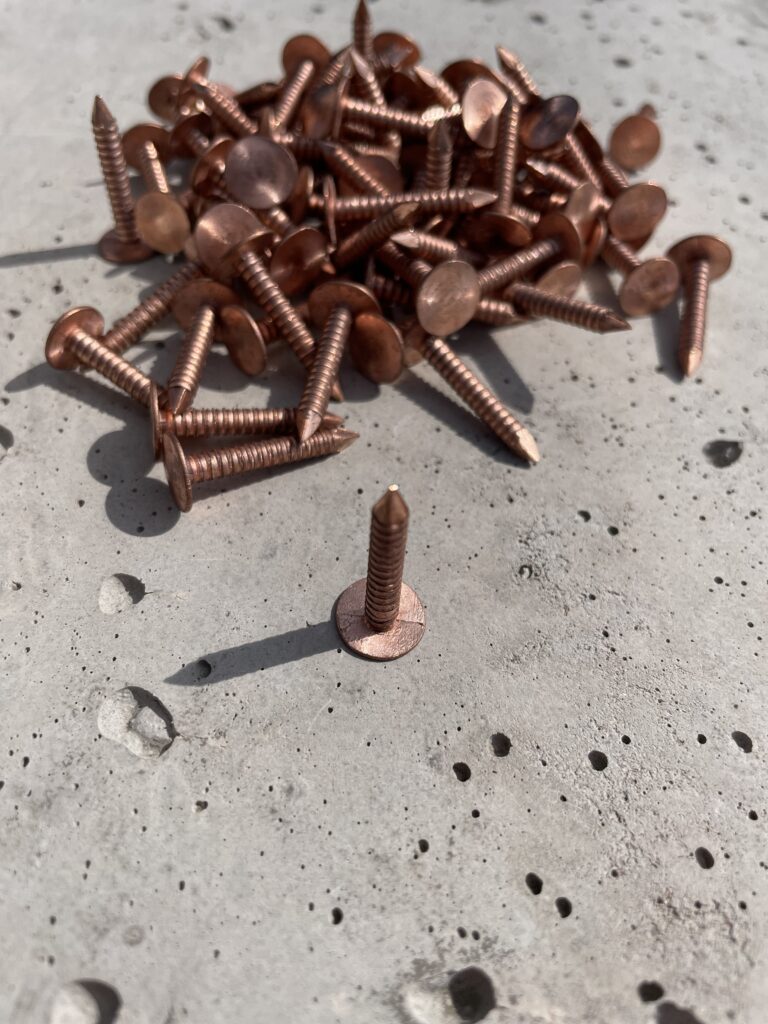
- Dress crisp steps; use compatible fixings and finish with patination oil at laps.
Code 5 — Wider flashings & small coverings
- Ideal for aprons, small secret gutters, short valleys and tight-radius details.
- Combine with wood-cored roll or cover strips for movement joints.
Code 6 — Valleys, parapet cappings, box gutters
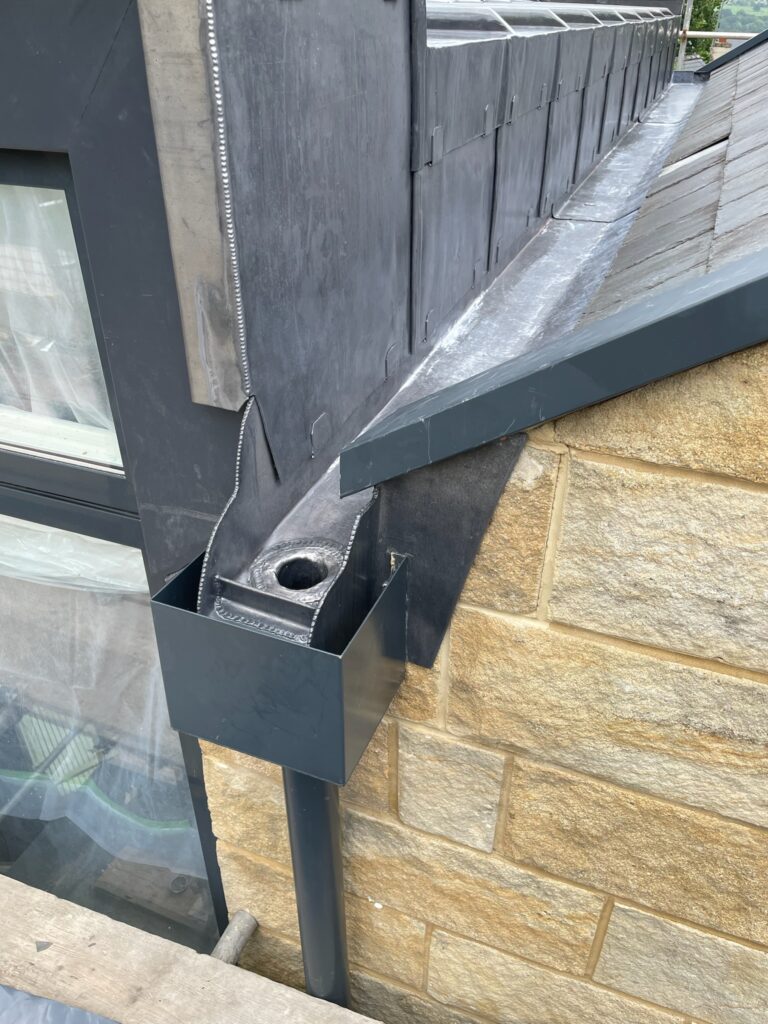
- Go-to for medium valleys and short box gutter bays; stiffer edges reduce flutter.
- See design notes: lead valley gutters and lead box gutters.
Code 7 & Code 8 — Heavy duty & heritage
- For exposed sites, wide parapets, deep sumps and conservation coverings.
- Expect more mass: plan manual handling, clip centres and outlet transitions.
Code selector workflow (3 steps)
- Duty & geometry: is it a flashing, a trough (valley/box) or a capping/bay? Wider spans and higher exposure push you up the rolled lead sheet codes scale.
- Movement design: decide bay length and joint type (wood-cored roll vs cover strip). Heavier codes demand disciplined movement design.
- Finish & maintenance: clean down and apply patination oil; schedule seasonal checks (especially around outlets and drips).
Worked examples: chimneys, valleys, cappings, bays
Example A — Domestic chimney with stepped abutment
Scope: rebuild flashings at a brick chimney on a slate roof.
- Select code: Code 4 for the flashing set—stiff enough to keep shape; dressable without fight.
- Forming & laps: crisp steps and aprons; generous laps with sharp arris at the drip line.
- Finish: clean and apply patination oil to stabilise the appearance.
In high wind exposure, step to Code 5 for wider aprons to reduce flutter.
Example B — Medium valley on mixed exposure
Scope: valley serving two pitched planes; occasional cross-winds.
- Select code: Code 6 to form a stable trough with crisp margins.
- Margins & splash: set deliberate splash laps; add tilt fillets to keep flow within the channel.
- Outlet: flare transitions; avoid necking a broad trough into a small chute.
See the full design sequence in our valley guide.
Example C — Parapet capping with movement joints
Scope: 300 mm parapet, exposed site, heritage façade.
- Select code: Code 6 or 7 depending on oversail and wind loading; Code 7 helps retain crisp edges.
- Movement & restraint: break into bays; use wood-cored roll or cover strips; restrain edges with clips set back from drips (see drips & clips).
- Façade care: set decisive drips; finish with patination oil to limit streaking.
Example D — Short box gutter bay with leaf fall
Scope: short channel with seasonal debris; occasional choke events.
- Select code: Code 6 (or 7 where margins need extra stiffness).
- Sump & outlet: deepen locally; preserve free area at guards; allow realistic cleaning access.
- Restraint: stainless strip set back from margins; bay breaks coordinated with temperature swing.
More on channels in the box gutters guide.
Build your basket in minutes
Need regulation context or a specialist contractor? See Neal Roofing’s BS 6915 leadwork overview and Leadwork Services.
Spec notes: restraint, movement & substrate
Restraint & joints (why code choice isn’t enough)
- Don’t hard-pin wide fields; use clips or a stainless fixing strip set back from edges.
- Break long runs into bays; choose wood-cored roll or cover strips so the sheet expands/contracts quietly.
- Confirm joint centres align with exposure and temperature swing, especially with higher rolled lead sheet codes.
Substrate & separation
- Provide a smooth, continuous bed; remove high spots that would telegraph lines into the finish.
- Fit lead underlay/building paper to reduce drag and protect the underside.
FAQs — rolled lead sheet codes
What does “Code” actually indicate?
It’s a label mapping to nominal thickness and weight within BS EN 12588 tolerances. The benefit is consistent behaviour across batches.
Is Code 4 always right for chimney flashings?
Code 4 is the default for most domestic chimneys. Step up to Code 5 for wider aprons or exposed sites that suffer flutter.
When do I choose Code 6, 7 or 8?
As spans widen, exposure rises or when forming valleys, box gutters and parapet cappings that benefit from stiffness. Heavier codes must be paired with bay breaks and movement joints.
How do thickness and weight affect labour planning?
Higher codes increase mass—plan team lifts, bench forming and secure staging. Use our Lead Weight Chart for load calculations.
Can I mix different codes on one project?
Yes. It’s common to use Code 4 for flashings and Code 6–7 for valleys or cappings. Keep joints compatible and movement design consistent.
Do I need patination oil whatever the code?
Strongly recommended at laps and exposed faces to reduce early staining and improve appearance. See Patination Oil.
Are there regulatory resources I can reference?
For UK practice and regulation context, see Neal Roofing’s overview of BS 6915 and their Leadwork Services.
Which joint type works best with higher codes?
Wood-cored rolls and cover strips both work—choose based on aesthetics, water path and maintenance access.
What’s the quickest way to order the right sizes?
Use the mobile-first Shoppable Lead Chart to click in widths/lengths, add underlay, fixings and finishing oil in one flow.
How do I avoid early staining on stone/brick?
Design decisive drips/oversails (see drips & clips), clean down and apply patination oil after dressing.
Schema
Rolled Lead Sheet Codes — Tolerances, Selection & Real-World Buying Playbook
When you’re ordering at pace, it’s tempting to pick by habit. This section shows how to make deliberate, repeatable choices using rolled lead sheet codes as your anchor. The goal is simple: predictable performance on site, fewer returns, and baskets built in minutes.
1) Understand tolerances and why they matter
BS EN 12588 gives the rolled lead sheet codes tight dimensional tolerances so thickness and weight are consistent from batch to batch. That consistency protects bay sizing, restraint placement and detailing at laps. If you’ve ever found a bay that “walks” because the sheet drags, it’s often a mix of tolerance, substrate prep and joint choice. Keep the standard in view, and align your detailing with UK practice via Neal Roofing’s overview of BS 6915:2001+A1:2014 leadwork and their heritage-led Leadwork Services.
2) The three-step selector you can use on any job
- Duty & geometry: Is this a flashing, a trough (valley/box) or a covering/capping? For flashings, rolled lead sheet codes 3–5 dominate. For valleys and box gutters, think 6–7. For wide parapets or conservation coverings, 7–8 are common.
- Movement design: The code is only half the story. Pair higher rolled lead sheet codes with shorter bays and reliable joints (wood-cored roll vs cover strips). Don’t hard-pin the field; use clips or stainless fixing strip set back from the edge.
- Finish & care: Clean down and oil the faces—patination oil stabilises early appearance. Book seasonal checks around outlets, drips and upstands where debris collects.
3) Code-by-code buyer checklist (fast reference)
Codes 3–4 (flashings)
- Use: soakers, aprons, step flashings, abutments.
- Why these rolled lead sheet codes work: dressable without fight; stable on domestic details.
- Do: keep steps crisp; add patination oil at laps; use compatible fixings.
- Avoid: overspanning wide aprons at exposed sites with Code 3; step up to Code 4–5.
Code 5 (wider flashings & small coverings)
- Use: wider aprons, short valleys, secret gutters.
- Pair with: wood-cored roll or cover strips at joints.
- Reason: among the rolled lead sheet codes, Code 5 balances stiffness/weight for many domestic upgrades.
Code 6 (valleys, box gutters, parapet cappings)
- Use: medium valleys, short box-gutter bays, cappings.
- Edge control: maintain crisp arris; add tilt fillets to keep flow central.
- Note: within the rolled lead sheet codes, Code 6 is often the tipping point where bay length and joint detail matter most.
Codes 7–8 (heavy duty & heritage)
- Use: deep gutters, wide parapets, conservation coverings.
- Plan: team lifts, bench forming, realistic cleaning routes to outlets.
- Reminder: higher rolled lead sheet codes demand disciplined movement and restraint.
4) Five common mistakes—and the fast fix
- Picking by habit: defaulting to one code for everything. Fix: apply the selector; let the rolled lead sheet codes follow duty, span and exposure.
- Overspanning thin codes: wide aprons in wind with Code 3. Fix: up-spec to Code 4–5 and sharpen lap geometry.
- Rigid restraint: screwing through high-movement zones. Fix: clips or stainless strip set back from the edge; coordinate bay centres.
- Starved outlets: generous trough throttled at the chute. Fix: preserve free area; shape transitions; allow cleaning access.
- No separation layer: resinous timber dragging the sheet. Fix: fit lead underlay/building paper across the full bed.
5) Ordering workflow (basket in two minutes)
- Choose the code: apply the selector—flashings (3–5), valleys/box gutters (6–7), wide cappings/heritage (7–8). Keep rolled lead sheet codes central to the decision.
- Confirm sizes: pick widths/lengths via the Shoppable Lead Chart; cross-check masses with the Lead Weight Chart.
- Add system items: underlay, fixings, wood-cored roll (if needed), and patination oil.
- Review regulation context: if the detail is complex or heritage-sensitive, reference Neal Roofing’s BS 6915 overview and their Leadwork Services.
Quick-buy links
Need a contractor view or conservation context? See Neal Roofing on BS 6915 and their Leadwork Services.


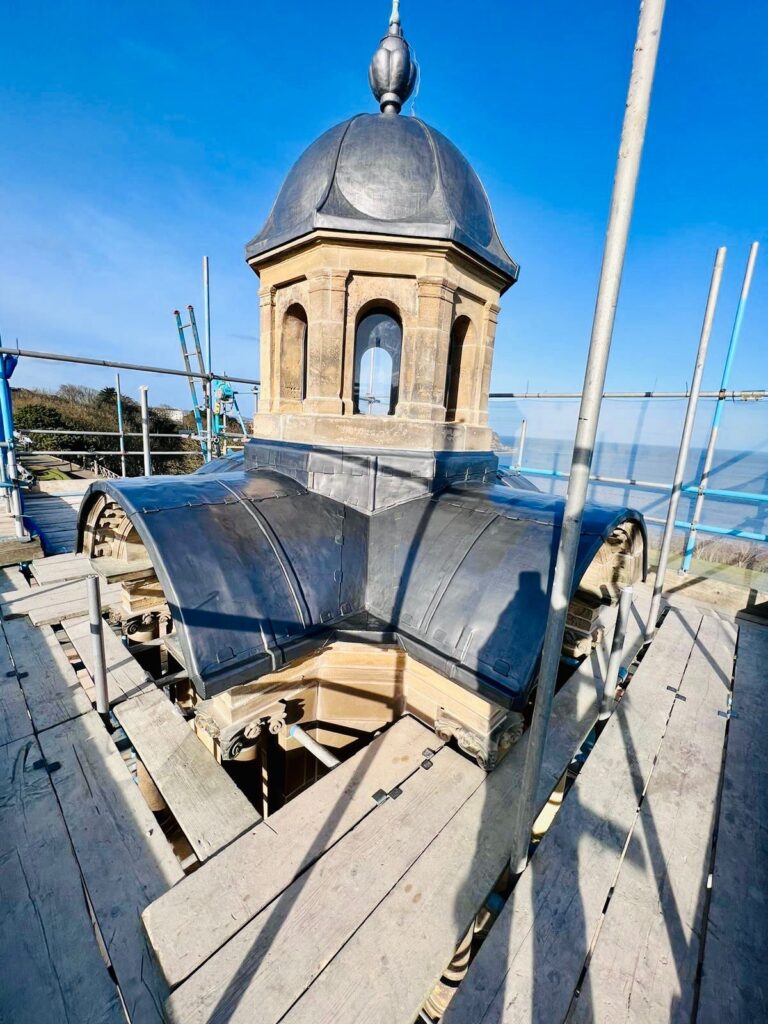


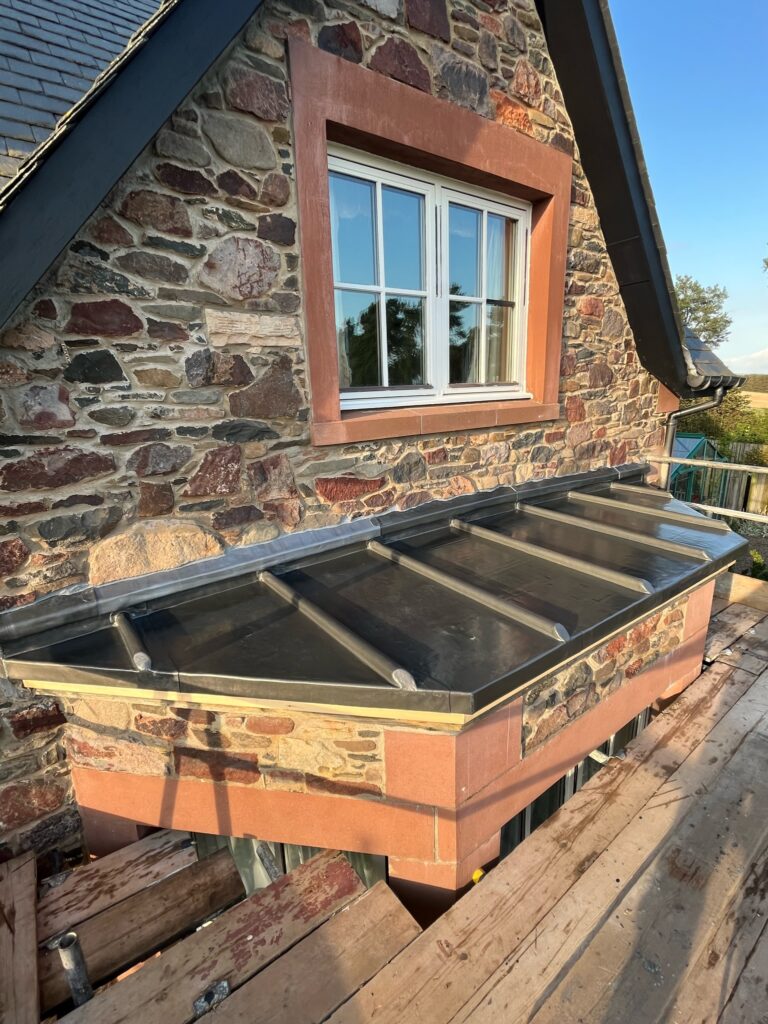




ARE YOUR LISTED PRICES NET OF VAT OR INCLUSIVE OF VAT?
Can you advice what code lead to use for a flat roof for an area 6.2m long X 3m wide on the slope side?
and also advise on the area size of the individual pieces to avoid excessive deformation due to temperature fluctuation?
Many thanks
John Cicirello (07494 817327)
HI, Prices are VAT Exclusive, VAT will be added at the checkout.
Best