Why choose Code 6 600mm 3m Roofing Lead?
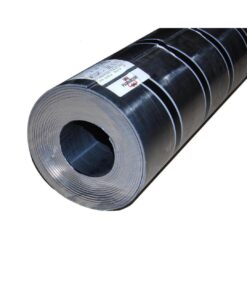
Code 6 600mm 3m Roofing Lead is a go-to roll when you need a heavier-gauge sheet with enough width for serious weathering work,
but you also want the practicality of a shorter roll length. At approximately 2.65 mm thick and around
30.0 kg/m², Code 6 provides the stiffness and durability expected on exposed details such as
parapet and coping weatherings, compact bay roof panels, chimney aprons/back gutters and wider protective flashings.
The key advantage of the 3 m format is control: it’s easier to manoeuvre on scaffolds, in tight access zones,
and on projects where you want to keep individual piece lengths sensible without sacrificing the benefits of a heavier code. That matters,
because good leadwork isn’t only about “thicker lead” — it’s about correct bay sizing, movement detailing, joint placement, restraint strategy
and a clean drainage path. For principle-led guidance, browse
The Lead Lads and the standards explainer aligned to
BS 6915 — Proper Leadwork.
Best-fit uses for Code 6 600mm
- Parapet and coping weatherings where you need generous cover, crisp drips and long-term durability.
- Compact bay roof panels (with sensible bay sizes and movement detailing) on lower-pitch areas or sheltered roofs.
- Chimney aprons, back gutters and saddles where extra stiffness helps maintain shape and finish.
- Wide/deeper flashings to abutments and upstands in higher exposure zones.
- Refurbishment upgrades where lighter lead has distorted, fatigued, or been over-fixed.
Planning & set-out
Before cutting Code 6 600mm 3m Roofing Lead, confirm your lap requirements, chase depth (where relevant), and where joints will fall.
Aim to position joints where they can drain, and avoid “dead” pockets that trap water and debris. On bays and wider weatherings, plan the slip layer,
the restraint method, and any drips/rolls so the sheet can move without tearing at fixings. For real-world examples of finished leadwork,
see Neal Roofing — Leadwork.
Good practice: movement, slip layers and restraint
Lead moves — so your detailing must allow for it. Keep mechanical fixings out of movement zones and never bridge expansion features.
Under bays and broad weatherings, use a smooth Building Paper Lead Underlay
(slip layer) to reduce underside abrasion and help the sheet slide rather than “grip and buckle”.
For perimeter edges where wind uplift is a concern, use a
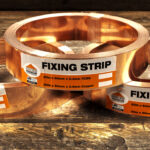
Stainless Steel Fixing Strip and compatible clips to restrain the edge
while still allowing controlled movement.
Where you’re forming chase flashings, use Hall Clips for chase restraint, then point neatly with mortar
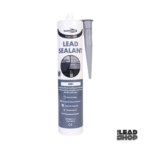
or Lead Mate Sealant depending on the detail and specification. For visual presentation on fresh installations,
apply Lead Patination Oil to help minimise early staining while the natural patina develops.
Installation essentials
- Substrate preparation: Ensure smooth, continuous bearing and remove sharp arrises that can puncture lead.
- Cut and dress: Cut cleanly and dress with the right tools to form crisp drips, turns and welts without over-stretching.
- Fixings: Use Copper ARS Nails or
Stainless Ringshank Nails where specified; avoid over-fixing.
- Restraint strategy: Combine perimeter restraint (where required) with chase restraint (Hall Clips) and keep fixings out of movement zones.
- Finish: Seal chases neatly, check drainage, and apply patination oil on visible surfaces for a cleaner early-life appearance.
Choosing Code 6 vs lighter grades
Choose Code 6 600mm 3m Roofing Lead where the detail demands substance: parapets, copings, deeper flashings and compact bays are common examples.
If you’re unsure whether the “code” is right for the job, start from exposure, bay sizing and movement requirements — then match thickness and width to suit.
The 3 m roll format suits controlled piece lengths and easier handling, particularly on awkward scaffolds or smaller refurbishment work.
Further reading
For deeper guidance on compliant detailing, movement control and best practice, visit
theleadlads.co.uk and the
BS 6915 proper leadwork explainer.


 Code 3 Lead
 Code 4 Lead
 Code 5 Lead
 Code 6 Lead







Reviews
There are no reviews yet.