What the Stainless Steel Fixing Strip is for (and what it isn’t)
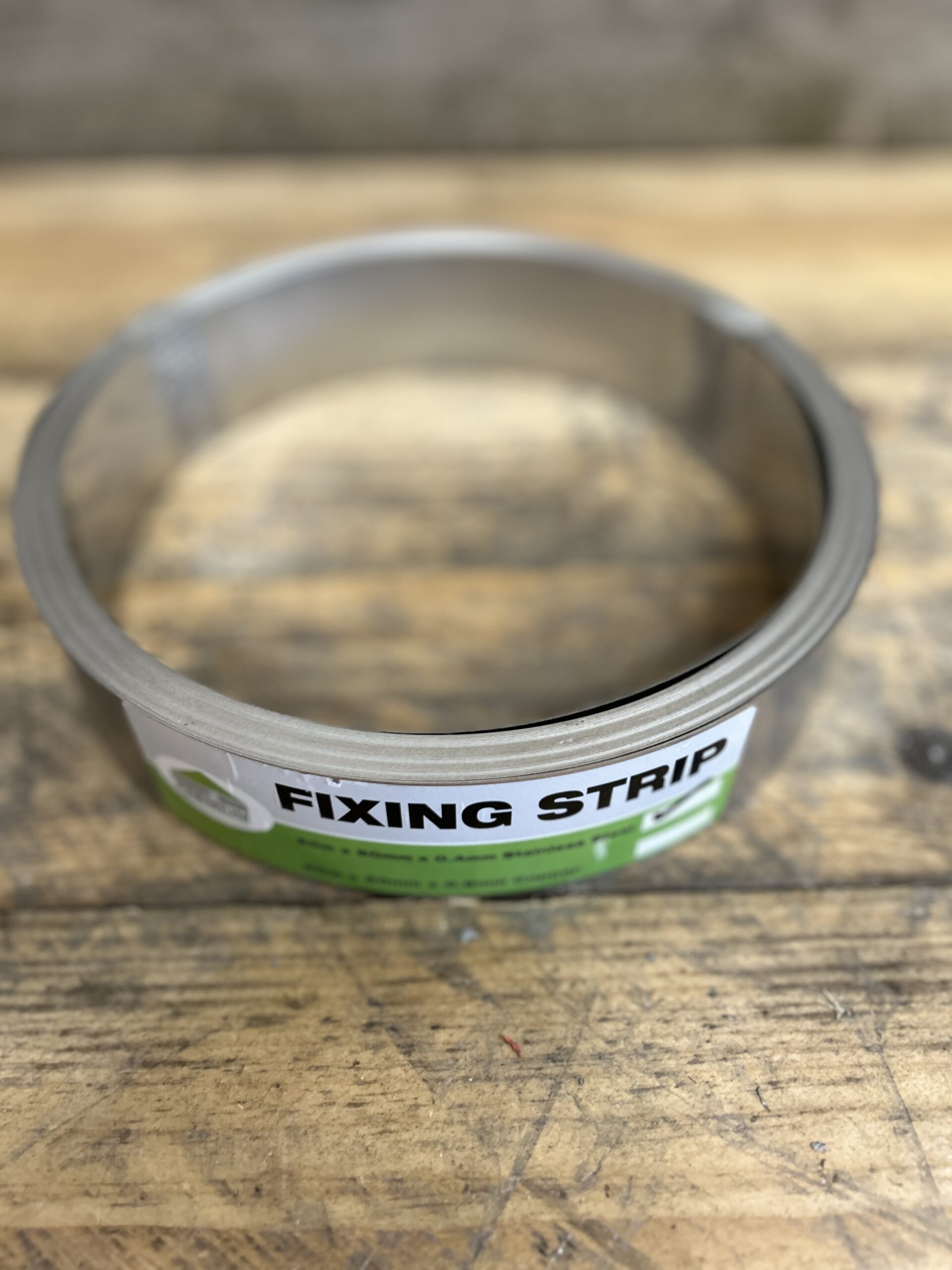
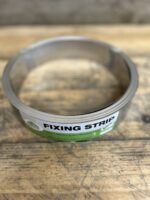
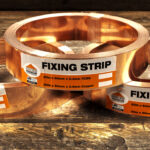
The Stainless Steel Fixing Strip provides continuous, even restraint along perimeter edges where lead sheets are exposed to wind uplift:
cappings, parapet/copings, cornice edges, mansard eaves and compact bay roof perimeters. It’s designed to hold the edge of a lead panel securely
while allowing the sheet to expand and contract across its width. It is not a chase restraint. For restraining lead inserted into masonry chases, use
dedicated Hall Clips and then finish with mortar or a neutral-cure sealant like
Lead Mate. Keep the Stainless Steel Fixing Strip for perimeter edges and use stainless clips where extra uplift resistance is specified.
Where the Stainless Steel Fixing Strip excels
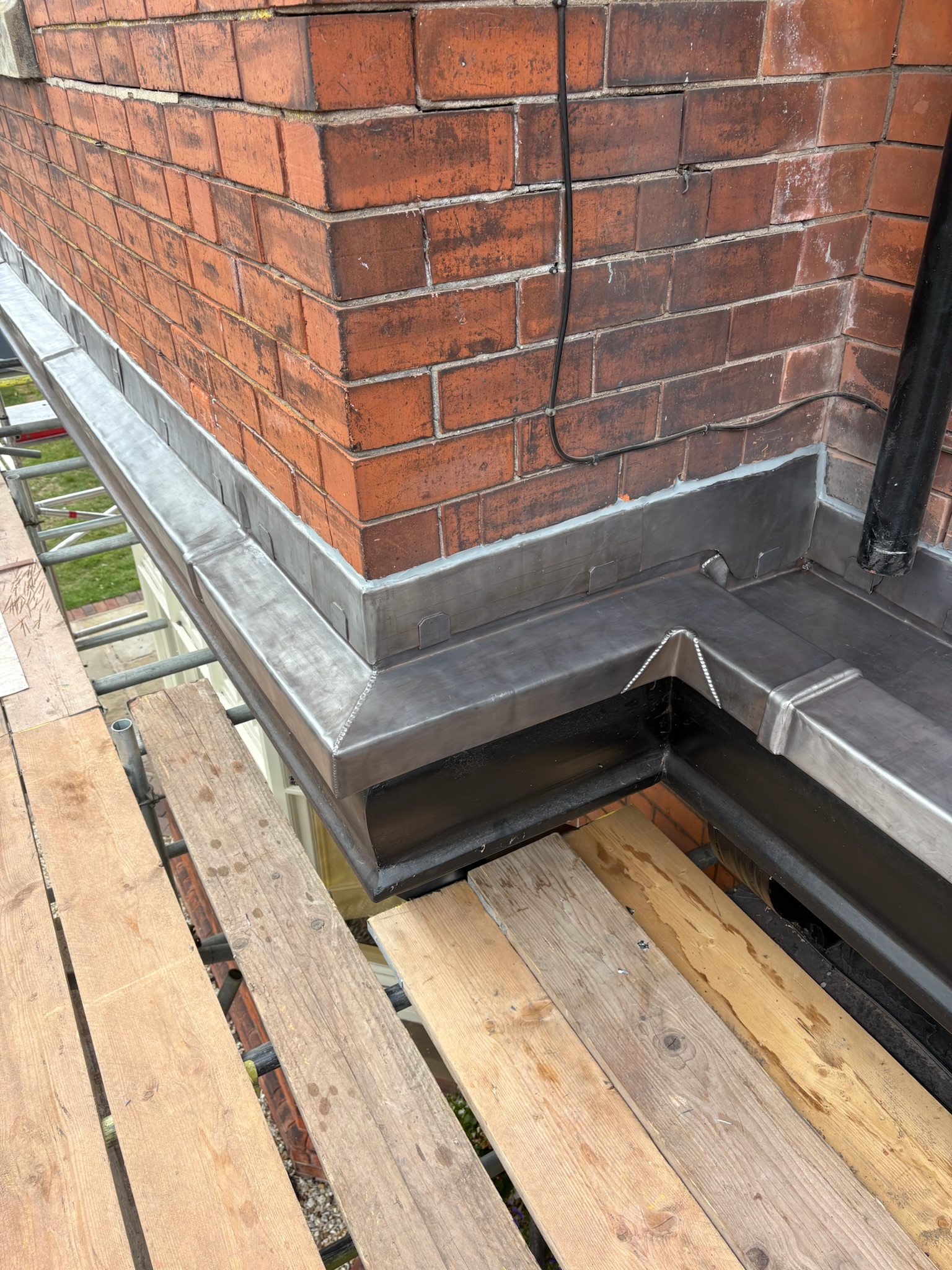
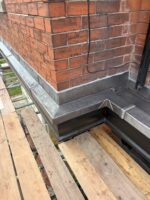
- Lead cappings to parapets, upstand copings and cornices where a clean, continuous clamp line is required.
- Perimeter restraint to compact bay roof panels and dormer tops (with sensible bay sizing and movement detailing).
- Verge/eaves trims on mansards where wind suction is higher and discontinuous nails aren’t enough.
- Edge restraint to apron/back-gutter perimeters where the detail calls for an uninterrupted hold-down.
- Refurbishment upgrades replacing scattered fixings with a neater, stronger, continuous solution.
Planning & set-out with Stainless Steel Fixing Strip
Before fixing, set your bay sizes, drips/rolls and joint positions to control movement. The Stainless Steel Fixing Strip should be aligned
so its fixing line sits outside designated movement zones. Provide a smooth, continuous bearing and remove sharp edges; under bay panels and wider
weatherings include a slip layer to reduce underside abrasion and enable free expansion.
If you want a quick refresher on movement principles, bay sizing and sequencing, browse the practical, standards-aligned explainers at
BS 6915 — Proper Leadwork (overview)
on theleadlads.co.uk, and see applied examples at
Neal Roofing — Leadwork.
How to install the Stainless Steel Fixing Strip
- Mark movement zones: Confirm bay size, laps and joint layout. Keep the Stainless Steel Fixing Strip fixing line out of expansion areas.
- Prepare substrate: Smooth bearing; prime timber if specified. Add a slip layer beneath bays or where panels are wider.
- Offer up & align: Position the strip parallel to the edge. Ensure consistent projection for a straight presentation line.
- Fix mechanically: Secure to timber/metal with compatible stainless screws at even centres as per your spec. Where permitted, use
stainless ringshank nails for nailed restraint. Avoid dissimilar metals that could cause galvanic action.
- Supplement with clips if required: Add stainless clips at set centres for additional wind-uplift control while allowing sliding movement.
- Dress & protect: Dress the lead neatly over the Stainless Steel Fixing Strip and protect presentation with
Patination Oil.
Chases vs. Perimeters — choose the right restraint
Use Hall Clips for chase restraint in masonry (stepped/cover flashings). Use the
Stainless Steel Fixing Strip for perimeter/edge restraint on cappings, parapets and bay panel edges where wind uplift is the risk.
This division of roles keeps fixings out of movement zones and improves longevity and presentation. For step-by-step technique and sequencing, see
The Lead Lads, and for finished site outcomes,
Neal Roofing — Leadwork.
Sizing, centres & compatibility
Centre spacings, screw/nail type and strip gauge should follow your project specification and exposure zone. Stainless-to-lead is a compatible pairing; avoid
reactive metals that may accelerate corrosion. Keep fasteners out of movement zones, never bridge expansion joints, and always maintain clear drainage paths at
drips/rolls. Finish visible work with patination oil to reduce early staining while the natural patina develops.
Common mistakes to avoid
- Using a Stainless Steel Fixing Strip inside the chase (use Hall Clips instead).
- Over-fixing or placing fasteners inside movement zones, leading to fatigue and splitting.
- Omitting a slip layer under bay panels, causing underside abrasion and noise.
- Mixing dissimilar metals and creating galvanic corrosion risks.
- Ignoring drainage; edges must shed water cleanly away from joints and masonry.


 Code 3 Lead
 Code 4 Lead
 Code 5 Lead
 Code 6 Lead








James Archer (verified owner) –
These stainless steel clips are exactly what I needed for my project! They’re sturdy, rust-resistant, and hold up well outdoors.
James Archer (verified owner) –
These stainless steel clips are exactly what I needed for my project! They’re sturdy, rust-resistant, and hold up well outdoors.