What is a King Roll?
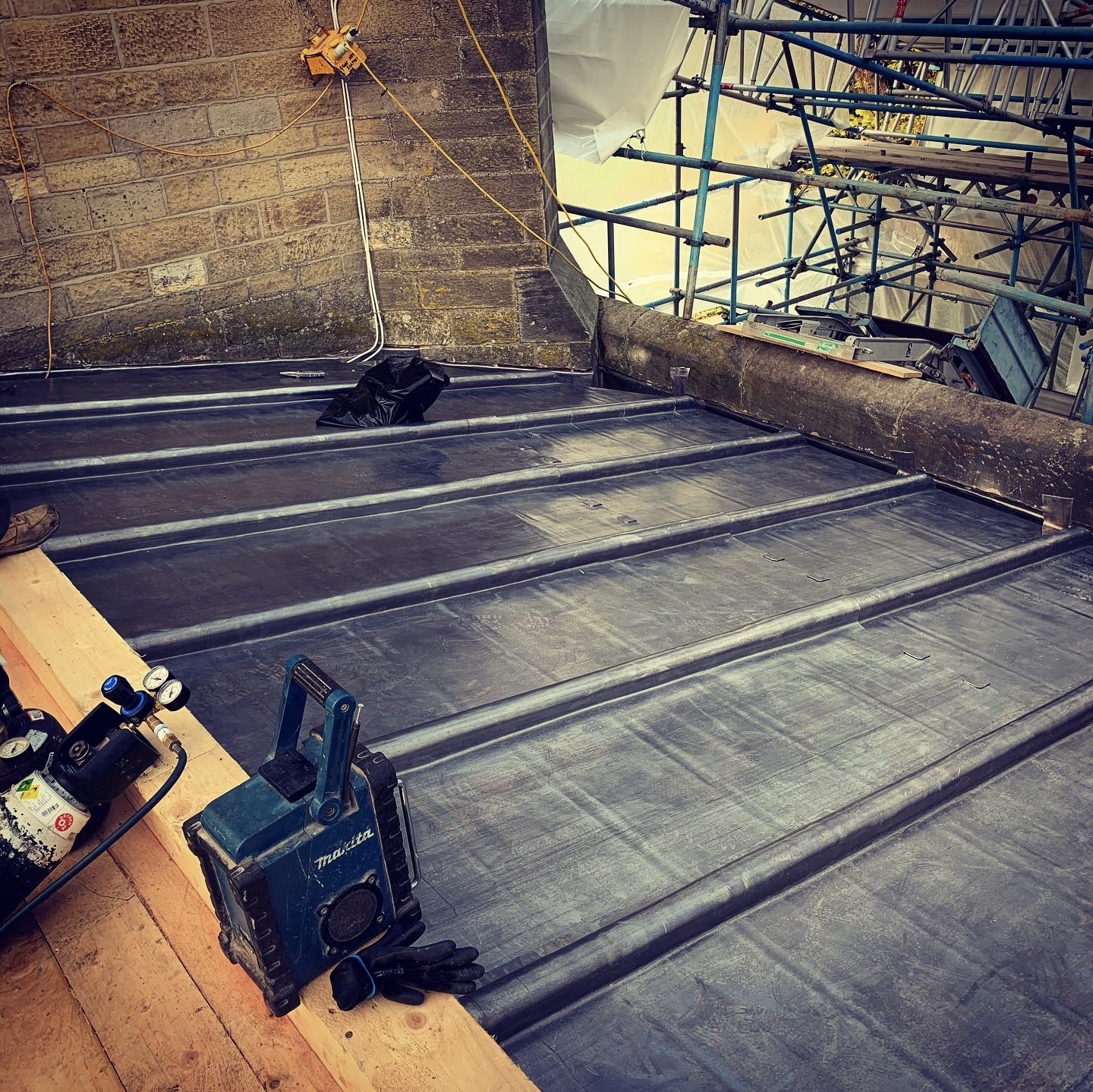
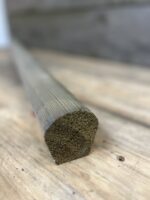
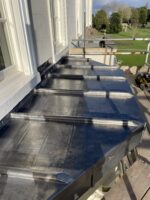
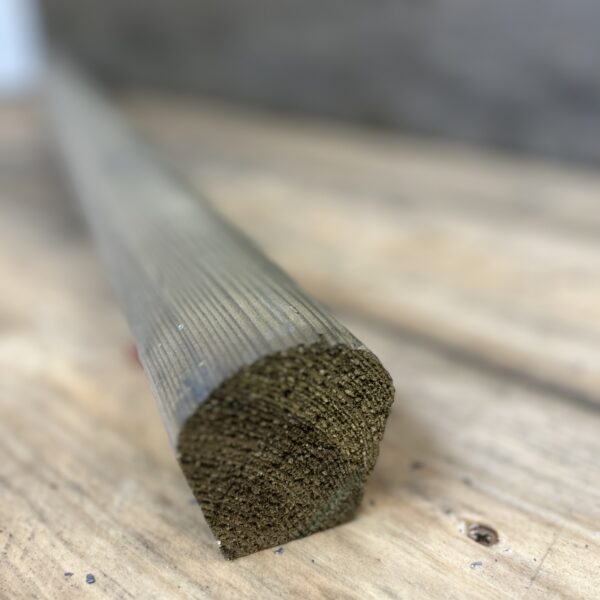
A King Roll is a larger-format wood core roll used between bays of lead roofing to create a traditional roll joint
(undercloak/overcloak). The 75 mm profile promotes clean dressing of the sheet on either side and gives that bold, architectural
roll associated with classic leadwork on bays, parapets and cornices. Supplied in 2.4 m lengths, it’s easy to set out at regular
centres, helps you maintain consistent sightlines, and supports the controlled movement that keeps lead performing for decades.
Key benefits of King Roll
- Defined profile: 75 mm overall height produces a crisp, symmetrical roll for heritage or statement details.
- Workability: Shaped timber core simplifies dressing of undercloaks and overcloaks for a consistent joint line.
- Movement friendly: Supports roll-joint methodology so bays can expand and contract without stress.
- Faster set-out: 2.4 m lengths reduce cuts and make repeatable bay spacing straightforward.
- Treated timber: Preservative-treated core suitable for roofing environments and long service life.
Typical applications
Lead-lined bay roofs and canopies, parapet and cornice weatherings, wide aprons, and lead cladding where a pronounced roll is desired.
The King Roll also suits steeper pitches and façades where the roll is intended as a visual feature as well as a
functional movement joint. Use it to divide wider planes into sensible bay sizes, coordinating joints with drips, outlets and
architectural breaks.
Choosing the right roll size
Select King Roll (75 mm) when you need a bolder ridge line, deeper cover, or when sightlines will be read from
street level on public façades. On smaller roofs or where subtler articulation is preferred, a smaller wood roll may be appropriate.
As the roll height increases, dressing becomes more defined, and the visual rhythm across the bays becomes stronger—use this to your
advantage when restoring period properties or creating emphatic modern details that echo heritage craft.
Installation overview
- Set out bays: Plan bay widths/falls and position the King Roll to align with drips/outlets and substrate joints.
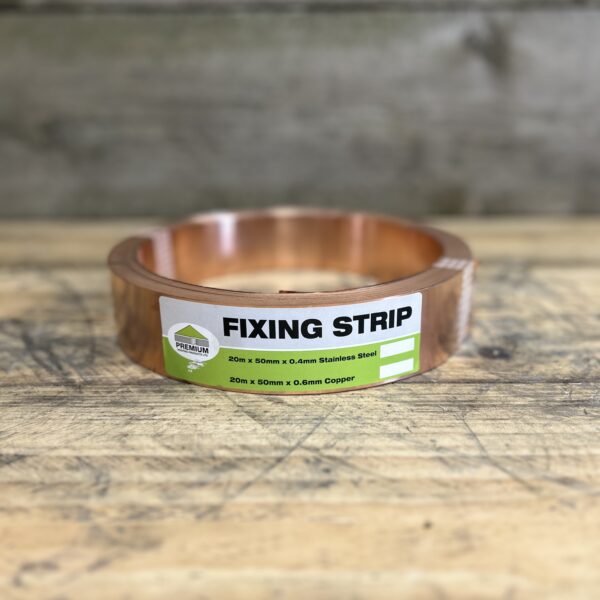
- Fix the core: Secure the timber roll to the deck; keep fixings flush and outside future movement zones.
- Dress undercloak: Form the first sheet up and over the roll; secure per detail with minimal, well-placed fixings.
- Dress overcloak: Lay the adjacent sheet to overlap neatly, maintaining even tension either side of the roll.
- Finish details: Complete drips and flashings; confirm free movement and clear drainage across the bays.
Good practice & coordination
Durable leadwork depends on design and workmanship acting together. Keep bay lengths within sensible limits for the exposure, provide
a smooth slip layer beneath wider weatherings to promote free movement, and place mechanical fixings sparingly and away from movement
zones. Where rolls intersect with abutments or parapets, coordinate chase depths and terminations early so the finished line remains
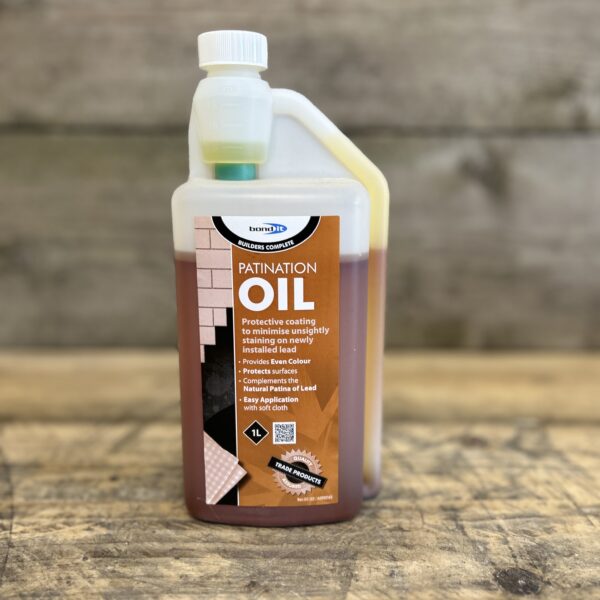
true. On highly visible work, apply patination oil to reduce early carbonate staining and achieve an even tone as the patina develops.
Handling, storage & finishing
Store King Roll straight and dry before use; avoid prolonged exposure to standing moisture that can distort timber cores.
When cutting to length, keep end faces square to help successive bays align. After installation, check that overcloaks are neither
pinched nor loose at the crown of the roll—both sides should read as equally dressed. Complete the system with compatible fixings and
neutral-cure sealants at any associated chases to safeguard adjacent masonry.
Complete the system
Pair King Roll with:
Rolled Lead Sheet (choose code to suit the detail),
Building Paper Lead Underlay for a slip layer,
Copper ARS Nails 3.35×25 mm or
Stainless Ringshank 25 mm,
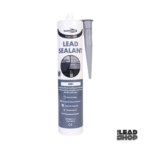
Lead Mate Sealant for chases, and
Patination Oil 0.5L to protect fresh work.
Standards & further reading
For overarching workmanship principles, review our BS 6915 explainers and allied guidance from our roofing partners. These cover
bay sizing, movement, fixings, slip layers and presentation—everything that underpins long service life and a crisp, professional finish.


 Code 3 Lead
 Code 4 Lead
 Code 5 Lead
 Code 6 Lead












Reviews
There are no reviews yet.