
 Code 3 Lead
 Code 4 Lead
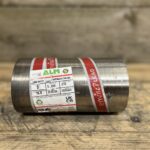 Code 5 Lead
 Code 6 Lead




Rolled Lead Sheet vs Alternatives


Rolled Lead Sheet vs Alternatives: Why Roofers Still Trust Lead
With the rise of zinc, aluminium, copper, and synthetic flashings, some contractors ask: is lead sheet still the best choice for roofing? In this comprehensive comparison, we explore the strengths and weaknesses of each material, and show why The Lead Lads Shop continues to be the go-to supplier for rolled lead sheet across the UK.
Why the Debate Exists
Modern roofing materials such as zinc and aluminium are widely promoted for their light weight and lower cost. However, when it comes to longevity, workability, and sustainability, rolled lead sheet remains unmatched. Choosing the right material depends on the project type, budget, and design life expectations.
Rolled Lead Sheet
Manufactured to BS EN 12588, rolled lead sheet is consistent in thickness, strong, and extremely durable. It has been used for centuries on everything from domestic housing to cathedrals and government buildings.
- Lifespan: 100+ years
- Strength: Available in Codes 3–8 for different applications
- Sustainability: 100% recyclable
- Applications: Flashings, valleys, gutters, dormers, flat roofs, heritage roofing
Browse rolled lead sheet products available for nationwide delivery.
Zinc Roofing & Flashings
Zinc is another popular roofing metal. It is lightweight and often marketed as a cheaper alternative to lead. However, zinc is less malleable, and its lifespan is typically 40–60 years — less than half that of rolled lead.
- Pros: Lightweight, cheaper, corrosion-resistant.
- Cons: Shorter lifespan, limited malleability, less suitable for complex detailing.
- Best for: Modern builds with simple roof geometries.
Aluminium Roofing
Aluminium has grown in popularity due to its low weight and corrosion resistance. It is often used in large commercial roofing systems, but is not as traditional or durable as lead in UK heritage work.
- Pros: Lightweight, rust-resistant, modern appearance.
- Cons: Shorter design life (~30–50 years), prone to denting, lacks heritage approval.
- Best for: Commercial and industrial projects.
Copper Roofing
Copper is a premium roofing metal that develops a green patina over time. While beautiful and long-lasting, it is considerably more expensive than lead and less commonly used in the UK.
- Pros: Attractive appearance, long lifespan (80+ years), corrosion-resistant.
- Cons: High cost, requires specialist installation.
- Best for: Architectural features and luxury projects.
Synthetic Flashings (Lead Replacements)
Several synthetic products claim to replace lead flashings. They are typically made from bitumen, polymers, or composite materials. While lightweight and cheaper upfront, they lack the proven performance of lead.
- Pros: Cheaper, easy to handle, non-toxic.
- Cons: Short lifespan (15–25 years), not recyclable, poor appearance on heritage buildings.
- Best for: Temporary or budget-conscious projects.
Direct Comparison Table
| Material | Lifespan | Malleability | Sustainability | Typical Applications |
|---|---|---|---|---|
| Rolled Lead Sheet | 100+ years | Excellent | 100% recyclable | All roofing, heritage, flashings, valleys, dormers |
| Zinc | 40–60 years | Moderate | Recyclable | Modern simple roof forms |
| Aluminium | 30–50 years | Poor | Recyclable | Commercial, industrial |
| Copper | 80+ years | Good | Recyclable | Architectural features, high-end roofs |
| Synthetic Flashings | 15–25 years | Limited | Not recyclable | Budget builds, temporary work |
When Only Lead Will Do
For many projects, especially heritage, conservation, and complex detailing, only rolled lead sheet is suitable. Lead is recommended by organisations such as English Heritage and the National Federation of Roofing Contractors for traditional roofing and flashing work.
Order from The Lead Lads Shop and get nationwide delivery on all codes:
Installation & Expertise
Whatever material you choose, correct installation is key. For rolled lead sheet, ensure compliance with BS 6915 and always allow for expansion and contraction. For specialist leadwork, partner with:
- The Lead Lads – UK-wide specialist lead installers
- Neal Roofing – Expert York-based lead contractors
Frequently Asked Questions
Is lead sheet more expensive than zinc or synthetic alternatives?
Yes, the upfront cost is higher, but lead lasts significantly longer — often over 100 years — making it cheaper over a building’s lifetime.
Can I use zinc instead of lead flashings?
Zinc can be used, but it is less malleable and has a shorter design life. For heritage projects, lead is usually required.
Which roofing metal is the most sustainable?
Rolled lead sheet is 100% recyclable and often produced from recycled material. Over 95% of UK lead is recycled, making it one of the most sustainable choices.
Do synthetic flashings really replace lead?
Synthetic products can provide a temporary solution, but they cannot match lead’s lifespan, malleability, or heritage approval.