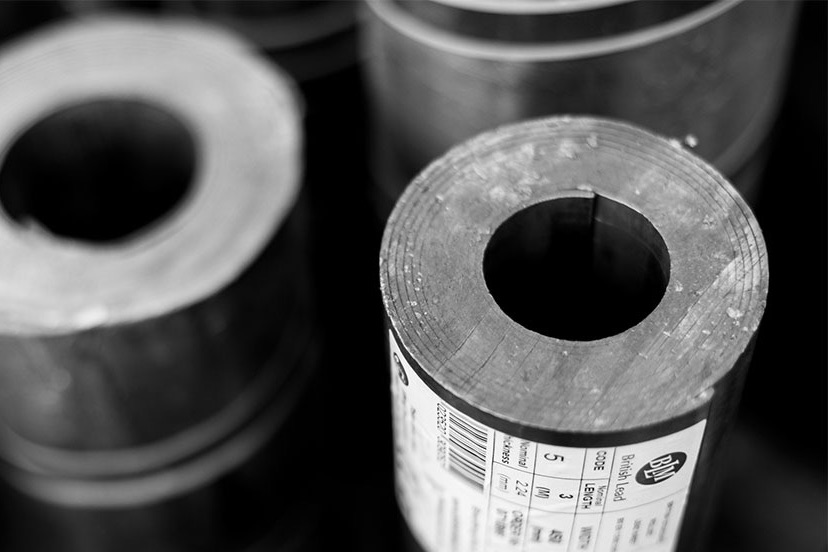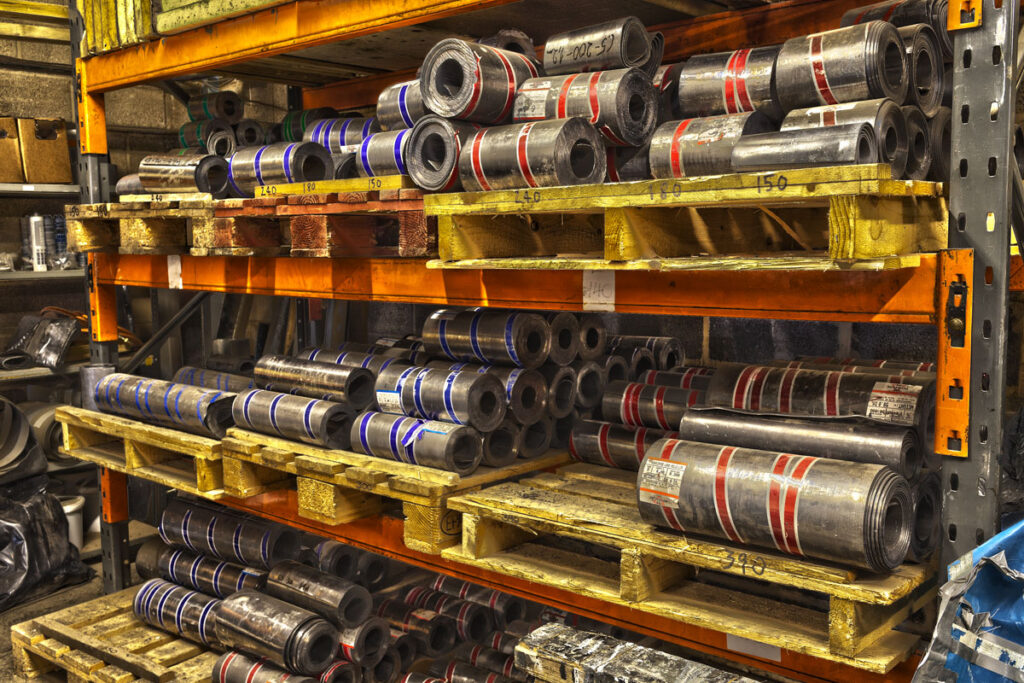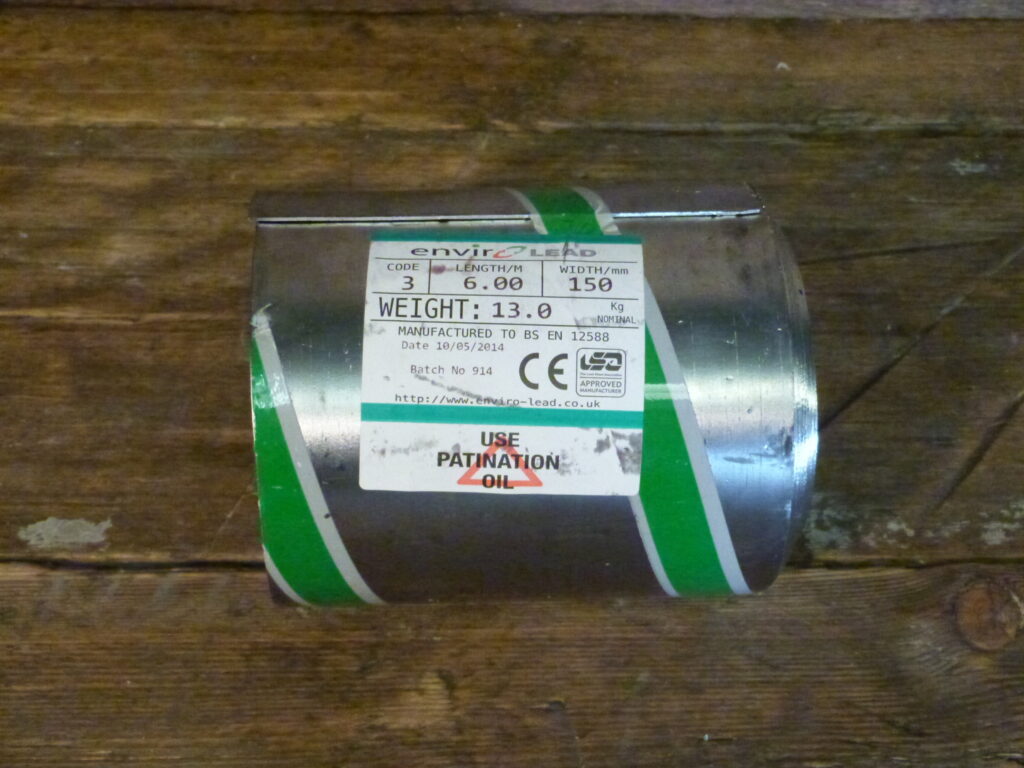

 Code 3 Lead
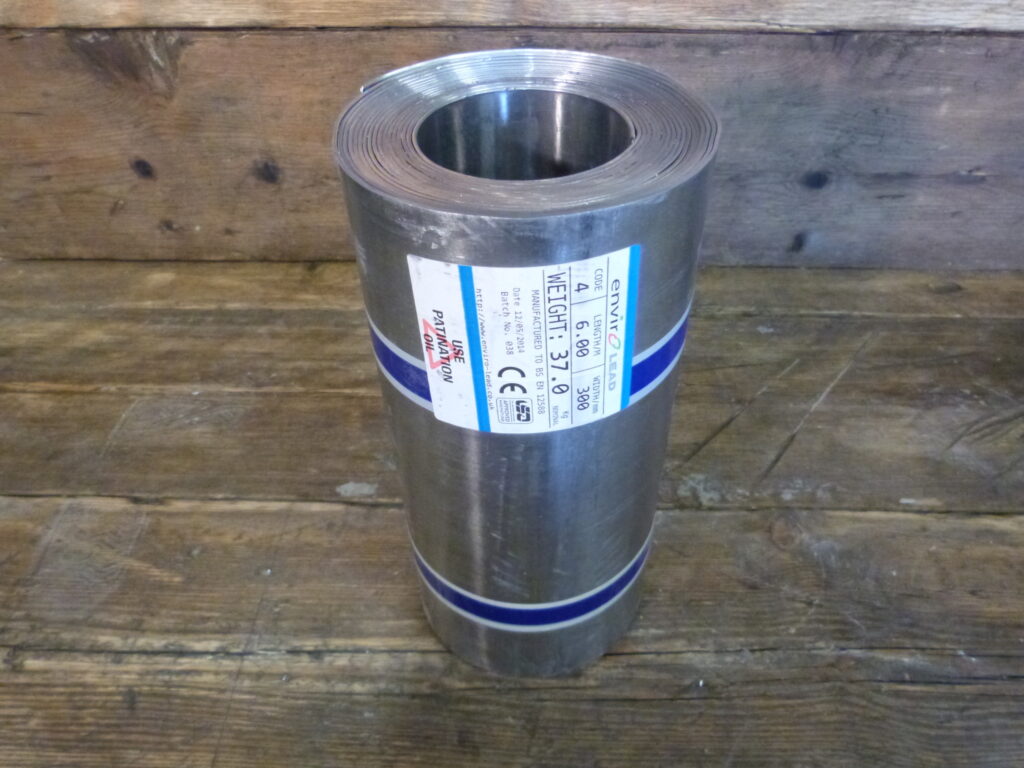
 Code 4 Lead
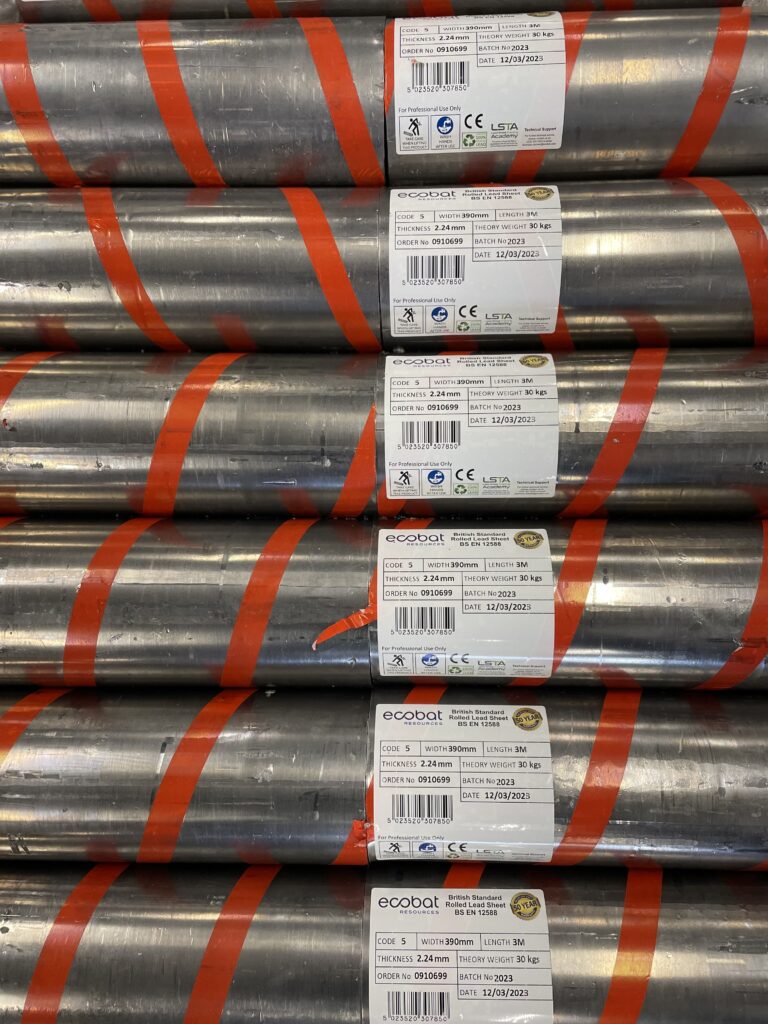
 Code 5 Lead
 Code 6 Lead





Lead Sheet Codes Explained


Lead Sheet Codes Explained: From Code 3 to Code 8
One of the most common questions roofers and builders ask is: Which code of lead should I use? In this comprehensive guide, you’ll find lead sheet codes explained in detail. From Code 3 soakers to Code 8 heritage roofing, we cover thickness, weight, best uses, mistakes to avoid, and practical examples. By the end, you’ll know exactly which rolled lead sheet code to order for your project.
👉 Order Rolled Lead Sheet OnlineWhy Understanding Lead Sheet Codes Matters
When it comes to lead sheet codes explained, it’s not just about numbers. Codes determine the thickness, weight, and suitability of rolled lead sheet for different roofing applications. Using the wrong code can lead to costly failures. For example, choosing Code 3 in a valley will cause splits under water pressure, while using Code 8 for a chimney flashing makes the job unnecessarily difficult and expensive.
By learning the differences between codes, contractors can specify the right lead for the right job, saving time, money, and ensuring compliance with BS 6915: Design and Installation of Fully Supported Lead Sheet Roofing.
Code 3 Lead Sheet (1.32mm, 14.97kg/m²)
Code 3 lead sheet is the thinnest and lightest rolled lead. At 1.32mm thick, it is extremely flexible and easy to cut, making it the perfect choice for lightweight detailing. Whenever you see lead sheet codes explained in training guides, Code 3 is always listed first as the entry-level option.
Typical Applications
- Soakers beneath tiles or slates
- Dormer cheeks and small flashings
- Lightweight cladding details
Case Example
On a terraced roof in York, Code 3 was used to create soakers beneath every slate course. Its light weight made it quick to cut and tuck under each tile, saving labour time without adding unnecessary load to the structure.
Mistakes to Avoid
Never use Code 3 in valleys or gutters — it is too thin to withstand water flow and will fail prematurely. Always step up to Code 5 or higher in those applications.
👉 Shop Code 3 Lead SheetCode 4 Lead Sheet (1.80mm, 20.41kg/m²)
Code 4 lead sheet is the most widely used grade in the UK. At 1.8mm thick, it balances flexibility and strength, making it ideal for most domestic roofing details. In nearly every guide with lead sheet codes explained, Code 4 is called the “workhorse” of roofing lead.
Typical Applications
- Chimney flashings (aprons, soakers, step flashings)
- Wall abutments
- Small valleys and gutters
Case Example
During a Victorian terrace re-roof in Leeds, Code 4 was used on every chimney. The lead was easy to boss around corners and provided long-term protection against driving rain.
Mistakes to Avoid
Don’t specify Code 4 in wide valleys or flat roof bays — it may fatigue under expansion and contraction. Upgrade to Code 5 or 6 instead.
👉 Shop Code 4 Lead SheetCode 5 Lead Sheet (2.24mm, 25.40kg/m²)
Code 5 lead sheet is thicker and more durable, designed for areas exposed to heavy water flow. In any professional guide with lead sheet codes explained, Code 5 is recommended for valleys and chimney back gutters.
Typical Applications
- Roof valleys
- Chimney back gutters
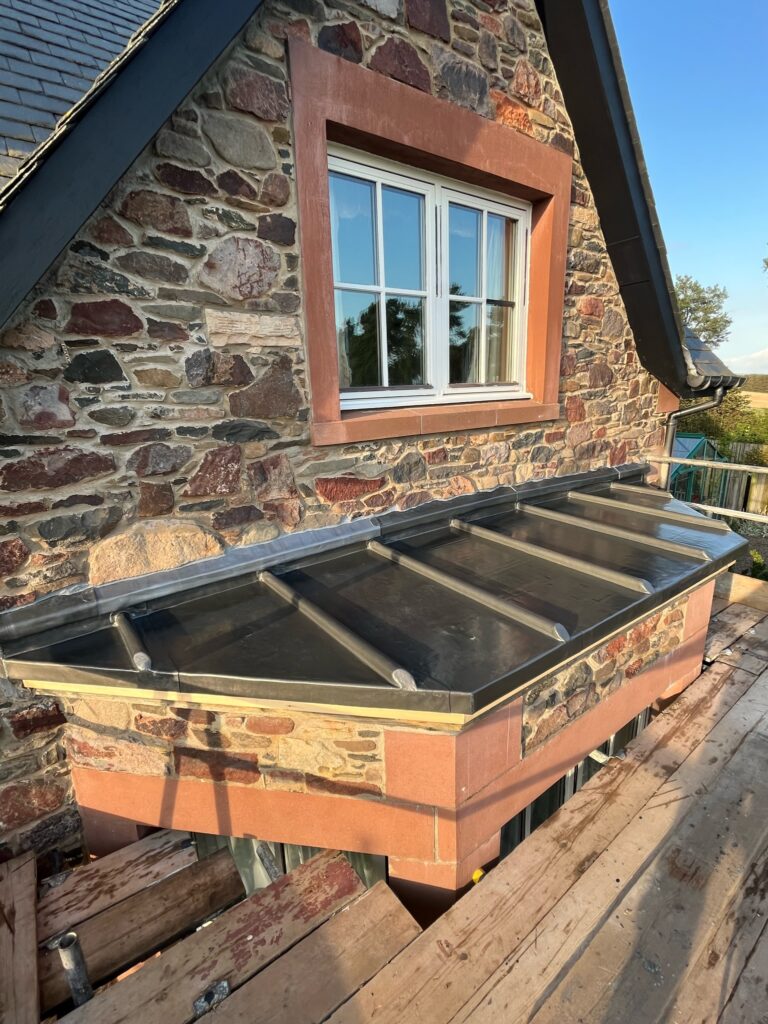
- Bay roofs and porches
Case Example
A detached property in Harrogate required new valleys. Code 5 was specified to handle the high rainfall in the region. The thicker sheet provided resilience against cracking and ensured a long service life.
Mistakes to Avoid
Code 5 is heavier than Code 4, so ensure correct fixings are used. Avoid oversizing bays — always follow BS 6915 guidelines.
👉 Shop Code 5 Lead SheetCode 6 Lead Sheet (2.65mm, 30.05kg/m²)
Code 6 lead sheet is a heavy-duty grade suited to larger roof areas and parapet gutters. At 2.65mm thick, it provides resilience against snow, heavy rainfall, and thermal expansion.
Typical Applications
- Flat roofs
- Parapet and box gutters
- Large dormer coverings
Case Example
On a Grade II listed townhouse in York, Code 6 was specified for a flat roof extension. The thicker sheet provided a robust, long-lasting solution compliant with BS 6915 installation standards.
Mistakes to Avoid
Code 6 is heavier and more rigid — ensure correct bay sizing, fixings, and jointing to avoid stress cracking.
👉 Shop Code 6 Lead SheetCode 7 Lead Sheet (3.15mm, 35.72kg/m²)
Code 7 lead sheet is designed for heritage projects, cathedrals, and churches. At 3.15mm thick, it provides unmatched durability for large parapets, heritage gutters, and monumental detailing.
Typical Applications
- Church and cathedral roofs
- Large heritage parapet gutters
- Architectural features
Case Example
Code 7 was specified for a church in North Yorkshire. Its extra thickness provided resilience against wind uplift and water penetration, ensuring the roof will last for generations.
Mistakes to Avoid
Code 7 is heavy. Ensure structures can support the weight and follow BS 6915 bay size recommendations strictly.
👉 Shop Code 7 Lead SheetCode 8 Lead Sheet (3.55mm, 40.26kg/m²)
Code 8 lead sheet is the thickest standard grade. At 3.55mm, it is reserved for monumental projects where extreme longevity is required.
Typical Applications
- Cathedrals
- Castles
- Palaces
- National Trust heritage sites
Case Example
A cathedral restoration project specified Code 8 for the nave roof. Its thickness ensures protection for more than a century, safeguarding the building for future generations.
Mistakes to Avoid
Code 8 is very heavy and should only be used where structurally suitable. It is not necessary for domestic roofing applications.
👉 Shop Code 8 Lead SheetComparison Chart: Lead Sheet Codes
| Code | Thickness (mm) | Weight (kg/m²) | Common Uses |
|---|---|---|---|
| Code 3 | 1.32 | 14.97 | Soakers, small flashings |
| Code 4 | 1.80 | 20.41 | Chimneys, abutments |
| Code 5 | 2.24 | 25.40 | Valleys, chimneys |
| Code 6 | 2.65 | 30.05 | Flat roofs, parapets |
| Code 7 | 3.15 | 35.72 | Heritage projects |
| Code 8 | 3.55 | 40.26 | Cathedrals, castles |
Frequently Asked Questions
What does “lead sheet codes explained” mean?
It refers to understanding the different codes of rolled lead sheet, from Code 3 to Code 8. Each code indicates a specific thickness and weight for roofing applications.
Which code is best for chimney flashings?
Chimneys are usually flashed with Code 4 or Code 5. Code 4 is common for aprons and step flashings, while Code 5 is better for back gutters.
Which lead code should I use for valleys?
Valleys typically require Code 5 or Code 6 lead. These provide the durability to withstand heavy water flow and weather exposure.
Do heavier codes always last longer?
Not always. Heavier codes are needed for certain applications, but using Code 8 for a small flashing would be impractical. Always match the code to the job.
Are all lead sheet codes BS EN 12588 compliant?
Yes. All lead sheet supplied by The Lead Lads Shop complies with BS EN 12588, guaranteeing consistent thickness and quality.
Can I buy rolled lead sheet online?
Yes. The Lead Lads Shop supplies all codes of rolled lead sheet with nationwide delivery, making it easy to order directly to site.