
 Code 3 Lead
 Code 4 Lead
 Code 5 Lead
 Code 6 Lead




Lead Flashings | Complete Guide to Codes, Installation & Delivery

Lead Flashings: The Complete Guide for Roofers and Builders
Lead flashings are one of the most important details in roofing. They protect junctions between roof and wall, keep chimneys watertight, and extend the lifespan of roofing systems. In this complete guide, we explain everything roofers and contractors need to know about lead flashings: codes, installation, best practices, sustainability, and how to order rolled lead sheet online with nationwide delivery.
👉 Order Rolled Lead Sheet for FlashingsWhat Are Lead Flashings?
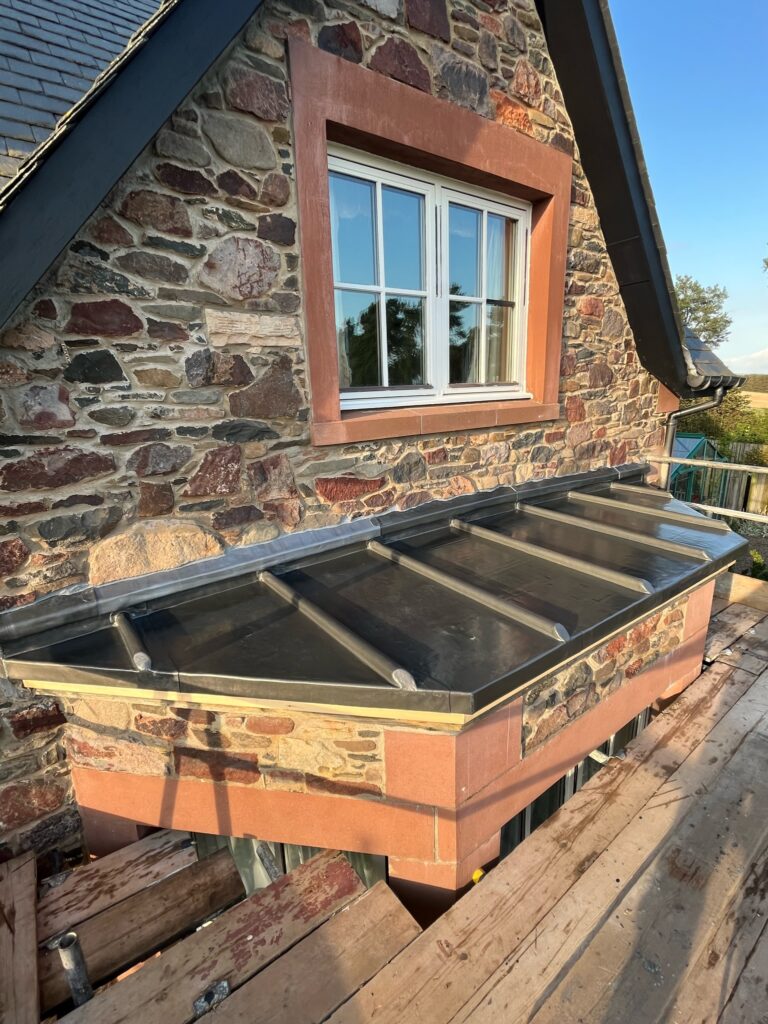
Lead flashings are strips of rolled lead sheet installed where roofs meet walls, chimneys, or other structures. Their purpose is to provide a durable, watertight seal that prevents water ingress. Unlike synthetic alternatives, lead is flexible, long-lasting, and able to cope with building movement.
In UK roofing, lead flashings are almost always specified because they are:
- Durable (service life 40–100 years)
- Flexible enough to dress into joints
- Compatible with slate, tile, and flat roof coverings
- Approved for use on heritage and listed buildings
Which Codes Are Used for Lead Flashings?
Choosing the right code is essential. While lighter codes like 3 are used for soakers, most lead flashings are formed from Code 4 or Code 5 rolled lead sheet.
| Code | Thickness | Use in Flashings |
|---|---|---|
| Code 3 | 1.32mm | Soakers only |
| Code 4 | 1.80mm | Step flashings, aprons, chimney flashings |
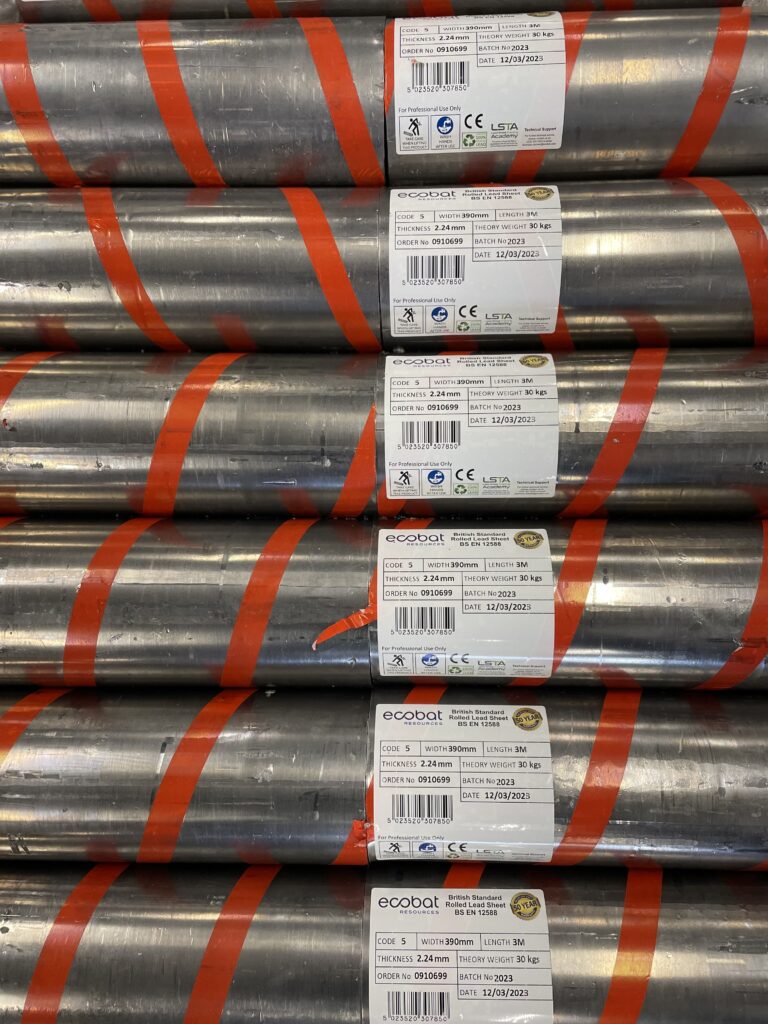
| Code 5 | 2.24mm | Back gutters, exposed flashings |
Browse all rolled lead sheet codes here to match your flashing requirements.
Types of Lead Flashings
Step Flashings
Cut into brickwork joints in a stepped pattern. Commonly formed from Code 4 lead. Perfect for pitched roofs abutting masonry walls.
Apron Flashings
Cover the front of a chimney or wall junction. Usually Code 4. Overlaps roof covering to create a watertight seal.
Back Gutters
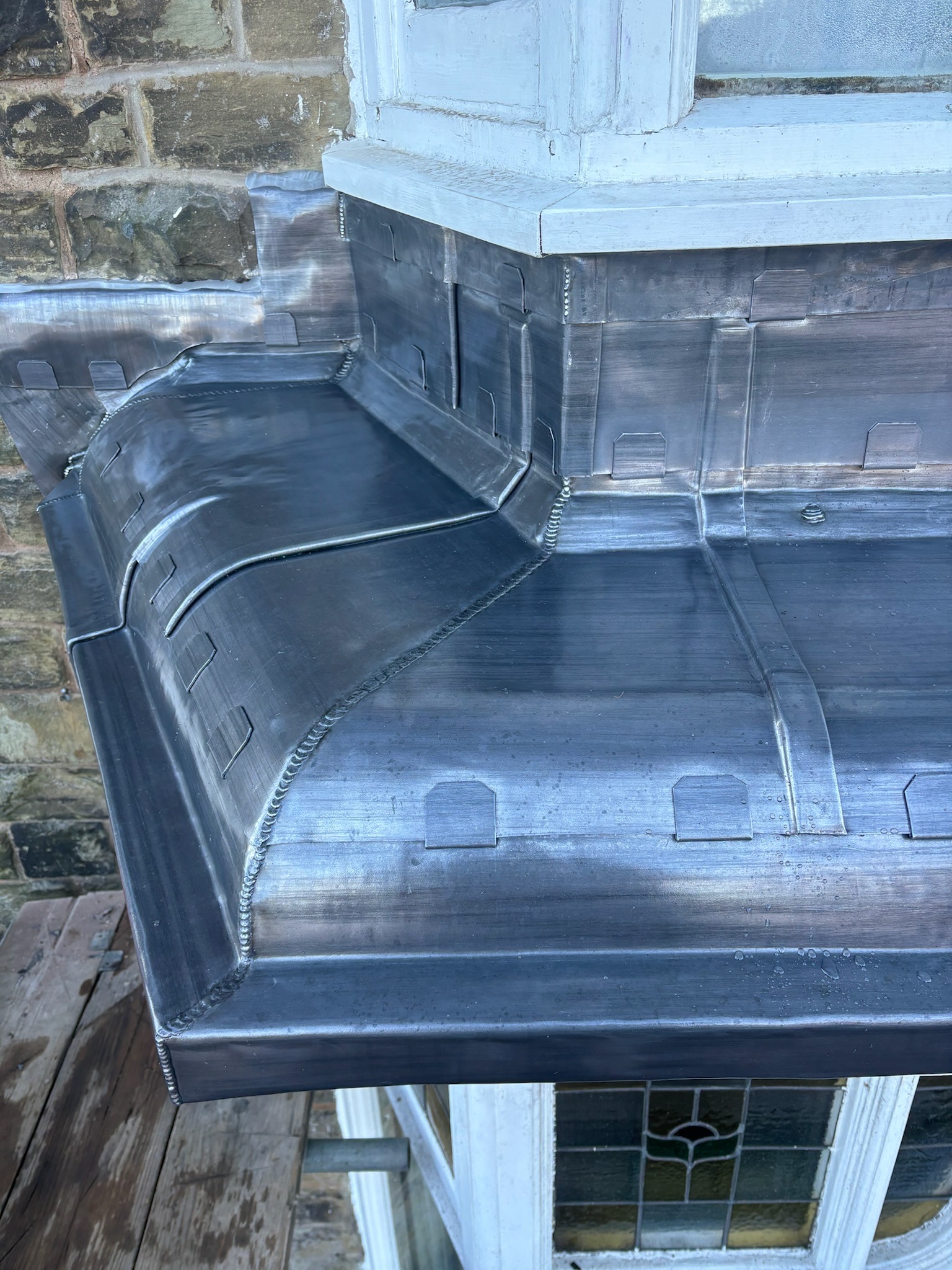
Sit behind chimneys to channel water away. Typically Code 5 due to water flow demands.
Saddle Flashings
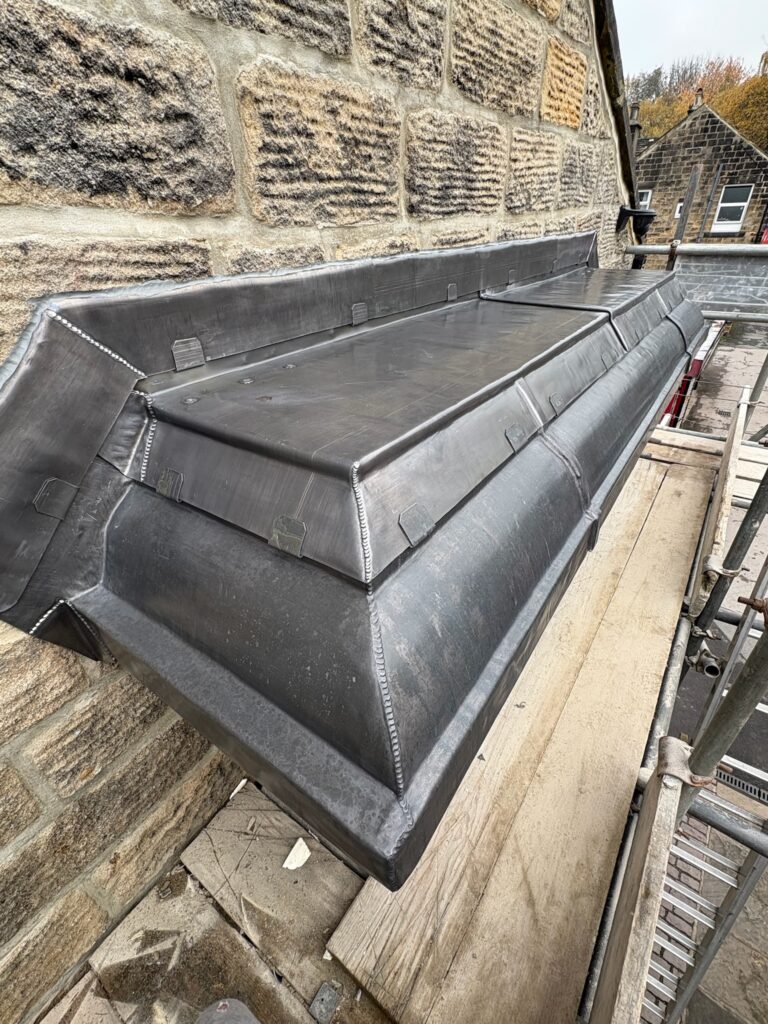
Formed over the top of chimneys where two roof slopes meet. Often fabricated on-site by bossing or welding lead.
Soakers
Inserted under individual slates/tiles beside upstands. Always Code 3 due to lightweight requirement.
Best Practices for Installing Lead Flashings
Correct installation of lead flashings ensures longevity. Follow BS 6915 recommendations:
- Use Code 4 for most flashings, Code 5 for back gutters.
- Insert at least 25mm into mortar joints.
- Use lead wedges or clips to secure — never over-fix.
- Dress lead carefully with bossing tools to avoid splits.
- Seal joints with lead-compatible sealant.
For complex chimneys or heritage details, professional installation by The Lead Lads or Neal Roofing is recommended.
Case Studies: Lead Flashings in Action
Terraced Chimney Flashings (Code 4)
A roofing team in Leeds used Code 4 lead to re-flash ten chimneys on Victorian terraces. Each flashing was cut into stepped brick joints and sealed, ensuring a 40-year service life.
Back Gutters on Detached House (Code 5)
On a property in Harrogate, Code 5 was used for chimney back gutters to handle heavy rainfall. The contractor ordered online, with palletised delivery direct to site.
Heritage Church Project (Mixed Codes)
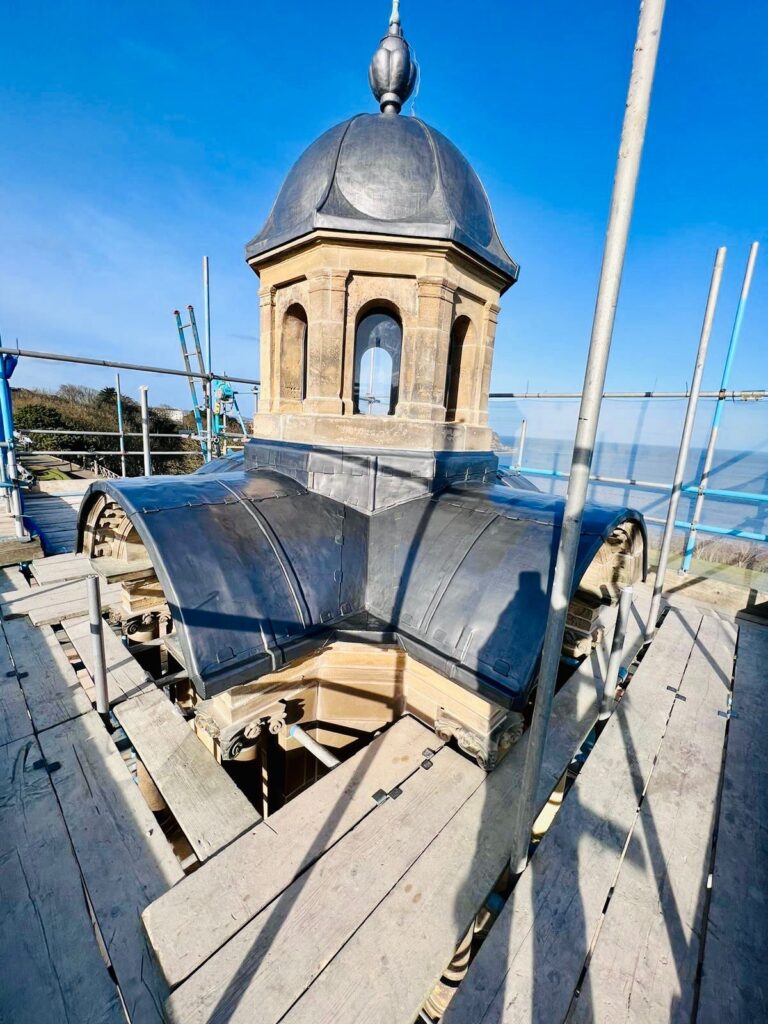
For a Grade II listed church, Code 4 was used for step flashings and Code 5 for large back gutters. The project was approved by the conservation officer due to BS EN 12588 compliance.
Sustainability of Lead Flashings
Lead flashings are not just durable — they’re also sustainable. Lead can be recycled indefinitely without losing quality. More than 95% of construction lead used in the UK comes from recycled sources. This makes lead a greener choice compared to disposable alternatives like plastic flashings.
Ordering Lead Flashings Online
You don’t need to buy pre-formed flashings. With rolled lead sheet, you can cut and form flashings on site to suit any project. Ordering is simple:
- Choose your code (3, 4, or 5).
- Select roll width and length.
- Add to basket and checkout securely.
- Receive nationwide delivery, palletised if required.
Frequently Asked Questions
What code of lead is best for lead flashings?
Most lead flashings are made from Code 4 lead. Code 5 is used for back gutters, while Code 3 is reserved for soakers.
How long do lead flashings last?
Lead flashings typically last 40–60 years, and often much longer when installed correctly to BS 6915 standards.
Are lead flashings better than alternatives?
Yes. Unlike plastic or aluminium substitutes, lead flashings are flexible, long-lasting, and sustainable. They are also required on heritage projects.
Can I buy ready-made flashings?
While some suppliers sell ready-made flashings, most contractors prefer to cut and form them on-site using rolled lead sheet, ensuring a perfect fit.
Do you deliver lead flashings nationwide?
Yes. Rolled lead sheet for flashings is delivered nationwide by The Lead Lads Shop, with pallet options for bulk orders.