

 Code 3 Lead
 Code 4 Lead
 Code 5 Lead
 Code 6 Lead



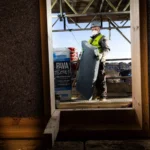


Lead Roof Inspection & Survey Guide: What Professionals Look for in 2026

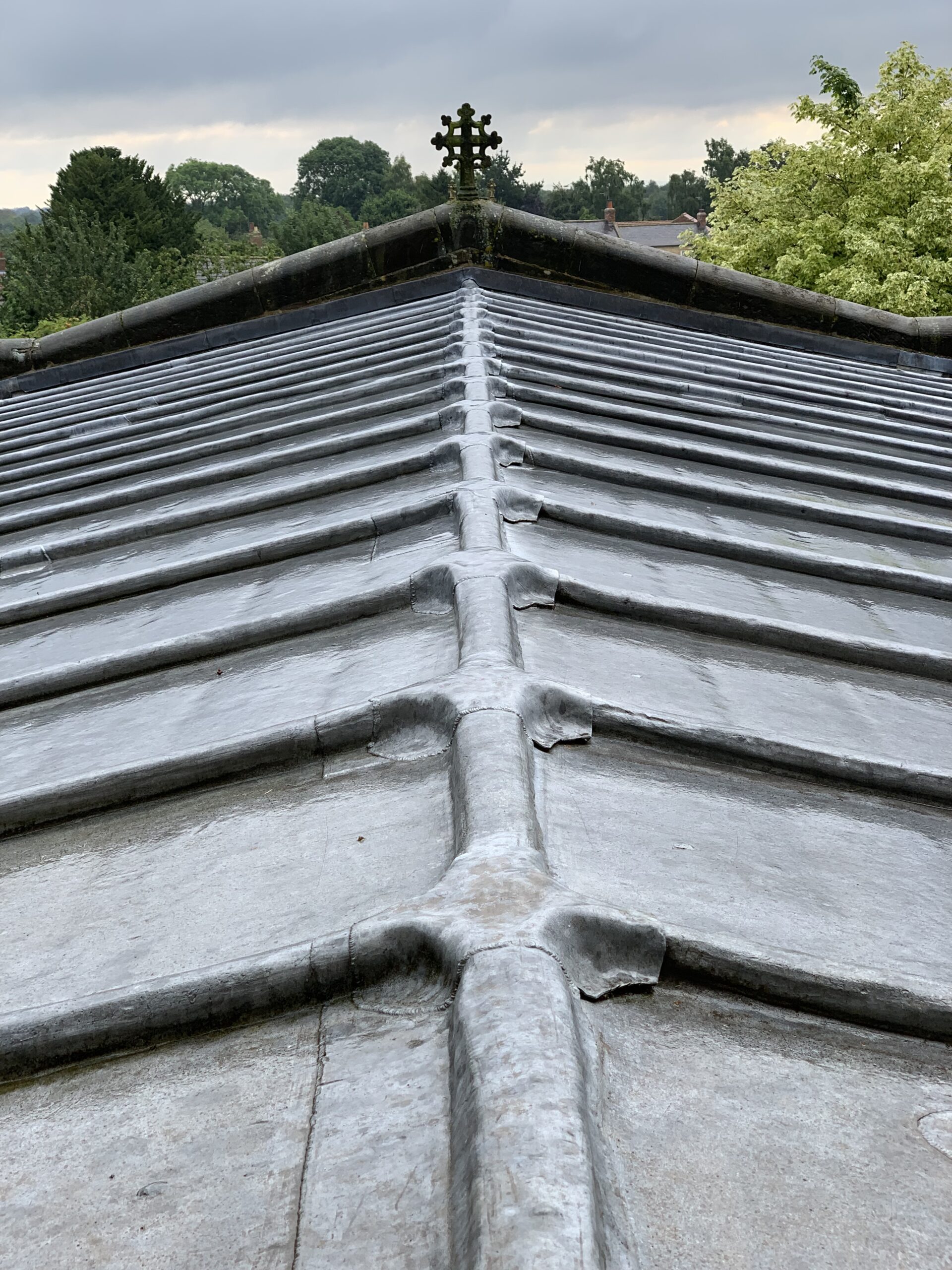
Lead Roof Inspection and Survey Guide (2026)
A professional lead roof inspection and survey is the most reliable way to understand the true condition of a lead roof. Unlike visual checks from ground level, a structured inspection identifies hidden defects, explains causation, and distinguishes between issues that require monitoring, maintenance, repair or replacement.
In 2026, lead roofs are frequently affected by changes in building performance, insulation upgrades and maintenance practices. As a result, many defects are concealed beneath the surface and only become apparent when failure is advanced. A properly conducted lead roof inspection and survey prevents guesswork, reduces unnecessary works and protects long-term asset value.
This guide explains how professional lead roof inspections are carried out, what surveyors and specialists look for, and how inspection findings inform proportionate decision-making.
Why a Lead Roof Inspection and Survey Is Essential
Lead roofing has an exceptional lifespan when correctly designed, installed and maintained. However, even well-constructed roofs can deteriorate prematurely if defects go undetected. A lead roof inspection and survey provides early warning of issues that are otherwise invisible.
Common triggers for commissioning a lead roof inspection and survey include:
- unexplained water ingress or damp staining
- suspected condensation beneath leadwork
- visible cracking, distortion or surface defects
- pre-purchase or pre-refurbishment due diligence
- dispute resolution or liability assessment
Without inspection, repairs are often reactive and incomplete. Survey-led diagnosis ensures interventions address root causes rather than symptoms.
Inspection vs Survey: Understanding Scope and Purpose
Although often used interchangeably, there is an important distinction between a lead roof inspection and a lead roof inspection and survey.
- Inspection: a visual and functional assessment identifying apparent defects, drainage issues and immediate concerns.
- Survey: a structured assessment that evaluates condition, causation, risk and future performance, typically documented in a formal report.
A full lead roof inspection and survey explains why defects have occurred, how serious they are, and what action is appropriate. This distinction is critical when deciding between repair, monitoring or replacement.
The Role of Independent Building Surveyors
Independent diagnosis is fundamental to a credible lead roof inspection and survey. Building surveyors assess condition objectively, without commercial bias toward repair scope.
During a professional lead roof inspection and survey, surveyors typically:
- review roof construction and detailing strategy
- identify defect patterns and moisture behaviour
- differentiate rainwater ingress from condensation
- assess risk to structure and finishes
- advise on proportionate remedial options
Where formal reporting is required, engaging Strut Building Surveyors ensures findings are evidence-based, defensible and suitable for purchasers, insurers, managing agents or legal processes.
What Professionals Look for During a Lead Roof Inspection
A competent lead roof inspection and survey follows a methodical process rather than a superficial visual check.
1. Surface Condition
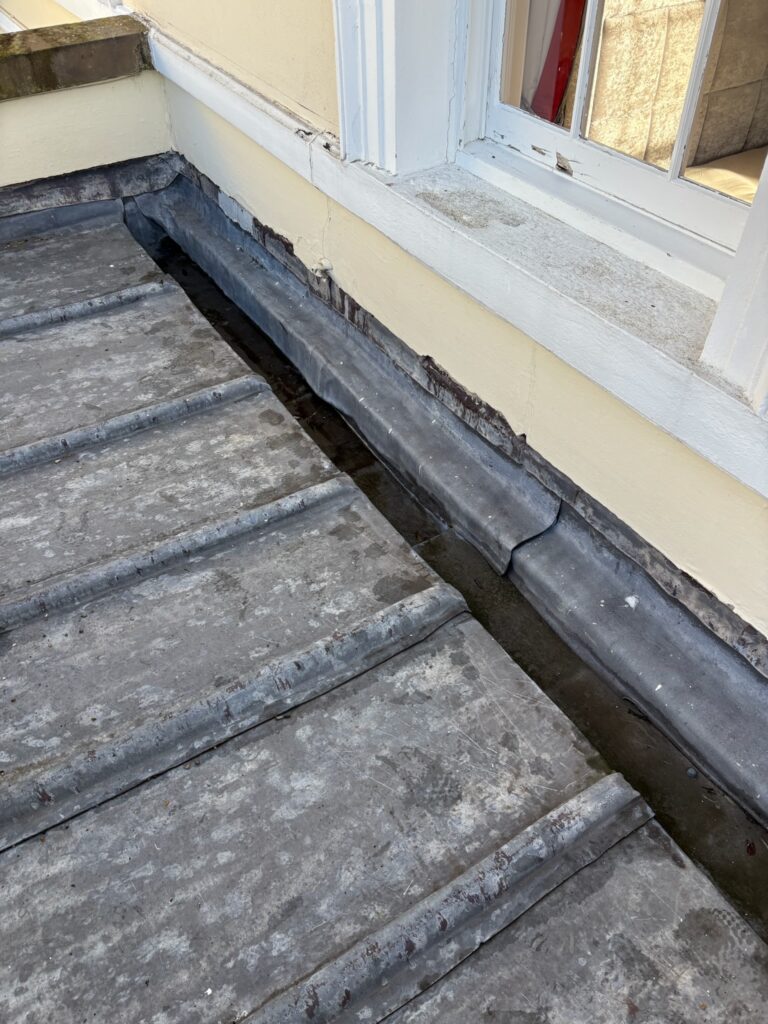
Inspectors assess cracking, splitting, buckling, creep and deformation. The orientation and location of defects often indicate whether they are design-led, movement-related or maintenance-driven.
2. Bay Geometry and Movement
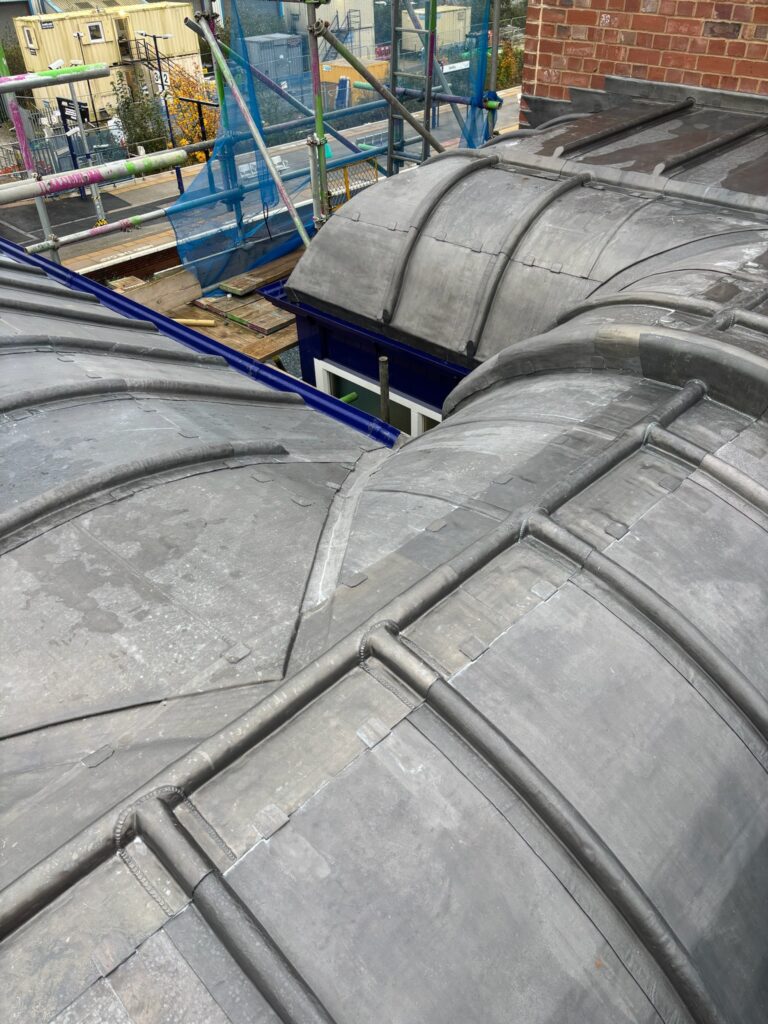
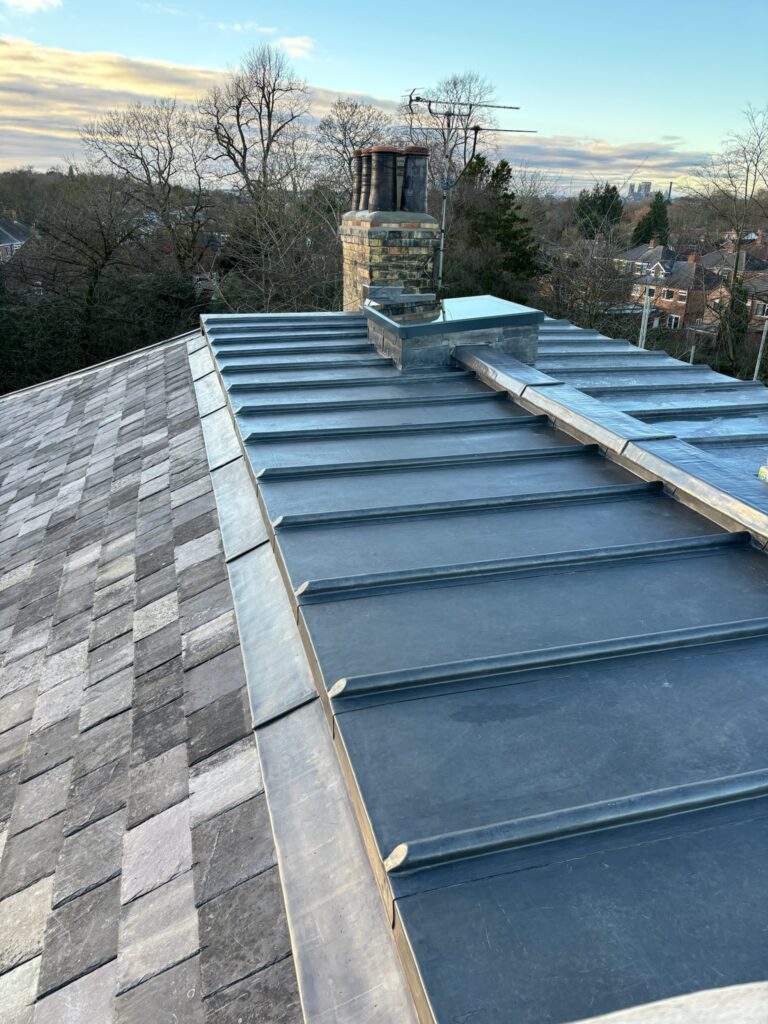
Bay sizes, joint spacing and restraint points are reviewed. Incorrect geometry is one of the most common findings during a lead roof inspection and survey.
3. Flashings and Junctions
Abutments, step flashings and cover flashings are examined for lap adequacy, chase depth, fixing integrity and movement accommodation.
4. Drainage Performance
Outlets, gutters and valleys are checked for debris accumulation, standing water and fall adequacy. Drainage defects often underpin multiple failure modes.
5. Ventilation and Condensation Risk
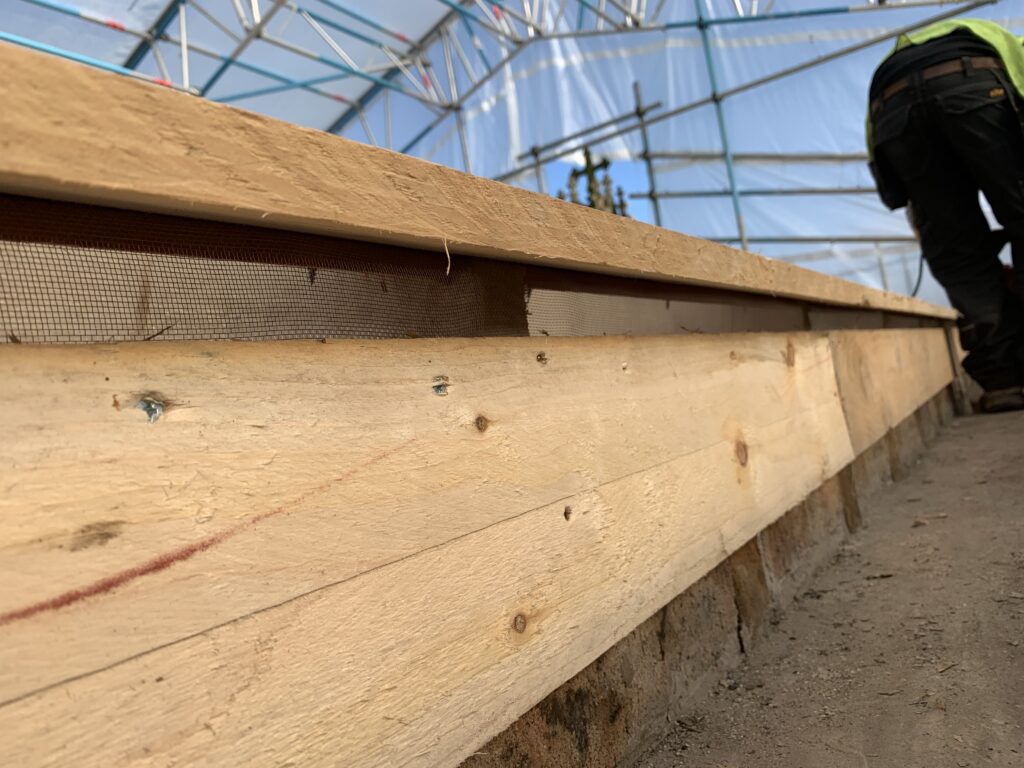
Inspectors look for mould growth, timber decay and blocked airflow paths. Condensation beneath lead is increasingly common in modern and refurbished buildings.
The Role of Roofing Contractors in Inspection-Led Diagnosis
While surveyors diagnose and report, experienced roofing contractors provide essential practical insight during complex lead roof inspection and survey exercises.
Inspection-led input from GNR Roofing supports:
- understanding how lead defects interact with wider roof systems
- assessing feasibility of repair versus replacement
- identifying access, sequencing and safety constraints
- informing realistic remedial strategies
This collaboration ensures survey recommendations are technically viable and proportionate.
The Role of Specialist Leadwork Inspectors
Lead behaves differently from other roofing materials. Where defects involve movement, bay sizing or detailing, specialist input is essential.
During a lead roof inspection and survey, specialist assessment from The Lead Lads typically focuses on:
- lead code suitability
- bay layout and joint configuration
- movement allowance and restraint points
- repair feasibility versus re-lay
- compatibility with existing details
This ensures that inspection findings translate into durable corrective work rather than short-term fixes.
Common Defects Identified in Lead Roof Surveys
Across professional practice, recurring findings during a lead roof inspection and survey include:
- fatigue cracking caused by oversized bays
- creep deformation on pitched elements
- blocked outlets causing prolonged standing water
- condensation beneath unventilated leadwork
- patina breakdown due to debris retention
- damage from uncontrolled foot traffic
Importantly, these issues often occur together. A competent lead roof inspection and survey explains how defects interact and compound over time.
Inspection Techniques Used in 2026
Modern lead roof inspection and survey techniques extend well beyond ladder access. Depending on context, professionals may use:
- drone surveys for high or complex roofs
- borescope access to concealed voids
- moisture meters to assess timber condition
- seasonal comparison to identify condensation patterns
These methods allow early diagnosis before defects become visually obvious or structurally significant.
Why Inspection Should Always Precede Repair
Repairing leadwork without a prior lead roof inspection and survey is one of the most common causes of repeat failure. Isolated repairs can introduce restraint, block ventilation or mask underlying issues.
A structured survey ensures:
- repairs address causation, not symptoms
- works are proportionate and targeted
- future failure risk is reduced
Planning a Lead Roof Inspection?
Independent diagnosis prevents unnecessary replacement and reduces long-term cost.
Arrange an Independent SurveySpecialist Leadwork Assessment
How Often Should Lead Roofs Be Inspected and Surveyed?
As a general guide:
- Routine inspection: annually and after major storms
- Formal condition survey: every 5–10 years
- Before purchase or refurbishment: always
Regular lead roof inspection and survey cycles significantly extend service life and reduce reactive repair costs.
Conclusion: Inspection Is the Foundation of Lead Roof Performance
A professional lead roof inspection and survey replaces assumption with evidence. By combining independent diagnosis, roofing context and specialist leadwork assessment, defects can be identified early and resolved correctly.
In 2026, inspection is not optional for lead roofing — it is fundamental to durability, value and risk management.
For independent reporting, engage Strut Building Surveyors. For complex roofing context and remedial strategy, involve GNR Roofing. For specialist leadwork inspection and execution planning, consult The Lead Lads.