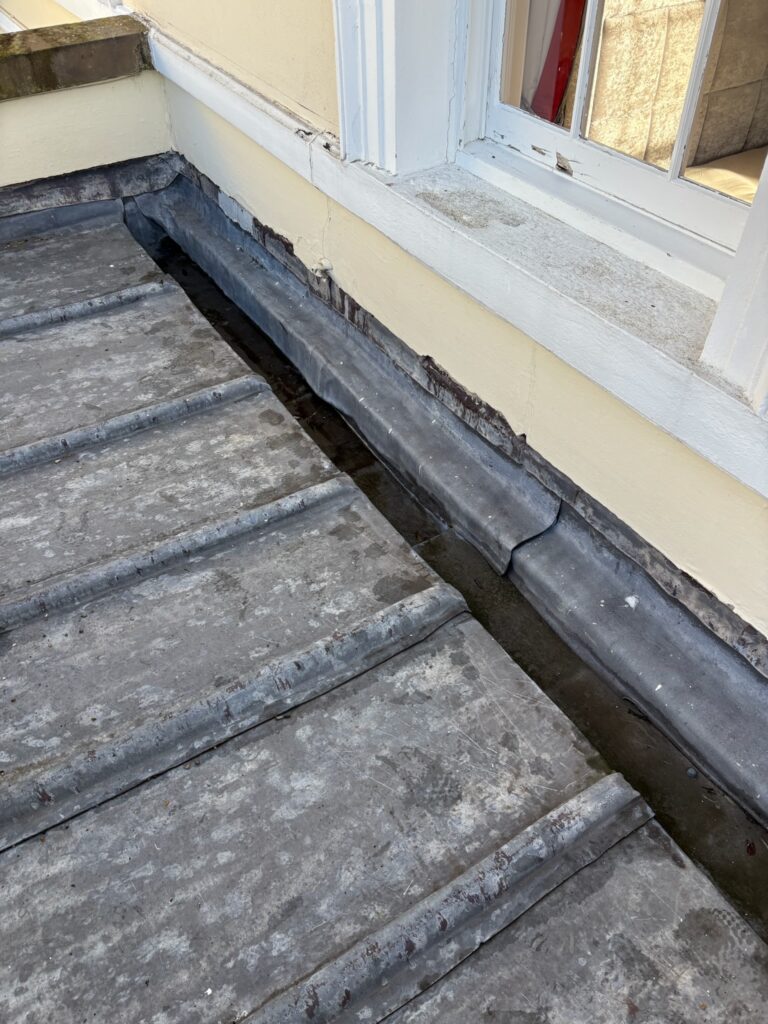

 Code 3 Lead
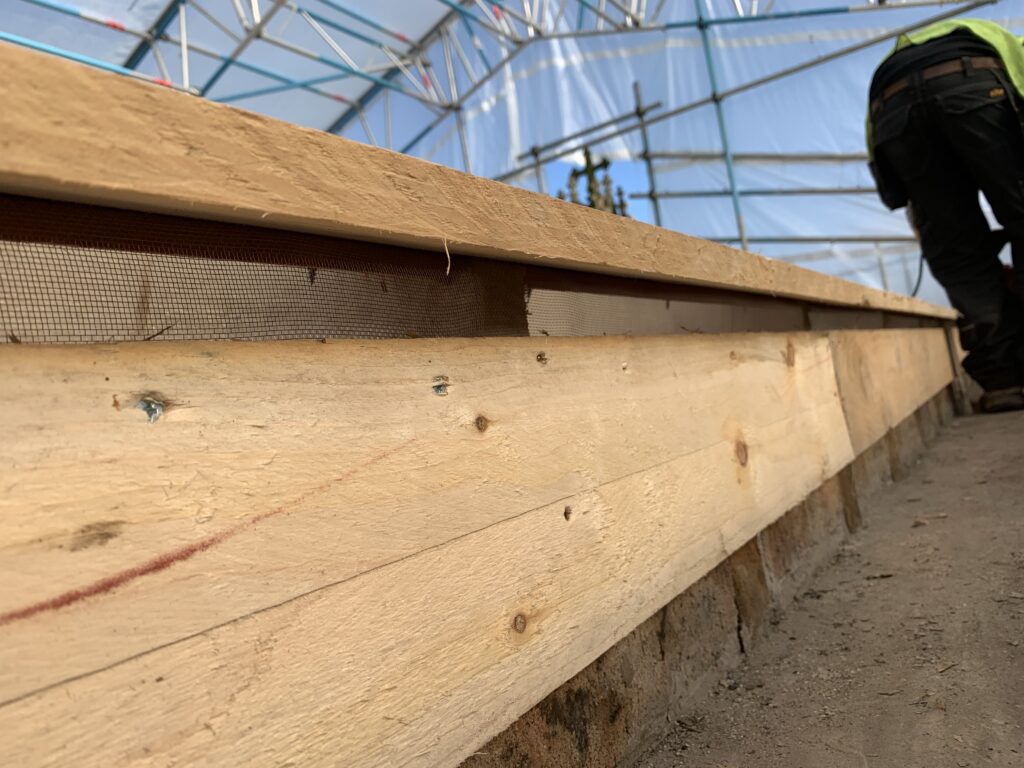
 Code 4 Lead
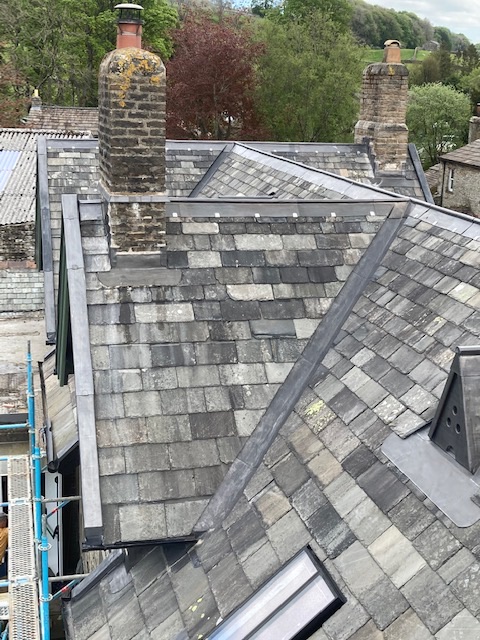
 Code 5 Lead
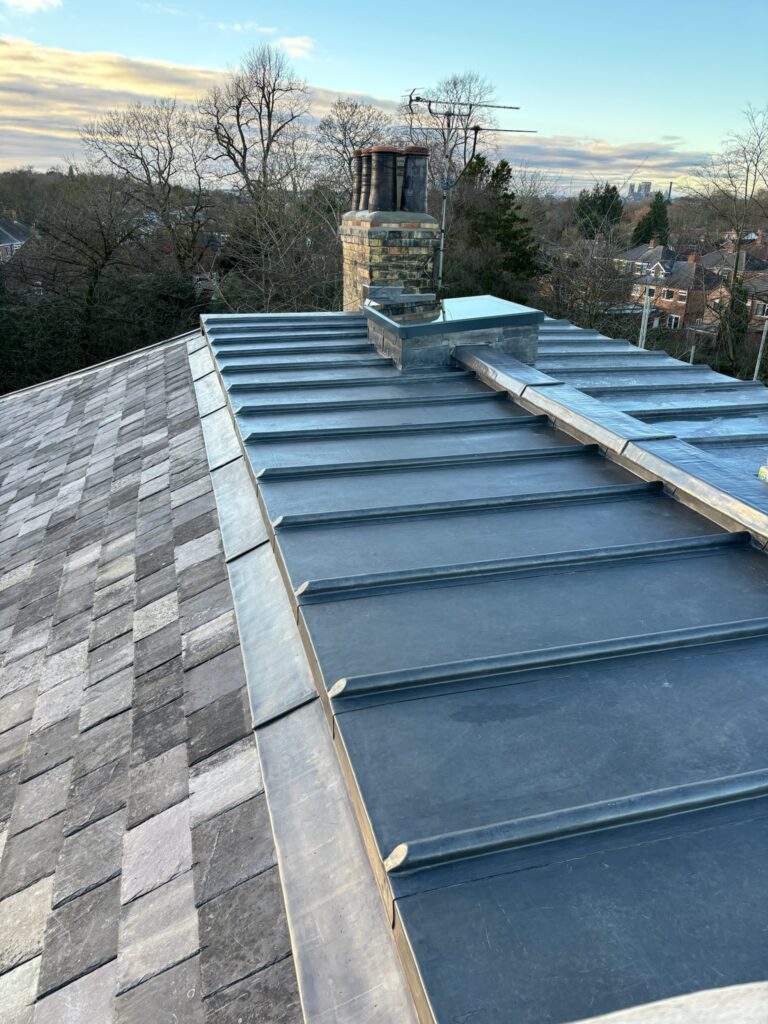
 Code 6 Lead




Lead Roof Failures Explained: 8 Building Pathology Patterns Every Surveyor Should Know (2026 Edition)


Lead Roof Failures Explained: 8 Building Pathology Patterns Every Surveyor Should Know (2026 Edition)
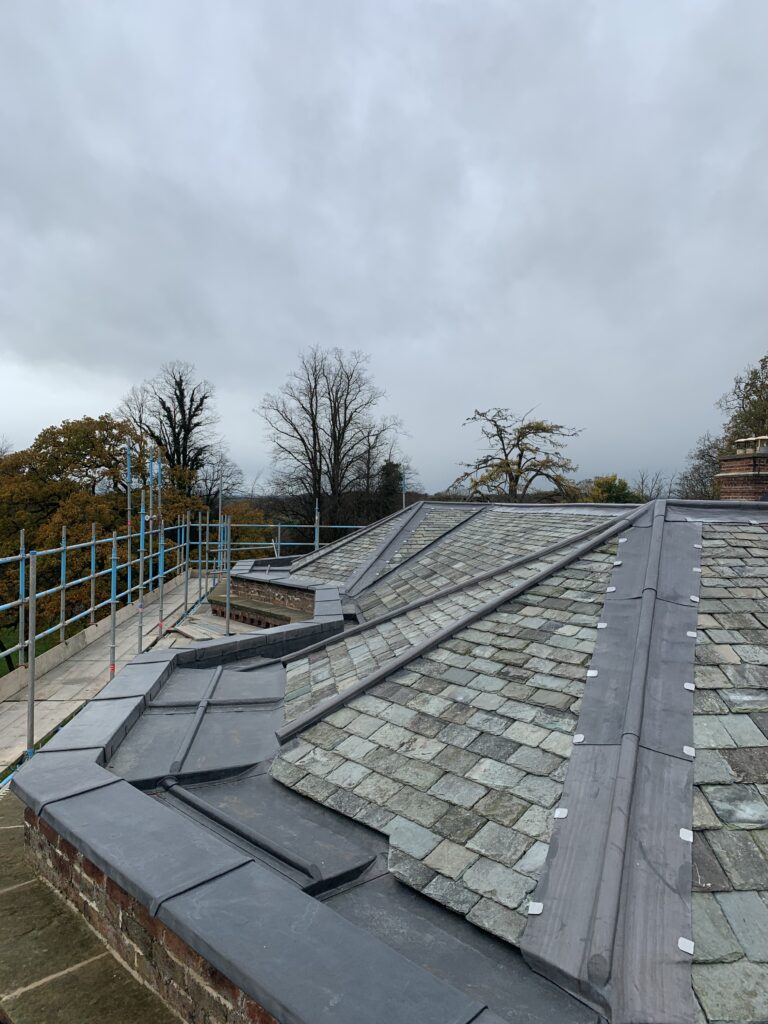
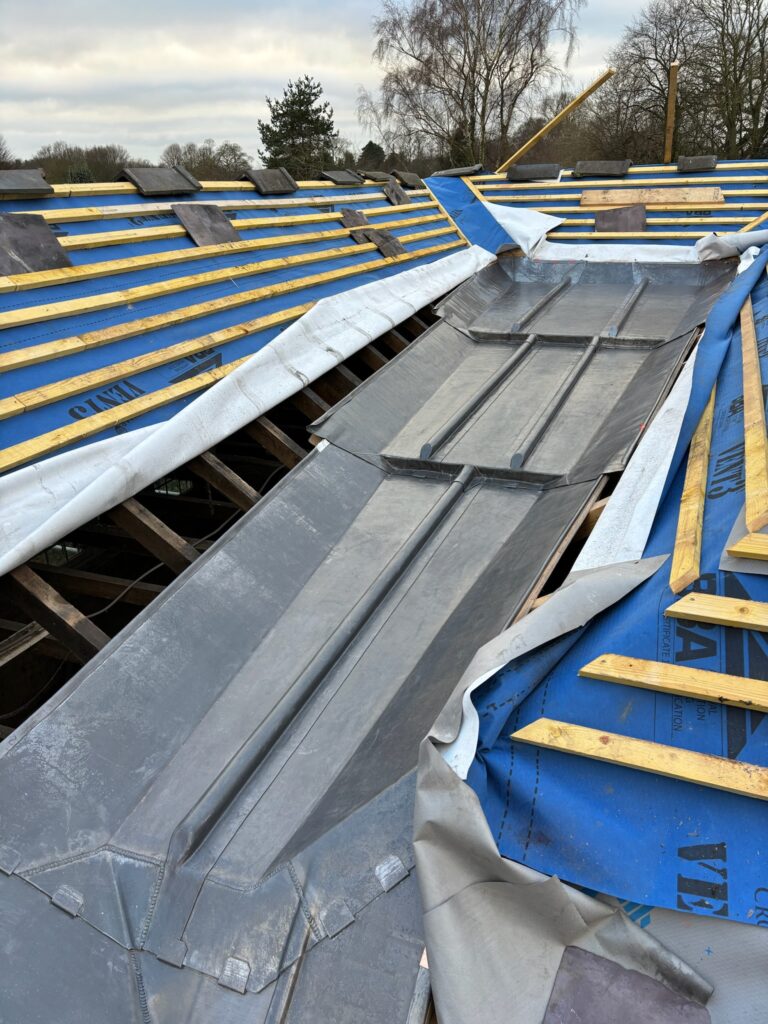
The durability of lead roofing is unparalleled—yet surveyors continue to identify preventable lead roof failures caused by incorrect detailing, inappropriate lead codes, poor ventilation, substrate movement or workmanship shortcuts. Even though correctly installed lead can last 80–100 years, real-world data from survey inspections shows that poorly executed leadwork may fail within ten. Understanding the underlying building pathology behind lead roof failures is essential for correct diagnosis, accurate reporting, and effective long-term repair strategies. This authoritative 2026 edition examines eight core lead roof failure patterns that every building surveyor, architect, contractor and property owner should be able to recognise.
If expert help is required in diagnosing complex lead roof failures, Strut Building Surveyors provide professional defect analysis, drone inspections, moisture mapping and technical reporting. When remedial work is needed, Neal Roofing and The Lead Lads deliver BS 6915-compliant corrective leadwork across the UK.
Need Materials for Repairing Lead Roof Failures?
All our rolled lead is manufactured to BS EN 12588, ensuring high performance during corrective work on any lead roof failures.
Shop Rolled Lead1. Fatigue Cracking from Thermal Movement
Fatigue cracking is one of the most widespread lead roof failures seen in UK surveys. Lead expands and contracts significantly with temperature changes, and if bays exceed recommended lengths or movement is restricted, cyclic stress causes micro-fractures that eventually form visible cracks. These cracks often occur at the midpoint of bays or near restrained fixings.
Recognisable indicators of this lead roof failure pattern include:
- Short, sharp cracks running perpendicular to movement direction
- Crazing or early-stage fissuring around fixed edges
- Water ingress marks beneath cracked areas
- Slight uplift or bowing adjacent to fractures
Fatigue cracking typically arises from incorrect bay design, over-restraint or inappropriate lead code selection. Surveyors from Strut Building Surveyors often identify this defect in older roofs lacking expansion joints or where installers disregarded LSTA bay-size tables.
2. Creep Deformation and Down-Slope Movement
Creep is another common cause of lead roof failures, particularly on pitched roofs. Although often misattributed to installation error, creep is a predictable behaviour where the weight of lead causes gradual downward slippage over time—especially where thermal expansion repeatedly cycles the material.
Signs of this lead roof failure pattern include:
- Exposure of laps or fixings at the upper edge of bays
- Downhill bulging or “bellying-out” of the central section
- Compression folds near the drip edge
- Mortar displacement at upper abutments
Mitigation requires correct clipping, welting and bay sizing. Contractors such as The Lead Lads specialise in correcting creep deformation by redesigning bay configurations based on BS 6915 movement guidelines.
3. Buckling and Distortion from Incorrect Bay Dimensions
Buckling occurs when thermal movement is constrained and the lead cannot expand evenly. It is one of the most visually obvious lead roof failures, often seen on dormer roofs, parapet gutters and flat lead bays.
Diagnostic indicators include:
- Ridges or waves across the bay
- Sharp buckles developing near restrained edges
- Stress lines pointing toward fixing points
- Eventual tearing or cracking if left uncorrected
This lead roof failure pattern almost always results from exceeding maximum LSTA bay lengths or failing to incorporate expansion joints. Remedial work involves stripping the area and redesigning bay layout—a task commonly undertaken by Neal Roofing.
4. Moisture Ingress Through Failed Flashings
Flashing defects account for a significant percentage of lead roof failures because they occur at junctions where water loading is greatest. Flashings rarely fail due to lead quality—instead, failures arise from detailing errors, degraded mortar, insufficient laps or incorrect sequencing.
Common issues include:
- Loose or missing wedges allowing water to track behind lead
- Mortar shrinkage causing capillary gaps
- Flashing installed above—not into—the chase
- Step flashings not interleaved with soakers correctly
This lead roof failure pattern often becomes visible internally first, with damp staining or plaster decay. Professional inspection from Strut Building Surveyors is recommended when moisture pathways are unclear.
5. Condensation Failures Beneath Lead Sheets
Condensation-related lead roof failures are frequently overlooked because the symptoms occur beneath the sheet rather than above. When ventilation is inadequate, moisture becomes trapped between lead and substrate, causing timber decay, mould growth and corrosion staining.
Typical symptoms include:
- Black fungal growth on boarding
- Damp marks beneath ceilings during winter
- Corrosion trails from fixings
- Drips forming behind soffits
This lead roof failure pattern is especially common in heritage buildings where internal humidity is high and ventilation voids are limited. Corrective action follows BS 6915 ventilation principles and may require re-laying lead over breathable membranes.
Regulatory reference: Approved Document F.
6. Corrosion and Patina Breakdown
Although lead is highly corrosion-resistant, certain environments can accelerate degradation. When the patina is disrupted, the protective barrier weakens, leading to surface corrosion, pitting or streaking. While not as severe as structural failures, these issues represent a significant group of lead roof failures observed in urban and coastal environments.
Accelerating factors include:
- Acidic runoff from stone or brick
- Rainfall from copper or zinc surfaces
- Organic growth holding moisture against the lead
- Standing water in low spots
Remedial work generally involves cleaning, re-patination, or membrane isolation—tasks well suited to The Lead Lads.
7. Fixing Failures: Over-Restraint and Under-Restraint
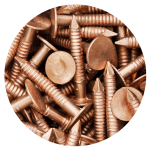
Improper fixing remains one of the most preventable lead roof failures. BS 6915 clearly mandates the use of copper or stainless-steel annular ring-shank nails and correct fixing positions. When installers deviate from this guidance, failure is almost inevitable.
- Over-restraint → leads to tearing, cracking and deformation
- Under-restraint → leads to wind uplift, rattling and detachment
Symptoms of this lead roof failure pattern include nail pull-through, distorted clips, or flashing tails lifting in high winds. Corrective work normally involves re-fixing or complete replacement of the affected bay.
8. Substrate Failure Beneath the Lead
Some lead roof failures arise not from the metal itself but from the substrate supporting it. When the substrate deflects, decays or becomes saturated, the lead above moves in response, often tearing or deforming.
Common substrate issues include:
- Deflected boarding causing ponding
- Wet rot or fungal decay in timber
- Masonry deterioration behind flashings
- Insufficient falls in gutters
This lead roof failure pattern requires joint involvement from both surveyors and leadwork contractors. Strut Building Surveyors can diagnose underlying structural conditions, while Neal Roofing and The Lead Lads can undertake corrective structural and leadwork repairs.
Repairing Lead Roof Failures?
We supply all lead codes and accessories required to correct any of the lead roof failure patterns outlined above.
Shop Rolled LeadConclusion: Understanding Lead Roof Failures Enables Better Surveying and Repair
The eight categories of lead roof failures explored in this guide represent the core pathology patterns that RICS surveyors and specialist contractors encounter throughout the UK. Whether caused by thermal movement, substrate decay, detailing errors or ventilation deficiencies, these lead roof failure patterns can be diagnosed accurately through structured investigation and corrected through BS 6915-compliant workmanship.
For expert assessment, Strut Building Surveyors provide professional reporting, moisture analysis and inspection services. For corrective work, The Lead Lads and Neal Roofing deliver industry-leading craftsmanship backed by decades of experience.
With the correct understanding of lead roof failures and a forensic approach to identifying their causes, property owners and professionals can ensure lead roofing systems achieve their full service life well into the future.