
 Code 3 Lead
 Code 4 Lead
 Code 5 Lead
 Code 6 Lead






9 Proven Ways to Extend the Life of Your Lead Roof (Expert Lead Roof Maintenance Checklist)


9 Proven Ways to Extend the Life of Your Lead Roof (Expert Maintenance Checklist)
Lead remains one of the most durable and resilient roofing materials available in the UK. When detailed and maintained correctly, leadwork can exceed 80–100 years of service life. Yet surveyors frequently encounter premature failures not due to the material itself, but due to avoidable neglect, inadequate maintenance, or incorrect detailing. This authoritative guide provides a comprehensive approach to lead roof maintenance, helping building owners, surveyors and installers protect their investment and reduce long-term repair costs.
Drawing on BS 6915, LSTA guidance and common building pathology findings, this guide also includes an expert lead roof maintenance checklist to help you implement structured inspection and maintenance routines. Whether your project involves heritage buildings, domestic dwellings or commercial roofing systems, these nine proven methods will ensure your lead roof performs to its full design life.
Need Materials for Lead Roof Repairs?
Explore our full range of BS EN 12588 rolled lead sheet for compliant lead roof maintenance.
Shop Rolled Lead Sheet1. Conduct Scheduled Inspections Twice Per Year
The foundation of effective lead roof maintenance is regular inspection. Surveyors typically recommend spring and autumn inspections, ensuring that thermal cycles, storm conditions and freeze–thaw periods have not caused deterioration. Lead is durable, but its performance depends on the condition of associated elements such as mortar joints, flashings, fixings and substrate integrity.
Key areas to inspect include:
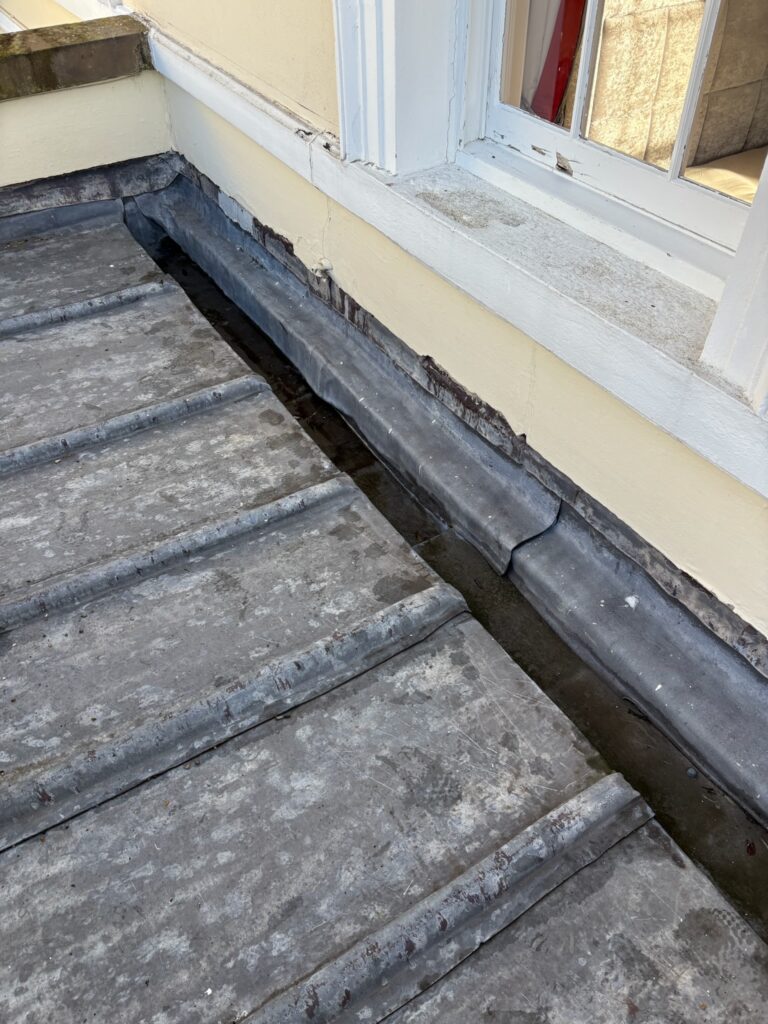
- Step and cover flashings
- Back gutters and front aprons
- Parapet gutters and box gutters
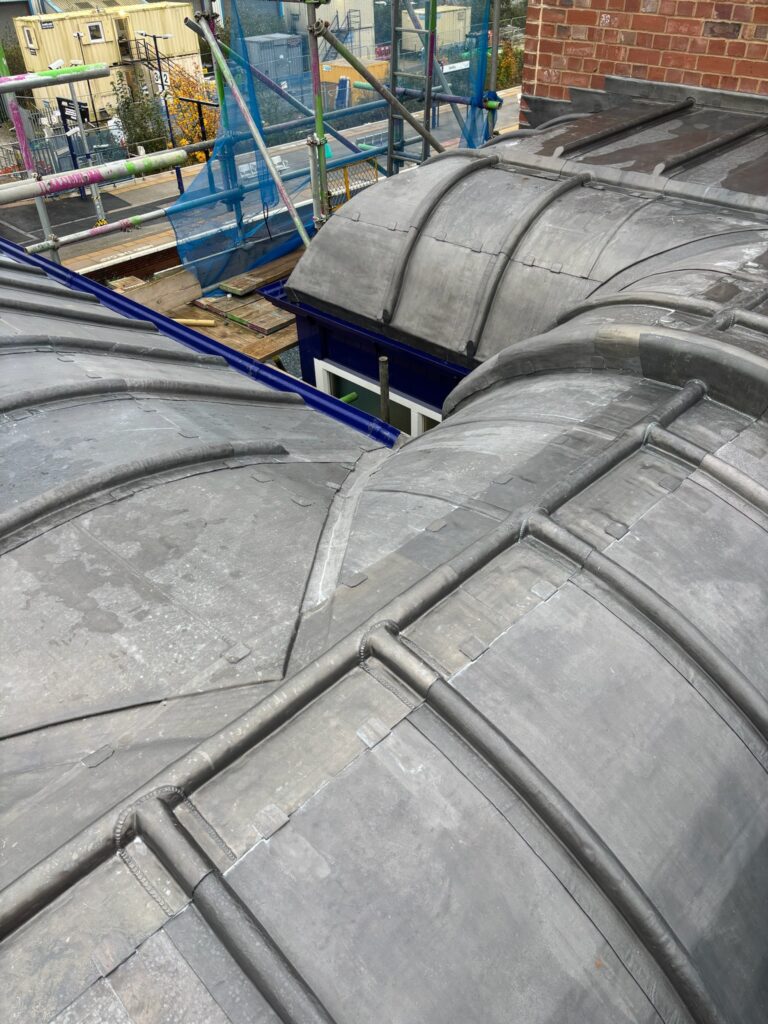
- Lead rolls and standing seams
- Chase mortar and fixings
Scheduled inspections extend service life by identifying early-stage deterioration such as minor cracks, creep deformation or mortar shrinkage before they escalate into costly repairs. Including this in your lead roof maintenance checklist ensures small defects do not become major failures.
2. Monitor Movement, Creep and Deformation Patterns
Lead expands significantly with temperature changes. Over time, this movement can cause creep or visible distortion—especially where bays exceed LSTA recommendations. Understanding these patterns is essential for accurate lead roof maintenance. Indicators include:
- Buckling along mid-bay sections
- Creep toward lower roof edges
- Stress fractures near fixings or corners
- Displaced chase mortar
Surveyors often detect movement-related issues during periodic maintenance inspections, particularly on south- or west-facing elevations. Corrective action may include installing expansion joints, re-sizing bays, or replacing incorrectly restrained sections. This is one of the most important items to include in your lead roof maintenance checklist.
3. Maintain and Repair Mortar Joints Promptly
Defective mortar joints are one of the most common causes of moisture ingress in lead roofing systems. Hard cement mortars, structural movement, and thermal cycling often lead to cracking or detachment. This can allow water to track behind flashings, causing concealed dampness and timber decay.
Effective lead roof maintenance requires:
- Repointing with flexible, lime-based mortars or specialist sealants
- Checking chase depth (minimum 25mm)
- Replacing loose or missing lead wedges
- Ensuring joints are fully packed and watertight
Mortar deterioration is often misdiagnosed as flashing failure. Your lead roof maintenance checklist should always treat mortar integrity as a critical inspection element, particularly around chimneys, abutments and parapets.
4. Clear Gutters, Parapets and Drainage Channels
Poor drainage is a major contributor to premature lead roof failure. Blocked outlets can cause standing water, increased loading, frost damage and accelerated metal fatigue. As part of structured lead roof maintenance, drainage systems should be inspected and cleared frequently.
Common drainage risks include:
- Leaf debris accumulation in autumn
- Plant growth in parapet gutters
- Ice dams forming in winter
- Incorrectly graded gutter falls
Surveyors often find that drainage-related issues accelerate wear on lead gutters and aprons. Therefore, all drainage routes should be an essential component of your lead roof maintenance checklist.
5. Inspect Flashings, Soakers and Junctions
Junctions are where the majority of roofing defects occur. Incorrect sequencing, poor lap formation, and inadequate upstand heights are common problems encountered during professional inspections. Effective lead roof maintenance therefore requires careful monitoring of:
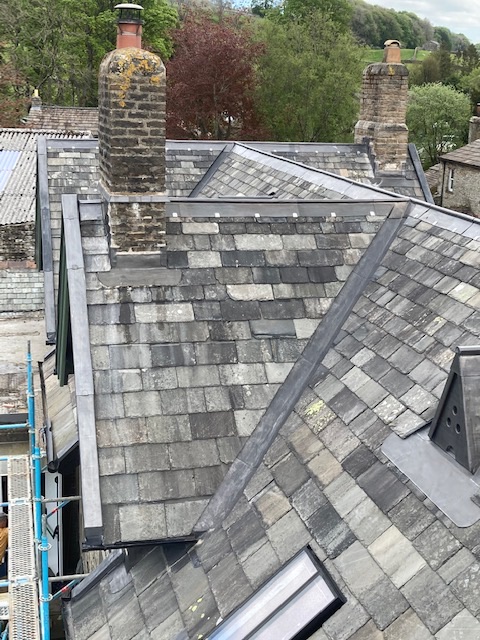
- Step flashings
- Soakers for tiled or slated roofs
- Continuous abutment flashings
- Chimney back gutters
- Saddle flashings and weatherings
The LSTA provides detailed guidance on correct detailing. If flashing components deviate from these standards, maintenance intervention may be required. Flashing junctions must form a prominent part of your lead roof maintenance checklist.
6. Protect Lead from Abrasion, Foot Traffic and Mechanical Damage
Lead is durable, but it can be vulnerable to sharp impact or repeated foot traffic. Surveyors often record abrasion marks, punctures or indentation where tradespeople have used lead surfaces as a working platform. Effective lead roof maintenance includes minimising mechanical wear by:
- Restricting rooftop access
- Using boards or crawl paths where access is unavoidable
- Inspecting for puncture marks after other contractors have visited
- Checking for impact damage caused by falling branches or debris
Mechanical damage is particularly harmful on gutters and flat surfaces where standing water increases corrosion risks. This is why abrasion protection is a key part of any lead roof maintenance checklist.
7. Remove Organic Growth and Surface Contaminants
Moss, lichen and bird fouling can retain moisture against the lead surface, leading to aesthetic staining and accelerated corrosion. While lead naturally resists corrosion, long-term stagnation of organic matter may compromise the protective patina. For this reason, all lead roof maintenance procedures should include periodic cleaning of organic growth.
Acceptable cleaning methods include:
- Soft brushing (never wire brushes)
- Warm water and mild detergent
- Application of fungicidal treatments where appropriate
Cleaning methods must never abrade the metal surface. This maintenance item is often overlooked but should be incorporated into your lead roof maintenance checklist to preserve long-term visual and structural performance.
8. Identify and Address Condensation Risks
Condensation beneath lead roofing is a commonly misdiagnosed issue. Inadequate ventilation can trap moisture at the interface between lead and timber substrates. Over time, this can cause timber decay, mould growth, and corrosion staining. Robust lead roof maintenance requires understanding hygrothermal conditions and ensuring adequate ventilation pathways.
Indicators of condensation-related issues include:
- Damp staining on the underside of boards
- Fungal growth on adjacent timbers
- Drip marks on insulation layers
- Corrosion trails on fixings
The Approved Document F provides ventilation guidance. Condensation risks must be included in your lead roof maintenance checklist, particularly on heritage buildings where ventilation voids may be restricted.
9. Establish a Lead Roof Maintenance Strategy (With Written Records)
Professional asset management requires structured planning. A documented lead roof maintenance strategy ensures accountability, enables predictable budgeting, and helps property owners demonstrate compliance with maintenance obligations—particularly relevant in commercial and multi-residential buildings.
Your written strategy should include:
- Inspection frequency and dates
- Drainage clearing schedule
- Mortar joint monitoring
- Flashings and junction checks
- Photographic records
- Defect tracking
- Intervention thresholds
Surveyors frequently emphasise the value of written maintenance logs, especially when diagnosing recurring moisture issues or planning future refurbishment works. This is the final and most essential component of a thorough lead roof maintenance checklist.
Need Expert Materials for Lead Roof Repairs?
All materials in our shop comply with BS EN 12588, making them ideal for long-term lead roof maintenance.
Shop Rolled LeadLeadwork Guides
Conclusion: A Professional Approach to Lead Roof Maintenance
Proper lead roof maintenance is essential for ensuring a lead roof reaches its full design life. With the right inspection schedule, drainage management, flashing oversight, ventilation strategy and damage prevention measures, leadwork can outperform almost any other roofing material. The nine principles in this guide—supported by the structured lead roof maintenance checklist—provide a clear framework for owners, surveyors and contractors seeking long-term resilience and compliance.
By combining technical knowledge with proactive inspection and documentation, you can ensure your lead roof performs reliably for decades.