

 Code 3 Lead
 Code 4 Lead
 Code 5 Lead
 Code 6 Lead






Rolled Lead Sheet Price 2025: LME Lead Explained

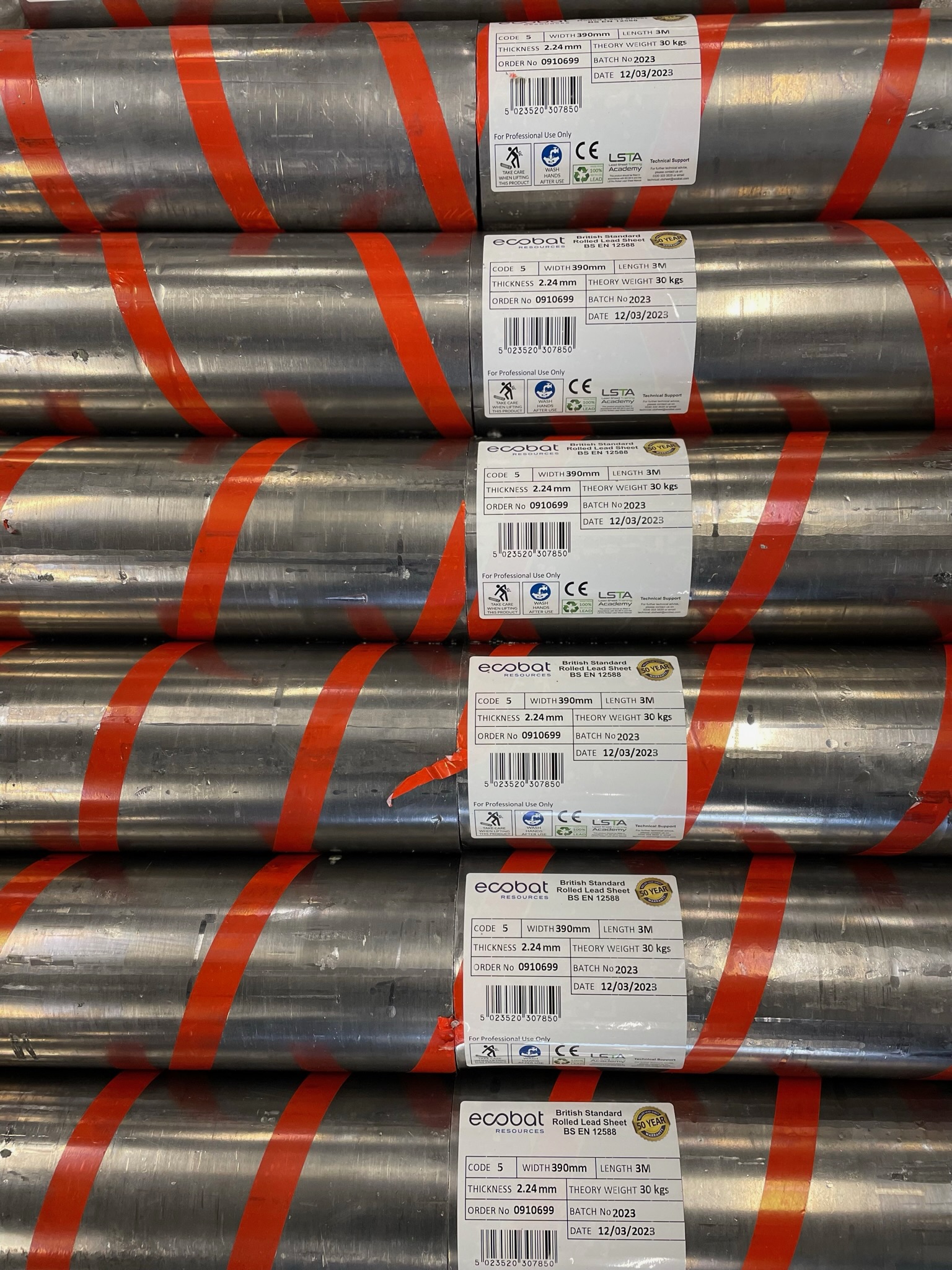
Rolled Lead Sheet Price — 2025 LME Guide
This page explains how the rolled lead sheet price forms from LME benchmarks, currency exchange and market premiums—plus the transparent pricing policy we use at The Lead Lads Shop for predictable quotes.
LME Reference
Daily Cash & 3M set the base. The rolled lead sheet price ultimately references these benchmarks.
GBP⇄USD
FX translation can amplify or cushion LME moves, shifting UK retail prices.
Premiums
Logistics, BS EN 12588 tolerances, fabrication & inventory carry bridge futures to physical sheet.
In this guide
- What drives the rolled lead sheet price?
- Inside the LME: cash vs 3M, term structure & hedging
- FX translation: USD benchmarks into GBP shelf prices
- Premiums explained: region, form, fabrication, finance
- Seasonality, recycling flows & demand drivers
- Our pricing logic: from reference to checkout
- Worked example: price-to-checkout in five steps
- Timing the rolled lead sheet price: buyer strategies
- Case mini-studies (three scenarios)
- Cost-saving playbook (without quality risk)
- Glossary
- Buyer checklist
- FAQs
- Authoritative resources
- Structured data
What drives the rolled lead sheet price?
Four levers shape the rolled lead sheet price you see on our product pages: (1) LME lead benchmarks in USD/tonne; (2) GBP⇄USD FX used by mills/merchants; (3) regional and specification premiums; and (4) the practical cost of stock, fabrication, packaging and delivery. Any lever can move independently, which is why the rolled lead sheet price sometimes rises when LME looks flat, or softens even as demand is steady.
Our aim is to make these levers transparent and predictable. When you understand them, you can phase orders, budget more tightly, and avoid surprises on live programmes.
Inside the LME: cash vs 3M, term structure & hedging
The London Metal Exchange publishes daily official prices for cash (near-dated settlement) and 3-month (3M) delivery. Physical transactions for sheet commonly reference 3M because it aligns with production and shipping cycles. The rolled lead sheet price you pay ultimately starts from this base.
- Cash (Prompt): near-term settlement reference, relevant for prompt supply.
- 3M: the forward benchmark most watched by mills and merchants.
- Term structure: Contango (3M > Cash) reflects carry costs; Backwardation (3M < Cash) indicates prompt tightness. Either structure can nudge physical offers.
Where risk is high, merchants may hedge material; that hedge basis flows through to the final rolled lead sheet price once converted to GBP and adjusted for premiums. See daily references at LME Lead and LME Official Prices.
FX translation: USD benchmarks into GBP shelf prices
Because LME lead is USD-denominated, the GBP conversion can amplify or cushion benchmark moves. A weaker pound pushes up the converted cost per tonne; a stronger pound can offset part of a rising LME. We keep an eye on the Bank of England for indicative spot FX and, where relevant, HMRC monthly FX for customs contexts.
Premiums explained: region, form, fabrication, finance
Premiums bridge the gap between a futures quote and a pallet on site. These are not “extras” so much as the real cost of getting compliant BS EN 12588 sheet to your scaffold in good condition:
- Regional & logistics: freight, insurance, warehousing, handling, energy.
- Form/spec: BS EN 12588 tolerances for rolled sheet vs other forms; QA and yield.
- Fabrication & packaging: slitting, edge protection, banding, labelling, palletisation; lower damage rate saves money overall.
- Finance/credit: cost of holding stock and offering trade terms during volatile periods.
Standards and best practice training: LSTA.
Seasonality, recycling flows & demand drivers
UK roofing demand is seasonal. The pre-winter push and spring programmes can tighten supply, widening premiums temporarily. On the supply side, secondary lead from battery recycling is a dominant flow; outages or policy shifts in that chain can influence LME lead and, downstream, the rolled lead sheet price. Construction activity, weather events and public-sector frameworks can also generate short bursts of demand that ripple through to retail pricing.
Our pricing logic: from reference to checkout
We keep the logic clear, repeatable and fair so trade buyers can plan confidently:
- Pick reference: align to Cash or 3M for the quoting window.
- Convert: apply indicative GBP⇄USD FX for the period.
- Add premiums: region/logistics + form/spec + fabrication + finance.
- Apply margin: lean, volume-friendly margin to sustain stock and service.
- VAT & delivery: shown clearly at checkout and on invoice.
Worked example: price-to-checkout in five steps
| Step | What happens | Impact on rolled lead sheet price |
|---|---|---|
| 1. LME reference | Select daily Cash or 3M base | Sets USD/tonne benchmark |
| 2. FX conversion | Translate USD → GBP | GBP cost rises if GBP weakens |
| 3. Premiums | Region + form/spec + fabrication + finance | Adds real-world £/t |
| 4. Margin | Lean retail margin | Keeps us competitive & dependable |
| 5. VAT & delivery | Applied per UK rules & service level | Shown pre-checkout for clarity |
Timing the rolled lead sheet price: buyer strategies
- Live starts: lock quickly—certainty beats chasing minor ticks.
- Multi-phase jobs: split orders to diversify LME/FX days.
- Right-size lengths: use the Shoppable Lead Chart to balance joints vs handling.
- Check mass: confirm via the Lead Weight Chart to avoid re-ordering.
- Bundle essentials: add Underlay & Tapes, Fixings and Patination Oil to reduce second-trip carriage.
Case mini-studies (three scenarios)
1) Prompt job in backwardation
The job starts next week; Cash trades above 3M. Prompt material is tight, nudging the rolled lead sheet price higher. The contractor locks immediately to avoid further squeezes and keeps the programme on track.
2) Flat LME, weaker GBP
LME looks steady, but GBP slips. Converted costs rise and so does the rolled lead sheet price. Phasing purchases over two months reduces FX exposure.
3) Contango + easing freight
3M sits above Cash and freight softens. Premiums ease slightly; the contractor books a larger basket for phases 2–3, securing a favourable blended rolled lead sheet price.
What we learned
- Prompt tightness = act fast.
- FX can move faster than LME.
- Freight/premiums matter at volume.
Cost-saving playbook (without quality risk)
Optimise codes & lengths
- Match duty with Lead Codes Explained—no over-spec.
- Size via the Shoppable Lead Chart for fewer joints but manageable handling.
- Check mass in the Lead Weight Chart so you don’t over-order.
Bundle essentials & plan delivery
- Add Underlay & Tapes, Fixings, Patination Oil to avoid downtime.
- Pick delivery options that match site access windows to avoid redeliveries.
Glossary
- LME: London Metal Exchange—global market for non-ferrous metals.
- Cash/Prompt: near-dated settlement reference.
- 3M: three-month forward price; common pricing reference.
- Contango: 3M above Cash; reflects carry cost.
- Backwardation: 3M below Cash; indicates prompt tightness.
- Premiums: logistics, form/spec, fabrication and finance adjustments between futures and physical.
Buyer checklist
- Confirm code & widths in Lead Codes Explained.
- Build with the Shoppable Lead Chart.
- Verify mass via the Lead Weight Chart.
- Bundle Underlay, Fixings, Patination Oil.
- Review delivery constraints and contact us for large baskets or phased jobs.
FAQs — rolled lead sheet price
Do you display live LME data on product pages?
No—product pages show retail prices directly. For benchmarks, see LME Lead and LME Official Prices.
Why can the rolled lead sheet price move when the LME looks flat?
FX changes, freight logistics, inventory carry and seasonal demand can all shift independently of the benchmark.
What FX references do you track?
Market-standard sources: the Bank of England for spot guides, and HMRC monthly FX where customs rates apply.
Can you hold a quote on a volatile day?
During volatility, validity windows shorten. For large, well-timed baskets we can consider a blended rate for a defined window.
Where can I improve spec while I price?
See LSTA for training, plus our Lead Codes Explained and Lead Weight Chart for quick checks.
Authoritative resources
- LME Lead (contract overview)
- LME Official Prices & Averages
- Bank of England — Exchange Rates
- HMRC — Monthly Exchange Rates
- Lead Sheet Training Academy (LSTA)
Transparent price, dependable supply
We align the rolled lead sheet price with global benchmarks and fair, trade-friendly premiums—so you can quote confidently and build faster. Use our tools to size right, buy once, and move on.