The Ultimate Guide to Mop Roll (King Roll / Wood Roll) for Lead Detailing
A full guide to mop roll—also known as king roll or wood roll—used for creating raised roll joints in traditional lead roofing. Learn how mop roll works, how it’s sized, how joints are formed, and how it integrates with BS EN 12588 rolled lead sheet.
Traditional Roll JointsLead DressingWood Roll SizingBS EN 12588 CodesHeritage RoofingLead Expansion Control
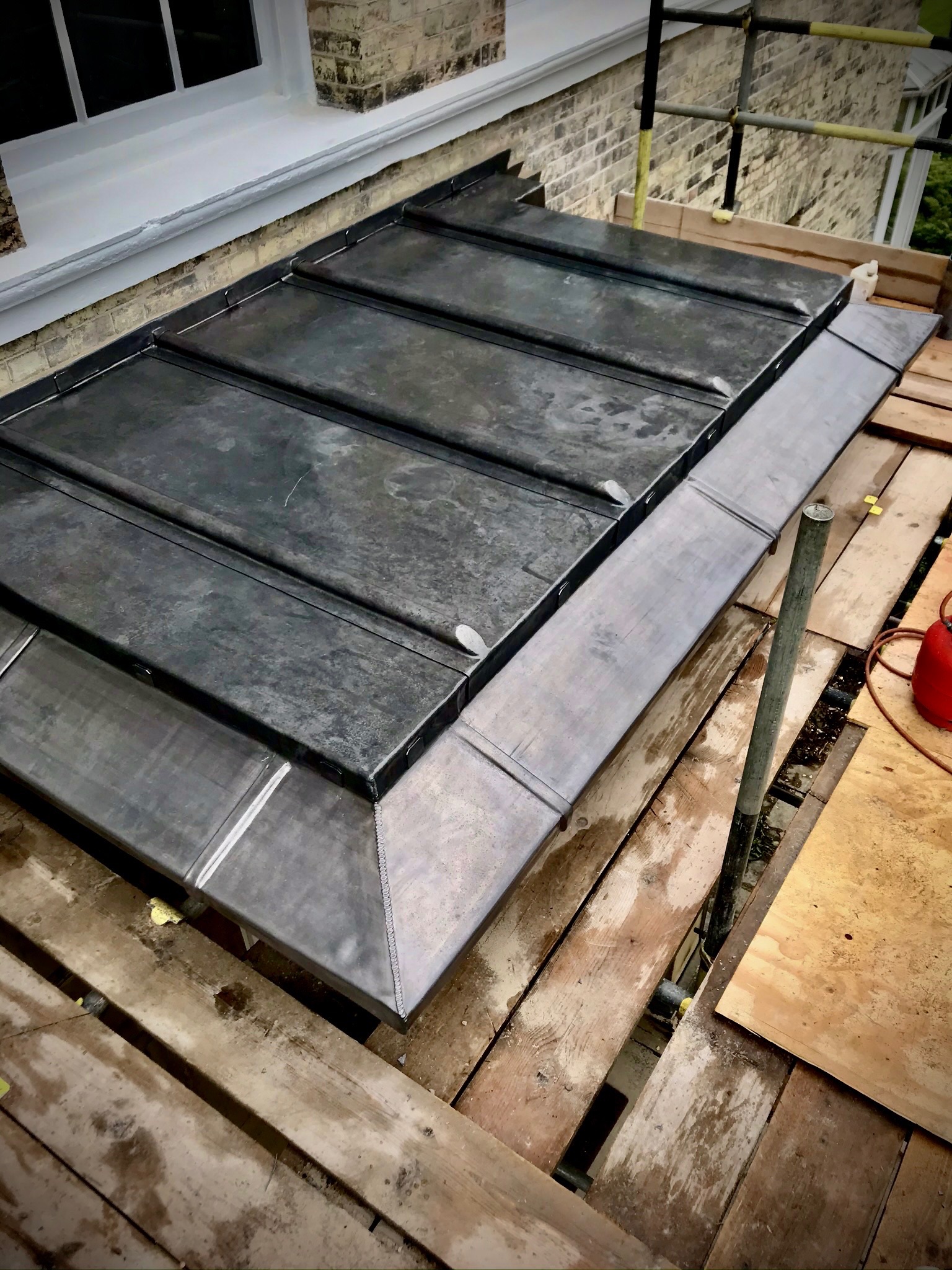
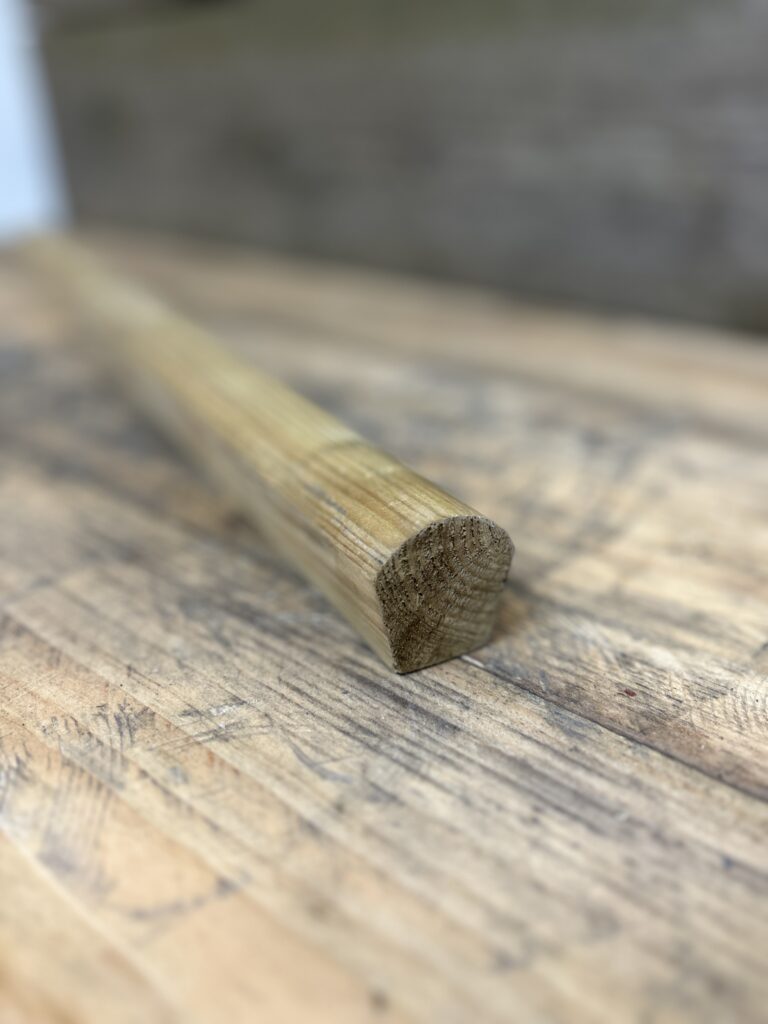
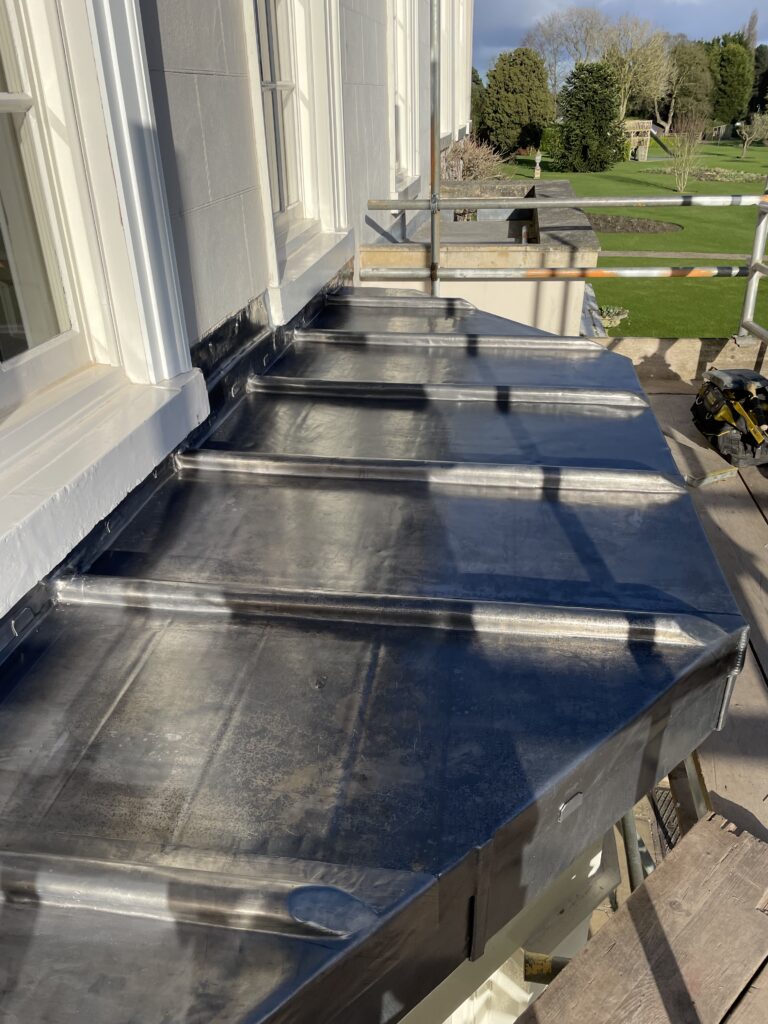
Mop roll (also known as king roll or wood roll) is a half-round or triangular timber batten fixed to a roof deck to form the raised spine of a traditional lead roll joint. This joint is a hallmark of heritage roofing, used extensively on:
Church roofs
Heritage public buildings
Lead domes and cupolas
Historic and listed buildings
Roll-top lead bays and porches
Parapet gutters with roll divisions
A properly formed roll joint controls lead expansion, provides weatherproofing and delivers the distinctive “raised rib” look found on centuries-old roofs.
Traditional roll joints — the heritage context
The roll joint is one of the oldest lead roofing techniques still in use. Before modern welded systems, a roll joint allowed large bays of lead to:
expand and contract independently
shed water effectively
prevent fatigue cracking
avoid creep on steep pitches
Heritage note: Roll joints remain required for conservation work
where authenticity must match the original details. Mop roll is essential
for replicating these features.
Mop roll materials: wood, treated timber & alternatives
The traditional material for mop roll is timber. Suitable choices include:
Pressure-treated softwood — the most common option.
Hardwood — used on premium heritage projects.
Engineered timber — stable, consistent sizing.
Lead does not adhere to mop roll itself; the roll is simply the former beneath the cover strip.
Mop roll sizing & roll diameter selection
Mop roll must be sized correctly to support the cover strip and allow for expansion. Typical diameters:
Mop Roll Diameter
Typical Use
38–44 mm
Small bays, porch roofs, narrow gutters
50–60 mm
Standard-sized roofing bays
75 mm+
Large spans, historic buildings, domes
Larger rolls create a more pronounced rib and better accommodate thicker lead sheet.
Lead code compatibility (BS EN 12588)
Mop roll joints are compatible with all BS EN 12588 rolled lead codes, but common combinations are:

 Code 3 Lead
 Code 4 Lead
 Code 5 Lead
 Code 6 Lead