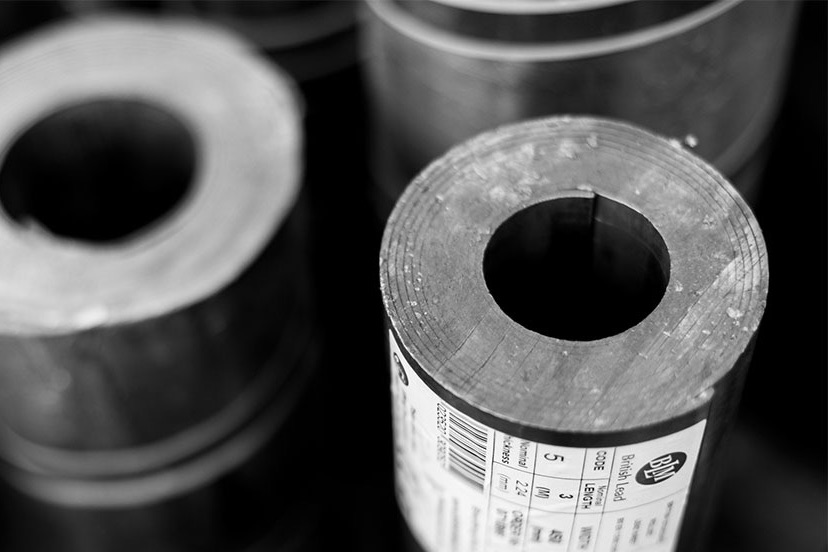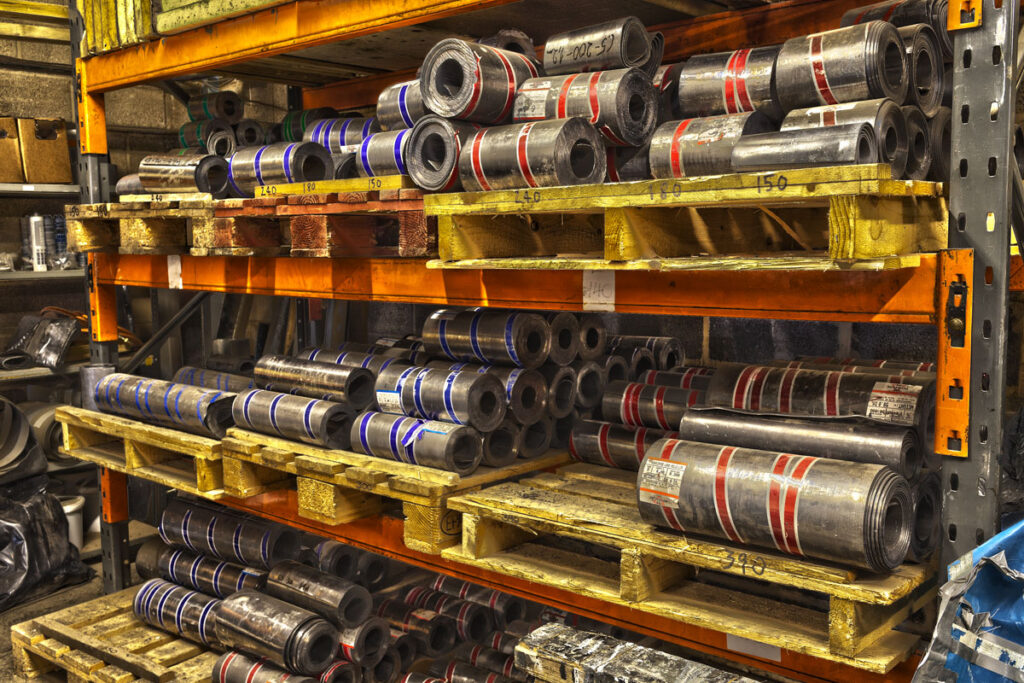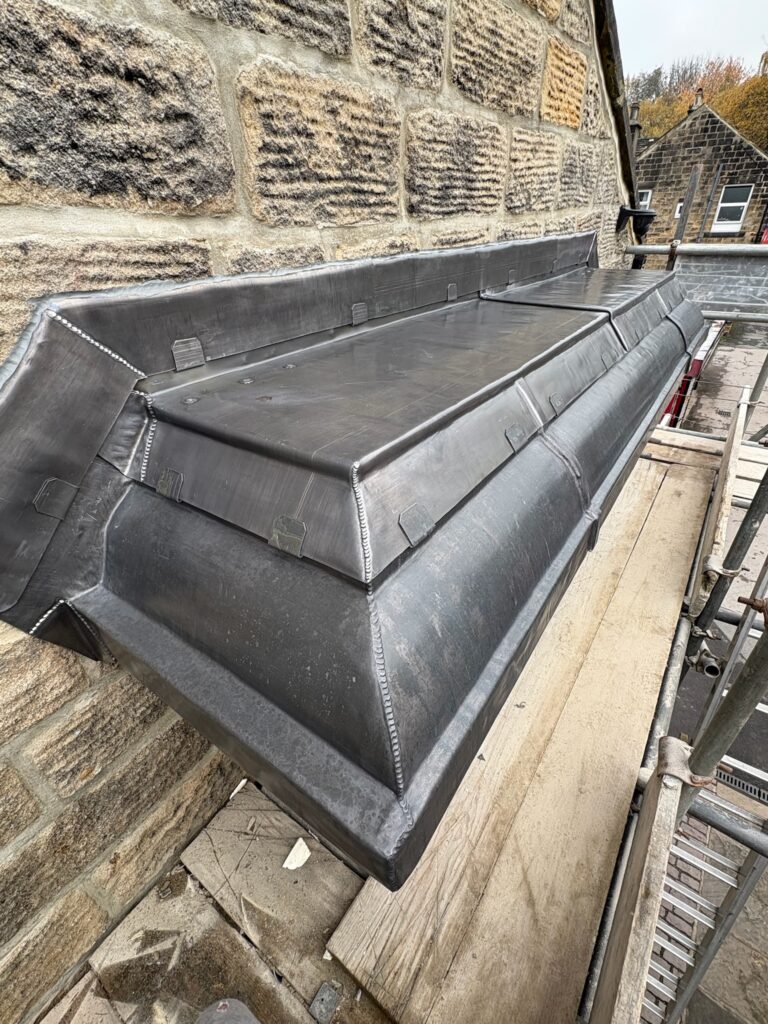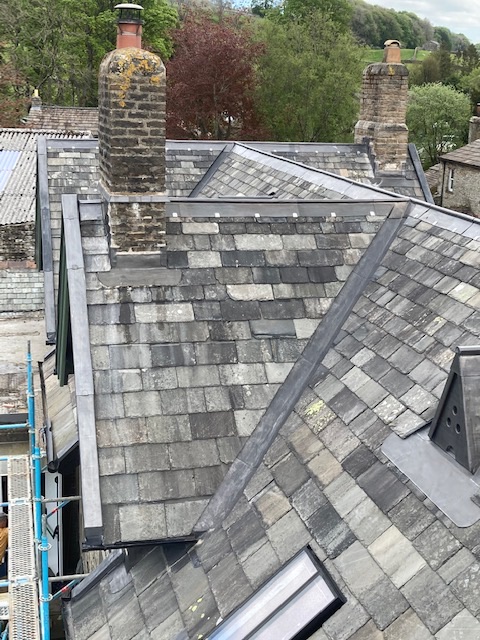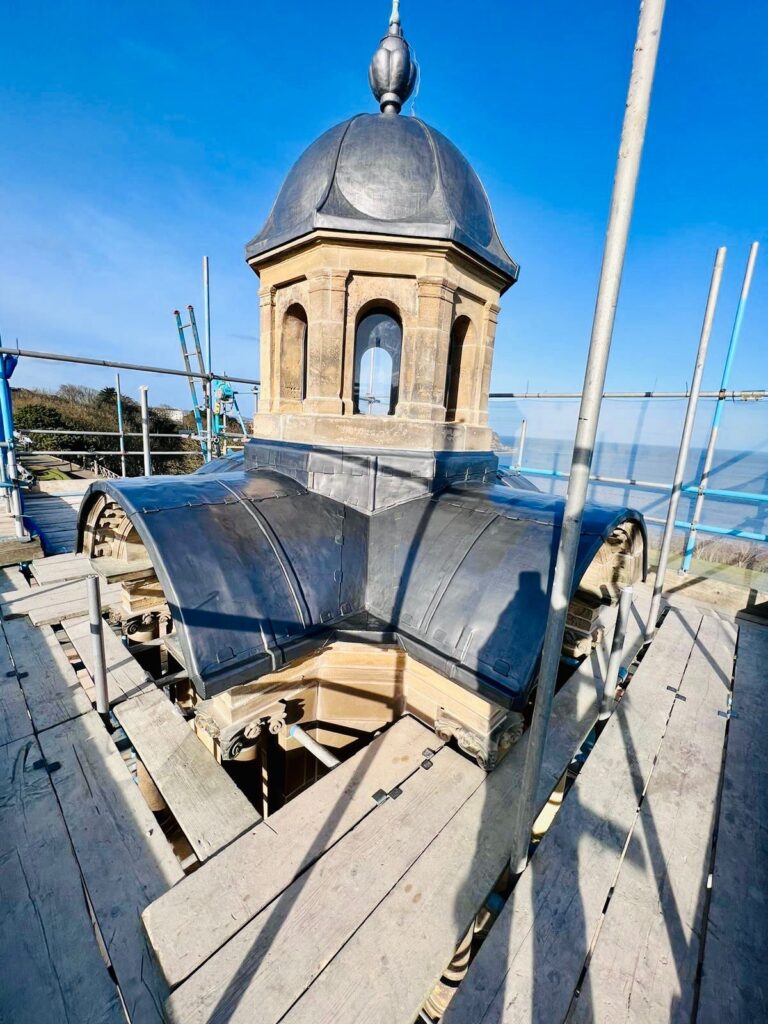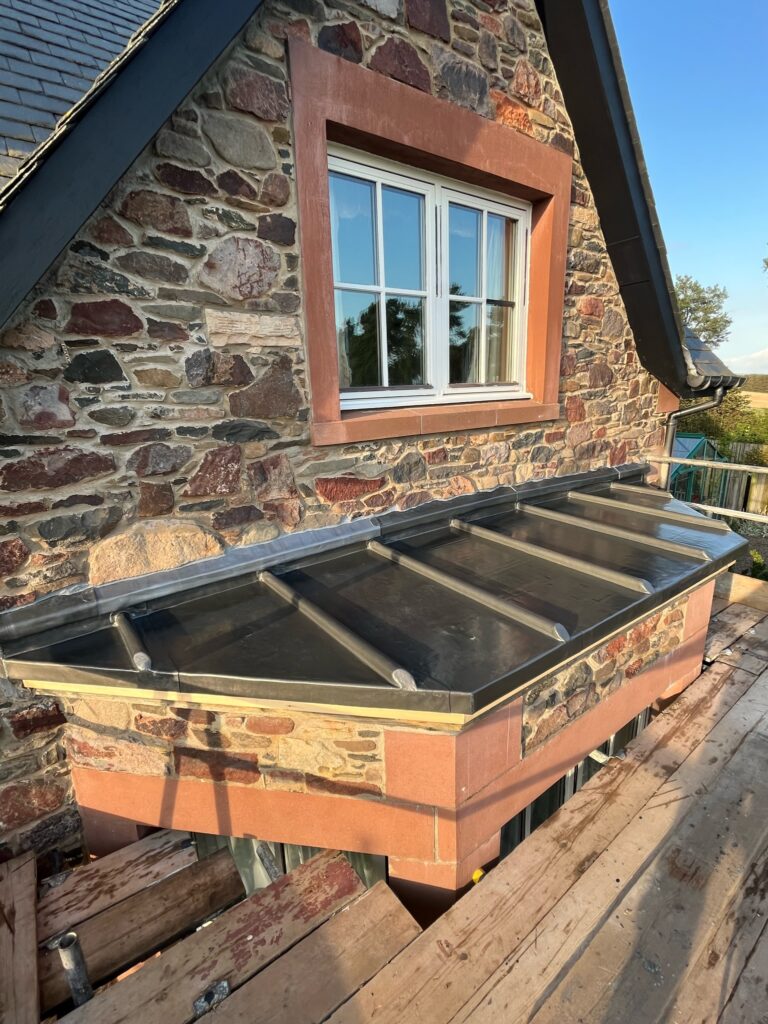

 Code 3 Lead
 Code 4 Lead
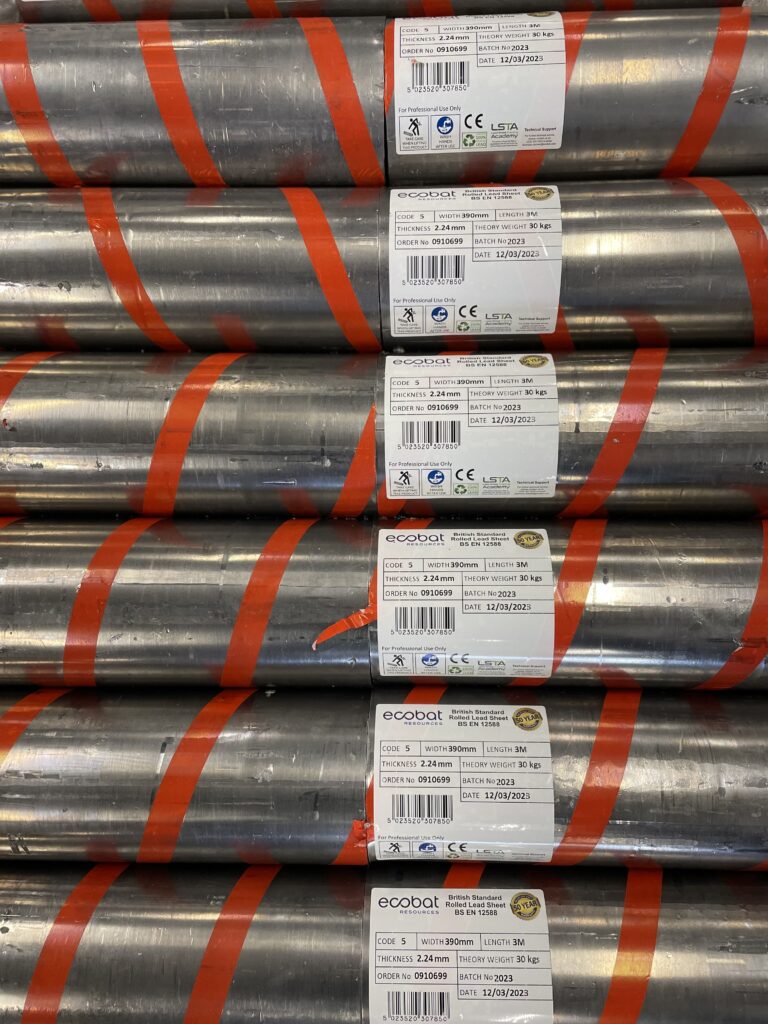
 Code 5 Lead
 Code 6 Lead




Lead Codes Explained: The No-Nonsense Guide to BS EN 12588 (Codes 3–8) | The Lead Lads Shop


Lead codes in plain English
BS EN 12588 defines tolerances for rolled lead sheet, and the familiar numbers — Code 3 through Code 8 — correlate to sheet thickness and weight. In practice, lead codes help you match stiffness, movement control and lifespan to the job: small flashings and soakers use lighter codes, while wider bays, back gutters and parapets use heavier codes for stability and service life.
The table below puts the key data side-by-side, then we map each code to typical roofing details. If you just want the right bundle fast, skip ahead to the shoppable lead chart — it’s built for busy site teams on mobile.
BS EN 12588 — Codes 3–8 at a glance
| Lead Code | Approx. Thickness (mm) | Approx. Weight (kg/m²) | Where it’s commonly used |
|---|---|---|---|
| Code 3 | ~1.32 | ~14.97 | Light soakers, small flashings on sheltered sites |
| Code 4 | ~1.80 | ~20.41 | General flashings, step soakers, abutments |
| Code 5 | ~2.24 | ~25.40 | Back gutters, aprons, moderate-width bays |
| Code 6 | ~2.65 | ~30.05 | Flat roof bays, exposed sites, parapets |
| Code 7 | ~3.15 | ~35.72 | Heavy-duty bays, valleys on exposed roofs |
| Code 8 | ~3.55 | ~40.26 | Very exposed details, large parapets & caps |
These figures help compare lead codes when planning. Always refine to pitch, exposure, bay size and detail. For hands-on best practice and training routes, see the Lead Sheet Training Academy.
How to choose a lead code (fast)
- Define the detail: Soaker? Apron? Back gutter? Flat roof bay? Your lead codes choice starts with function.
- Check span & width: Wider/heavier details prefer higher codes for stability and reduced oil-canning.
- Consider exposure: Coastal or wind-scoured sites often justify stepping up one code.
- Movement & bends: Tight bends and complex corners favour codes that can be dressed without cracking; plan radii.
- Use a selector: Our shoppable lead chart gives a code recommendation and quantities in minutes.
Where each code shines (real-world lead codes examples)
Code 3 — Lightweight, tidy and economical
Great for small soakers and modest flashings on sheltered elevations. Keep pieces short to control movement. If wind exposure is high, consider Code 4.
Code 4 — The everyday workhorse
The default for many step soakers and abutment flashings. Dresses cleanly into chases, manages movement, and keeps weight sensible. If pieces get wide (e.g., large aprons), look at Code 5.
Code 5 — Extra stability where water concentrates
Back gutters behind chimneys, generous aprons and moderate-width bays benefit from the added stiffness. Popular on domestic roofs where durability is a priority.
Code 6 — Flat roof bays and exposed sites
Manages movement on bay roofs, parapets and longer spans, especially where wind load or access traffic is expected. Pair with proper bay sizing and a continuous slip layer.
Code 7 & 8 — Heavy-duty and heritage
For very exposed roofs, deep parapets, large caps and some valleys. Higher lead codes give rigidity and longevity — but remember: more stiffness needs more careful detailing at bends and joints.
Common mistakes when picking lead codes
- Overspec or underspec: Too light = fatigue; too heavy = difficult bends and potential cracking if mishandled.
- Ignoring exposure: A sheltered mid-terrace isn’t the same as a coastal gable. Adjust lead codes accordingly.
- Forgetting bay size: Code 6 with oversized bays and no drip/rolls will still struggle. Plan bays and joints first.
- No slip layer: Wider sheets without underlay are noisier and wear faster.
Buying guide — get in, get out, get it right
The fastest way to go from spec to basket is our shoppable lead chart. You’ll pick the detail (soakers, apron, back gutter, bay), enter sizes, and get code + quantities mapped to products. Add fixings, a slip layer and patination oil in the same run — mobile-first for on-site ordering.
Quick comparison — Code 4 vs Code 5 vs Code 6
| Scenario | Recommended Code | Why |
|---|---|---|
| Step soakers on a slate roof (sheltered) | Code 4 | Dressable, movement control, sensible weight |
| Chimney apron & back gutter (moderate exposure) | Code 5 | Stiffer for wider pieces, better lifespan |
| Flat roof bays with wood core rolls | Code 6 | Movement under control over longer spans |
Quick-Buy: Rolled Lead, Fixings & Finishers
Build your basket in one go — optimised for phones so on-site leadworkers can order between drops.
Related Reading (internal)
- 11 Lead Flashing Mistakes (and the Fixes Pros Use)
- Lead for Flat Roofs: Bay Sizing, Joints & Drips
- Lead for Chimneys: Aprons, Soakers & Back Gutters
- Patination Oil: 9 Tips for a Flawless Finish
External references (authority)
- Lead Sheet Training Academy — guidance & courses
- The Lead Lads — installation pricing & services
- GNR Roofing — heritage leadwork services
Lead Codes — Frequently Asked Questions
Do higher lead codes always last longer?
Higher lead codes are thicker and heavier, which helps stability on wide or exposed details, but bay sizing, joints, underlay and workmanship are just as important for lifespan.
Can I use Code 4 everywhere?
It’s a great generalist for soakers and many abutments. For back gutters, wider aprons, bays and exposed sites, step up to Code 5 or Code 6.
How do I avoid noise (“oil-canning”)?
Use appropriate lead codes, keep bays modest, include a continuous slip layer, and avoid over-fixing where the sheet needs to move.
Will patination oil affect performance?
It’s for appearance and early staining control, not structure. Apply a light coat on the day of install to visible edges and drips.