Wood In Lead Work

The Ultimate Guide to Mop Roll (King Roll / Wood Roll) for Lead Detailing

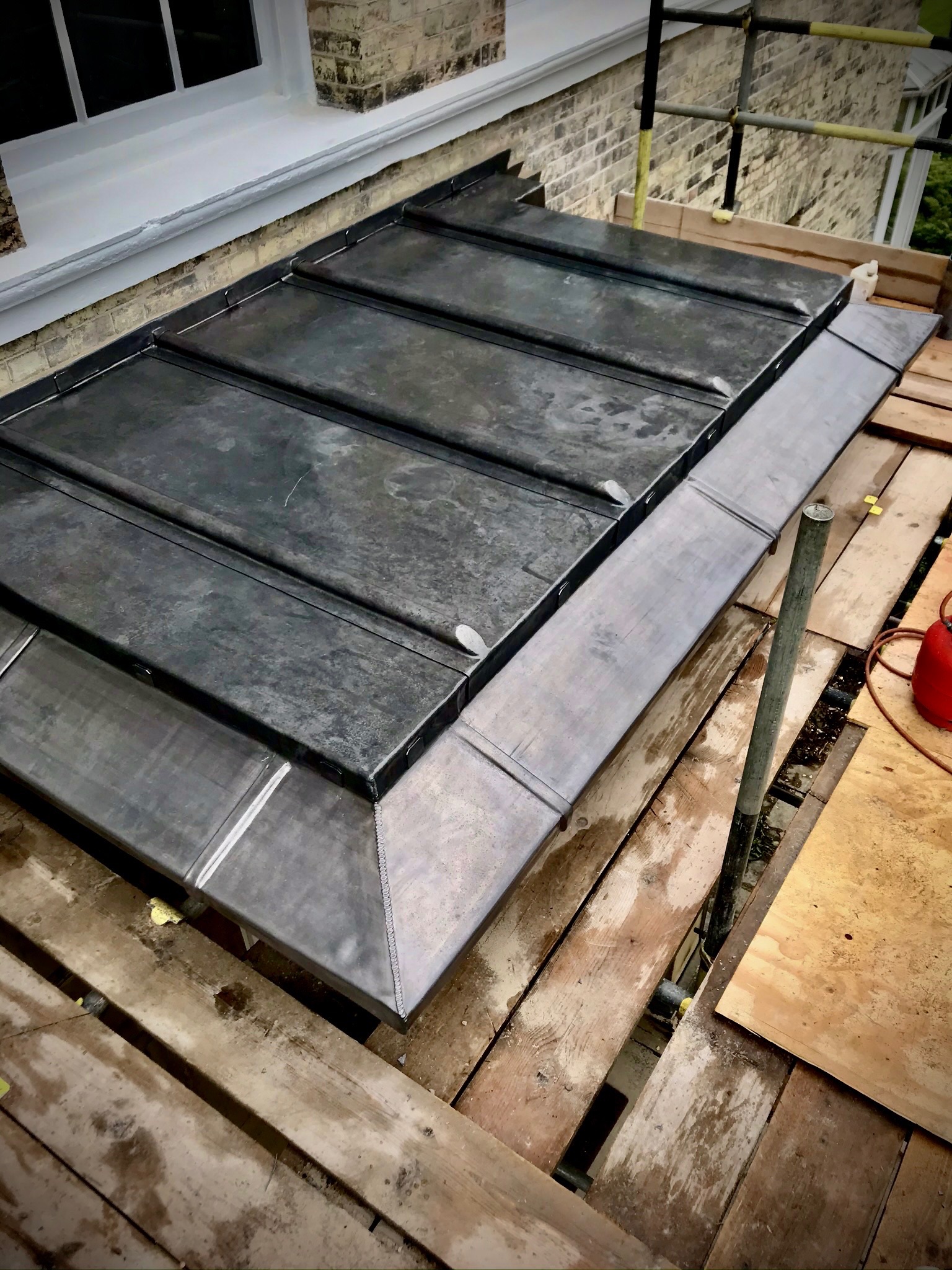
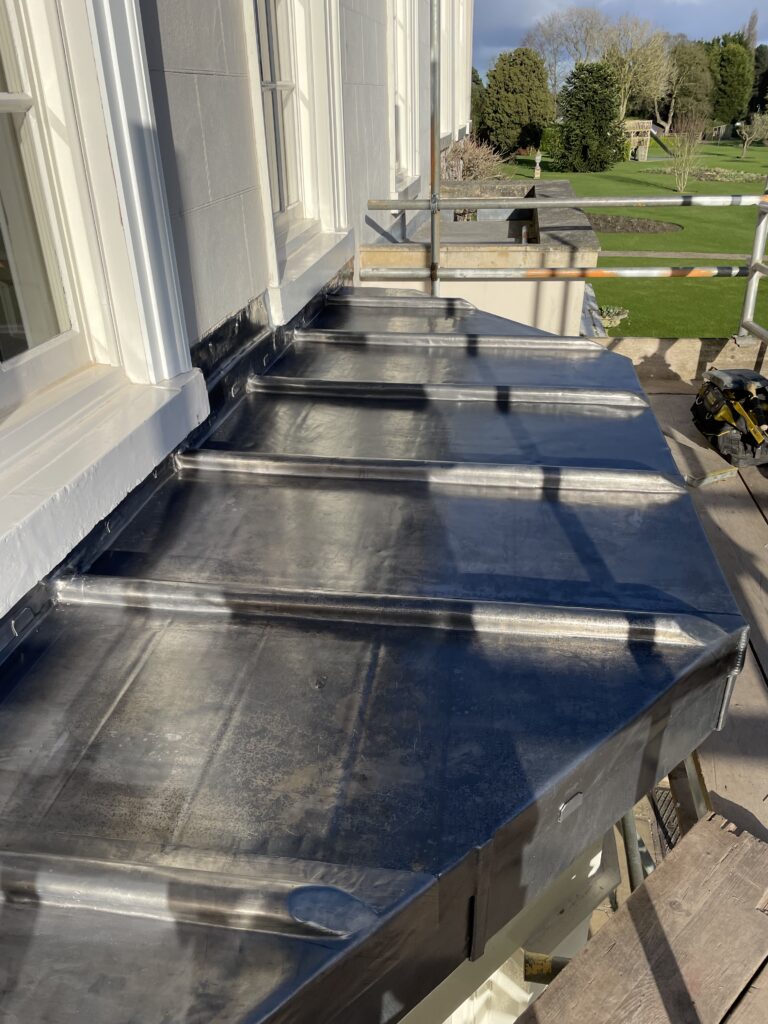
Lead door canopy

The Ultimate Guide to Mop Roll (King Roll / Wood Roll) for Lead Detailing

A full guide to mop roll—also known as king roll or wood roll—used for creating raised roll joints in traditional lead roofing. Learn how mop roll works, how it’s sized, how joints are formed, and how it integrates with BS EN 12588 rolled lead sheet.

Traditional Roll Joints Lead Dressing Wood Roll Sizing BS EN 12588 Codes Heritage Roofing Lead Expansion Control

Technical knowledge supported by LSTA and BS EN 12588 guidance.

What mop roll is and why it matters

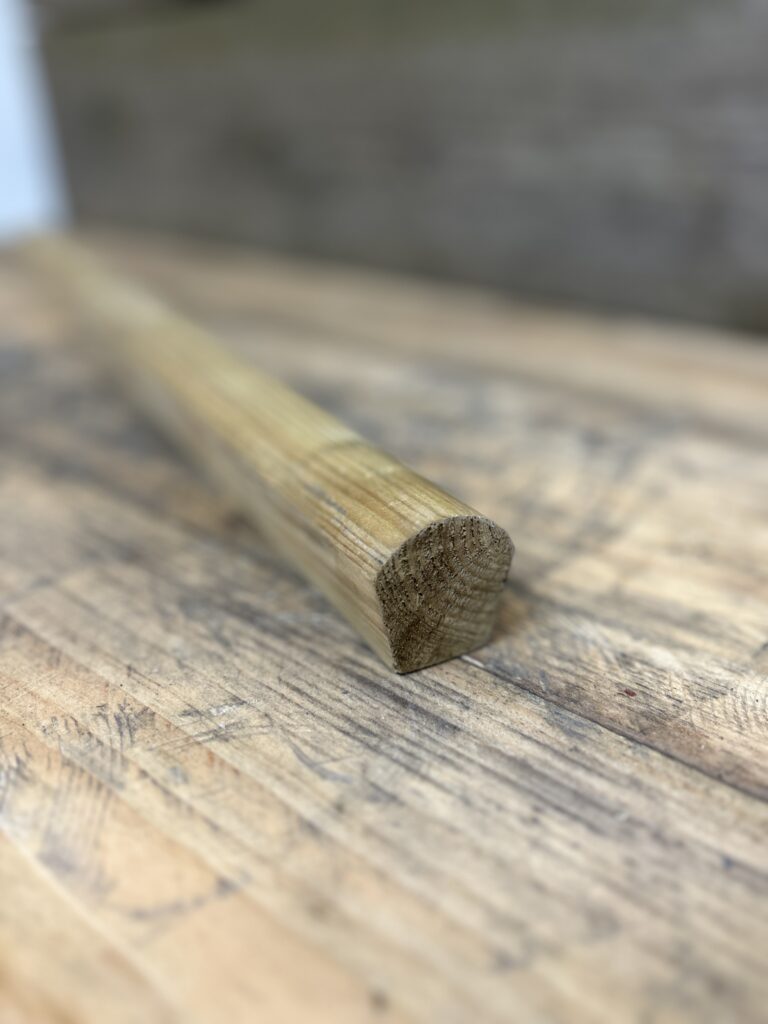
Mop roll (also known as king roll or wood roll) is a half-round or triangular timber batten fixed to a roof deck to form the raised spine of a traditional lead roll joint. This joint is a hallmark of heritage roofing, used extensively on:

  • Church roofs
  • Heritage public buildings
  • Lead domes and cupolas
  • Historic and listed buildings
  • Roll-top lead bays and porches
  • Parapet gutters with roll divisions

A properly formed roll joint controls lead expansion, provides weatherproofing and delivers the distinctive “raised rib” look found on centuries-old roofs.

Traditional roll joints — the heritage context

The roll joint is one of the oldest lead roofing techniques still in use. Before modern welded systems, a roll joint allowed large bays of lead to:

  • expand and contract independently
  • shed water effectively
  • prevent fatigue cracking
  • avoid creep on steep pitches
Heritage note: Roll joints remain required for conservation work where authenticity must match the original details. Mop roll is essential for replicating these features.

Mop roll materials: wood, treated timber & alternatives

The traditional material for mop roll is timber. Suitable choices include:

  • Pressure-treated softwood — the most common option.
  • Hardwood — used on premium heritage projects.
  • Engineered timber — stable, consistent sizing.

Lead does not adhere to mop roll itself; the roll is simply the former beneath the cover strip.

Mop roll sizing & roll diameter selection

Mop roll must be sized correctly to support the cover strip and allow for expansion. Typical diameters:

Mop Roll DiameterTypical Use
38–44 mmSmall bays, porch roofs, narrow gutters
50–60 mmStandard-sized roofing bays
75 mm+Large spans, historic buildings, domes

Larger rolls create a more pronounced rib and better accommodate thicker lead sheet.

Lead code compatibility (BS EN 12588)

Mop roll joints are compatible with all BS EN 12588 rolled lead codes, but common combinations are:
Lead CodeThicknessUsed For
Code 41.80 mmGeneral roofing & cover strips
Code 52.24 mmLarger roll joints & exposed areas
Code 62.65 mmHistoric restoration / high exposure

Use the Lead Codes Explained page for deeper spec reference.

Roll spacing, thermal movement & expansion control

Spacing between roll joints controls thermal movement. Typical spacing:

  • 300–600 mm for Code 4
  • 450–750 mm for Code 5–6
  • Closer spacing in high sun exposure areas
Tip: Closer roll spacing reduces sheet width and prevents fatigue cracking.

How mop roll is installed

  1. Mark roll lines on deck.
  2. Fix mop roll using stainless screws through the base.
  3. Ensure level alignment across all rolls.
  4. Drape underlay beneath the lead.
  5. Dress lead sheet over mop roll.
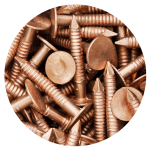
  6. Secure with copper nails at correct centres.

Cover strip technique & fixing patterns

A cover strip is formed over the mop roll to create the signature roll profile.

  • Cut Code 4–5 strip 150–200 mm wide.
  • Drape and dress over mop roll.
  • Fix using copper clouts through clips or fixings.
  • Apply patination oil to prevent staining.

Ventilation under roll joints

Ventilation reduces condensation beneath lead sheets. Using lead underlay with ventilation channels is recommended.

Common failures & how to avoid them

  • Incorrect roll diameter → weak cover strips
  • Over-long bays → lead fatigue cracking
  • Poor fixing → creep on pitched roofs
  • Lack of ventilation → underside corrosion
  • Wrong lead code → premature failure

Tools & materials

  • BS EN 12588 rolled lead sheet
  • Mop roll / king roll timber
  • Lead underlay
  • Copper clouts
  • Lead dresser & bossing tools
  • Patination oil

FAQs — Mop Roll (King Roll / Wood Roll)

Is mop roll the same as king roll?

Yes — both terms refer to the timber former beneath a traditional lead roll joint.

Which lead code is best?

Code 4 is standard, Code 5 for exposed or heritage areas.

Can mop roll be used on modern roofs?

Yes, especially where a decorative raised seam is desired.

Do I need patination oil?

Yes — it prevents staining and protects fresh lead work.

Schema

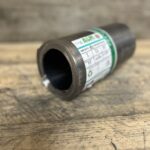
Lead Wood Roll 2.4m — Wood Core Roll for Lead Bays

In stock

£9.40
Add to cart

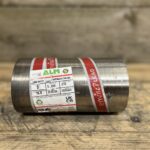
King Roll — 75mm Wood Core Roll for Lead Bays (2.4m)

In stock

£20.49 each
Add to cart

Leave a Reply

Your email address will not be published. Required fields are marked *