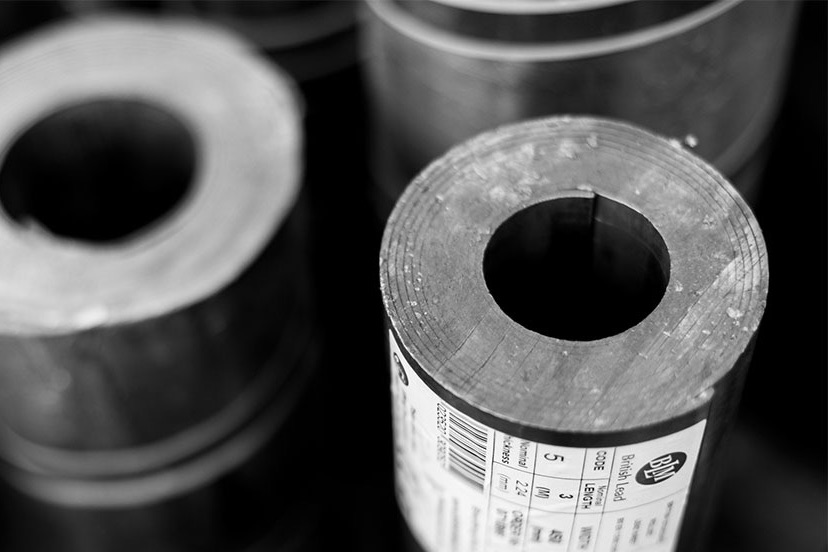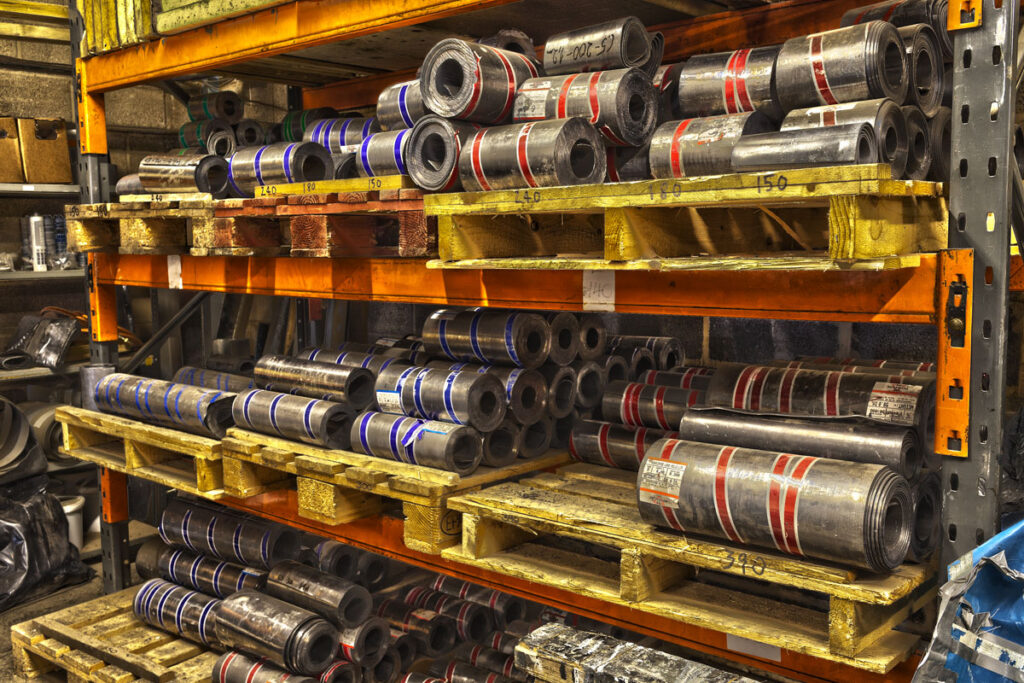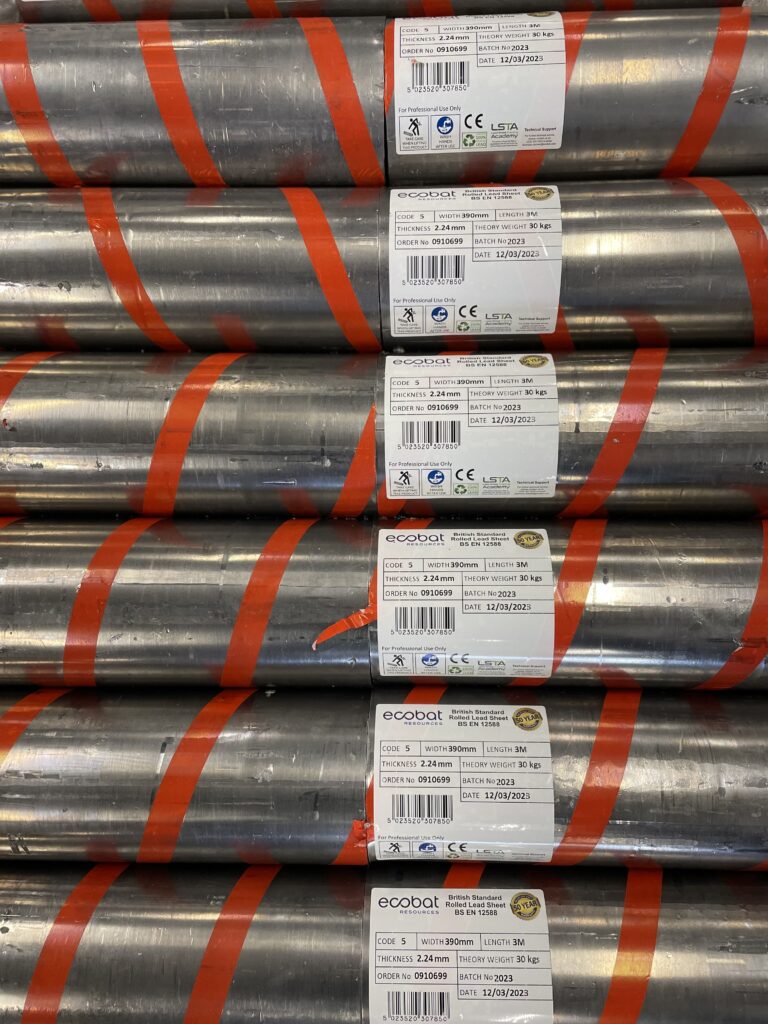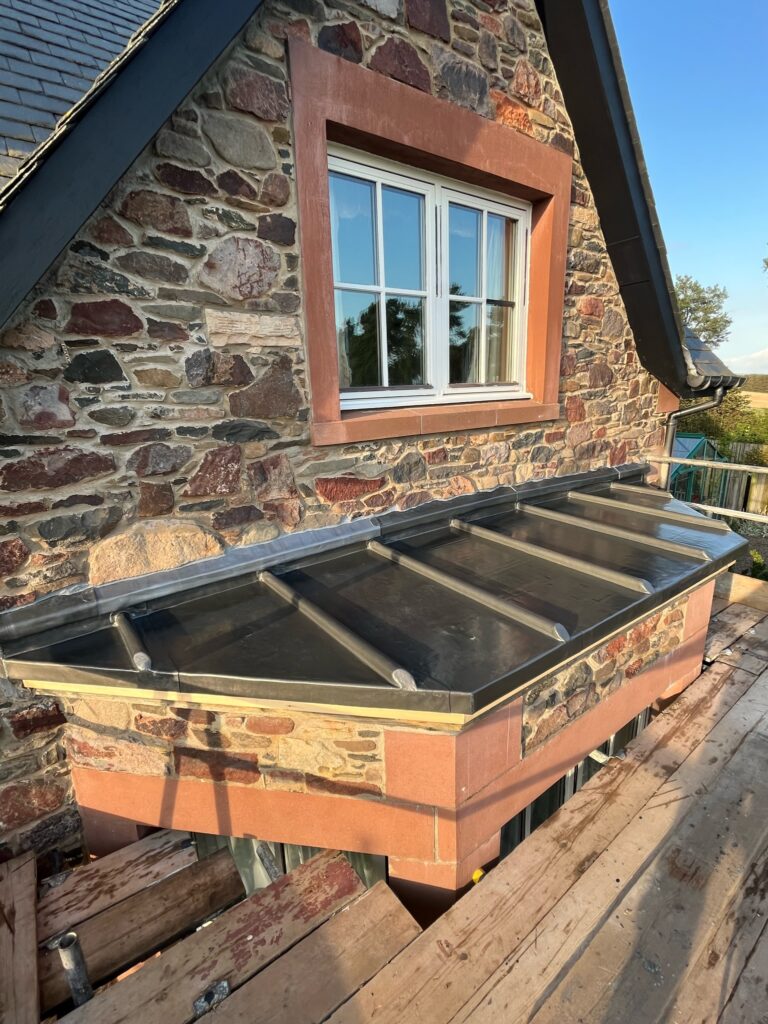

 Code 3 Lead
 Code 4 Lead
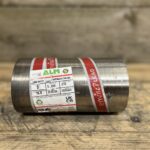 Code 5 Lead
 Code 6 Lead




Lead Valleys and Gutters | Choosing the Right Code of Rolled Lead Sheet


Lead Valleys and Gutters: Choosing the Right Code of Rolled Lead Sheet
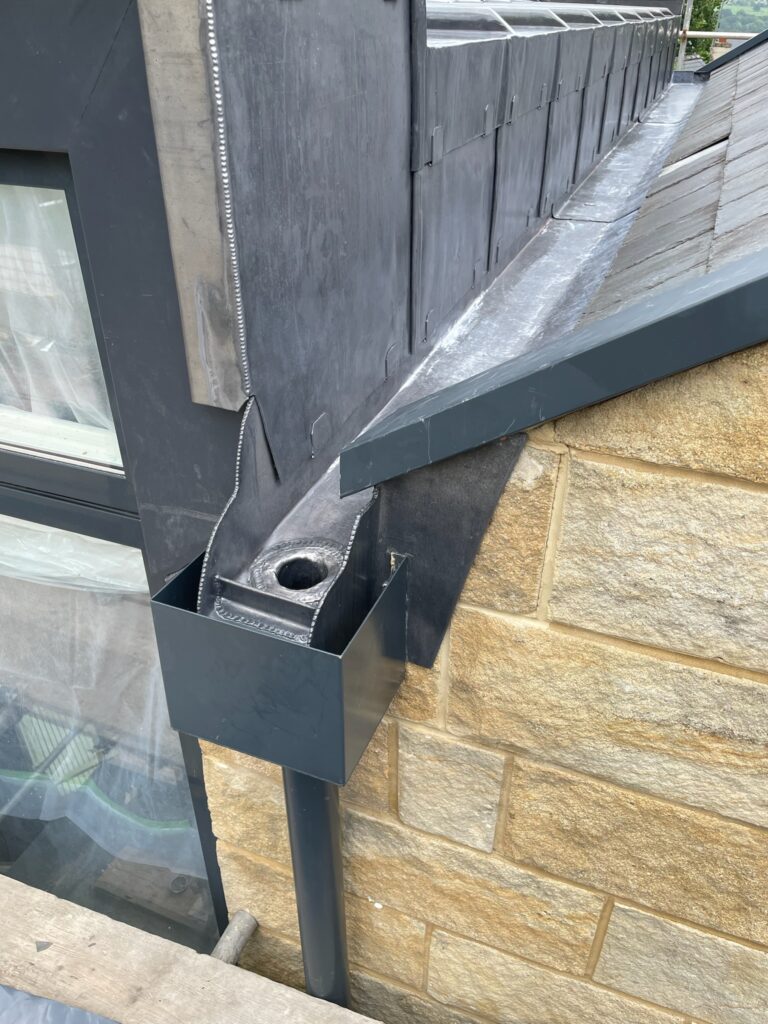
When it comes to roofing, valleys and gutters are among the most vulnerable areas for water ingress. Using the right material is critical to long-term performance. In this guide, we explain everything roofers and contractors need to know about lead valleys and gutters — from choosing the correct code of rolled lead sheet to best practice installation, case studies, and nationwide delivery.
👉 Shop Rolled Lead Sheet for Valleys & GuttersWhy Lead is the Best Choice for Valleys and Gutters
Roof valleys and gutters handle the highest volume of water on a roof. Poor material choice or installation almost always leads to premature leaks. While alternatives like zinc or plastic exist, lead valleys and gutters remain the gold standard because:
- Lead is flexible enough to be bossed into valley and gutter shapes.
- It lasts over 60 years in valleys and over 100 years in gutters when installed correctly.
- Lead is sustainable — endlessly recyclable without quality loss.
- It is specified in heritage roofing and accepted by conservation officers.
Which Lead Codes Are Best for Valleys?
Choosing the right thickness of rolled lead sheet is critical for valleys. Most lead valleys are made from Code 5 or Code 6 lead, depending on roof size and water flow.
+ Code 5 Lead Valleys
At 2.24mm thick, Code 5 lead is strong enough for most domestic valleys. It balances durability and workability, making it ideal for semi-detached and detached properties.
+ Code 6 Lead Valleys
At 2.65mm thick, Code 6 lead is better for large roofs or areas with high rainfall. It provides extra resilience against splitting and creep.
Which Lead Codes Are Best for Gutters?
Gutters — especially parapet and box gutters — require thicker lead. The recommended codes are Code 6 and Code 7.
+ Code 6 Lead Gutters
Suitable for parapet gutters on domestic and small commercial buildings. Provides durability while still workable for on-site bossing.
+ Code 7 Lead Gutters
At 3.15mm thick, Code 7 lead is often specified for heritage and church parapet gutters. It resists heavy loads from snow and water, ensuring centuries-long performance.
Case Studies: Lead Valleys and Gutters
+ Domestic Roof Valley (Code 5)
A semi-detached property in Harrogate used Code 5 lead for valleys. The roofer ordered rolls online, and delivery was made within 48 hours. The lead was bossed into shape easily and will provide 60+ years of service.
+ Commercial Parapet Gutters (Code 6)
A commercial unit in York required parapet gutters. Code 6 lead was used due to high water volume. Palletised delivery allowed safe unloading on-site.
+ Heritage Church Gutters (Code 7)
A listed church in Leeds used Code 7 lead for parapet gutters. Conservation officers approved the specification, and the work was carried out by The Lead Lads, ensuring heritage compliance.
Best Practices for Lead Valleys and Gutters
Following BS 6915 ensures maximum life expectancy for lead valleys and gutters:
- Limit bay sizes to prevent thermal cracking.
- Use welts and drips to direct water correctly.
- Always allow for expansion and contraction.
- Fix with copper nails or stainless clips — never rigidly fix.
- Dress lead carefully using specialist lead tools.
Common Mistakes to Avoid
+ Using the Wrong Code
Code 4 is too thin for valleys and gutters — it will fail. Always use Code 5 or higher.
+ Oversized Bays
Lead expands and contracts. Exceeding recommended bay sizes leads to cracking and creep.
+ Poor Fixing Methods
Over-fixing restricts movement. Always use clips or nails that allow lead to move naturally.
+ Ignoring Expansion Joints
Without joints, thermal stress will damage gutters over time.
Ordering Lead for Valleys and Gutters Online
With The Lead Lads Shop, ordering lead valleys and gutters online is simple:
- Select the correct code (5–7).
- Choose width and length of rolls.
- Add to basket and checkout securely.
- Arrange nationwide delivery — standard or palletised.
Frequently Asked Questions
Which code is best for roof valleys?
Most valleys are made from Code 5 or Code 6 rolled lead sheet. Code 5 suits domestic roofs, while Code 6 is used for larger or commercial projects.
Which code is best for gutters?
Parapet and box gutters should be made from Code 6 or Code 7. Code 7 is often required for heritage projects such as churches.
How long do lead valleys and gutters last?
Installed to BS 6915 standards, lead valleys last 60+ years, while lead gutters can last over 100 years.
Are lead valleys and gutters sustainable?
Yes. Lead is endlessly recyclable and over 95% of construction lead in the UK comes from recycled sources.
Can I buy lead for valleys and gutters online?
Yes. The Lead Lads Shop supplies rolled lead sheet in Codes 5–7 with nationwide delivery, available to order securely online.