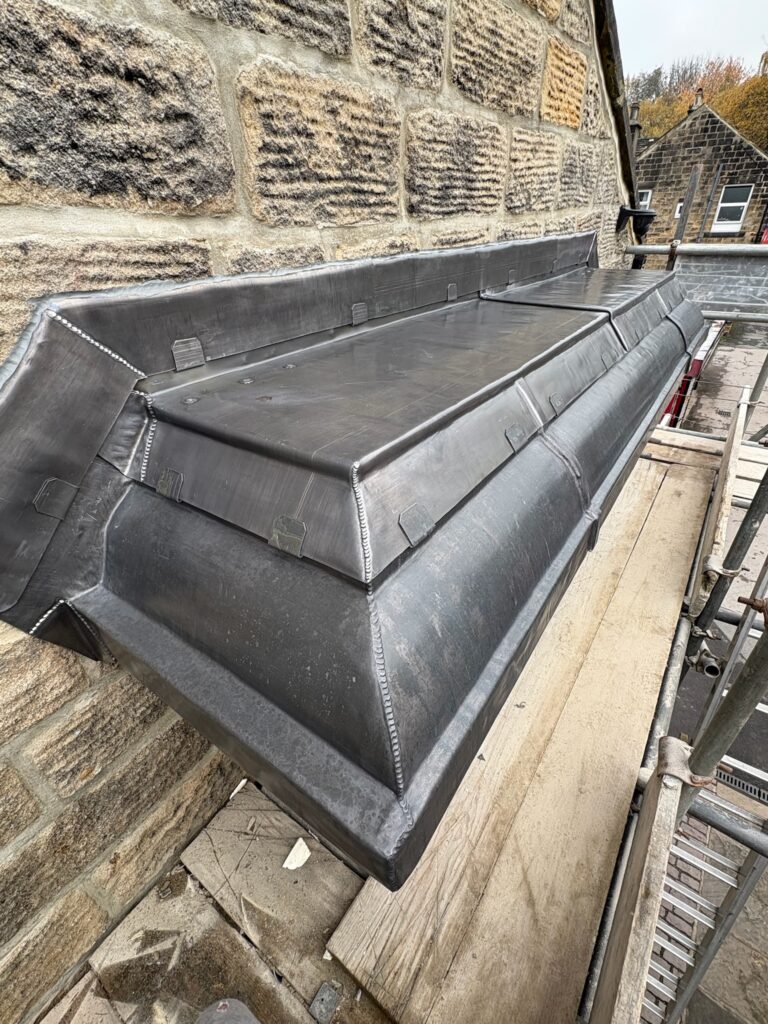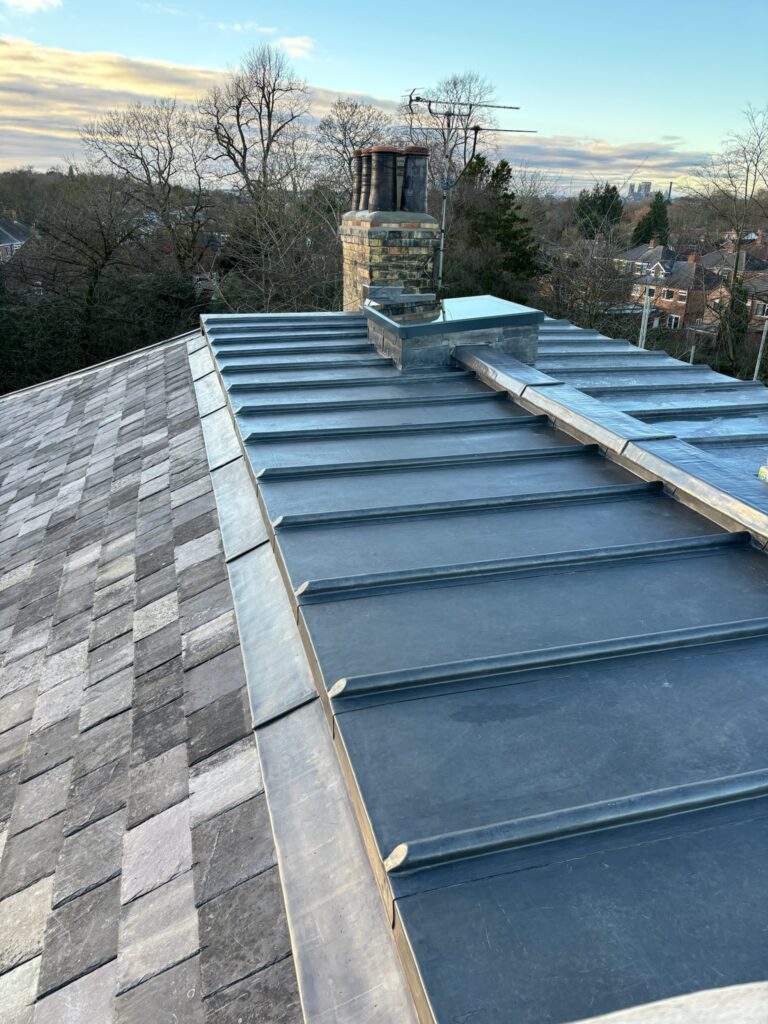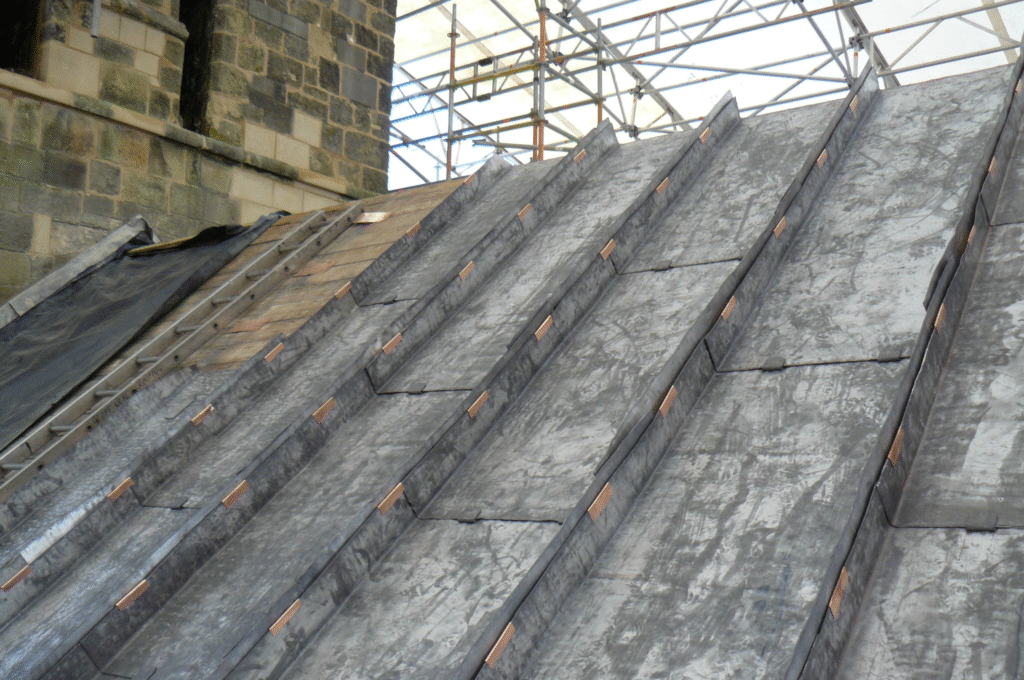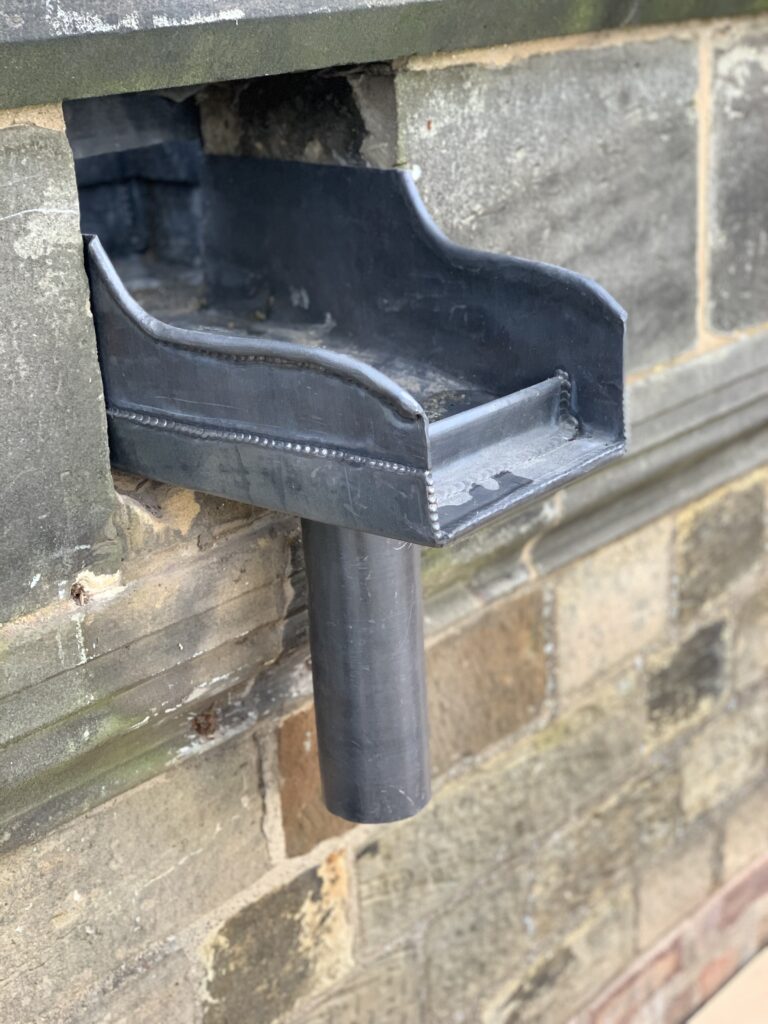


 Code 3 Lead
 Code 4 Lead
 Code 5 Lead
 Code 6 Lead





Code 10 Sand Cast Lead: 7 Elite Heritage Applications for Sovereign & Monumental Roofs

Code 10 Sand Cast Lead: 7 Elite Heritage Applications for Sovereign & Monumental Roofs
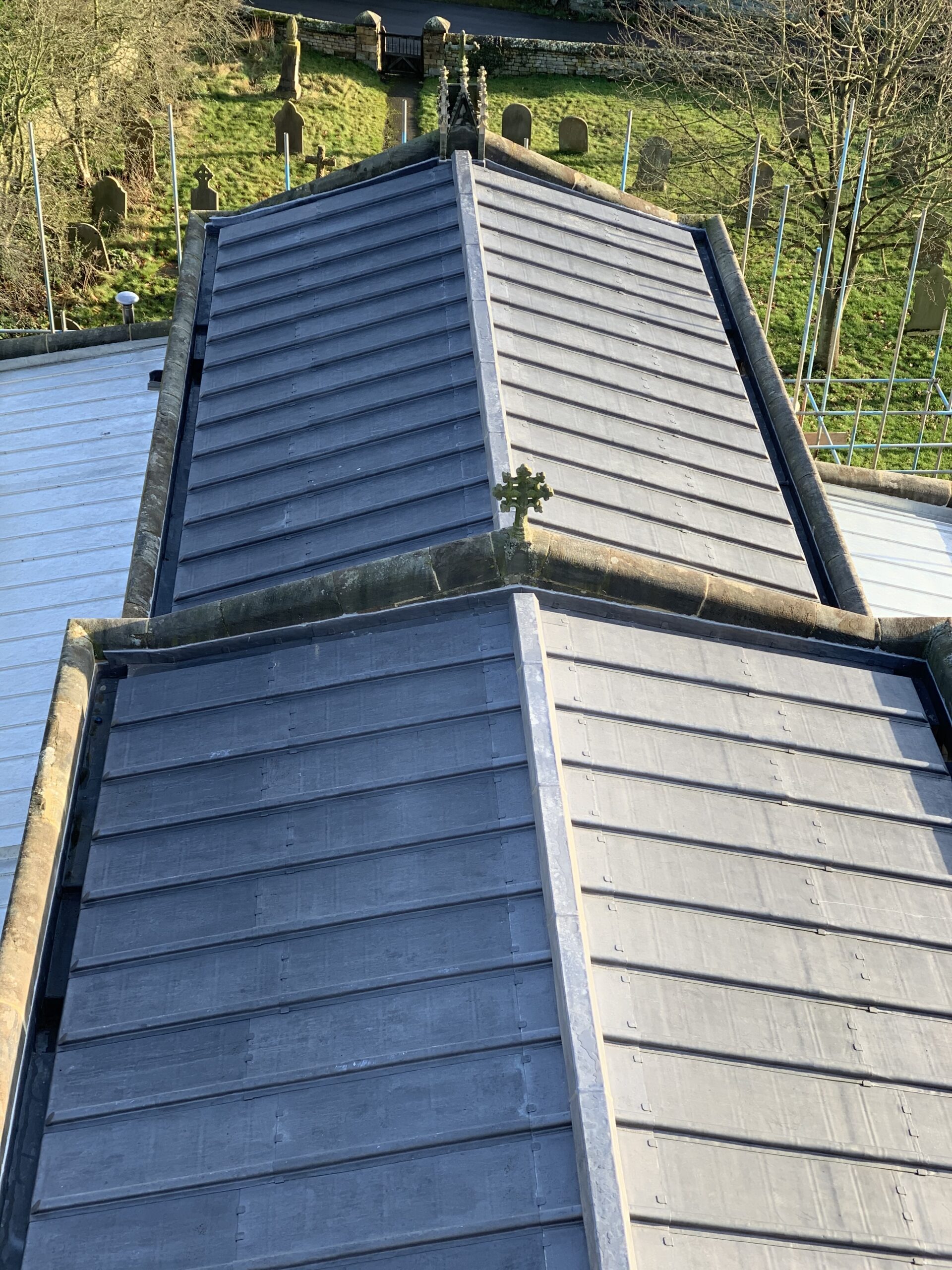
Code 10 sand cast lead represents the pinnacle of traditional roofing metals in the UK—thick, immensely durable, historically authentic and reserved for buildings where failure is unthinkable. Created using centuries-old sand-casting techniques, code 10 sand cast lead is typically specified for palaces, cathedrals, royal residences, listed estates and monumental civic buildings where deep gutters, huge catchments and priceless interiors demand the highest possible margin of safety.
View BS 6915 context at Neal Roofing: Leadwork Regulations Overview.
In this guide
- What is code 10 sand cast lead?
- Traditional sand casting — how Code 10 is made
- Sand cast vs rolled lead at extreme gauges
- 7 elite heritage applications for code 10 sand cast lead
- SPAB & NHIG conservation principles
- Bay sizing, movement & joint design
- Substrate engineering for monumental gutters
- QI-grade defects unique to sand cast lead
- Ordering workflow for Code 10 sand cast lead
- FAQs
What is code 10 sand cast lead?
Code 10 sand cast lead is a specialist, heritage-grade material typically 6.0–6.5 mm thick and weighing approximately 70–80 kg/m². It is not produced to BS EN 12588 (which only applies to rolled lead). Instead, it follows the historic casting method used for centuries on the nation’s most important roofs.
The added thickness provides:
- Extreme durability for deep gutters and parapets
- Resistance to fatigue in long, complex valleys
- Authentic appearance for Grade I/II* heritage fabric
- High thermal mass which stabilises large roof drainage systems
Traditional sand casting — how Code 10 is produced
Sand-cast lead is made by pouring molten lead onto a level sand bed and drawing it to the desired thickness using a wooden or steel float. Skilled casters prepare the bed by:
- Levelling, moistening and texturing the sand for consistent cooling
- Setting stop-boards to achieve target gauge
- Controlling cooling rates to prevent brittleness
- Cutting sheets by hand according to project specifications
This traditional method produces a subtly varied texture, irregular grain structure and a finish that perfectly matches original medieval and Georgian leadwork.
Sand cast vs rolled lead — when rolled sheet reaches its limit
Rolled lead up to Code 8 is suitable for most high-spec modern projects, but conservation teams turn to code 10 sand cast lead when:
- Gutters exceed the safe depths for Code 7/8 rolled sheet
- Historic gutters were originally cast, making rolled sheet inauthentic
- Complex stone detailing requires bossing consistency across curves
- Thermal movement is high and fatigue risk must be minimised
7 elite heritage applications for code 10 sand cast lead
1) Royal palace and state building parapet gutters
Palaces and state buildings often feature deep parapet gutters with huge catchment areas and limited access. Code 10 sand cast lead provides exceptional stiffness and longevity, making it the preferred specification for critical national heritage assets.
2) Cathedral high-level parapets & clerestory channels
Cathhedral parapet gutters sit behind stone balustrades and entablatures. These channels are typically inaccessible, exposed to driven rain, and fed by massive roof areas—an ideal match for the mass of Code 10.
3) Monumental civic roofs (museums, galleries, courts)
Museums and galleries house priceless interiors. Deep roof gutters above them must not fail. Sand cast lead provides a conservative, long-life specification aligned with heritage governance.
4) Deep box gutters spanning large structural bays
Historic civic structures often include multi-bay drainage schemes where each gutter carries water from several pitches. Code 10 offers the mass required to stabilise thermal movement across wide spans.
5) Tower, lantern & steeple gutters exposed to wind-scour
High-level gutters on towers or lantern roofs face extreme exposure. The extra weight of Code 10 resists uplift, vibration and long-term distortion.
6) Historic entablature troughs behind classical stonework
These narrow but deep channels often run for tens of metres. Sand cast lead is preferred because it can be bossed to follow intricate stone profiles without thinning.
7) “Zero-risk” gutters above archives, treasury rooms & national artworks
Where consequences of water ingress are catastrophic—e.g., above archival storage, national treasures or mechanical plant—conservation architects specify code 10 sand cast lead for maximum stability.
SPAB & NHIG conservation principles
Code 10 work must follow the underlying philosophy of conservation roofing:
- Minimum intervention — change only what is necessary.
- Material honesty — match historic fabric in form and behaviour.
- Reversibility — ensure future interventions remain possible.
- Long-term stewardship — consider maintenance within QI cycles.
Bay sizing, movement & joints for Code 10
Proper movement design is essential. Typical Code 10 principles:
- Bay length: 900–1,200 mm
- Bay width: 400–800 mm depending on depth
- Laps: 150 mm minimum in deep parapets
- Falls: 1:60 preferred; never flatter than 1:80
- Use wood-cored rolls at major transitions for movement absorption
Substrate engineering for monumental gutters
Substrates must be engineered as seriously as the leadwork itself:
- Ventilated void beneath boards to prevent condensation
- Plywood or seasoned boarding over structural joists
- Underlay to reduce drag and underside wear
- Drips fully supported—never floating
- Fixings positioned to allow full thermal travel
QI-grade defects unique to sand cast lead
Conservation architects commonly record these issues:
- Over-long bays welded to form “flat pans” (major failure risk)
- Drips unsupported or formed incorrectly
- Crushed laps from movement restriction
- Blocked ventilation leading to underside corrosion
- Stone interfaces causing abrasion due to poor underlay
Ordering workflow for Code 10 sand cast lead
Code 10 is manufactured to order. The process typically involves:
- Architect or contractor prepares a cutting schedule
- Specify grain orientation (if required)
- Confirm bay lengths within manual handling limits
- Approve casting slot timing
- Add matching fixings, rolls, underlay and patination oil
Code 10 supply lead times vary — early scheduling is essential.
FAQs
Is Code 10 produced to BS EN 12588?
No. BS EN 12588 applies only to rolled lead. Sand cast is traditional and bespoke.
Where is Code 10 normally used?
Palaces, cathedrals, historic civic buildings and structures with monumental gutters.
How long does Code 10 sand cast lead last?
Centuries, when ventilated and detailed correctly—often 150–250 years+
Can Code 10 be mixed with rolled sheet?
Yes, if isolated appropriately, but heritage architects usually prefer consistency.
What is the main advantage of Code 10?
Maximum durability and historical authenticity for critical heritage structures.