

 Code 3 Lead
 Code 4 Lead
 Code 5 Lead
 Code 6 Lead







Code 9 Sand Cast Lead: 9 Heritage-Grade Applications for Monumental Roofs


Code 9 Sand Cast Lead: 9 Heritage-Grade Applications for Monumental Roofs
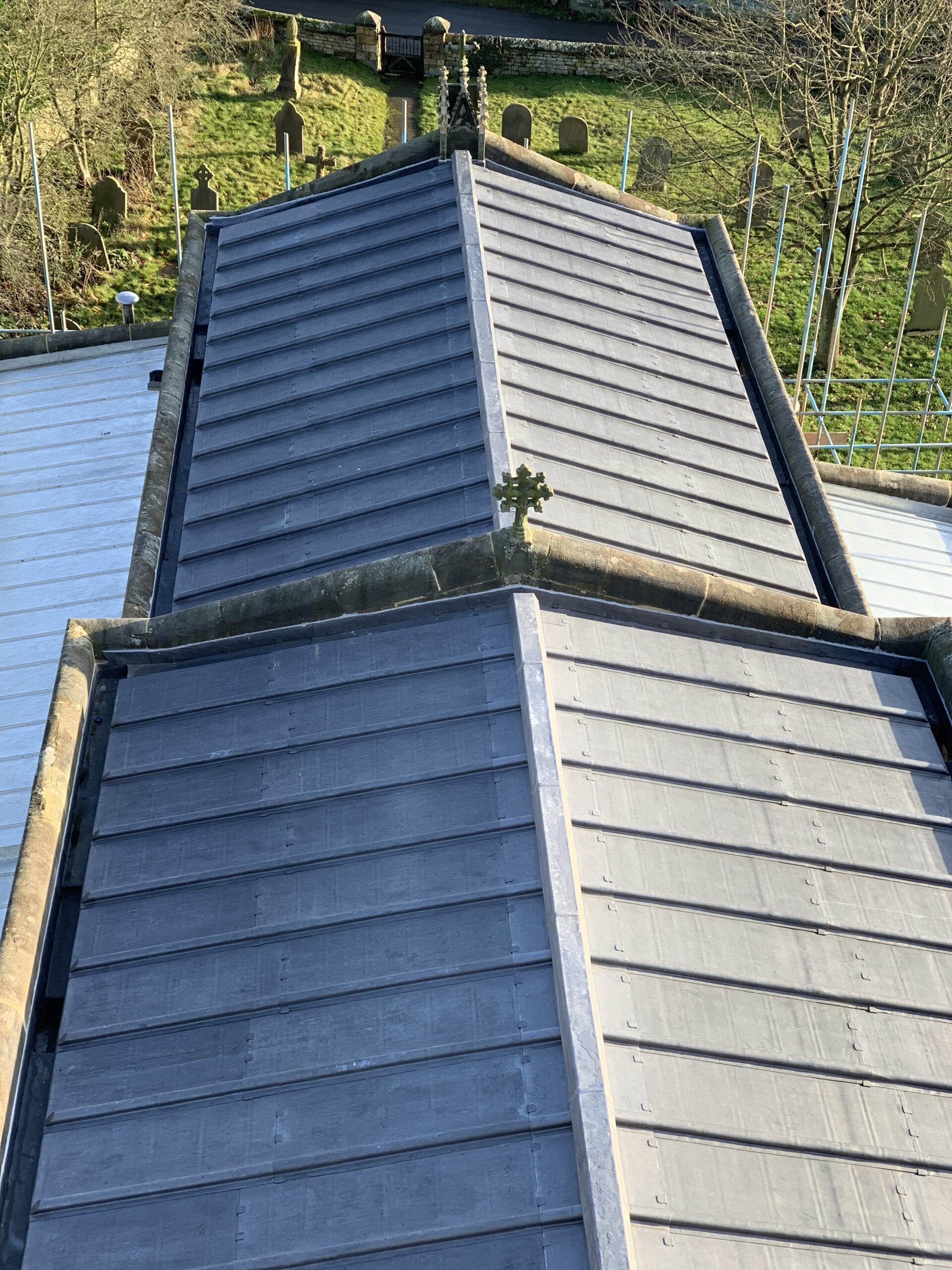
Code 9 sand cast lead is the heaviest traditional sheet metal used in UK heritage roofing. Unlike rolled lead made to BS EN 12588, code 9 sand cast lead is produced using centuries-old casting methods, yielding a dense, durable, character-rich sheet suited to cathedrals, historic cornices, deep parapet gutters and high-value conservation schemes. This guide sets out the 9 applications where sand-cast lead remains essential, the detailing rules conservation architects expect, how it compares with rolled sheet, and how to specify and order it responsibly.
Review BS 6915 context at Neal Roofing: Leadwork Regulations Overview.
In this guide
- What is code 9 sand cast lead?
- How sand cast lead is made
- Sand cast vs rolled lead (Codes 7–8)
- 9 heritage-grade uses for code 9 sand cast lead
- SPAB & NHIG principles for conservation leadwork
- Detailing: bays, joints, falls & support
- Substrate design for monumental gutters
- Common defects found in QI inspections
- Ordering workflow for sand cast lead
- FAQs
What is code 9 sand cast lead?
Code 9 sand cast lead is a traditionally manufactured sheet around 5.32 mm thick (≈60–65 kg/m²). It is not produced under BS EN 12588, which governs rolled lead; instead, it follows long-established heritage practice and is usually commissioned for cathedrals, scheduled monuments and conservation-grade roofing.
This heavy, exceptionally durable sheet is characterised by:
- A distinctive grain and surface texture formed by the sand bed.
- Higher mass and stiffness than any rolled sheet gauge.
- Long service life when detailed correctly and maintained through QI cycles.
- Heritage authenticity, matching materials found in pre-industrial roofs.
How sand cast lead is made — heritage manufacturing
Unlike rolled lead, which is mechanically milled to consistent thickness, code 9 sand cast lead is cast by pouring molten lead onto a level sand bed. Skilled casters rake, level and texture the sand to ensure even cooling and controlled thickness.
The process creates natural variations but also adds beneficial structural qualities:
- Coarser grain structure improving fatigue resistance.
- Natural workability in bossed corners and curved parapets.
- Historic fidelity suitable for Grade I/II* sites and ecclesiastical buildings.
Architects specifying work under SPAB or NHIG guidance often insist on sand-cast sheet when original fabric includes traditional cast metalwork.
Sand cast vs rolled sheet — when each is appropriate
Rolled lead (Codes 3–8) remains the standard for modern roofing, but code 9 sand cast lead is preferred in heritage scenarios where authenticity and extreme durability are required.
Rolled Lead (BS EN 12588)
- Precise thickness control
- Consistent behaviour across bays
- Suitable for most modern roofs
- Top gauges (7–8) used for big gutters
Sand Cast Lead (Code 9+)
- Historically authentic
- Exceptional mass for deep troughs
- Ideal for cathedrals & monumental roofs
- Preferred for conservation restoration
9 heritage-grade uses for code 9 sand cast lead
1) Cathedral nave & aisle gutters
Cathedral roofs commonly include vast parapet and valley gutters with huge catchment areas. Code 9 sand cast lead provides the mass, stiffness and longevity needed for these deep, high-risk troughs.
2) Historic clerestory valleys
Clerestory valleys often sit high above ground, with constrained access and complex geometry. Sand-cast sheet manages thermal cycles and offers robust movement behaviour.
3) Parapet gutters behind stone cornices
Historic cornices often conceal long gutters behind carved masonry. Sand cast is ideal due to its calm appearance and compatibility with heritage stonework.
4) Deep internal box gutters on monumental civic buildings
Civic halls, museums and heritage complexes rely on deep box gutters that are difficult to inspect. The additional mass of code 9 sand cast lead reduces risk over long spans.
5) Bell tower & lantern gutters
Tower roofs often feature awkward gutters exposed to driven rain. Sand-cast sheet offers resilience where access for repairs is minimal.
6) Heritage entablature channels on classical façades
These long, narrow channels can span entire elevations. Sand-cast lead gives exceptional service life when combined with correct laps and ventilation.
7) Historic flat roof margins and perimeter channels
Flat roof margins on listed estates often integrate historic lead-lined margins. Code 9 provides consistency with original materials.
8) Lantern, clerestory & rooflight perimeter gutters
High-value rooflights (especially in churches) often require a conservative material choice due to dripping directly onto historic interiors.
9) No-fail gutters above priceless interiors
Gutters above libraries, archives, organ lofts or irreplaceable plasterwork require conservative specification. Code 9 sand cast lead offers maximum protection.
SPAB & NHIG principles — how conservation bodies expect sand cast lead to be used
Conservation roofing is governed by the values of SPAB (Society for the Protection of Ancient Buildings) and NHIG (National Heritage Ironwork Group). Their principles include:
- Minimum intervention — do not over-alter original fabric.
- Like-for-like repair — match original sheet where feasible.
- Reversibility — details should be repairable without further loss.
- Compatibility — ensure new lead does not harm historic substrates.
Detailing rules: bays, joints, falls & ventilation
Bay sizing for code 9 sand cast lead is more restrictive than rolled sheet. Typical limits are:
- Bay length: usually 1.0–1.2 m
- Bay width: 600–900 mm depending on depth
- Laps: 100–150 mm in deep gutters
- Falls: 1:80 minimum; 1:60 preferred for heritage gutters
Substrate & support design for monumental gutters
Sand cast lead demands exceptional substrate preparation:
- Continuous plywood/boarding with ventilation gaps beneath.
- Geotextile or underlay to reduce abrasion & underside moisture.
- Drips on solid support — never unsupported.
- Fixings set back to allow sheet movement.
Common defects found in QI (Quinquennial Inspection) surveys
Architects conducting QI inspections often find:
- Undersized bays leading to fatigue cracking
- Lack of ventilation beneath sheets
- Water trapped behind stone cornices
- Inadequate laps in deep troughs
- Over-long bays welded into flat pans (a known failure mode)
Ordering workflow for code 9 sand cast lead
Unlike rolled lead, sand cast sheet is almost always made to order. Contractors typically:
- Confirm bay lengths/widths from drawings.
- Submit a cutting schedule.
- Approve casting grain direction if required.
- Order matching fixings, underlay & ancillary components.
Sand cast lead is dispatch-planned around casting slots — order early in the programme.
FAQs
Is code 9 sand cast lead covered by BS EN 12588?
No. BS EN 12588 only applies to rolled lead. Sand-cast sheet is governed by heritage best practice and conservation guidelines.
Can sand cast lead be mixed with rolled sheet?
Yes, if detailing prevents direct contact and if architectural intent is respected. Heritage architects usually prefer consistency.
How long does sand cast lead last?
When ventilated and detailed correctly, sand cast gutters have known service lives exceeding 150+ years.
Is sand cast lead more expensive?
Yes, due to manual casting and bespoke production — but lifecycle value is exceptional.
Where can contractors order sand cast lead?
Use the Shoppable Lead Chart or submit a bespoke schedule to The Lead Lads for conservation-grade supply.