

 Code 3 Lead
 Code 4 Lead
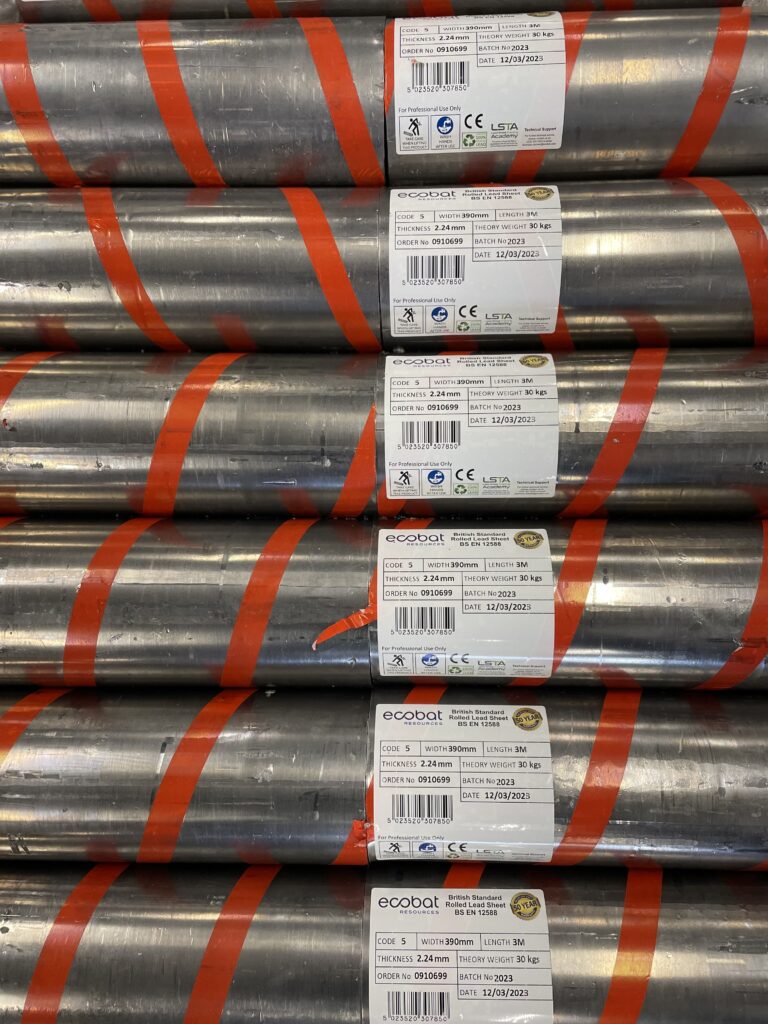
 Code 5 Lead
 Code 6 Lead





Rolled Lead Sheet Manual Handling: 12 Pro Rules (2025)

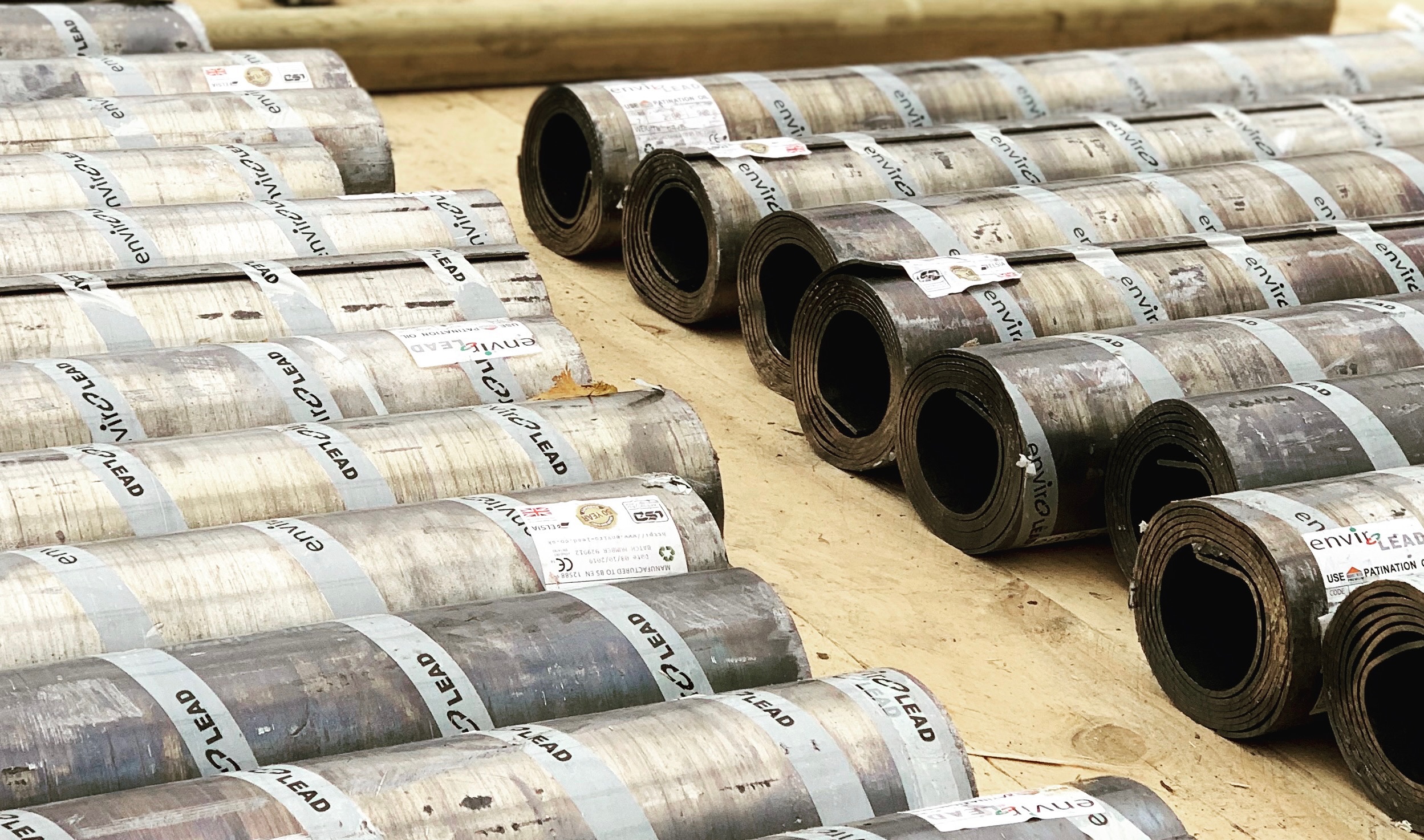
Rolled Lead Sheet Manual Handling — 12 Pro Rules (2025)
This page turns rolled lead sheet manual handling into a clear playbook—using HSE risk filters, MAC and RAPP tools, team-lift choreography, pushing/pulling guidance and a quick-buy kit to cut strain on site.
Authoritative guidance: HSE manual handling hub, INDG143, MAC tool, RAPP tool, HSE Construction, and LSTA.
In this guide
- Why rolled lead sheet manual handling demands a plan
- HSE risk filters, MAC & RAPP—what to use and when
- Weights & sizing: choose loads you can carry
- Prep: route, staging, weather & comms
- 12 Pro Rules for safer handling
- Team-lift choreography (step-by-step)
- Pushing & pulling: when wheels beat biceps
- Biomechanics: posture, grip & micro-drills
- Manual-handling audit & close-out checklist
- Low-strain kit list (quick buy)
- FAQs
- Authoritative resources
- Structured data
Why rolled lead sheet manual handling demands a plan
Rolled lead sheet manual handling is uniquely challenging: dense rolls, awkward diameters, sharp edges, scaffold routes, wind exposure and repetitive repositioning during dressing. HSE emphasises assessing and controlling hazardous handling rather than accepting injuries as “part of the job”. The payoff is huge—lower MSD risk, faster installs and fewer aborted lifts.
HSE risk filters, MAC & RAPP—what to use and when
Use HSE’s risk filters to screen tasks. If a lift fails the quick screen—due to distance, frequency, posture or environment—step up to the MAC tool (lifts/carries/team handling). For barrows and roll-dollies, assess with the RAPP tool (pushing/pulling). Keep INDG143 in RAMS packs for a plain-English briefing.
- HSE risk filters — quick “low/needs assessment” screen.
- HSE MAC tool — lift/carry/team-handling scoring.
- HSE RAPP tool — push/pull start/stop forces, floor, wheel quality.
- INDG143: Manual handling at work — short guide.
- HSE Construction: Manual handling — sector context.
Weights & sizing: choose loads you can carry
Picking the right roll size is the single biggest win in rolled lead sheet manual handling. Too heavy, and you’re forced into team lifts for basic moves; too light, and you waste time joining. Use our tools to balance safety and productivity:
- Use the Shoppable Lead Chart to build a basket of sensible roll lengths/widths.
- Cross-check with the Lead Weight Chart to anticipate actual carried mass.
- Confirm material spec on Lead Codes Explained (BS EN 12588) then finalise quantities in Rolled Lead Sheet.
Prep: route, staging, weather & comms
- Route: clear, level, dry; plan rest points; avoid steps where a ramp is feasible.
- Staging: set temporary trestles at waist height to cut stooping and twisting.
- Weather: postpone lifts in gusts; add anti-slip on wet decks; secure packaging.
- Comms: confirm hand signals/commands and designate a lead handler for team moves.
12 Pro Rules for safer rolled lead sheet manual handling
- Screen first: run HSE risk filters; escalate to MAC/RAPP if anything flags.
- Reduce the load: pick manageable roll sizes with the Shoppable Lead Chart.
- Keep it close: lift with the load close to the body; avoid reaching over guardrails.
- Neutral spine: hinge at hips; turn feet to change direction—never twist under load.
- Grip & edges: use textured gloves; cap sharp edges; unband at staging height.
- Team over heroics: team-lift heavy/awkward rolls; appoint a lead voice.
- Use wheels: prefer barrows/roll-dollies for distance; verify with the RAPP tool.
- Short hops: stage materials to reduce long single carries; create hand-off points.
- Clear landings: pre-clear scaffold bays and deck areas; keep the path visible.
- Rest & rotate: rotate tasks; micro-breaks prevent cumulative fatigue.
- Stop–reassess: if the plan changes (blocked route, extra weight), pause and re-plan.
- Debrief: record near-misses; revise the manual-handling plan for the next lift.
Reinforce these rules during daily briefings and toolbox talks for rolled lead sheet manual handling.
Team-lift choreography (step-by-step)
- Brief: commands (“Ready–Lift–Walk–Set”), route, staging height, hand positions.
- Position: square stance, feet shoulder-width, roll centred; confirm leader.
- Lift: count-in; hinge at hips; keep roll close; no mid-air twisting.
- Carry: short, controlled steps; eyes up; rest only at pre-agreed points.
- Set-down: count-in; lower to staging height; unband at waist height.
Cross-check posture, distance, frequency and environment with the HSE MAC tool.
Pushing & pulling: when wheels beat biceps
For longer moves, pushing/pulling a wheeled aid almost always beats carrying. The HSE RAPP tool helps you judge start/stop forces, gradients, surfaces and wheel quality—and whether to add a second handler.
- Wheel choice: larger, softer wheels for rough ground; maintain tyres and axles.
- Handle height: between elbow and waist for neutral shoulders.
- Routes: avoid cross-slopes; prefer ramps to steps; shallow gradients.
- Two-person push: one steer, one drive on steep ramps or tight corners.
Biomechanics: posture, grip & micro-drills
Posture & grip
- Hands offset around the roll to balance diameter and prevent wrist over-extension.
- Elbows close to ribs for control; shoulders relaxed to avoid upper-trap fatigue.
- Footwork: pivot feet to change direction—never twist the spine under load.
Micro-drills (60–90 seconds)
- Hip hinge + brace (5 reps) before any lift.
- Grip warm-ups with a strap offcut; 3 squeezes x 5 seconds.
- Ankle/hip mobility: 5 controlled step-overs using an empty banding hoop.
Use the HSE good handling technique page in inductions and refreshers.
Manual-handling audit & close-out checklist
Audit prompts for rolled lead sheet manual handling
- Did we screen with risk filters and escalate to MAC/RAPP where needed?
- Were roll sizes planned via the Shoppable Lead Chart and Lead Weight Chart?
- Was staging at waist height and the route pre-cleared?
- Were wheels used for distance and RAPP factors acceptable?
- Any near-misses? Corrective actions logged and briefed?
Low-strain kit list (quick buy)
- Right-sized rolls: Select in Rolled Lead Sheet via the Shoppable Lead Chart and confirm weights with the Lead Weight Chart.
- Slip/separation: Lead Underlay & Tapes to reduce drag when positioning sheets.
- Fixings sorted: Leadwork Fixings (copper/stainless nails, clips) so you’re not re-handling.
- Finish: Patination Oil (apply with ventilation, gloves, eye protection).
- Know-how: Lead Codes Explained for spec clarity on BS EN 12588.
FAQs — rolled lead sheet manual handling
Is there a legal maximum weight for one person?
No fixed legal max. The duty is to assess and control risk. Use HSE filters, MAC and RAPP to decide team lifts or mechanical aids (see resources below).
When should I switch from carrying to wheels?
For distance, awkward routes or high forces. Assess with the RAPP tool; add a second handler for slopes or tight corners.
What’s “good technique” in one sentence?
Keep the load close, hinge at hips with a neutral spine, avoid twisting, and set down in one controlled movement.
How do I brief subcontractors?
Short induction covering rolled lead sheet manual handling rules, MAC/RAPP use, route plan, staging heights and signals; collect signatures.
Can better sizing really save time?
Yes—sensible roll sizes cut amber/red MAC factors, reduce team-lift frequency and speed up placement and dressing.
Authoritative resources
- HSE manual handling overview
- INDG143: Manual handling at work (PDF)
- HSE risk filters
- HSE MAC tool
- HSE RAPP tool
- HSE Construction: Manual handling
- HSE good handling technique
- LSTA (Lead Sheet Training Academy)
Move smarter, work longer
With a plan, the right kit and HSE tools, rolled lead sheet manual handling becomes predictable—not painful. Stage the work, screen the risk and build your basket in a few taps.