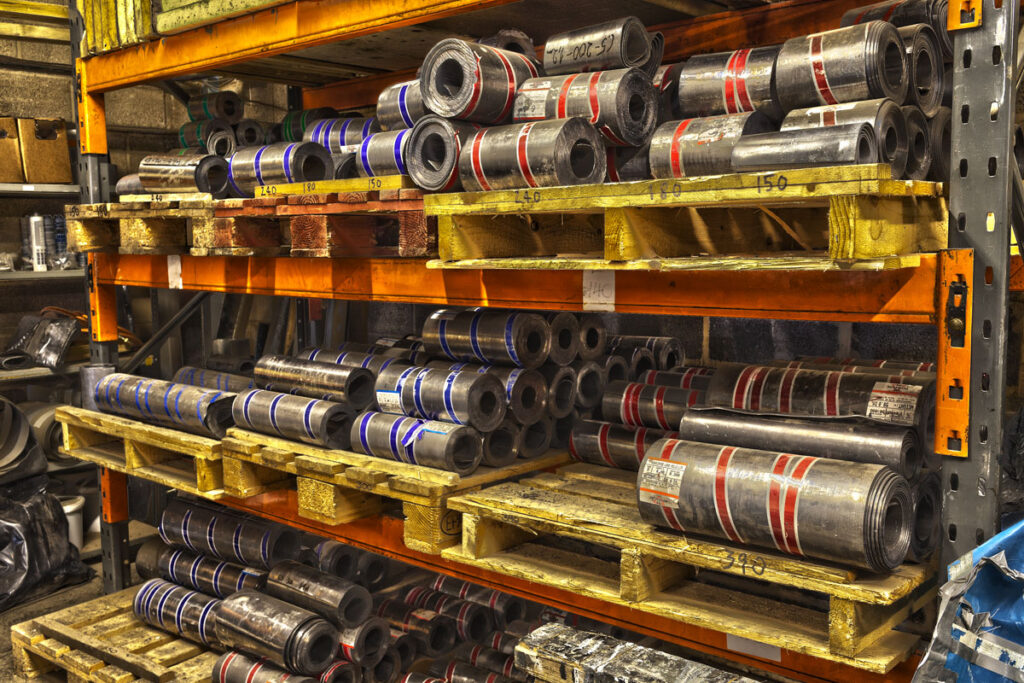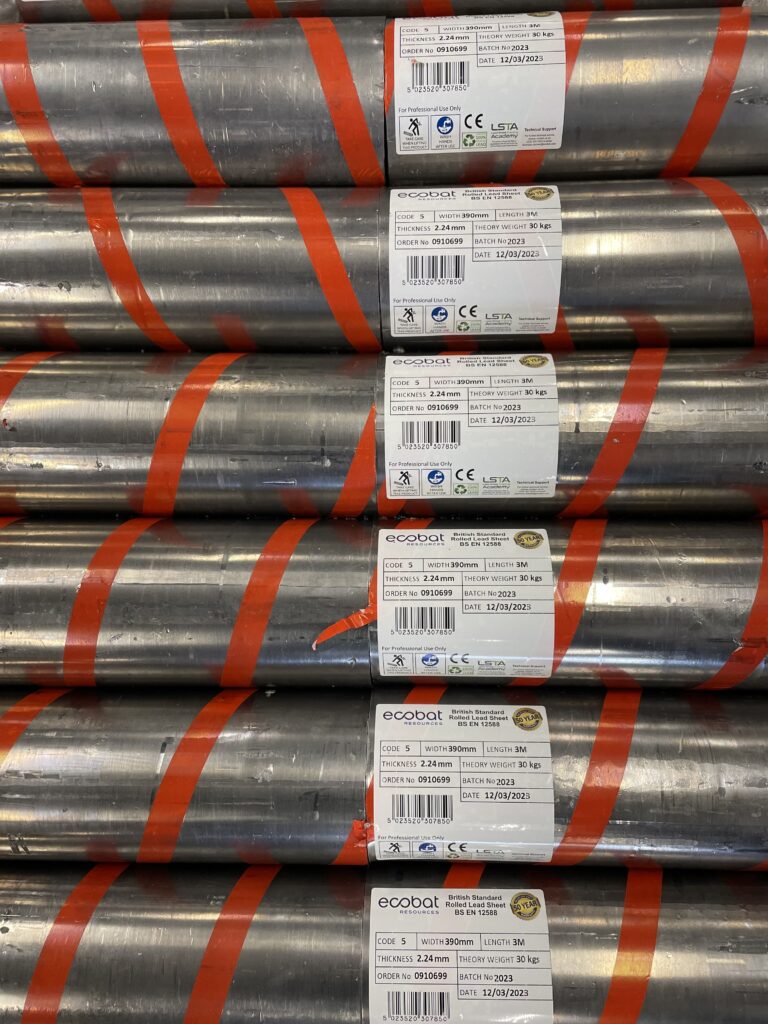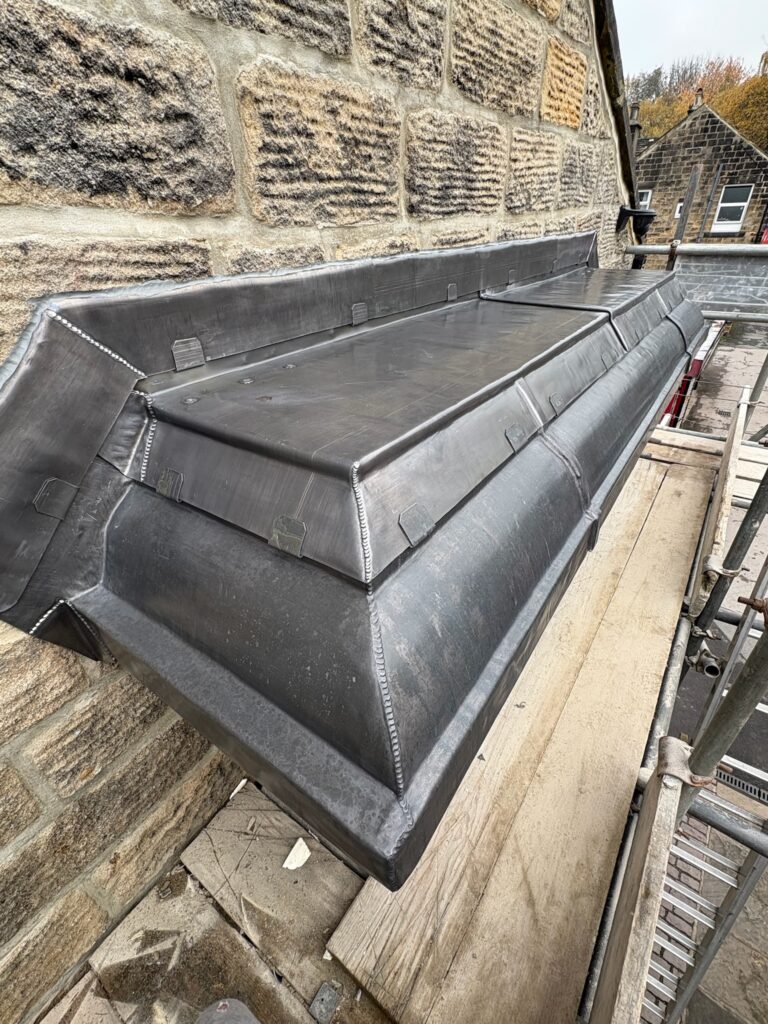


 Code 3 Lead
 Code 4 Lead
 Code 5 Lead
 Code 6 Lead





Rolled Lead Sheet COSHH 2025: Safe Handling Guide


Rolled Lead Sheet COSHH — 2025 Safe Handling Guide
This practical guide turns rolled lead sheet COSHH into an on-site checklist—covering duties under UK law, workplace exposure limits, biological monitoring, task controls, PPE and hygiene. Use it to brief teams, tune your RAMS and build a compliant basket in minutes.
In this guide
- Your COSHH duties for rolled lead sheet COSHH
- Exposure limits, blood lead & health surveillance
- Exposure routes & higher-risk tasks
- Task controls for roofing leadwork
- PPE, RPE & hygiene behaviours
- Patination oil COSHH (product link)
- Welfare standards on live sites
- Monitoring & record-keeping checklist
- Worked example: Soldering control plan
- Subcontractors & occupied premises
- One-page COSHH template (leadwork)
- Waste, storage & housekeeping
- Quick basket for compliant jobs
- FAQs
- Authoritative resources (outbound)
- Structured data
Your COSHH duties for rolled lead sheet COSHH
Under COSHH and the Control of Lead at Work Regulations (CLAW), duty-holders must assess risks, prevent or adequately control exposure, provide information/training, and arrange appropriate monitoring and health surveillance where exposure is significant. The rolled lead sheet COSHH framework below maps those duties to everyday roofing tasks so your paperwork and behaviours satisfy the HSE’s expectations.
- Assess: Identify dust/fume creation, exposure duration, vulnerable workers and nearby occupants.
- Control: Prioritise engineering and method controls; RPE/PPE is the last line.
- Inform: Deliver briefings and toolbox talks on rolled lead sheet COSHH and hygiene.
- Monitor: Plan air monitoring where indicated; use biological monitoring (blood lead) for relevant workers.
- Record: Keep assessments, training, monitoring and health-surveillance records.
For legal context and HSE advice see HSE: Working with Lead and HSE Construction: Lead.
Exposure limits, blood lead & health surveillance
Lead exposure is managed using workplace exposure limits (WELs) and blood-lead thresholds. The general principle is ALARP: reduce exposure “as low as reasonably practicable,” even where measurements sit below limits. Build this into your rolled lead sheet COSHH assessment and action plans.
Practical steps
- Nominate who requires health surveillance; agree test intervals with Occ Health.
- Act early when results trend upward; rotate tasks and tighten controls.
- Investigate any exceedances; revise the rolled lead sheet COSHH assessment and brief the team.
See the current WELs in EH40 Workplace Exposure Limits and health-effect guidance at HSE: Health effects from exposure to lead.
Exposure routes & higher-risk tasks
Lead enters the body by inhalation (dust/fume) and ingestion (hand-to-mouth). For rolled lead sheet COSHH on roofs, give special attention to:
- Abrasive cutting/grinding: Avoid wherever possible; use shears/hand tools.
- Soldering/hot works: Manage fume with ventilation, positioning and RPE where needed.
- Dry sweeping: Replace with H/M-class extraction and damp-wipe methods.
- Hygiene failures: Eating/smoking on scaffold, contaminated welfare or vehicles.
HSE’s construction-specific controls are summarised at HSE Construction: Lead.
Task controls for roofing leadwork
The best control is methodical, low-dust work. Start with method and engineering controls; RPE/PPE comes last. Use this matrix within your rolled lead sheet COSHH assessment:
| Task | Primary Controls | Notes |
|---|---|---|
| Cutting & dressing | Shears/hand tools; prohibit grinding; continuous slip layer to reduce abrasion. | Keep pieces small; bag offcuts at source; wipe down before breaks. |
| Soldering & hot works | Work outdoors or use LEV; set upwind; restrict bystanders; minimise dwell. | Use RPE if fume likely; cool/clean area; manage flux safely. |
| Chases & fixings | H/M-class vacuum on chase dust; damp-wipe; compatible fixings; avoid pepper-nailing. | Seal chases neatly; keep welfare/vehicles free of dust transfer. |
| Clean-down & finishing | Damp-wipe; extraction; sealed waste bags; welfare cleaning rota. | Apply patination oil with gloves/eye protection and ventilation; follow SDS. |
PPE, RPE & hygiene behaviours
Baseline PPE/RPE for rolled lead sheet COSHH
- Disposable nitrile gloves or suitable reusables; dedicated coveralls for lead tasks.
- RPE (e.g., FFP3 or half-mask with P3) when dusty/fuming; face-fit and maintain.
- Eye protection for mechanical cutting and hot works.
Hygiene & behaviour standards
- No food, drink or smoking in work areas; wash hands/face before breaks and at shift end.
- Separate storage for workwear; managed laundering; daily welfare cleaning checklist.
- No dry sweeping; use H/M-class vacuums and damp-wipe methods only.
Patination oil COSHH (product link)
Patination oil is a finishing aid that sits inside your rolled lead sheet COSHH assessment. Treat it as a chemical substance with flammability/irritancy considerations:
- Keep the SDS available; store away from ignition and heat sources.
- Apply with gloves and eye protection; ventilate or work outdoors; avoid run-off to gutters/watercourses.
- Dispose of wipes/cloths safely to prevent self-heating or contamination.
Buy Patination Oil and include a short method/PPE note in your RAMS. For health effects of lead exposure more broadly, review HSE health-effects guidance.
Welfare standards on live sites
Good welfare keeps exposure under control. Build these points into your rolled lead sheet COSHH plan:
- Provide warm water, soap, nailbrushes and disposable towels close to the work area.
- Segregate clean/dirty zones; prevent lead dust migrating to canteens or vehicles.
- Provide covered bins and a cleaning rota for welfare areas and walkways.
Useful overview pages: HSE: Working with Lead.
Monitoring & record-keeping checklist
What to keep on file
- COSHH assessment: Specific to tasks and site conditions, reviewed at set intervals.
- Training & toolbox talks: Attendance sheets and content for rolled lead sheet COSHH.
- Air monitoring (if used): Reports, sampling plans and actions taken.
- Biological monitoring: Blood-lead results (confidentially managed), actions and re-test plans.
- PPE/RPE: Face-fit records, maintenance logs, issue registers.
- Incidents/exceedances: Investigations and corrective actions.
See EH40 for WEL context and HSE lead guidance for monitoring/surveillance advice.
Worked example: Soldering control plan
- Planning: Identify soldering spots; confirm outdoor working or provide LEV.
- Setup: Position work upwind; exclude bystanders; place fire-safe mats; have extinguishers ready.
- PPE/RPE: Eye protection; gloves; RPE if fume might accumulate; sleeves down.
- Method: Keep dwell time short; avoid excessive heating; maintain clean tip; control flux.
- Post-work: Allow to cool; damp-wipe; bag debris; remove RPE in clean area; wash hands and face.
- Records: Note the task in the daily RAMS brief; if repeated/extended, schedule biological monitoring.
Cross-check against HSE: Working with Lead.
Subcontractors & occupied premises
Where subcontractors are involved, include them in the rolled lead sheet COSHH induction and toolbox talk. On occupied premises, plan segregation, signage and time-of-day working to reduce exposure risks to occupants and neighbours.
- Issue a concise COSHH summary; collect signatures.
- Define clean routes, protected entrances and scaffold rules.
- Schedule higher-risk tasks (e.g., hot works) when occupants are absent.
One-page COSHH template (leadwork)
Copy/paste outline for RAMS (rolled lead sheet COSHH)
- Substances/Processes: Rolled lead sheet (BS EN 12588), soldering flux, patination oil.
- Hazards: Lead dust/fume (toxic if inhaled/ingested); patination oil (flammable/irritant).
- Exposure Routes: Inhalation, ingestion, skin contact.
- Who’s at Risk: Roofers, labourers, scaffolders, occupants, public nearby.
- Controls: No grinding; H/M-class vac; damp-wipe; LEV or outdoor soldering; segregated eating areas.
- PPE/RPE: Gloves, coveralls; FFP3/P3 when dusty/fuming; eye protection.
- Monitoring: Air monitoring as needed; biological monitoring (blood lead) where exposure is significant.
- Health Surveillance: Enrolment, periodic testing, thresholds/actions documented.
- Emergency: Remove from exposure; wash skin; seek medical advice for symptoms.
- Waste: Sealed, labelled containers for swarf/dust; prevent contamination of welfare/vehicles.
- Training/Briefing: Induction + toolbox talk on rolled lead sheet COSHH; attendance recorded.
Waste, storage & housekeeping
- Store rolls/sheets clean and dry; avoid damage that creates unnecessary handling and dust.
- Collect swarf/offs in sealed, labelled bags; segregate from general waste; keep lids closed.
- Wipe tools and surfaces; avoid transferring contamination to vehicles and welfare areas.
For general best practice in leadwork skills and standards, see training resources at LSTA.
Quick basket for compliant, efficient jobs
- Lead: Choose sizes in Rolled Lead Sheet using our shoppable lead chart.
- Fixings: Add compatible Leadwork Fixings (copper/stainless nails, clips, wedges).
- Underlay: Add Lead Underlay & Tapes for a continuous slip layer.
- Finish: Add Patination Oil—apply with ventilation, gloves and eye protection.
- Know-how: Check Lead Codes Explained and the Lead Weight Chart before checkout.
FAQs — rolled lead sheet COSHH
Do I need biological monitoring for small jobs?
If exposure is significant or repeated, include biological monitoring and review results promptly with a competent provider. Use the ALARP principle.
What’s the quickest way to cut without dust?
Use shears or non-abrasive cutters. Prohibit grinding within your rolled lead sheet COSHH method statement.
How should I control soldering fume?
Work outdoors or provide LEV; position upwind; restrict bystanders and use RPE where fume cannot be avoided.
Is patination oil covered by COSHH?
Yes—treat it as a chemical substance: keep the SDS on site, ventilate during use, avoid ignition, and wear gloves/eye protection. See our Patination Oil page.
What records do I keep?
Risk assessments, method statements, training/toolbox talks, monitoring and health-surveillance records, plus corrective actions and face-fit logs.
How do I brief subcontractors?
Include a short rolled lead sheet COSHH induction: no grinding; vac/damp-wipe only; welfare rules; PPE/RPE; waste handling; sign the briefing sheet.
Which underlay should I choose?
Use continuous slip/separation layers from Lead Underlay & Tapes to cut abrasion and noise.
Authoritative resources (outbound)
For current UK guidance and legal context related to rolled lead sheet COSHH, see:
- HSE: Working with Lead
- HSE: Health effects from exposure to lead
- EH40: Workplace Exposure Limits
- HSE Construction: Lead
- Lead Sheet Training Academy (LSTA)
Control the risk, keep the craft
Great leadwork looks effortless when controls are invisible. Use this rolled lead sheet COSHH framework to brief the team, reduce exposure and finish clean—then build your basket in a few taps.