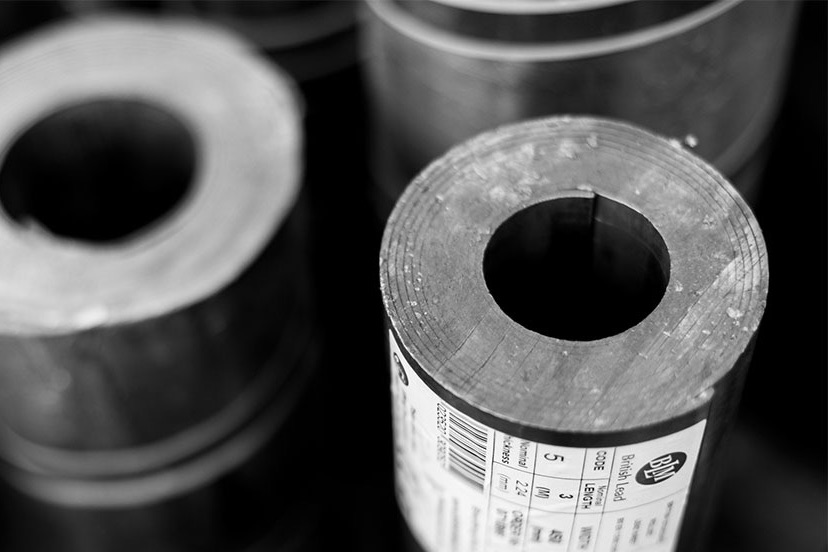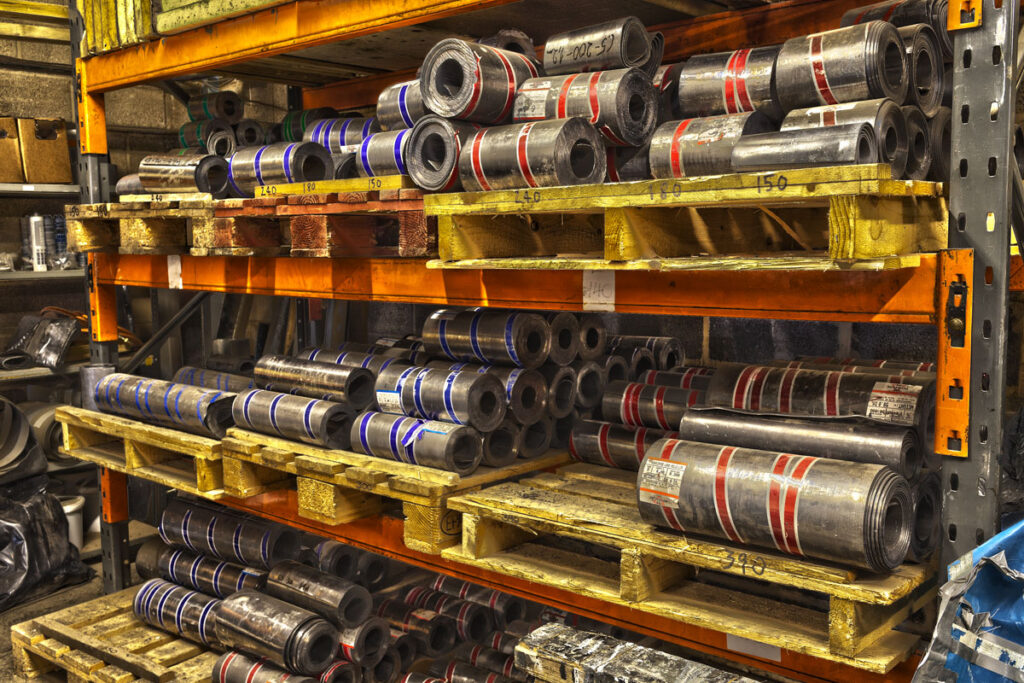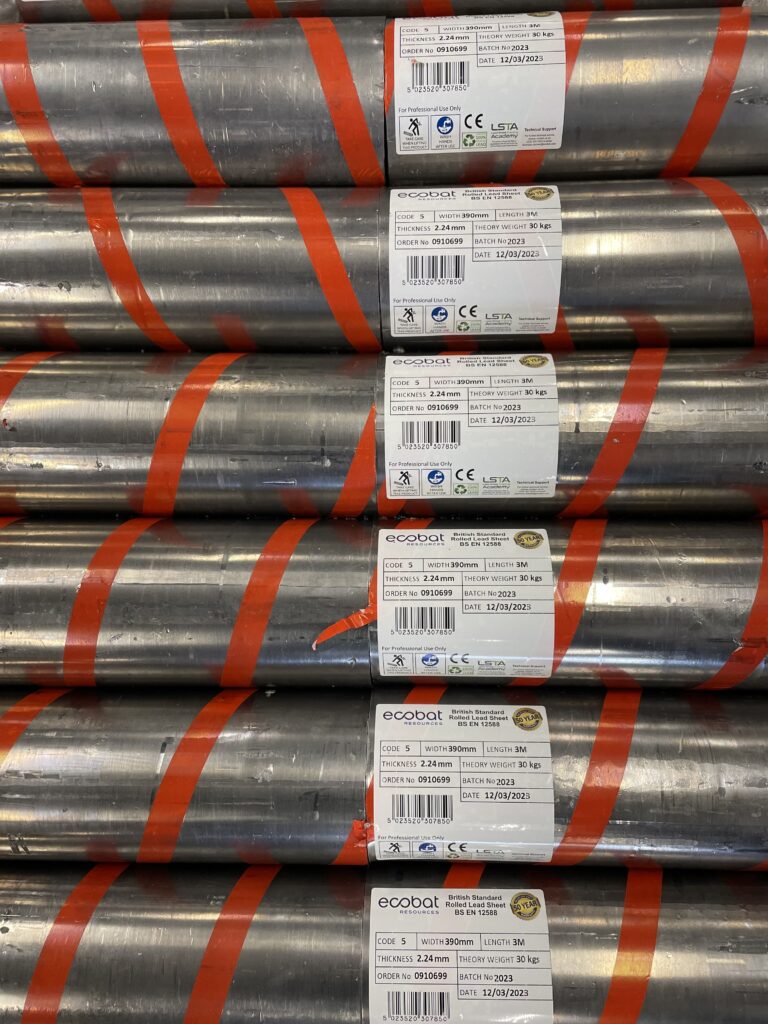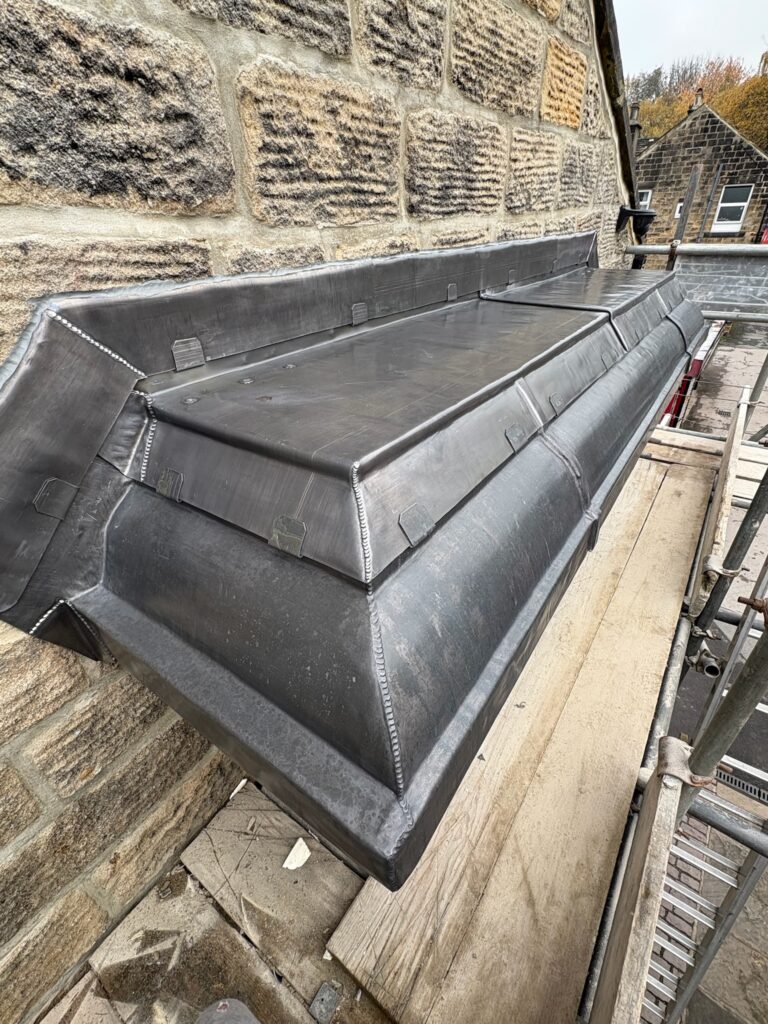


 Code 3 Lead
 Code 4 Lead
 Code 5 Lead
 Code 6 Lead






The Ultimate 2026 Guide to Rolled Lead Sheet: Codes, Thicknesses & Best Uses


The Ultimate 2025 Rolled Lead Sheet Guide: Codes, Thicknesses & Best Uses
This rolled lead sheet guide provides a comprehensive and technically authoritative explanation of lead codes, thicknesses, manufacturing standards, performance considerations and correct application. In the UK, rolled lead remains the most reliable and longest-lasting roofing metal when installed according to BS EN 12588, BS 6915 and the guidance issued by the Lead Sheet Association (LSTA). Yet surveyors frequently encounter failures that stem not from the material itself, but from incorrect code selection, improper detailing or misunderstanding of lead’s thermal behaviour.
Lead offers unparalleled malleability, corrosion resistance and longevity. When correctly detailed, a lead roof or flashing can exceed 80 years of service life. However, achieving this performance requires correct specification and an in-depth understanding of how thickness, bay sizing, movement allowance and fixings interact. This rolled lead sheet guide has been created to provide architects, surveyors, heritage specialists and professional installers with the depth of knowledge required to deliver compliant and durable lead installations in 2025 and beyond.
Correct Lead Code Selection Made Simple
Unsure which lead code you need? This rolled lead sheet guide is supported by our interactive lead code selector.
Shop The Lead Chart1. What Is Rolled Lead Sheet?
Rolled lead sheet is manufactured to BS EN 12588, which specifies thickness tolerances, mechanical properties, and uniformity of material. This manufacturing process ensures that each code of lead provides consistent performance and predictable behaviour under thermal and structural load. In contrast to sand-cast lead, which has a variable thickness profile, rolled lead is precision-manufactured to within narrow tolerances, making it the preferred solution for modern roofing applications.
A rolled lead sheet guide must begin with the fundamentals of how the material is produced. The manufacturing process involves:
- Melting refined lead ingots
- Passing the molten lead through calibrated rolling mills
- Cooling and forming the sheet to a uniform thickness
- Applying strict metallurgical and dimensional quality control
Rolled lead sheet manufactured under BS EN 12588 is instantly recognisable by its high surface uniformity, precise thickness and consistent mechanical response. These factors underpin its suitability for complex weathering details, expansion joints and interfaces with modern roofing and cladding systems.
2. Understanding Lead Codes: Thicknesses and Structural Implications
A core element of this rolled lead sheet guide is understanding the role of lead codes. Each code represents a defined thickness and weight per square metre. These codes are:
- Code 3 – 1.32mm (14.97 kg/m²)
- Code 4 – 1.80mm (20.41 kg/m²)
- Code 5 – 2.24mm (25.40 kg/m²)
- Code 6 – 2.65mm (30.05 kg/m²)
- Code 7 – 3.15mm (35.72 kg/m²)
- Code 8 – 3.55mm (40.26 kg/m²)
As thickness increases, so does rigidity, weight and structural resilience. Choosing the right code is essential for achieving both compliance and performance. Many surveyor reports highlight premature failures that originate from code misselection rather than workmanship. For example:
- Code 3 used for exposed flashings results in early fatigue failure
- Code 4 used in high-exposure coastal sites often experiences uplift or splitting
- Excessively heavy codes used unnecessarily increase weight and restrict thermal movement
Accurate specification requires an understanding of the relationship between lead thickness, bay length, thermal expansion and environmental exposure—each of which is examined further throughout this rolled lead sheet guide.
3. Movement, Thermal Expansion and Material Behaviour
No rolled lead sheet guide is complete without addressing the thermal characteristics of the material. Lead has a relatively high coefficient of thermal expansion. This means that even modest temperature fluctuations can cause significant dimensional change, particularly in exposed or dark-coloured roof areas. When installers fail to allow for this movement, the material responds with predictable deformation patterns:
- Buckling across mid-bays
- Creep towards lower edges
- Splitting at restrained points
- Mortar cracking at chase lines
The LSTA’s technical manuals—referenced extensively throughout this rolled lead sheet guide—provide maximum bay lengths and detailing recommendations for each code. BS 6915 reinforces these principles, noting that incorrect movement allowance remains one of the most common sources of long-term leadwork failure.
Surveyors often diagnose movement-related failures by observing deformation patterns and by comparing them against predicted expansion behaviour. These indicators form a key part of building pathology analysis relating to lead installations.
4. The Role of Bay Sizing
Correct bay sizing is central to preventing movement-related failure. Every rolled lead sheet guide must emphasise that bays must be dimensioned to allow for expansion, avoid stress concentrations and minimise the risk of fatigue. The maximum bay sizes recommended by the LSTA vary by code, but generally fall within the following ranges:
- Code 4: 1.5m length
- Code 5: 1.8m length
- Code 6: approximately 2m length
Attempting to exceed these dimensions is a primary cause of lead deformation. Conversely, excessively small bays may result in unnecessary jointing, increasing complexity and potential moisture ingress points.
Surveyors routinely identify over-sized bays during inspections, often correlating these findings with observed moisture ingress or deformation. This is why bay length is emphasised repeatedly throughout this rolled lead sheet guide—it is foundational to lead performance.
5. Application-Specific Uses of Rolled Lead Sheet
A complete rolled lead sheet guide must explain where each code should be used and why. Application influences code selection, joint design, bay sizing and fixing method. Common applications include:
5.1 Flashings
Flashings protect junctions between roof surfaces and vertical walls, chimneys or penetrations. Code 4 is typically suitable for most standard UK conditions, though Code 5 may be required in exposed settings.
5.2 Soakers
Soakers must be flexible and lightweight. Code 3 is generally appropriate because it bends easily around tile profiles while providing sufficient durability.
5.3 Valleys
Valleys require thicker material due to increased water volume and structural loading. Code 5 or Code 6 is common, especially in complex or steep roof geometries.
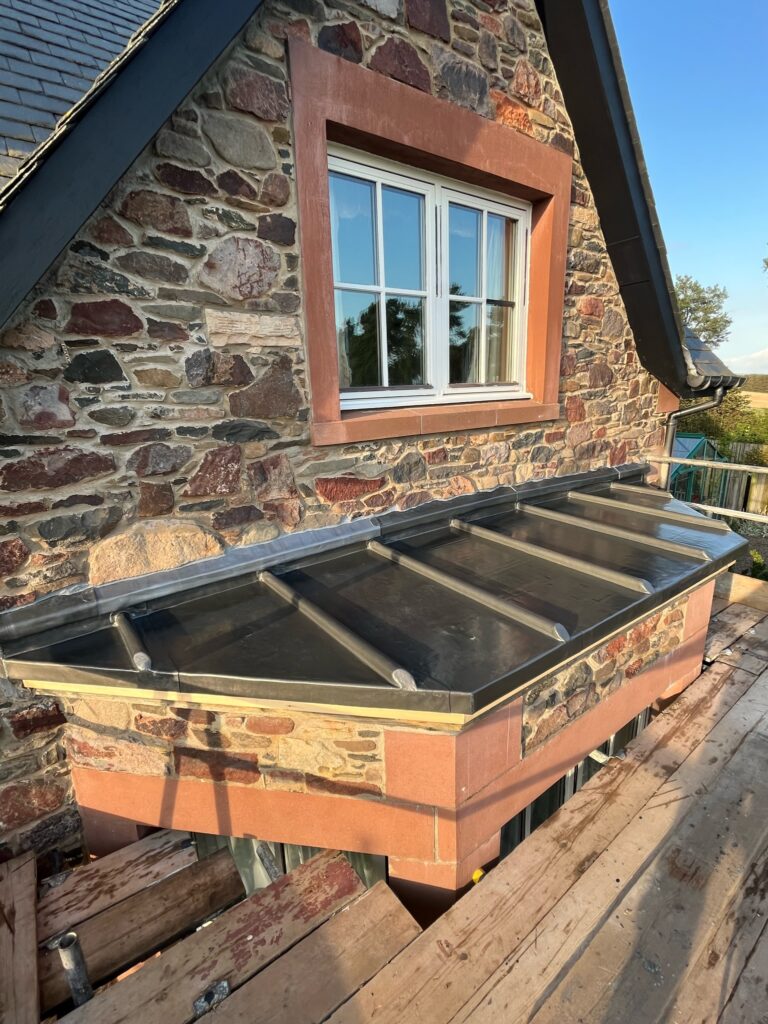
5.4 Dormers and Abutments
Abutment flashings must accommodate large amounts of water and wind-driven rain. Code 4 or 5 is typical, though heritage projects may require Codes 6–8 depending on exposure.
5.5 Parapets and Gutters
These locations benefit from heavier codes due to the risk of ponding, ice formation and repeated thermal cycling. Code 6 or Code 7 is usually appropriate.
Each of these recommendations reflects the need to match structural and environmental demands with the correct thickness. This rolled lead sheet guide is intended to help designers make informed choices based on performance, not habit.
6. BS EN 12588 and BS 6915 Compliance
Both standards form the foundation of this rolled lead sheet guide. BS EN 12588 governs material manufacture and consistency, while BS 6915 governs installation and detailing. Combined, they define the performance envelope for all compliant leadwork.
Key compliance considerations include:
- Correct code selection
- Maximum bay sizes by code
- Slip layers where required
- Correct fixing spacing (600mm)
- Use of copper or stainless steel fixings
- Appropriate upstand heights (minimum 75mm)
- Correct lap formation
The Planning Portal provides additional context on moisture and weathering considerations: https://www.planningportal.co.uk/info/200135/approved_documents/74/approved_document_f
Surveyors often reference these clauses when reporting defects or preparing specifications for remedial works.
7. Typical Failure Mechanisms and How to Avoid Them
This rolled lead sheet guide would be incomplete without addressing the primary failure modes that appear in condition surveys. These include:
7.1 Fatigue Cracking
Occurs when lead repeatedly flexes under thermal movement. Usually caused by oversized bays or over-restraint.
7.2 Buckling
Develops when thermal expansion is restricted. A diagnostic indicator of incorrect bay sizing.
7.3 Creep
Gradual downward movement of lead on pitched surfaces. Often misinterpreted as installation error when it is actually a structural design issue.
7.4 Water Tracking
Results from inadequate laps or incorrect chase formation. Surveyors identify this by staining patterns on internal finishes.
7.5 Mortar Joint Failure
Common where hard mortar is used instead of flexible alternatives. Movement pushes the lead outward until the mortar fractures.
Buy BS EN 12588 Rolled Lead Sheet
If your project requires compliant materials, all our lead rolls meet manufacturing and performance standards outlined in this rolled lead sheet guide.
Shop Rolled LeadVisit Leadwork Guides
8. Health & Safety, Environmental and Conservation Considerations
A modern rolled lead sheet guide must also acknowledge broader regulatory and environmental considerations. Lead is reusable, recyclable and one of the most environmentally stable roofing materials when used responsibly. Conservation areas often require lead due to its visual and structural compatibility with historic building fabric.
From a surveyor’s perspective, heritage sites frequently contain a mixture of rolled and sand-cast lead. Rolled lead offers predictable performance, while sand-cast lead provides authenticity where required. Understanding their differences ensures correct specification during conservation repairs.
Health & safety considerations include correct manual handling, avoidance of lead dust and adherence to COSHH regulations. These requirements do not diminish the material’s suitability; rather, they ensure safe and controlled installation.
Conclusion: Why Rolled Lead Sheet Remains the UK’s Most Reliable Weathering Material
This rolled lead sheet guide demonstrates why rolled lead continues to outperform alternatives in roofing and flashing applications. Its durability, workability, recyclability and compatibility with traditional and modern structures make it an essential material for high-quality building envelope design.
By understanding codes, bay sizing, movement, detailing and compliance requirements, professionals can ensure that rolled lead sheet installations deliver their full service life. Surveyors, contractors, architects and conservation specialists all benefit from a deep understanding of the principles outlined in this guide.