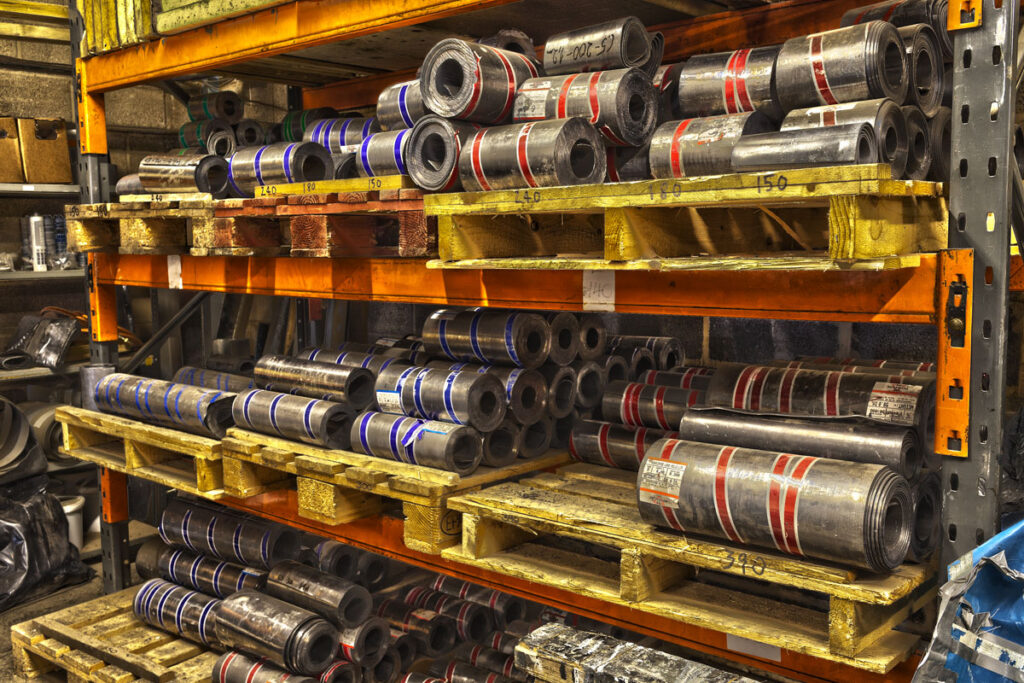


 Code 3 Lead
 Code 4 Lead
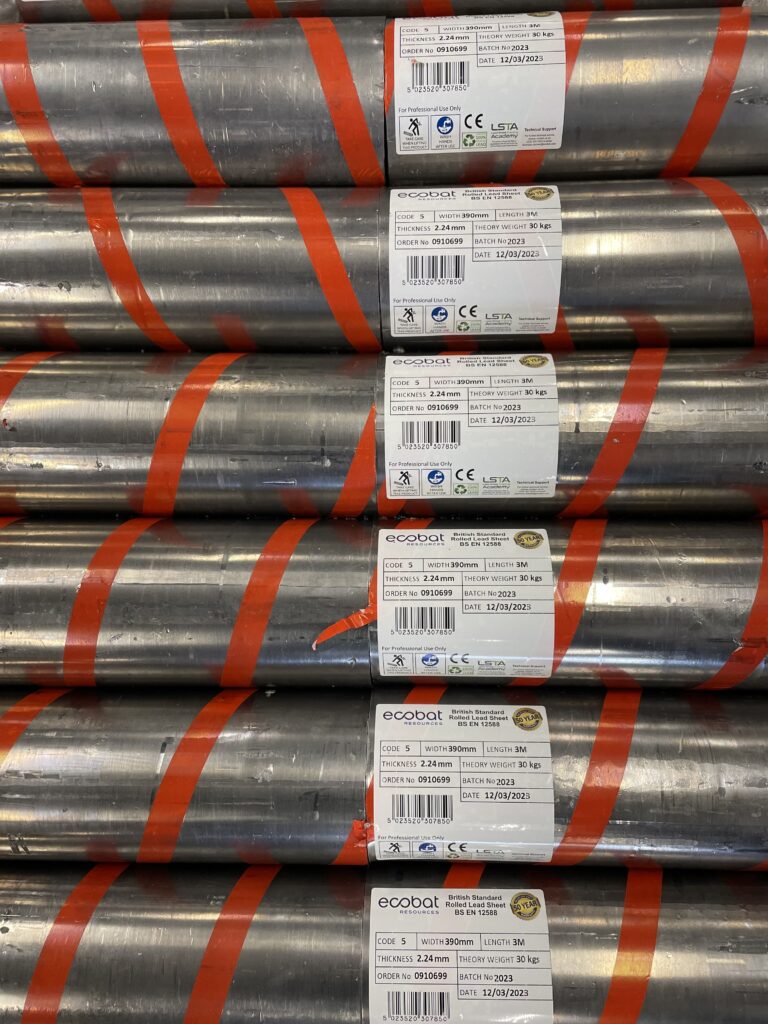
 Code 5 Lead
 Code 6 Lead






Lead Roof Design Errors Architects Still Make in 2026 (And How to Avoid Them)


Lead Roof Design Errors Architects Still Make in 2026 (And How to Avoid Them)
Most premature lead defects do not start with “bad lead” and they don’t always start with poor workmanship either. In building pathology and defect diagnosis, a large percentage of problems can be traced back to the design stage. In other words, many lead roof design errors are “designed in” long before anyone picks up a hammer. The good news is that the majority of lead roof design errors are also preventable once you understand how lead behaves, how modern buildings manage moisture, and how junctions actually perform in service.
This 2026 guide sets out the most common lead roof design errors still appearing in drawings, schedules and specifications. It explains why these errors occur, how they lead to observable defects on site, and how to avoid repeated lead roof design errors through better detailing, coordination and practical constraints. The focus is intentionally professional and neutral: the aim is to help architects, designers, specifiers and surveyors deliver lead roofs that last for decades.
For deeper defect investigation and reporting, it is sensible to involve qualified building surveyors experienced in moisture behaviour, roof pathology and formal reporting. Where corrective works are required, use leading roofing contractors with proven leadwork capability, and engage specialist leadwork contractors for accurate detailing, bay layout and compliant installation practices.
Specify Lead Correctly (Avoid Design-Led Defects)
Many lead roof design errors are prevented by selecting the right code, the right bay sizes, and the right detailing approach at the start.
Use the Lead Code SelectorShop Rolled Lead Sheet
Why Lead Roof Design Errors Persist in 2026
Even though lead is one of the oldest roofing materials still in common use, lead roof design errors persist because modern buildings are changing faster than many legacy details. In 2026, the typical roof is more insulated, more airtight, and more complex at junctions than it was even 15–20 years ago. That shift increases the consequence of small lead roof design errors that previously might have “worked well enough”.
Three recurring drivers explain most lead roof design errors seen by surveyors:
- Detail reuse without context: copying details between buildings without adjusting for exposure, pitch, insulation and maintenance access.
- Assuming lead is forgiving: lead is workable, but it still needs movement allowance, ventilation strategy and proportionate bay sizes.
- Late-stage specialist input: leadwork is often treated as a “roofing finish” rather than a system requiring early coordination.
When these drivers combine, lead roof design errors become baked into the specification and only appear years later as cracking, staining, timber decay or condensation. That is why this article focuses on design-led issues, not just on-site workmanship.
Design Error #1: Oversized Bays and Incorrect Expansion Assumptions
One of the most common lead roof design errors is setting bay sizes for appearance rather than movement behaviour. Lead expands and contracts significantly with temperature. If bay sizes exceed guidance, the lead will attempt to move and will eventually fatigue crack or buckle. This is a core mechanism behind many lead roofing design failures.
Typical bay-related lead roof design errors include:
- long continuous bays specified to “reduce joints”
- no expansion detailing at transitions or changes in direction
- ignoring orientation (south and west elevations are often most severe)
- assuming heavier lead will “solve” movement (it won’t)
How it fails: the lead deforms first (subtle rippling or bowing), then micro-cracks develop at stress points, then water ingress occurs through fatigue splitting. Surveyors frequently record this as a design issue because the workmanship may be tidy, but the geometry is wrong. Avoiding this category of lead roof design errors requires setting bay sizes around movement limits, not aesthetics.
Design Error #2: Over-Restraint Hidden in Junction Detailing
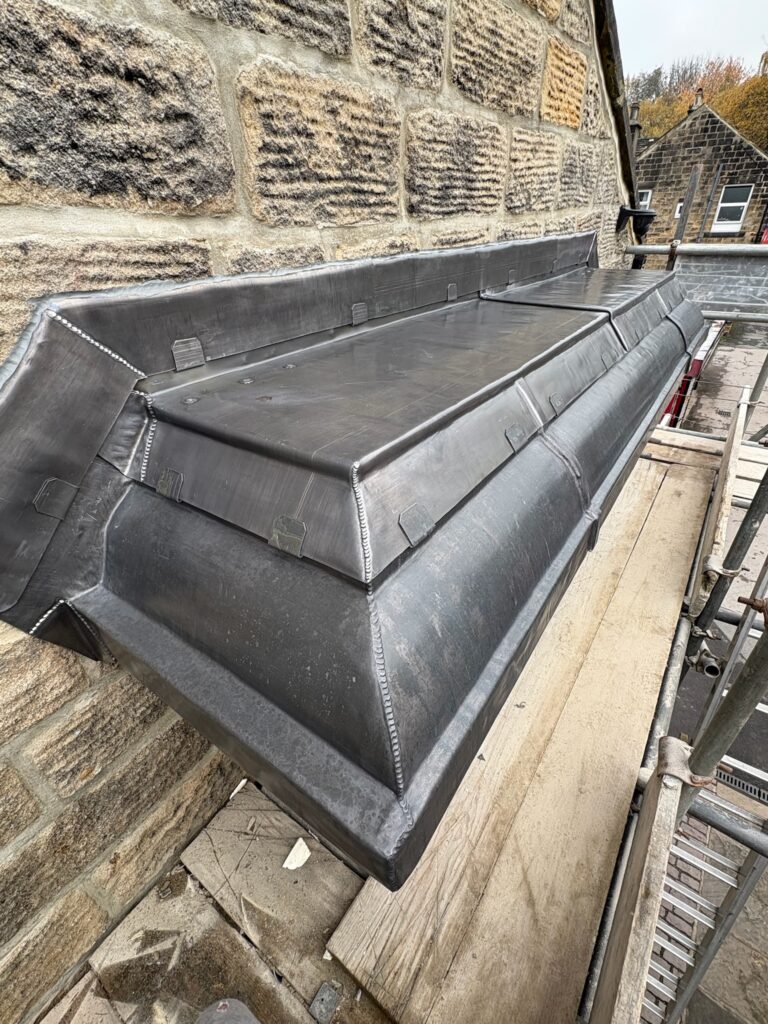
Another widespread category of lead roof design errors is unintentional restraint. Designers sometimes create junctions that trap lead between rigid elements, or they specify fixings that restrict movement. The lead then tears or cracks at the weakest point. These lead roof detailing mistakes often occur in otherwise “high quality” drawings.
Common restraint-driven lead roof design errors include:
- tight perimeter details with no allowance for thermal cycling
- fixings through the field of the sheet rather than at appropriate edges
- internal corners where lead is forced into sharp geometry without relief
- flashing junctions that do not allow differential movement between masonry and roof
How it fails: restraint creates stress concentrations. The lead appears stable until multiple seasonal cycles have passed, then splitting occurs near fixings or corners. In many cases, the workmanship is blamed, but the root cause is restraint — a design-led lead roof design error that should be corrected in the detail.
Design Error #3: No Ventilation Strategy Beneath the Lead
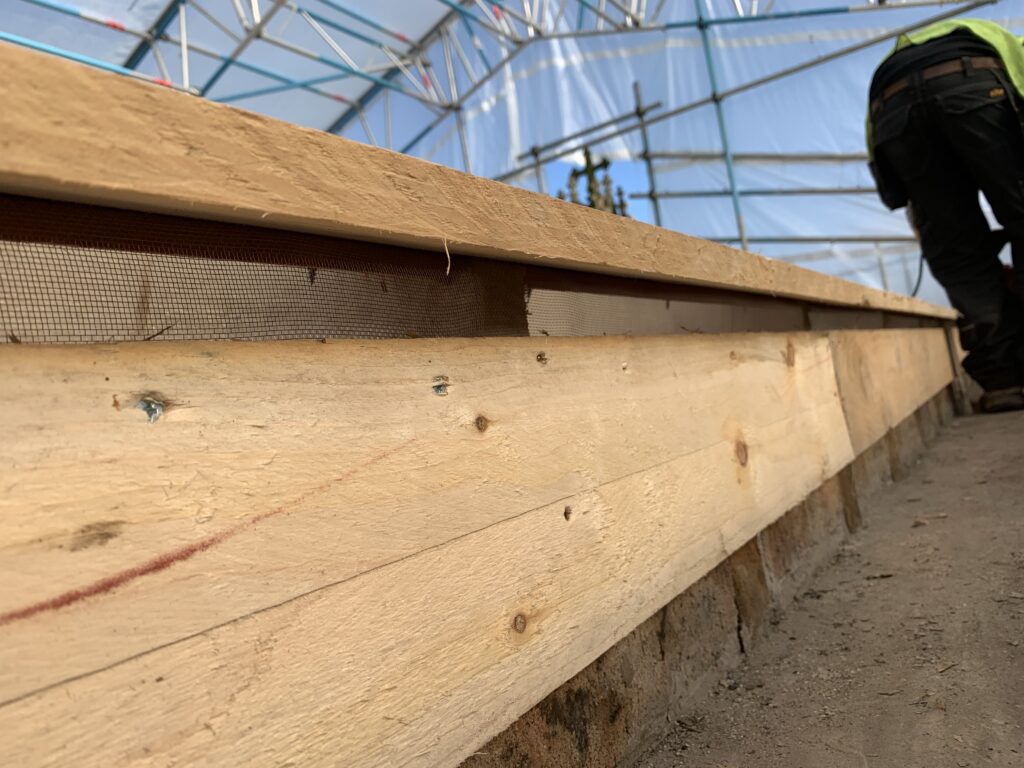
A major modern category of lead roof design errors is the failure to specify an explicit ventilation strategy. Lead is vapour-tight. Moisture that enters the void beneath it must be removed by airflow and/or a compatible build-up. Without that, lead roofing design failures develop as condensation, mould and timber decay — often without visible external leaks.
In 2026, ventilation-related lead roof design errors are increasing due to insulation upgrades and airtight retrofits. Typical mistakes include:
- insulation installed hard against the deck, blocking airflow
- sealed membranes that remove “accidental” ventilation
- dormer cheeks and boxed junctions with dead air pockets
- parapet gutters specified without continuous airflow paths
How it fails: seasonal staining, musty odours, mould on timbers and fixings corrosion. This is often misdiagnosed as a rainwater leak. Where ventilation is implicated, reference regulatory ventilation considerations such as Approved Document F guidance, and coordinate the roof build-up so the ventilation route remains open after insulation is installed. Avoiding these lead roof design errors requires drawing ventilation deliberately, not hoping it exists.
Design Error #4: Incorrect Lead Code Selection and “One Code Fits All” Specs
Incorrect lead code specification remains a high-impact category of lead roof design errors. Designers sometimes specify one code across the entire roof for simplicity, or they select heavier codes on the assumption that “thicker equals better”. Both approaches create lead roof specification errors and can drive future defects.
Common code-related lead roof design errors include:
- light code specified in high-wear areas (gutters, parapets, exposed junctions)
- heavy code specified where movement must be high and bays are small
- same code applied to flashings, soakers, valleys and gutters without differentiation
How it fails: thin lead may crack or distort in exposed areas; overly heavy lead may restrict movement and increase buckling risk; poor code selection can also create difficult workmanship outcomes at junctions. Prevent these lead roof design errors by matching code to function and geometry, and by using a code selector process at design stage, not as an afterthought.
Design Error #5: Incompatible Material Interfaces and Runoff
Incompatibility and runoff are a quieter category of lead roof design errors but still contribute to deterioration. Lead is corrosion-resistant, but surface behaviour can be affected by runoff chemistry, debris retention and contact with certain materials. Where details ignore material interfaces, lead roof detailing mistakes can lead to patina breakdown, staining, or accelerated surface corrosion.
Typical interface-driven lead roof design errors include:
- runoff from dissimilar metals directed onto lead surfaces
- acidic runoff from certain masonry or stone not considered
- organic debris traps at gutters and junctions
- detailing that allows standing water to persist
How it fails: loss of protective patina, surface pitting, staining, and in some cases fixings corrosion. This is often gradual, but it shortens service life and contributes to costly remedial works. Avoid these lead roof design errors by designing runoff routes, ensuring falls are correct, and minimising debris traps.
Design Error #6: Over-Complex Junctions that Don’t Build or Don’t Maintain
Over-complication is a frequent cause of lead roof design errors, particularly in high-end residential and heritage refurbishments. Junctions that look “complete” on paper can be impractical to execute, can obstruct ventilation, or can eliminate maintenance access — creating lead roofing design failures that are predictable in hindsight.
Common complexity-driven lead roof design errors include:
- multi-layer junctions that unintentionally trap moisture
- tight returns and folds that restrict thermal movement
- details that require perfect sequencing to avoid restraint
- elements that cannot be inspected or cleaned once built
How it fails: concealed moisture retention, cracking at tight returns, debris accumulation in inaccessible gutters, and progressive decay beneath apparently intact lead. In professional practice, simpler junctions with clear movement and ventilation paths often outperform complex assemblies. Reducing complexity is one of the quickest ways to remove lead roof design errors from a scheme.
Design Error #7: No Maintenance Access, No Cleaning Strategy, No Lifecycle Thinking
A subtle but expensive category of lead roof design errors is lifecycle neglect. Even the best lead roof can be undermined by blocked outlets, debris traps and repeated foot traffic. If a roof cannot be safely accessed, it will not be maintained — and then defects develop. These lead roof specification errors appear most often in parapet gutters, box gutters and concealed drainage zones.
Common lifecycle-related lead roof design errors include:
- no safe access to clean or inspect gutters and outlets
- no provision for controlled foot traffic routes
- details that accumulate debris with no cleaning route
- tight outlet zones that block easily and pond water
How it fails: standing water, ice loading, accelerated patina breakdown, timber saturation and eventual substrate damage. Maintenance is part of performance. Avoiding lead roof design errors means designing for inspection and cleaning, not just installation.
Design Error #8: No Specialist Input Before the Detail is “Locked”
One of the most preventable lead roof design errors is finalising details without early engagement from a specialist leadwork installer or someone competent in lead detailing. Lead behaves differently from other roofing metals. Many lead roof detailing mistakes come from assuming that a generic metal detail translates directly to lead.
Typical consequences of late input include:
- details that can’t be executed without restraint
- bay geometry that exceeds movement allowances
- ventilation routes that get blocked by insulation sequencing
- specifications that contradict practical fixing methods
How it fails: a roof that looks compliant at handover but begins to crack, buckle or condense over time. Early coordination reduces these lead roof design errors dramatically and improves predictability of performance.
How Surveyors Identify Design-Led Lead Roofing Design Failures
When investigating lead roof design errors, surveyors often focus on evidence that distinguishes a design issue from a workmanship defect. Typical indicators include:
- defects repeating at consistent bay intervals (suggesting bay geometry issues)
- cracking at points of restraint shown on drawings
- condensation and decay patterns aligned with sealed void compartments
- water tracking at flashings where chase depth/laps are design-led
In complex cases, involve qualified building surveyors to document mechanism, evidence, and corrective strategy. That approach supports correct remediation and reduces the risk of repeated lead roof design errors during repair.
Prevent Lead Roof Design Errors Before They Cost You
Start with correct lead code choice, practical junction detailing, and a clear ventilation strategy. These are the foundations of durable lead roof design in 2026.
Choose the Right Lead CodeBuy Rolled Lead Sheet
Best-Practice Checklist: Designing a Lead Roof That Lasts
Use this checklist to eliminate the most common lead roof design errors:
- Set bay sizes around movement allowances, not aesthetics.
- Detail movement at perimeters and junctions; avoid hidden restraint.
- Design lead roof ventilation explicitly and keep air paths continuous.
- Match lead codes to function: gutters, valleys, flashings and soakers are not the same.
- Design runoff routes and avoid incompatible interfaces and debris traps.
- Keep junctions buildable, inspectable and maintainable.
- Provide safe access so drainage can be cleared and checked.
- Engage specialists early so details work in practice.
For lead detailing guidance and industry best practice, reference authoritative industry resources such as technical guidance on lead sheet detailing.
Conclusion: Most Lead Roof Design Errors Are Optional
Most premature lead defects are not inevitable; they are the predictable outcome of repeated lead roof design errors. In 2026, the performance of a lead roof depends on movement-led bay sizing, restraint-free junctions, clear lead roof ventilation strategy, appropriate lead code selection, and practical maintenance access. When those elements are designed in, lead can deliver multi-decade service life with exceptional reliability.
If defects are suspected or a high-risk design is proposed, involve qualified building surveyors to assess moisture risk and detailing performance. Where corrective works are needed, use leading roofing contractors and specialist leadwork contractors to reinstate compliant, durable leadwork and reduce repeat lead roof design errors in future repairs.