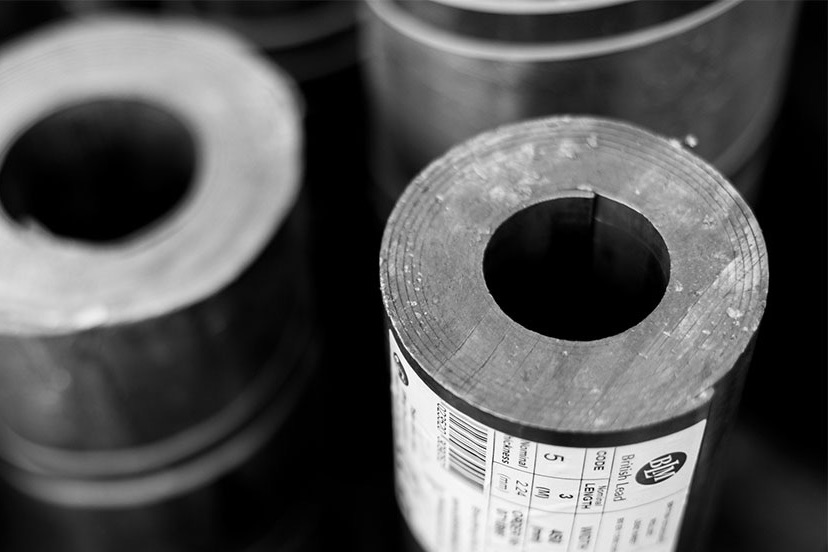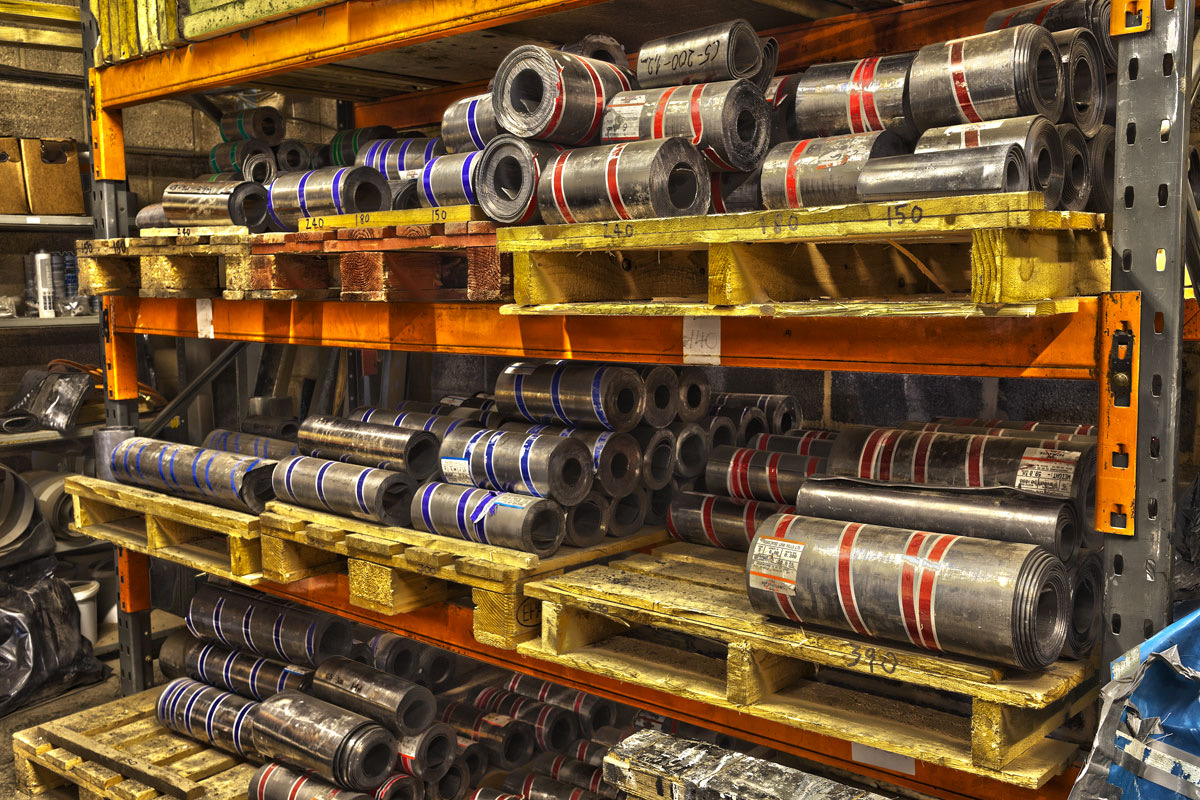

 Code 3 Lead
 Code 4 Lead
 Code 5 Lead
 Code 6 Lead




Lead Flashing vs Alternatives: 6 Reasons Lead Still Wins in 2026

Lead Flashing vs Alternatives: 6 Reasons Lead Still Wins in 2026
As roofing products evolve, new flashing systems claim to offer easier installation, lower cost or faster application. Aluminium flashing rolls, zinc flashings and self-adhesive flashband have become increasingly common across domestic and commercial projects. However, when durability, compliance, weathering performance and long-term value are assessed objectively, lead continues to outperform competing materials on every critical metric. This article provides a detailed 2026 analysis of lead flashing vs alternatives, drawing on BS 6915, LSTA guidelines, long-term field data and building pathology insights from surveyors across the UK.
While alternatives may appear attractive due to convenience or price, their performance profiles differ significantly under thermal cycling, wind loading, structural movement and long-term environmental exposure. This technical comparison explains why rolled lead sheet—manufactured to BS EN 12588—remains the gold standard for roofing flashings, especially where longevity is a priority. If you’re evaluating lead flashing alternatives for a 2026 roofing specification, this authoritative breakdown provides the evidence needed to make an informed choice.
Need BS EN 12588 Rolled Lead for Your Project?
Explore our full range of compliant lead sheet—ideal for projects where long-term reliability beats short-term alternatives.
Shop Rolled Lead Sheet1. Material Longevity: Lead Outperforms All Alternatives
When analysing lead flashing vs alternatives, the most significant variable is service life. Rolled lead, installed correctly and maintained periodically, routinely achieves 80–100 years of performance. Aluminium and zinc typically offer 20–40 years. Flashband and butyl products rarely exceed 5–15 years in real-world conditions.
Lead’s superior lifespan derives from:
- Exceptional resistance to atmospheric corrosion
- Stable patina formation that protects the metal over decades
- Malleability that accommodates movement without cracking
- Structural density that resists wind uplift
By contrast, aluminium often suffers from surface degradation and fatigue cracking; zinc can corrode aggressively in polluted, marine or acidic environments; and flashband adhesives degrade under UV exposure. The LSTA’s technical manuals (Lead Sheet Association) repeatedly reference lead’s proven multi-generation service life—something no modern alternative can replicate.
2. Performance Under Thermal Movement
A key part of assessing lead flashing vs alternatives is understanding how each material behaves under roof surface temperature fluctuations. Lead’s coefficient of thermal expansion is high, yet its malleability and ductility allow it to accommodate movement without structural failure—provided bays are correctly sized.
Alternative materials behave quite differently:
- Aluminium expands dramatically and is prone to “oil canning,” noise vibration and fatigue cracking under repeated stress.
- Zinc is rigid; insufficient expansion allowance leads to sudden fractures along seams.
- Flashband exhibits adhesive creep, edge lift and delamination under heat.
Surveyors frequently encounter premature deterioration in non-lead flashings precisely because alternative materials cannot mimic lead’s movement profile. This characteristic significantly strengthens the case for lead when evaluating lead flashing vs alternatives.
3. Weatherproofing Reliability and Water Management
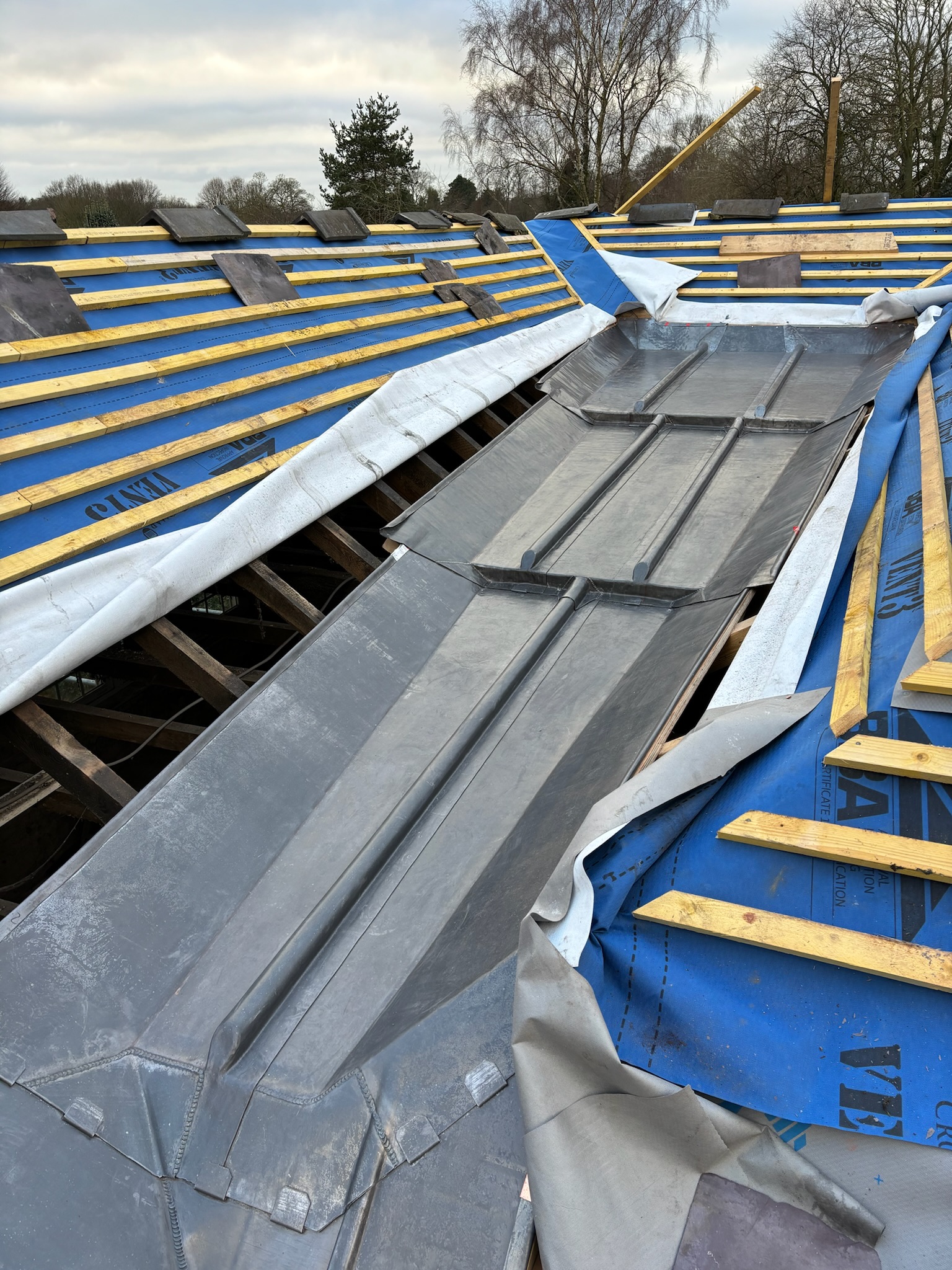
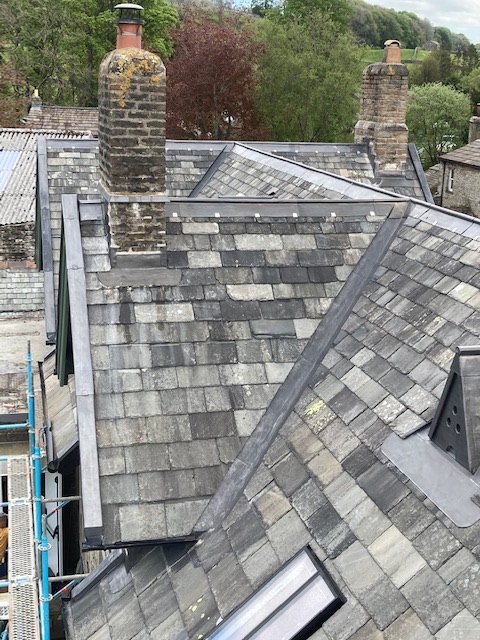
Weathering ability is the primary function of flashing. In the comparison of lead flashing vs alternatives, lead’s performance edge is most visible in complex junctions—chimneys, parapets, stepped abutments, and valleys.
Lead offers:
- High malleability for precise detailing
- Superior lap formation compared with rigid materials
- Resistance to wind-driven rain unmatched by tapes or aluminium rolls
- Stable bedding and secure wedging in masonry chases
Alternatives tend to underperform in challenging conditions:
- Aluminium cannot form tight corners without work-hardening.
- Zinc is excellent for roofing, but struggles in small-scale flashing geometries.
- Flashband relies on surface adhesion and fails under wind uplift or water pressure.
BS 6915 reinforces that correct detailing is essential to performance. Lead remains the only flashing material compatible with every traditional detailing method—another decisive factor when comparing lead flashing vs alternatives.
4. Cost Over Service Life: Lead Provides the Best Value
Lead is sometimes assumed to be expensive, but this perception changes when evaluating lead flashing vs alternatives over a building’s life cycle. While the initial purchase cost of lead can be higher, its lifespan is three to ten times greater than common substitutes.
A simple life-cycle comparison illustrates this:
- Lead: Replace every 80+ years
- Aluminium: Replace every 20–30 years
- Zinc: Replace every 30–40 years
- Flashband: Replace every 5–10 years
When factoring labour, access equipment, disruption and secondary repair costs, lead is almost always the most economical choice. Many insurance providers also favour lead due to its proven performance record.
For specifiers conducting a cost–benefit analysis, lead’s long-term value is a decisive advantage in the debate around lead flashing vs alternatives.
5. Compliance, Standards and Heritage Requirements
Compliance with building regulations and industry standards is essential when comparing lead flashing vs alternatives. Lead remains the benchmark material referenced across all major regulatory frameworks.
Lead is fully compliant with:
- BS EN 12588 (manufacturing standard)
- BS 6915 (design and installation)
- LSTA technical guidance
- NHBC Standards (NHBC Standards)
By contrast:
- Aluminium flashings rely on manufacturer-specific guidance.
- Zinc is governed primarily by European roofing standards rather than UK flashing standards.
- Flashband is not referenced in BS 6915 as an equivalent flashing material.
Moreover, in the heritage and conservation sector, lead is often the only acceptable material for weathering and flashing. In listed buildings or conservation areas, substitutes may be rejected by conservation officers.
This regulatory visibility gives lead a substantial advantage across all comparisons involving lead flashing vs alternatives.
6. Sustainability, Recyclability and Environmental Impact
Sustainability increasingly influences material choice. In the context of lead flashing vs alternatives, lead performs exceptionally well due to its recyclability and low energy use during reprocessing.
Lead is:
- 100% recyclable without loss of quality
- More energy-efficient to recycle than aluminium or zinc
- Capable of multi-generational reuse
Aluminium and zinc also offer good recyclability but require significantly more energy to process. Flashband, being composite and adhesive-based, is not recyclable and contributes to waste streams.
The environmental case for lead is further strengthened by its longevity—fewer replacements mean reduced resource consumption over a building’s life cycle. This broadens the sustainability advantage in any comparison of lead flashing vs alternatives.
Direct Comparison: Lead vs Aluminium, Zinc & Flashband
| Performance Factor | Lead | Aluminium | Zinc | Flashband |
|---|---|---|---|---|
| Lifespan | 80–100+ years | 20–30 years | 30–40 years | 5–10 years |
| Movement Capacity | Excellent (malleable) | Moderate | Poor in flashings | Weak under heat |
| Complex Detailing | Excellent | Limited | Moderate | Very limited |
| Recyclability | 100% | Good | Good | None |
Specify Rolled Lead With Confidence
When comparing lead flashing vs alternatives, lead consistently outperforms competing materials across durability, compliance, weathering and sustainability.
Buy Rolled Lead SheetLeadwork Guides
Conclusion: Why Lead Still Wins in 2026
The evidence presented across this technical comparison makes the case unequivocal: when evaluating lead flashing vs alternatives, lead continues to deliver the highest performance in durability, flexibility, compliance, sustainability and long-term value. While substitutes such as aluminium, zinc and flashband may offer short-term benefits in cost or convenience, they do not match the centuries-proven reliability of rolled lead sheet.
Whether you are specifying materials for a new build, restoring a heritage property or assessing long-term maintenance risks, lead remains the benchmark flashing material in 2026. Its compatibility with BS 6915, structural resilience, and multi-generational lifespan make it the most dependable option for designers, contractors and surveyors seeking long-term building envelope protection.