Lead Flashings — Chimneys, Abutments & Roof Junctions

This category brings together our lead flashings posts — practical guidance, detail breakdowns and real
examples of aprons, step flashings, cover flashings and soakers to chimneys, abutments and roof junctions.

Browse the articles below for ideas and good practice tips, then jump into our rolled lead, fixings and accessories to order
what you need for your own project.

What you’ll find in Lead Flashings posts

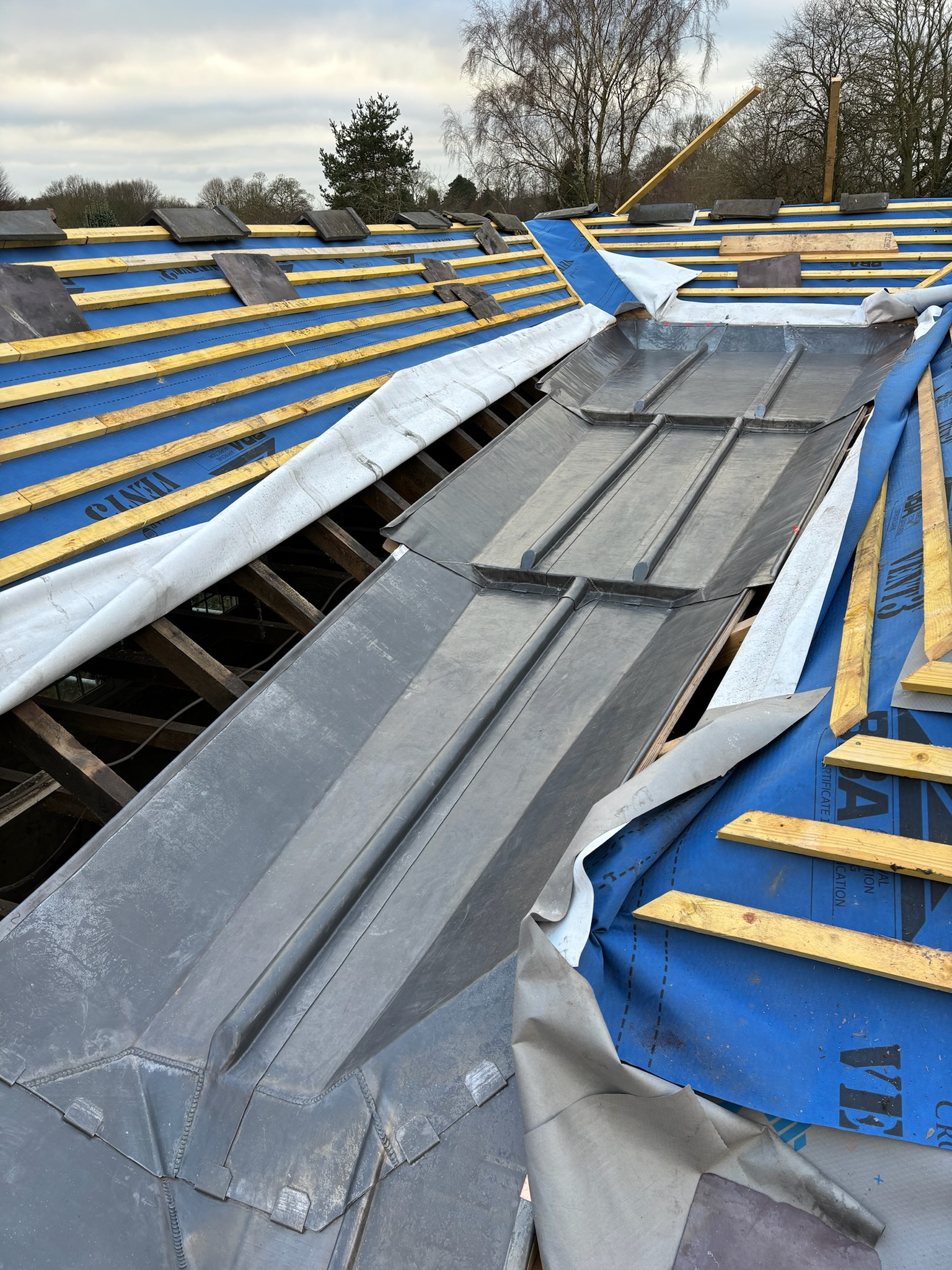
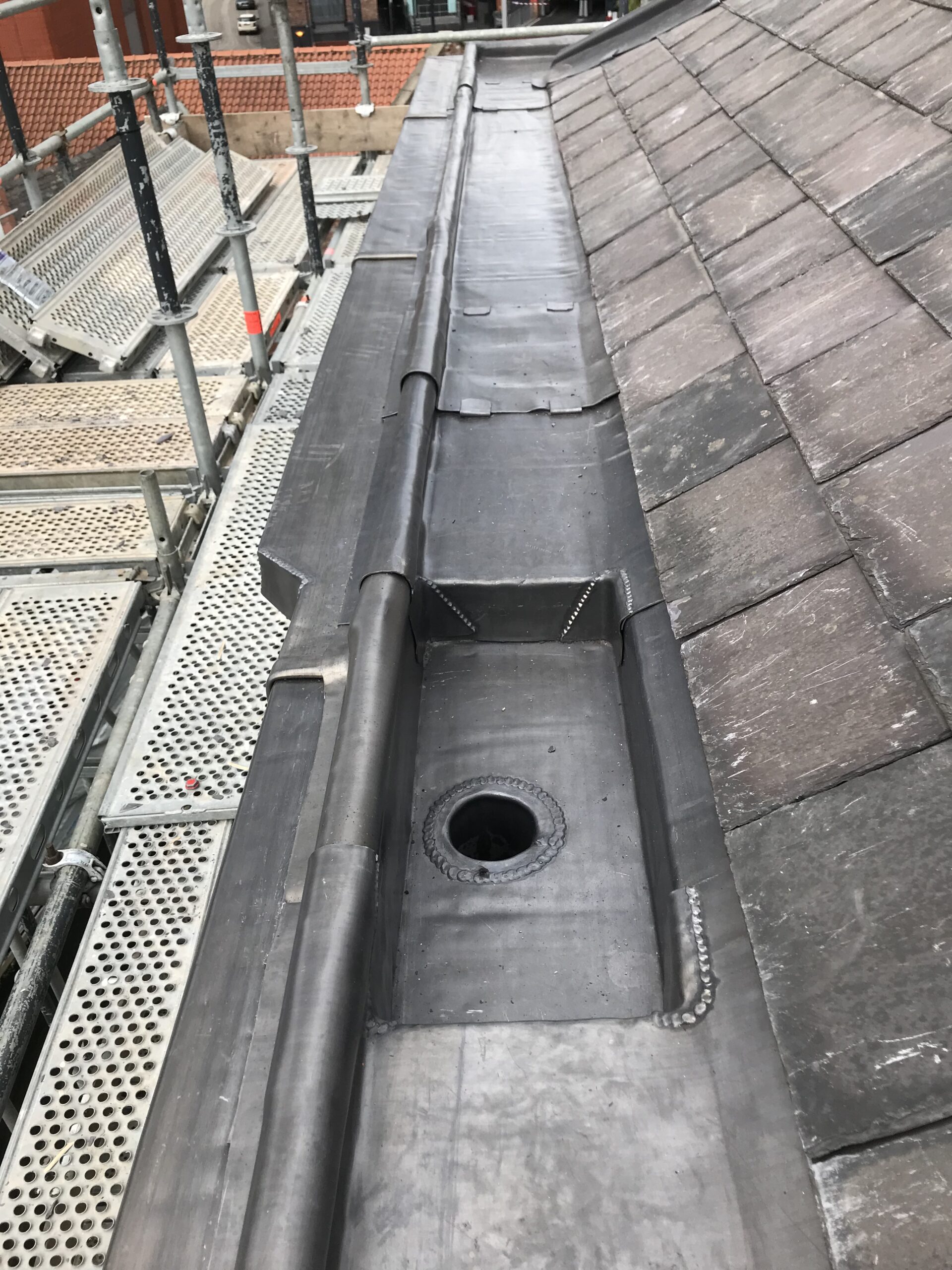
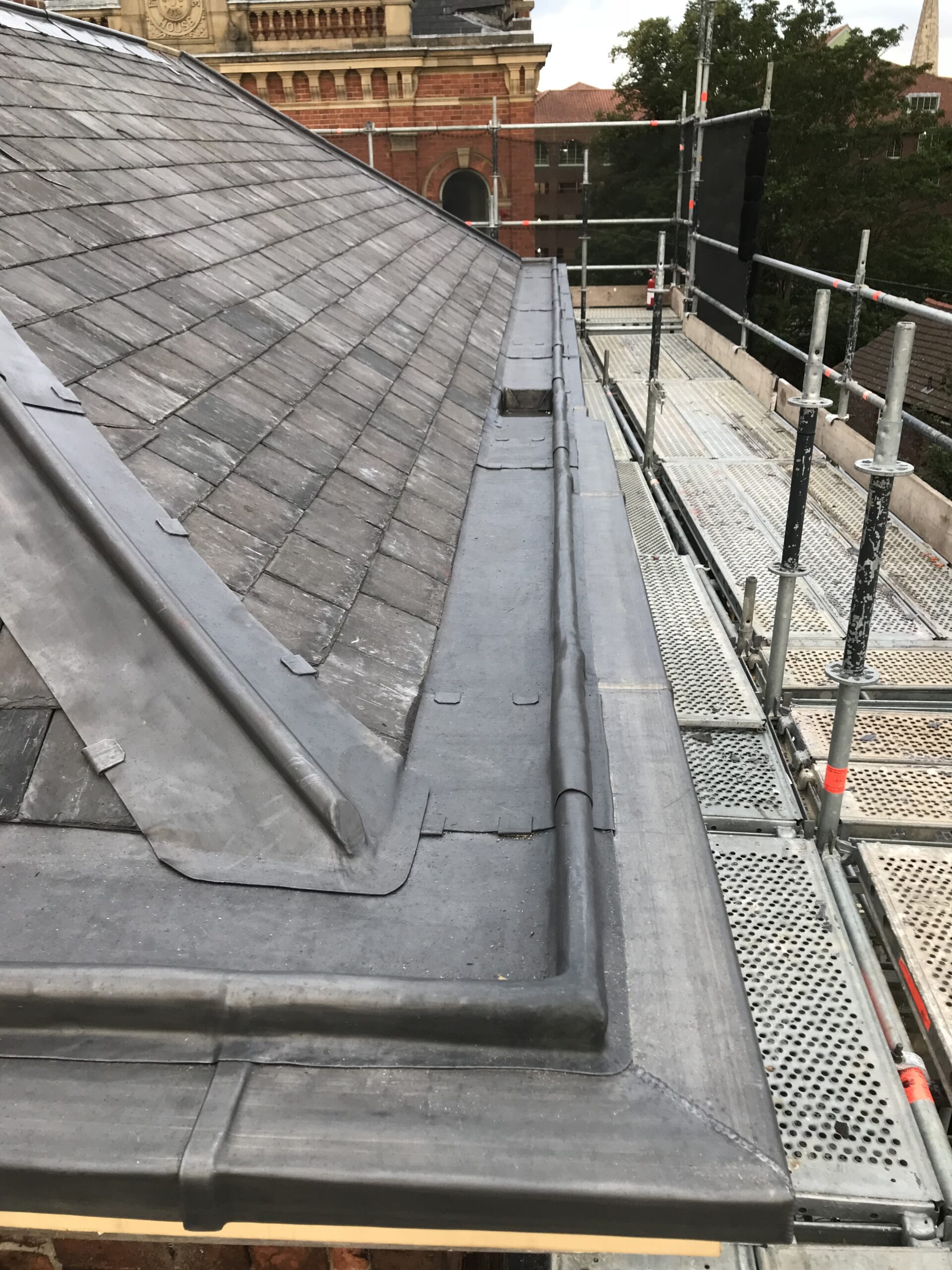
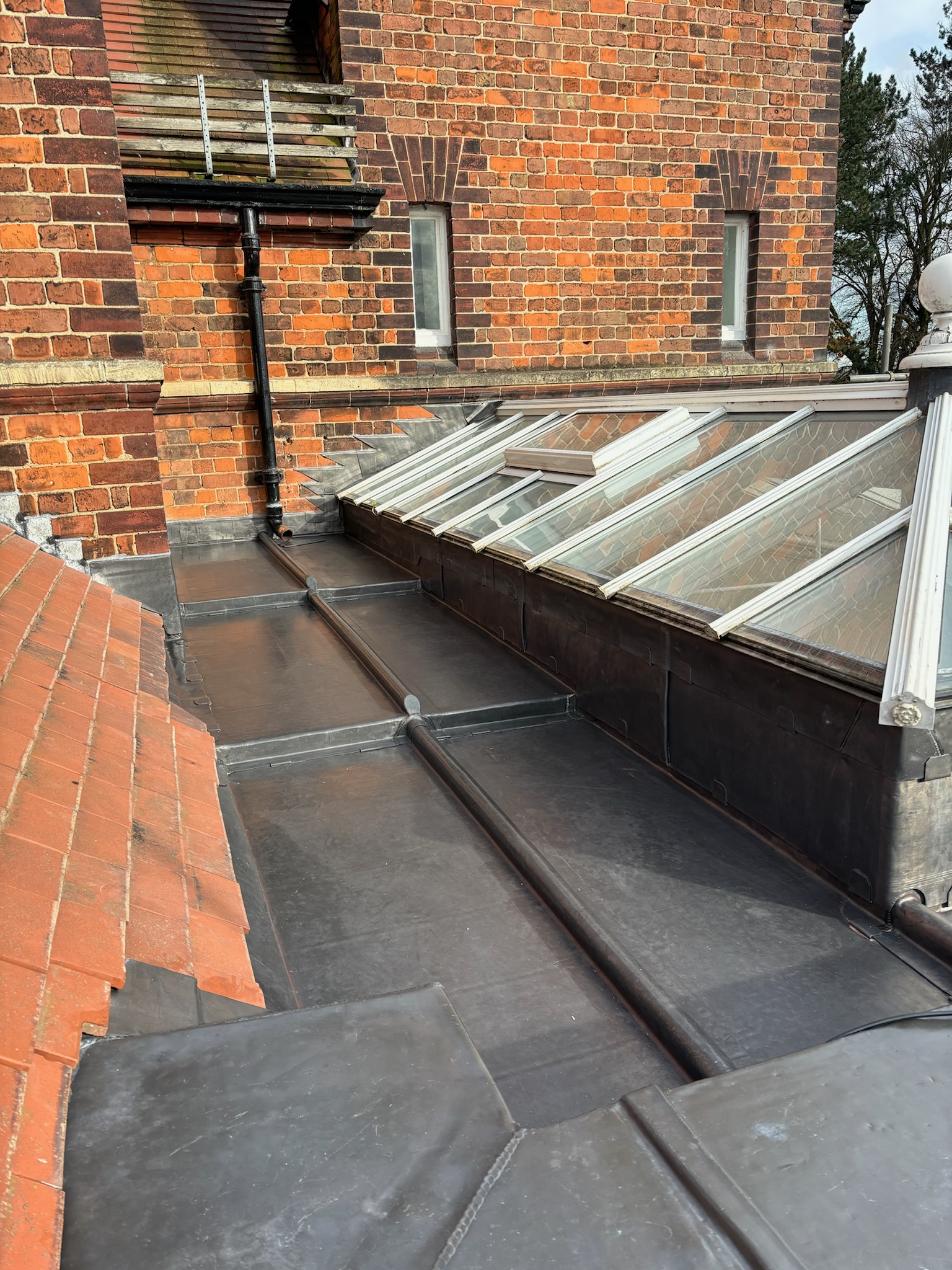
  • Chimney aprons, back gutters, step flashings and soakers in context.
  • Lead flashings at roof–wall abutments, dormer cheeks and parapets.
  • Notes on sensible piece lengths, laps, drips and chase preparation.
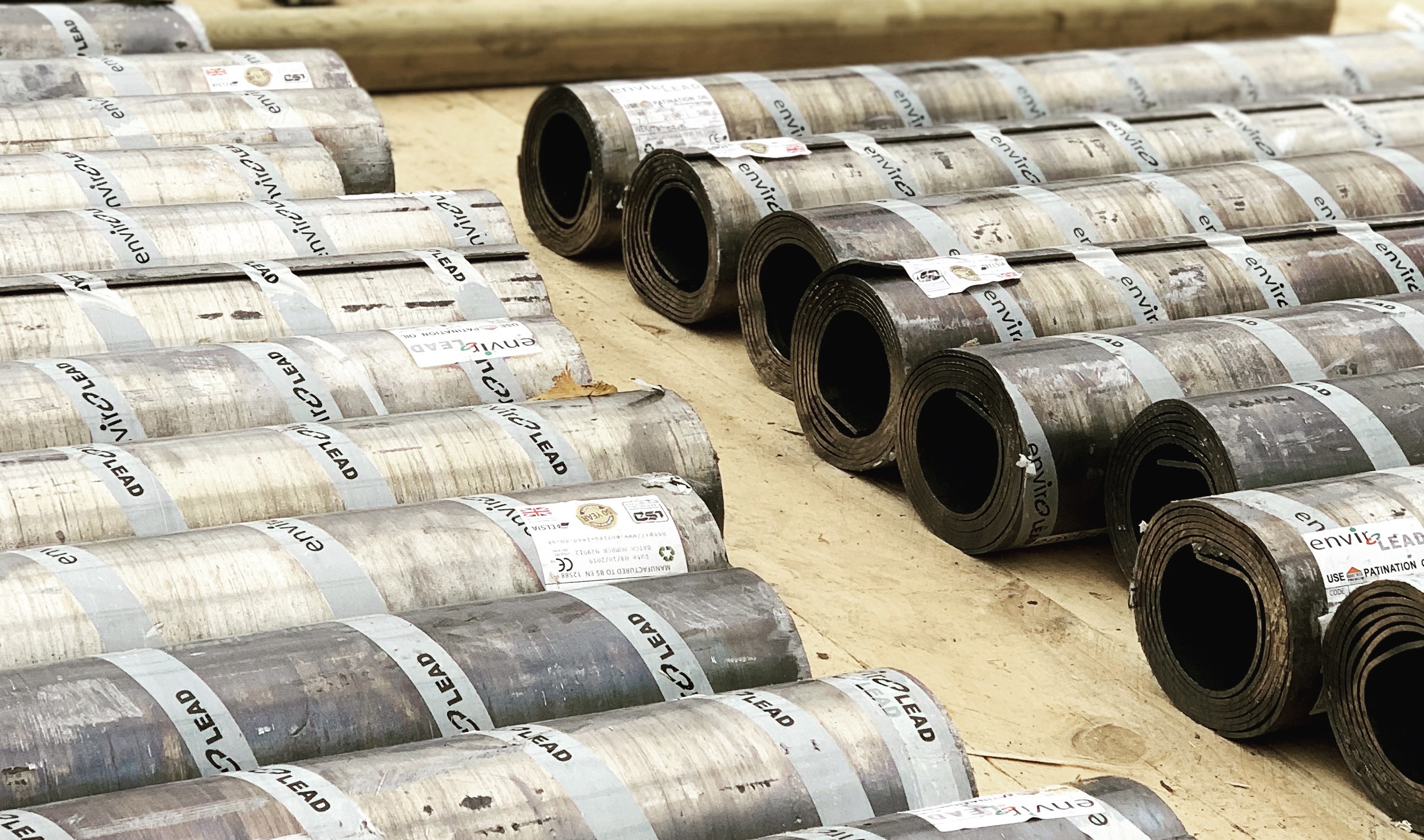
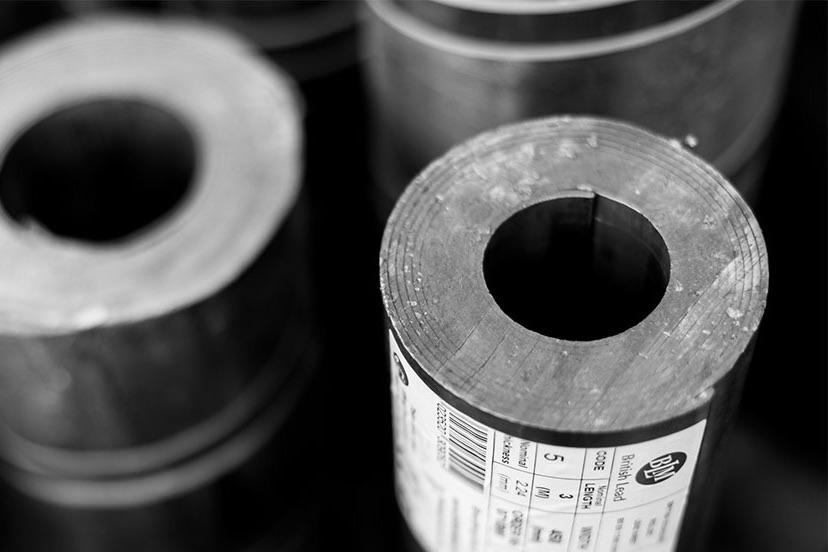
  • Examples using typical materials such as
    Code 4 lead and
    Code 3 soakers.

From detail to materials list

For indicative labour costs and example specifications, refer to
The Lead Lads leadwork prices.
For wider roofing and envelope works, see
GNR Roofing.

FAQs — Lead Flashings

Which lead code is best for chimney flashings?

Most chimney lead flashings use Code 4 lead for aprons,
step flashings and cover flashings, with Code 3 often used for
individual soakers. Always check your project specification and exposure zone.

How do I order ready-cut lead flashings?

If you’d rather not cut on site, use our Order Lead Flashing page to specify the lengths,
widths and codes you need. We’ll supply lead to suit your flashing details, ready to dress and fix.

Do these posts replace formal design guidance?

The lead flashings articles are there to illustrate good practice and common details. Always follow your
project design, current standards and manufacturer guidance for final dimensions, fixings and detailing.