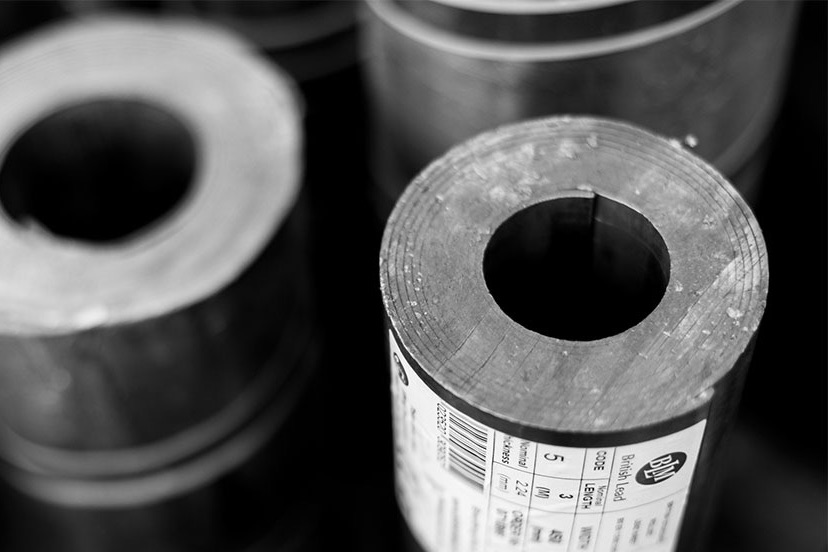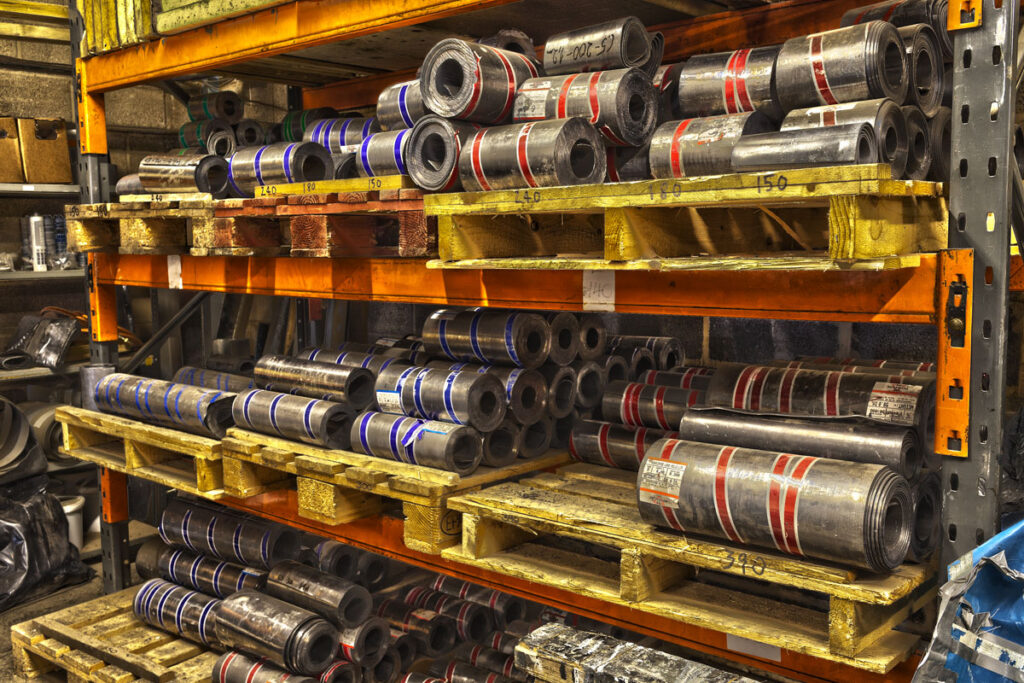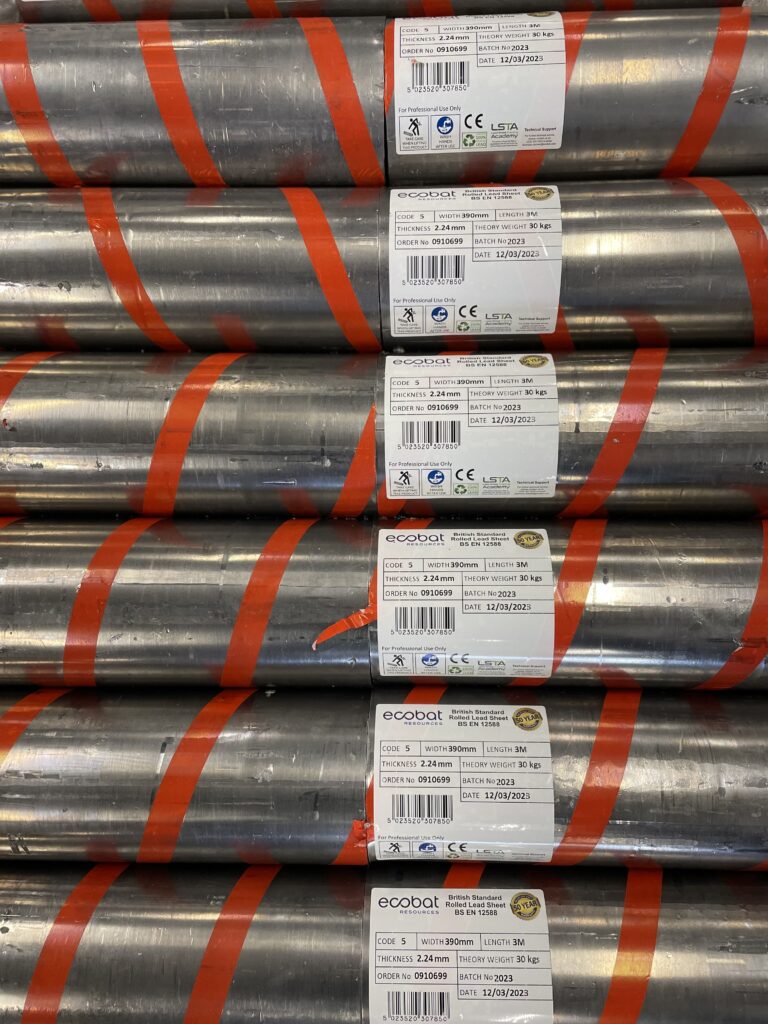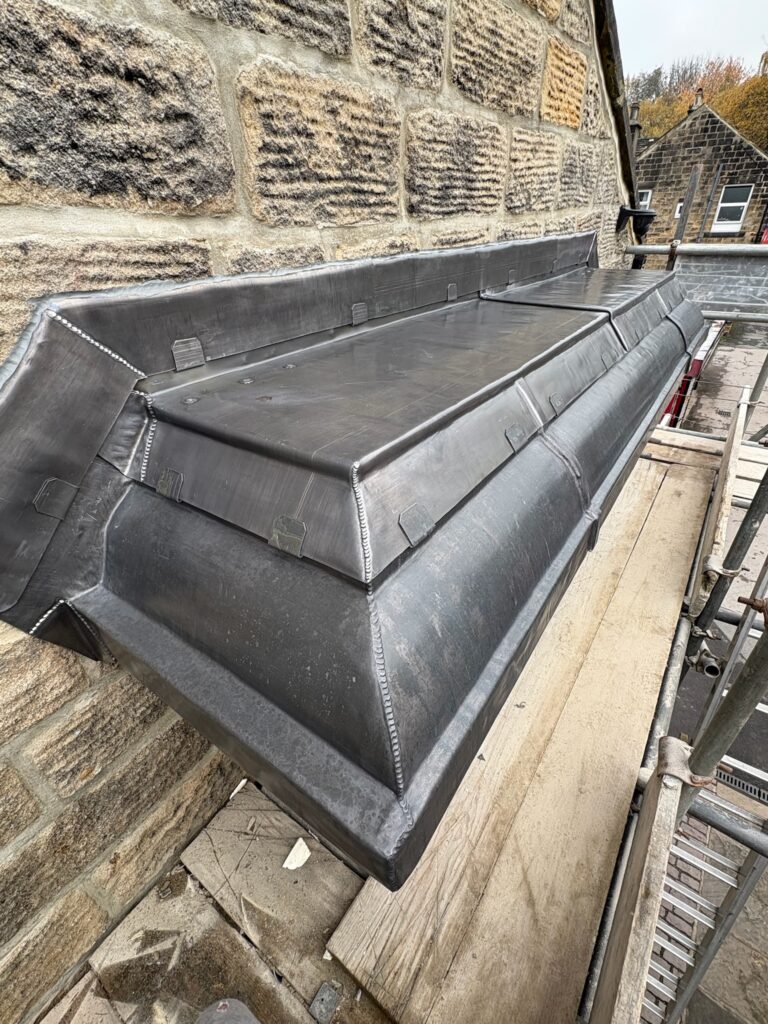

 Code 3 Lead
 Code 4 Lead
 Code 5 Lead
 Code 6 Lead




Lead Roof Fire Regulations: FR Ply, Codes & Safety

Lead Roof Fire Regulations: FR Ply, Codes & Safety (2025)
This guide translates lead roof fire regulations into on-site choices: how Euroclass ratings work, where fire resistant plywood helps (and where it doesn’t), why A1 non-combustible boards matter, and how BROOF(t4) and tidy detailing keep you compliant. Built by lead workers for lead workers—with a fast, shoppable basket for the right materials.
Need help applying lead roof fire regulations on a live job? Book installation via The Lead Lads service pricing or GNR Roofing. For training and best practice, see Lead Sheet Training Academy. For statutory guidance, start at Approved Document B.
In this guide
Euroclass fire ratings, fast
The headline alphabet in lead roof fire regulations is Euroclass (A1, A2, B, C, D, E, F) for reaction to fire. A1/A2 are non-combustible/limited combustibility, B–F are combustible in increasing order. Suffixes “s1/s2/s3” describe smoke, and “d0/d1/d2” describe flaming droplets. You’ll see these on board materials, insulations and underlays across the roof build-up.
Lead is non-combustible—what that means
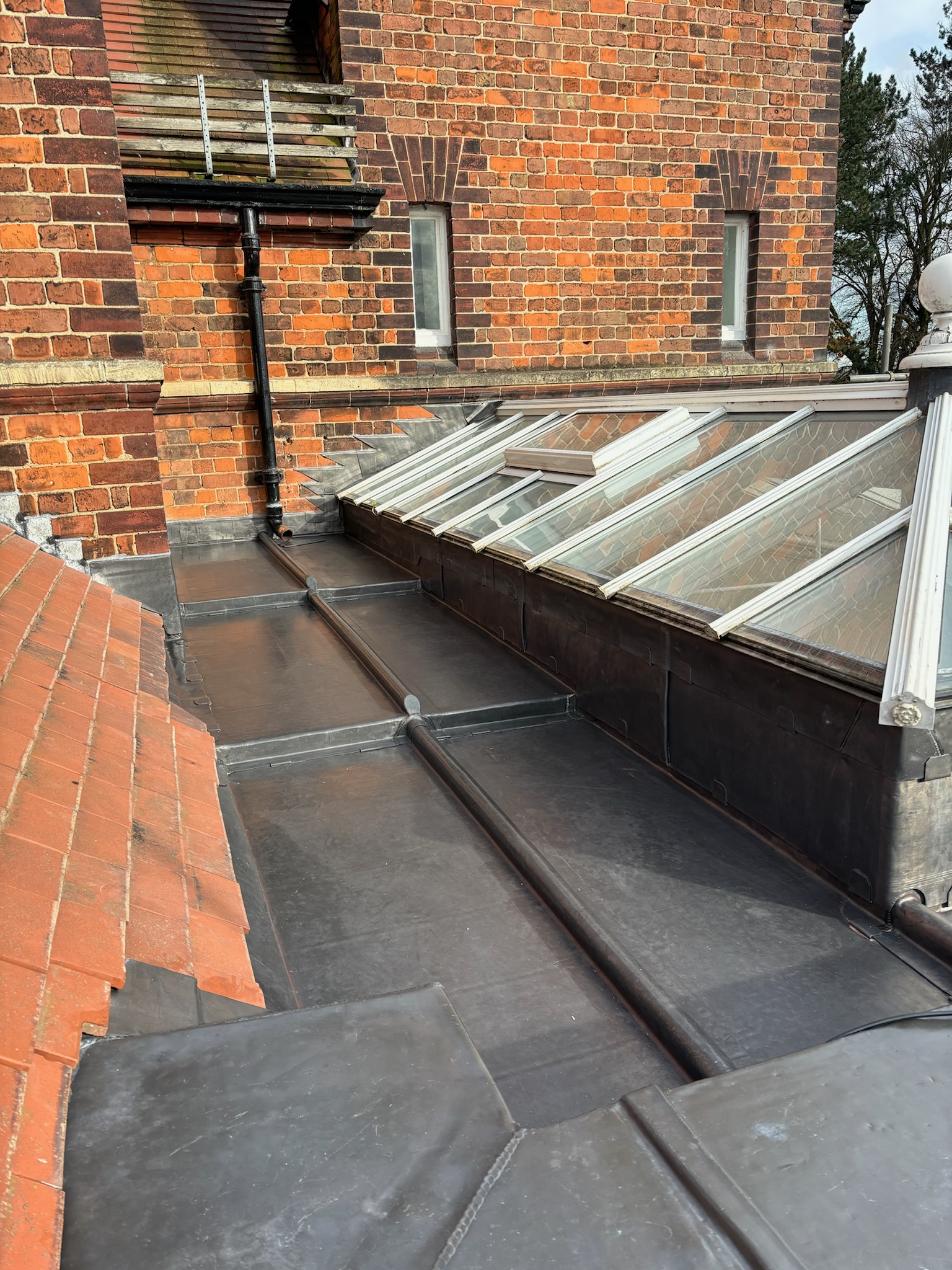
Rolled or cast lead sheets used for roofing are non-combustible. In a roof covering, lead contributes no fuel load and helps limit surface spread of flame at the outer layer. That’s good news but not a free pass—everything beneath the metal (boards, underlay, insulation) still needs the right classification and detailing.
Fire resistant plywood vs A1 non-combustible boards
On live projects, “FR ply” is often the first idea. Here’s the quick reality for lead roof fire regulations:
- FR plywood (treated): Still a combustible wood product. The treatment improves reaction to fire—often to Euroclass B or C—so it slows ignition and flame spread. Useful where a timber deck is required, but it is not non-combustible.
- A1 non-combustible boards: Cementitious/MgO boards tested to Euroclass A1 offer zero contribution to fire. Where projects or detailing call for non-combustible substrates, this is the class to look for.
- Thickness & pull-out: If you’re fixing through an A1 board under lead, specify adequate thickness and confirm pull-out values comparable to 18 mm structural ply so clips/nails hold as intended.
- Moisture & edges: FR treatments and some board types need the right storage and edge protection. Keep boards dry and plane/pack for a true surface before the slip layer.
Specifier’s note: FR plywood improves performance but cannot make timber non-combustible. If the brief or boundary condition demands non-combustible layers, step up to Euroclass A1/A2 solutions in the build-up.
BROOF(t4): where roof coverings fit in
External fire performance of roofs in the UK is commonly expressed using the European classification to BS EN 13501-5. The BROOF(t4) designation indicates the highest performance against external fire exposure for a roof system. A compliant lead covering can form part of a BROOF(t4) assembly when paired with appropriate layers beneath, tested or assessed accordingly.
Substrates, slip layers & compatibility
Beyond ratings, lead roof fire regulations still rely on classic lead roofing practice:
- Slip layer/underlay: Use a continuous, compatible slip layer under the sheet to reduce abrasion and noise. This doesn’t “fix” fire ratings but preserves performance and longevity.
- Compatibility: Confirm that any A1 board (e.g., MgO/cementitious) is compatible with lead (alkalinity, moisture behaviour) and that fixings do not corrode or bind the sliding zones.
- Fixing zones: Keep clips and nails to permitted areas only. Over-fixing defeats movement allowances and can compromise both durability and test assumptions.
Details that support compliance
- Boundaries & upstands: Where roofs sit near boundaries, check the roof covering classification and separation guidance in statutory documents before you set out.
- Penetrations: Flash and sleeve neatly; avoid combustible collars where a non-combustible alternative exists. Keep laps with the fall and seal as per metal practice.
- Drips, bays & lengths: Regular bay sizing, wood core rolls or drips, and sensible piece lengths (often ≤1.5 m) limit thermal stress—helping the whole system behave as tested.
- Hose-test & sign-off: Prove falls and discharge before pointing. Finish visible edges and apply patination oil where appropriate for a clean handover.
Buying guide & quick basket
From spec to checkout in minutes (mobile-first)
- Open the tool: Use the shoppable lead chart to convert your set-out into codes, widths and roll lengths in seconds.
- Select rolls: Rolled Lead Sheet — choose Code 4–8 to suit the element and exposure; see Lead Codes Explained.
- Add underlay: Lead Underlay & Tapes for a continuous slip layer across the field.
- Fixings: Copper/Stainless fixings & clips in permitted zones only.
- Finish: Patination oil for visible edges and clean early appearance.
Implementation support: The Lead Lads or GNR Roofing. Regulatory reading: Approved Document B. Technical training: Lead Sheet Training Academy.
Related internal reading
Lead Bay Roofs Lead Box Gutters Lead Dormer Roofs 11 Lead Flashing Mistakes & Fixes Lead Codes Explained (BS EN 12588)
FAQs
Are lead sheets themselves compliant with lead roof fire regulations?
Yes—lead is non-combustible. Compliance still depends on the whole build-up (substrates, insulations, membranes) and correct detailing.
Does fire resistant plywood make a roof non-combustible?
No. FR plywood improves reaction to fire (often to Euroclass B/C) but remains a combustible wood product. If non-combustible layers are required, specify Euroclass A1/A2 boards in the build-up.
What is BROOF(t4) and do I need it?
It’s a roof system classification for resistance to external fire exposure. Many projects target BROOF(t4) performance—confirm requirements at the design stage and select compatible layers accordingly.
Any tips for board selection under lead?
Match the fire class to the brief; confirm pull-out values where clips/nails are used; check compatibility with lead; install a continuous slip layer; keep the surface true and dry before laying.
Conclusion & buying links
Use lead roof fire regulations as a framework for good choices: non-combustible lead above, the right board class below, a continuous slip layer, and tidy, movement-friendly detailing. That combination delivers durability, quiet performance and compliance you can evidence.