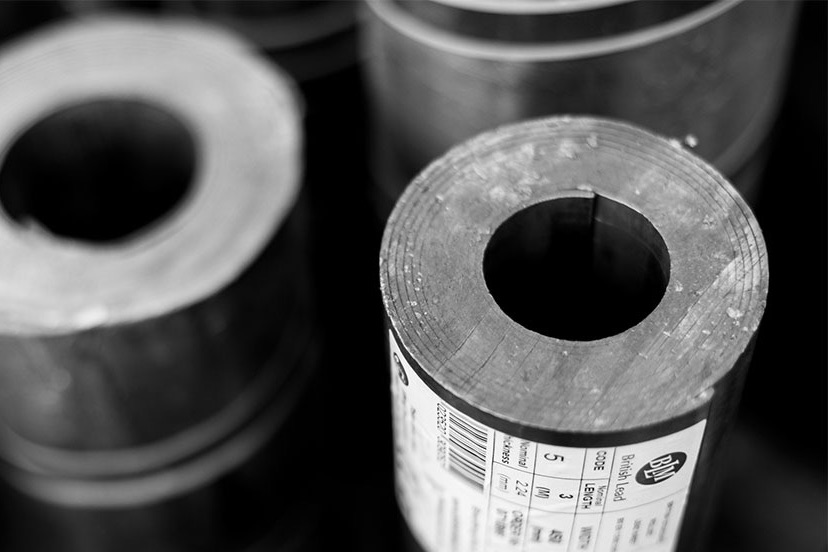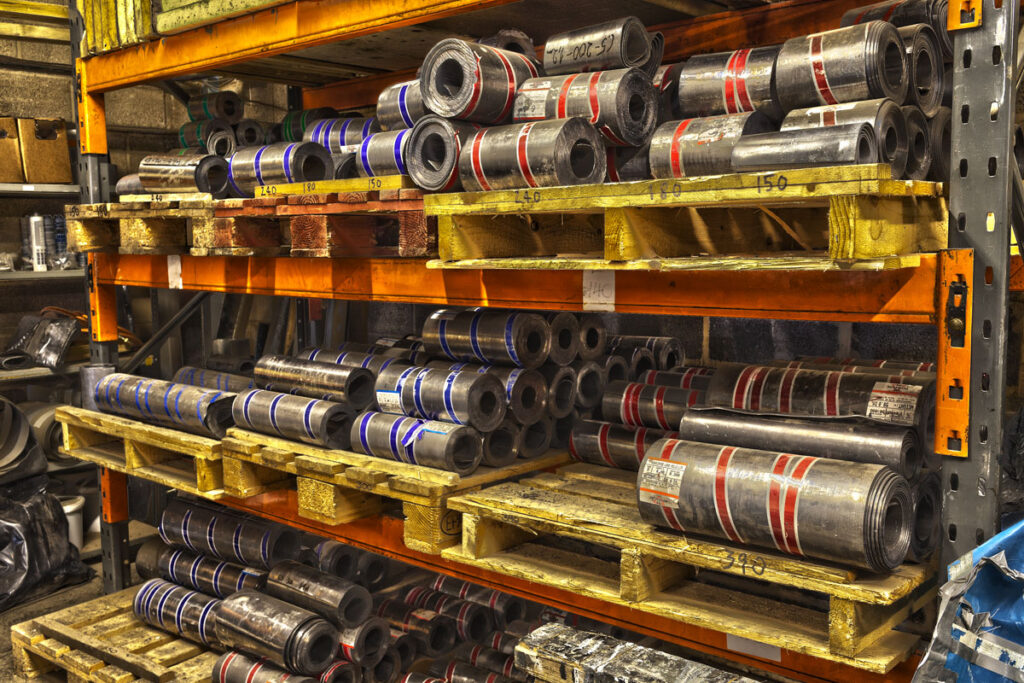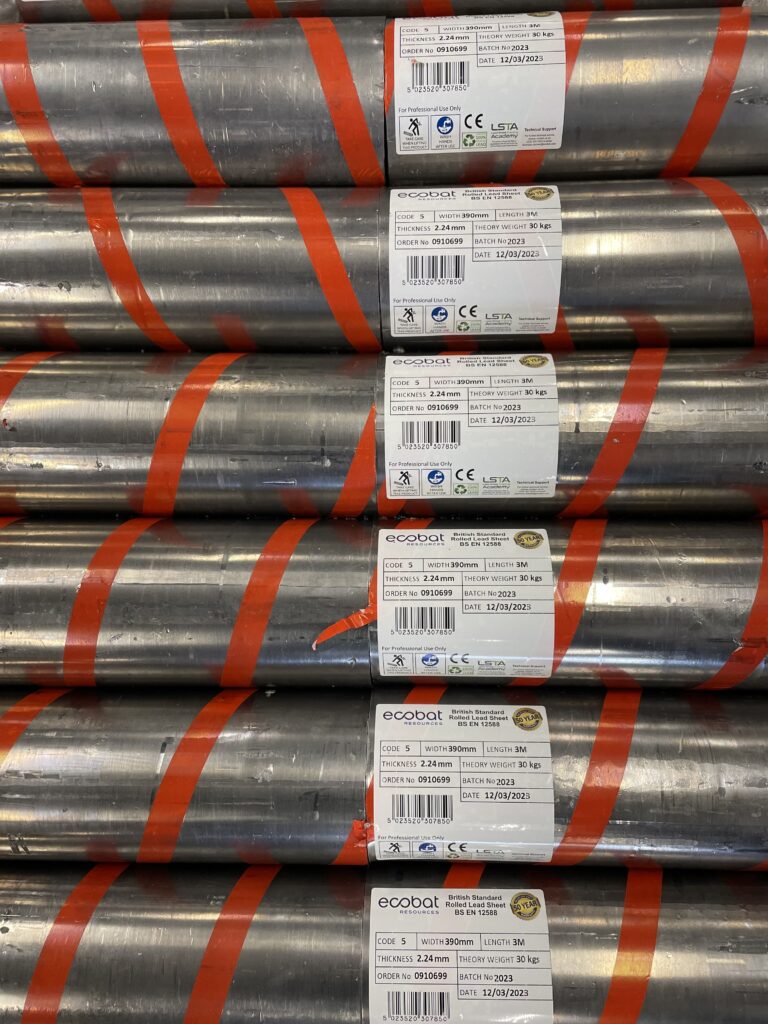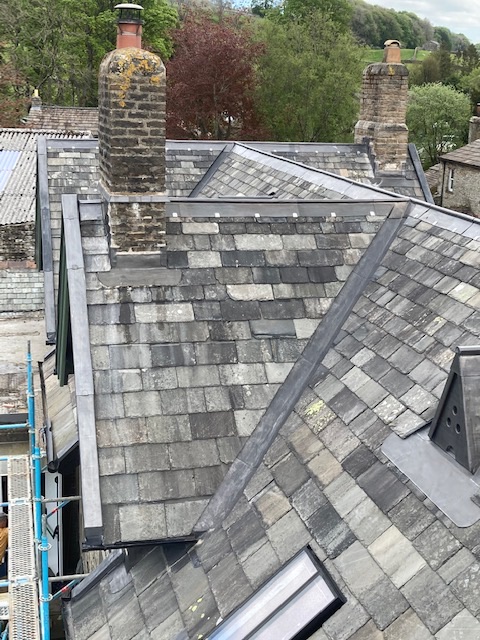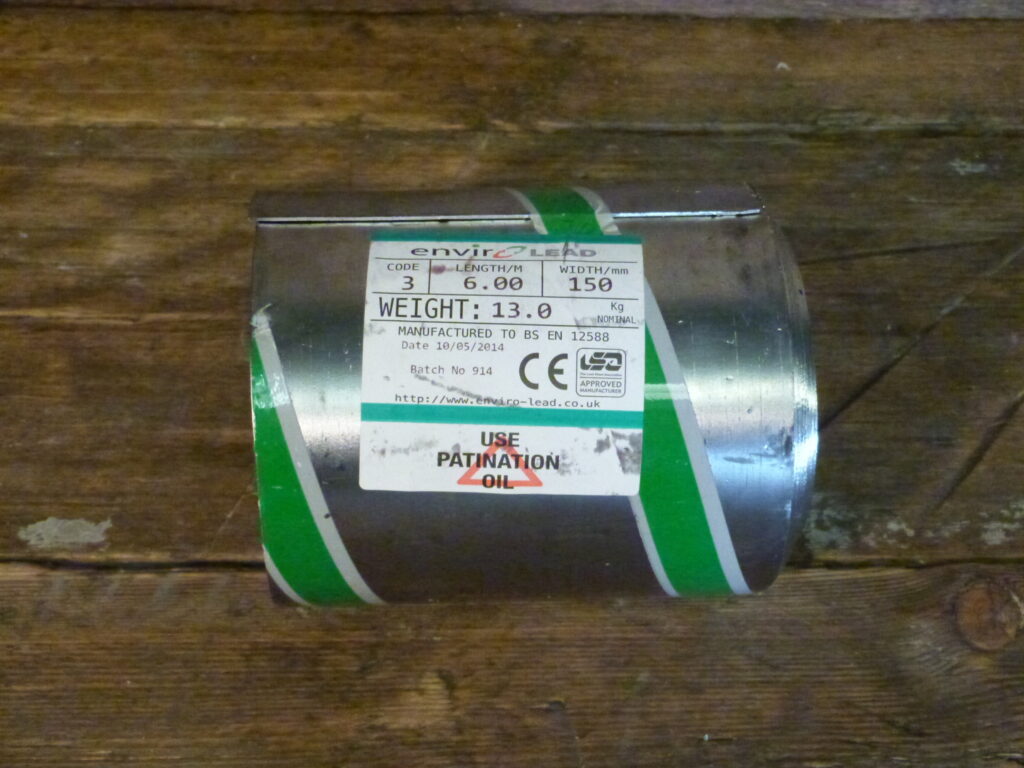


 Code 3 Lead
 Code 4 Lead
 Code 5 Lead
 Code 6 Lead





Code 3 Lead Flashing 2025: Pro Guide


Code 3 Lead Flashing — 2025 Pro Guide
Lean, dressable and efficient: Code 3 lead flashing is the workhorse for soakers, step flashings and short-abutment details when sized and detailed correctly. This guide covers best-fit applications, piece sizing, detailing, limits, weights and a rapid, mobile-first buying path.
Prefer supply & fit? See Lead Lads service areas, installation prices or partner GNR Roofing.
In this guide
- What Code 3 lead flashing is best at
- Piece sizing, widths & lengths
- Detailing: steps, soakers & abutments
- Limits: when to step up from Code 3
- Weights, lifts & handling
- Quick basket: mobile-first procurement
- QA checklist & common mistakes
- Related guides & tools
- FAQs (Code 3 Lead Flashing)
- Structured data
What Code 3 lead flashing is best at
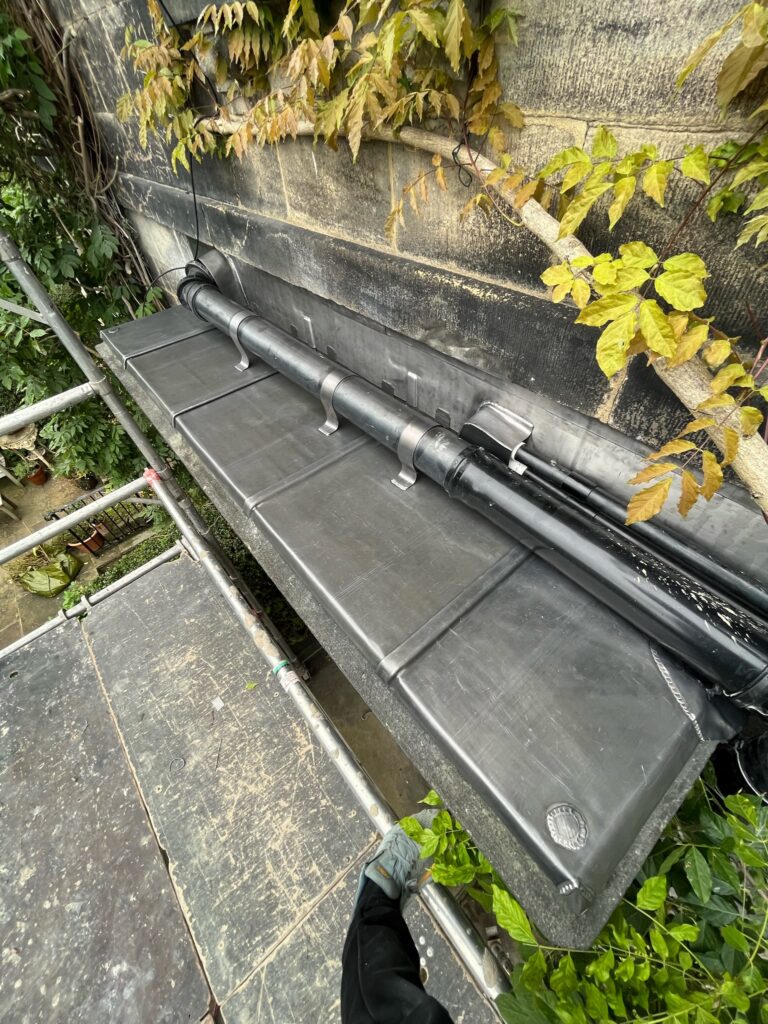
Code 3 lead flashing (BS EN 12588 rolled lead) is a lighter, highly dressable sheet suited to small, repeatable details where movement is modest and restraint is well controlled. Typical use cases include:
- Soakers on tiled roofs: Neat interleaves where each tile course is isolated and the lead can move freely.
- Step flashings: Short, lapped pieces into masonry chases at abutments.
- Short cover flashings & cills: Where spans are small and support is continuous.
- Weatherings to trims & small upstands: Tight details that benefit from easy dressing.
For larger areas (bays, parapets, box gutters) or where exposure is severe, step up to heavier codes—see Lead Codes Explained and Lead Bay Window Roof.
Piece sizing, widths & lengths
The golden rule with Code 3 lead flashing is to keep pieces modest so thermal movement is controlled without stressing the sheet. Smaller, well-lapped pieces perform better than long, rigid runs.
| Detail | Typical piece strategy | Notes |
|---|---|---|
| Step flashing | Short stepped pieces with generous laps | Pre-cut for course pitch; avoid long continuous runs |
| Soakers | One per course, consistent cover and side laps | Keep sizes uniform; trim neatly around nibs |
| Cover flashing to abutment | Short lengths with overlaps at logical joints | Set chase depth sensibly; seal neatly |
| Cills & trims | Continuous support beneath; modest projections | Prevent cantilevered edges that can “drum” |
Detailing: steps, soakers & abutments
Step flashing (masonry abutments)
- Cut short, even steps; chase depth neat and consistent.
- Lap steps generously to shed water; avoid lining joints with water paths.
- Finish with compatible wedges/clips from Leadwork Fixings; dress edges clean and apply patination oil on visible lines.
Soakers (tiled/verge intersections)
- One Code 3 lead flashing soaker per course; maintain uniform cover.
- Cut neatly around tile nibs; avoid tears at sharp corners.
- Keep underlay continuous and smooth under the course line.
For abutments where height, wind or water volume is higher than usual, consider stepping up to a heavier code for the cover flashing while keeping Code 3 for soakers. That hybrid keeps the craft look while adding stiffness where it counts.
Limits: when to step up from Code 3
Despite its versatility, Code 3 lead flashing has limits. Step up a code when any of the following apply:
- Longer spans or wide projections that could “drum” or fatigue.
- High exposure (coastal, ridge-adjacent, tall buildings) with persistent wind uplift.
- Higher wear zones (e.g., parapet tops) where stiffness helps resist foot traffic during maintenance.
- Thermal constraints where long continuous runs can’t be broken into shorter pieces.
Not sure? Compare options in Lead Codes Explained and check weights in the Lead Weight Chart before you buy.
Weights, lifts & handling
Code 3 lead flashing is thinner (≈1.3 mm) and lighter (≈15 kg/m²) than heavier codes, which makes it easier to lift and faster to dress. Still, plan smart:
- Manual handling: Pre-cut short lengths at ground level; team-lift rolls.
- Storage: Keep sheets flat on bearers; protect edges from knocks.
- Finish: Wipe down and apply a thin coat of patination oil on visible edges to manage early runoff appearance.
Quick basket: mobile-first procurement
- Open the shoppable lead chart to select widths/lengths for Code 3 lead flashing and matching accessories.
- Add rolled lead sheet (BS EN 12588) in Code 3 for steps/soakers; step up codes where detailing demands.
- Add leadwork fixings (copper/stainless nails, clips, wedges) for chases and edges.
- Add underlay & tapes for a continuous slip layer beneath details.
- Finish with patination oil on visible edges at handover.
Prefer supply & fit? See Lead Lads pricing and partner GNR Roofing.
QA checklist & common mistakes
QA for Code 3 lead flashing
- Short, even pieces with generous laps at steps.
- Soakers uniform per course; covers consistent.
- Chases clean; wedges/clips seated; sealant neat.
- Continuous slip layer; no rough fibres telegraphing.
- Edges dressed, quiet and lightly oiled at handover.
Common mistakes to avoid
- Over-length runs: Long pieces restrict movement and fatigue early.
- Pepper-nailing the field: Retain at edges/joints; don’t lock the sheet.
- No underlay: Increases abrasion and creak; always include a slip layer.
- Untidy chases: Inconsistent depths weaken restraint and look poor.
Related guides & tools
Lead Codes Explained (BS EN 12588) Lead Weight Chart (Codes 3–8) 11 Lead Flashing Mistakes & Fixes Lead Bay Window Roof — Codes, Drips & Falls
FAQs (Code 3 Lead Flashing)
Where should I use Code 3 lead flashing?
Soakers, step flashings and short abutment details with modest movement. For larger spans or high exposure, step up a code.
How long should each piece be?
Keep pieces short with generous laps at logical breaks. Smaller, repeatable modules outlast long, rigid runs.
Do I need underlay beneath small details?
Yes. A continuous slip layer from Lead Underlay & Tapes reduces abrasion and noise and helps movement.
What fixings should I use?
Compatible copper/stainless nails, wedges and clips from Leadwork Fixings. Avoid pepper-nailing the field.
How do I buy quickly for a mixed detail?
Use the shoppable lead chart to pick Code 3 for soakers/steps and heavier codes where needed, then add fixings, underlay and patination oil.
Dress fast, detail right
Code 3 lead flashing is unbeatable for small, repeatable details when you keep pieces modest, support them well and finish cleanly. Convert your take-off to a basket in minutes with our mobile-first tools.
Schema
Code 3 lead flashing is a commonly used type of lead sheet, particularly in construction and roofing, due to its light weight and suitability for a range of flashing and weatherproofing applications. This guide will cover the composition, dimensions, applications, and factors affecting the price of Code 3 lead, with a focus on fluctuations in global markets like the London Metal Exchange (LME).
1. Overview of Code 3 Lead
Code 3 is one of the lighter grades of lead sheet, with a thickness of 1.32 mm and a weight of approximately 14.97 kg per square meter. Its relatively low weight compared to thicker lead sheets (such as Codes 4 and 5) makes it an ideal choice for smaller projects where flexibility, cost-effectiveness, and ease of handling are required.
2. Chemical Composition
Code 3 lead, like all lead sheet types, is primarily composed of pure lead (Pb). High-purity lead sheets are preferred for construction because they ensure longevity, flexibility, and resistance to corrosion. The chemical composition of Code 3 lead is as follows:
- Primary Element: Lead (Pb) - typically 99.9% purity or higher
- Trace Elements: Minor elements such as antimony, tin, and copper may be present in very low concentrations, usually less than 0.1%, depending on the manufacturer. These elements are generally impurities from the smelting process and do not significantly impact the material's performance.
This high-purity composition gives Code 3 lead excellent weatherproofing properties and resistance to atmospheric corrosion, ensuring durability in various outdoor applications.
3. Common Sizes of Code 3 Lead
Code 3 lead sheets are available in a variety of widths and lengths to suit different construction needs. Typical dimensions include:
- Thickness: 1.32 mm (standard for Code 3)
- Widths: Common widths include 150 mm, 240 mm, 300 mm, 450 mm, 600 mm, 900 mm, and 1,000 mm.
- Lengths: Standard roll lengths are often 3 meters, 6 meters, and 12 meters. Custom lengths may also be available depending on the supplier.
Note: Since Code 3 lead is relatively lightweight, it is often sold in shorter roll lengths, particularly when used for smaller areas or specific details.
4. Applications of Code 3 Lead
Due to its manageable weight and ease of handling, Code 3 lead is commonly used in the following applications:
- Flashings: Used as roof flashings around chimneys, dormers, and skylights, where flexibility is key.
- Weatherproofing: Seals and protects joints and edges against water ingress, especially in smaller structures.
- Capping: Used on parapet walls, copings, and other architectural details where lighter sheet is sufficient.
- Valleys and Gutters: Suitable for less load-bearing areas, particularly in smaller roofs and structures.
- Dormer Roofs: Code 3 lead is often used on dormer roofs due to its lighter weight, which reduces load on supporting structures.
5. Price of Code 3 Lead and Market Fluctuations
5.1 Influence of the London Metal Exchange (LME)
The price of Code 3 lead is closely tied to the global price of lead metal, which is heavily influenced by trading on the London Metal Exchange (LME). The LME serves as a central market for the buying and selling of metals, including lead, setting benchmark prices based on supply and demand.
Factors that affect lead prices on the LME include:
- Global Supply and Demand: Lead supply is impacted by mining output and smelting capacity, particularly in major producing countries like China, Australia, and the U.S. Demand, meanwhile, is driven by construction, automotive (batteries), and other industrial sectors.
- Currency Fluctuations: Since LME prices are denominated in U.S. dollars, fluctuations in currency exchange rates can influence the price of lead in other currencies (e.g., British pounds or Euros).
- Economic Conditions: In times of economic growth, demand for lead generally increases due to higher levels of construction and industrial activity, which can drive prices up. Conversely, economic downturns often lead to reduced demand and lower prices.
- Stock Levels and Inventory: Inventory levels tracked by the LME can indicate market trends. Low inventory levels may suggest a tighter supply and can drive prices up, while high inventories may indicate oversupply and result in lower prices.
- Environmental Regulations: Stricter environmental regulations on mining and smelting can limit supply and drive up costs, as producers invest in cleaner technologies or reduce production.
5.2 Historical Price Volatility
Lead prices have experienced significant volatility over the years. Here’s a look at recent trends:
- Short-term fluctuations: Prices often experience daily or weekly changes based on trading activities, geopolitical news, or sudden shifts in industrial demand.
- Seasonal demand cycles: Lead prices may see seasonal shifts, with construction activity and battery production (for winter automotive demand) creating peaks in the demand cycle.
- Price Spikes and Drops: Major events like trade wars, changes in environmental policies, or shifts in global economic outlook can cause price spikes or drops. For example, in 2021 and 2022, lead prices experienced volatility due to global supply chain disruptions.
5.3 Price Impact on Code 3 Lead
The price of Code 3 lead can vary considerably depending on the current LME price for raw lead. Price increases at the LME will typically lead to higher costs for Code 3 lead, as manufacturers pass on the increase to consumers. Suppliers often adjust prices monthly or even weekly based on the LME, meaning that end users may encounter fluctuating costs for lead sheets throughout the year.
6. Environmental Considerations and Sustainability
Lead is a recyclable metal, and most lead sheets in the UK and Europe are produced from recycled lead. Code 3 lead sheets contribute to sustainable construction practices due to their long lifespan (typically 60+ years), reducing the need for frequent replacement. The recyclability of lead helps reduce waste and limits the environmental impact associated with mining.
Conclusion
Code 3 lead offers an economical, durable, and flexible solution for weatherproofing and architectural detailing in construction. Its suitability for small-scale projects makes it a popular choice in roofing and flashing applications. However, users should be aware that prices can fluctuate based on LME market conditions, making it prudent to monitor lead market trends and buy in bulk or during low-price periods when possible.