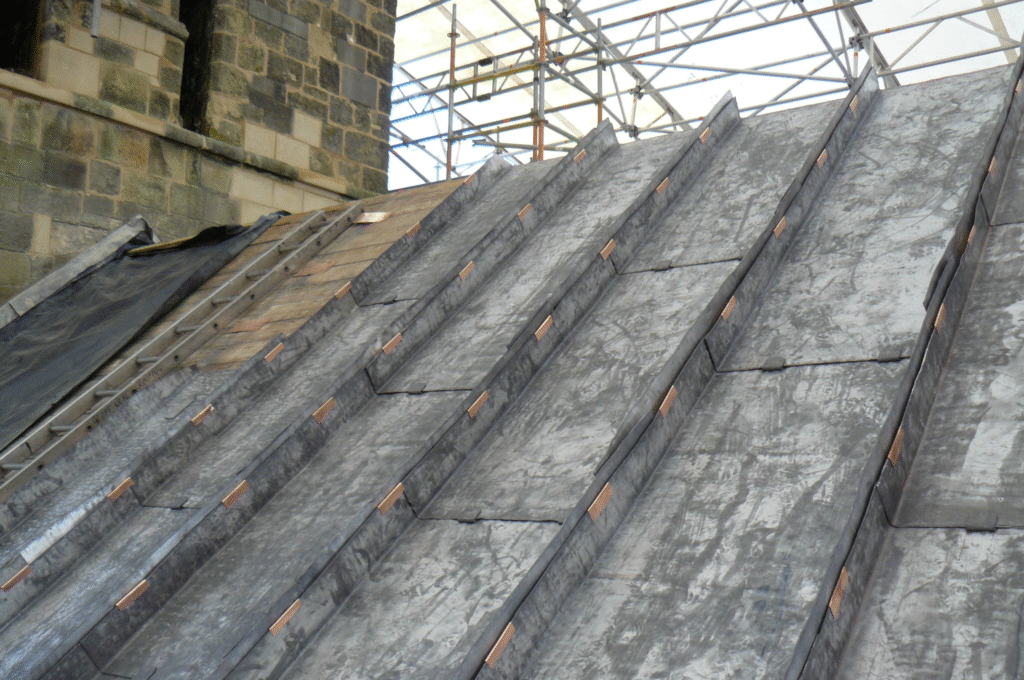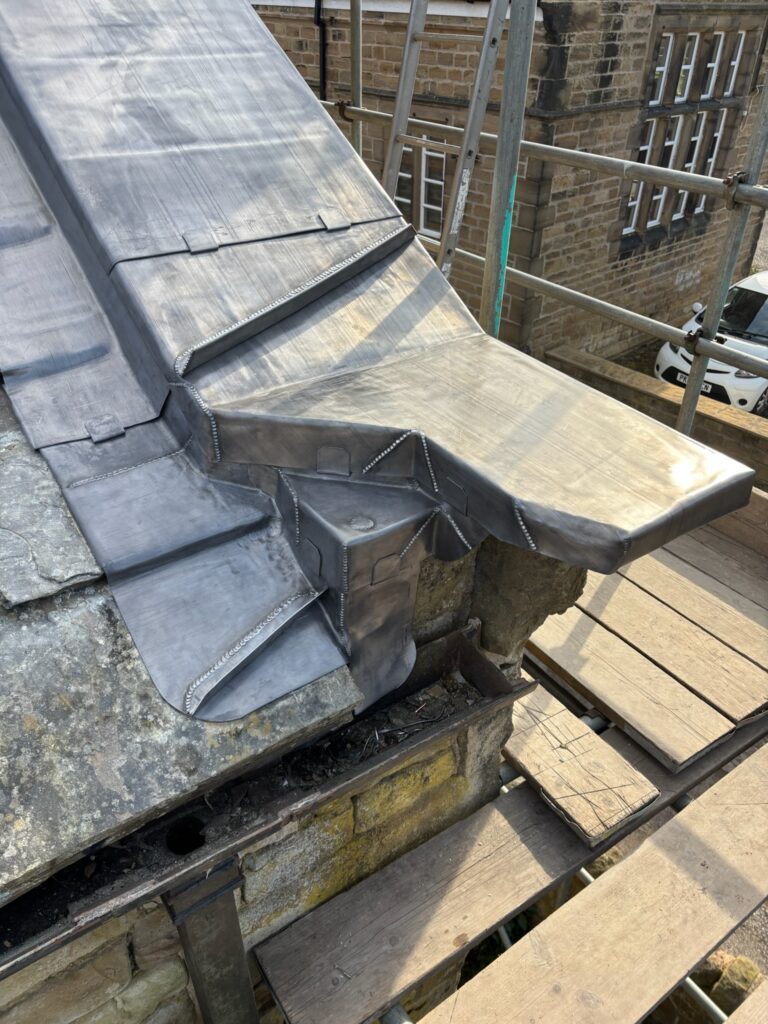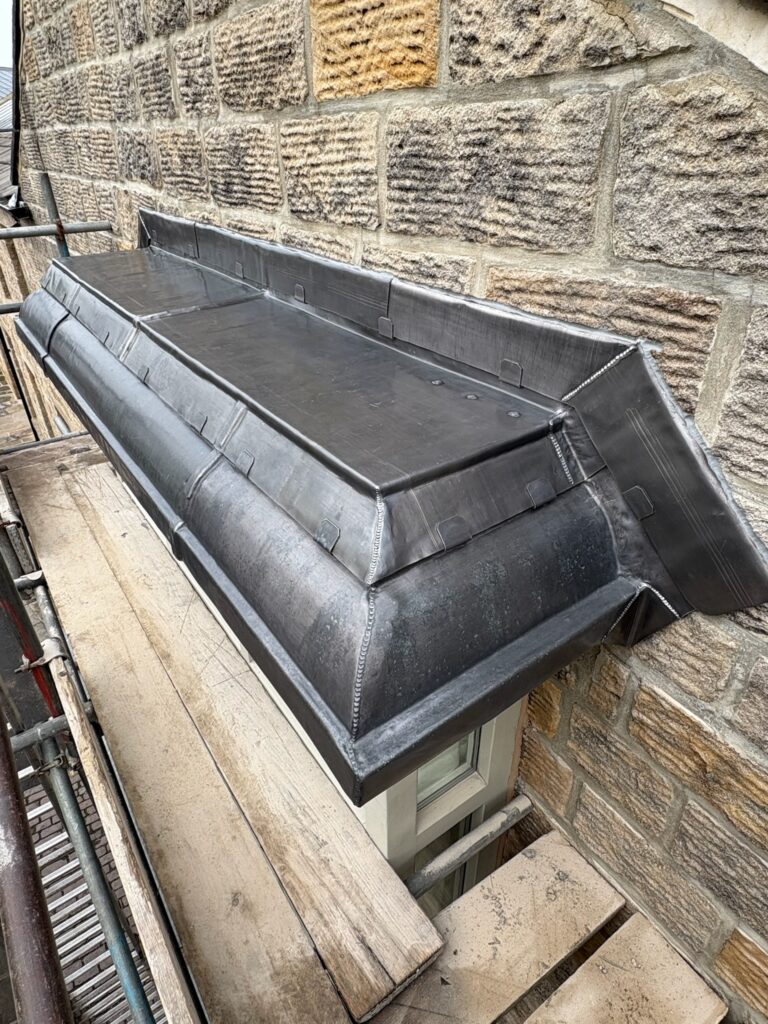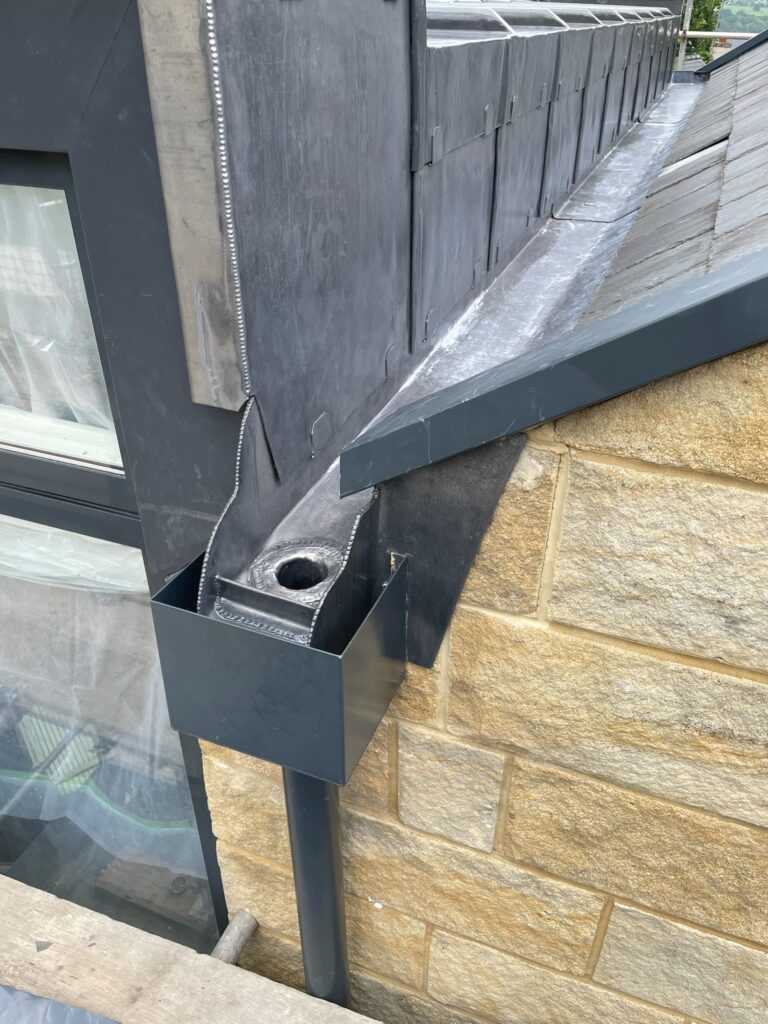


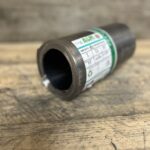
 Code 3 Lead
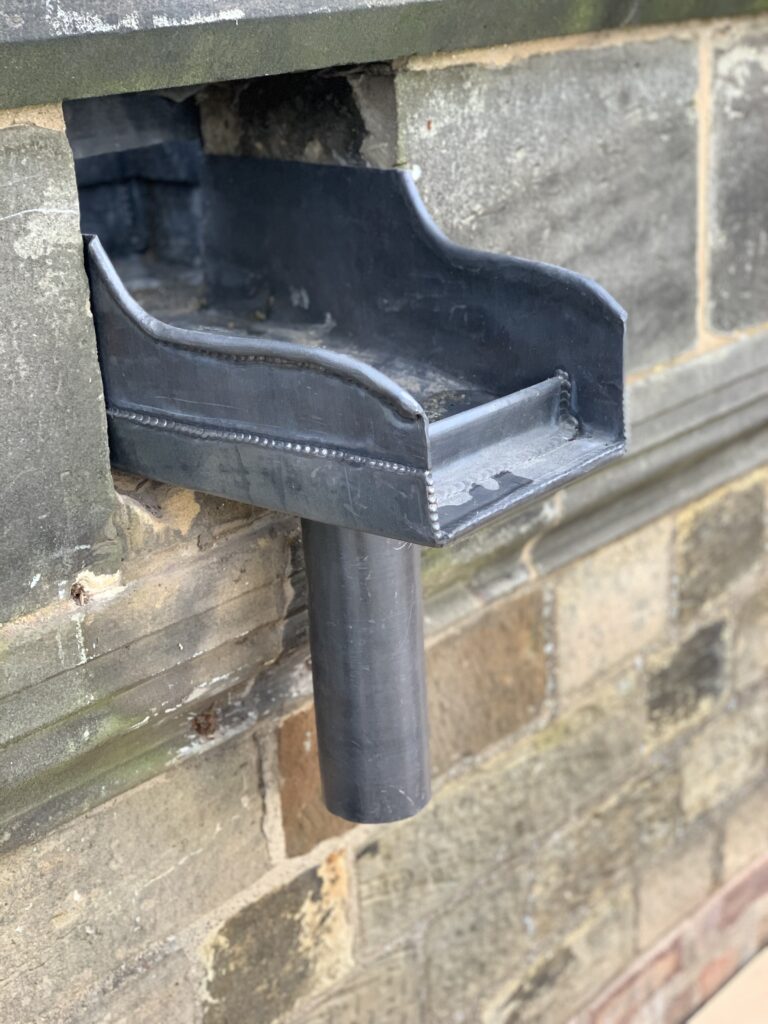
 Code 4 Lead
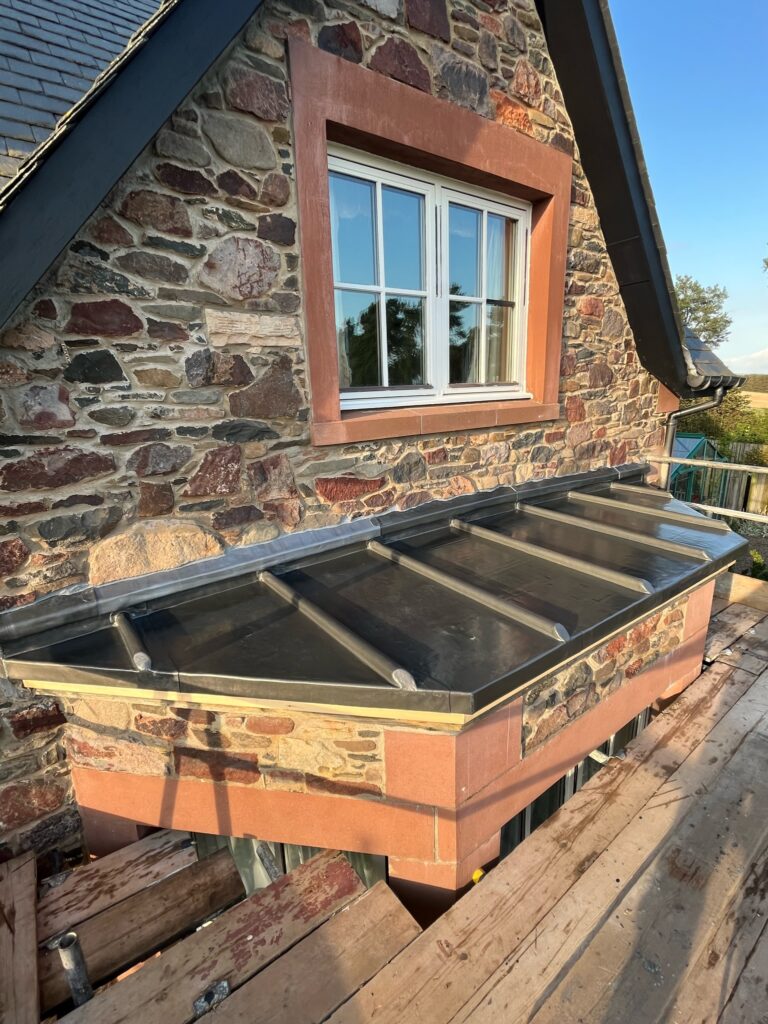
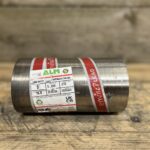 Code 5 Lead
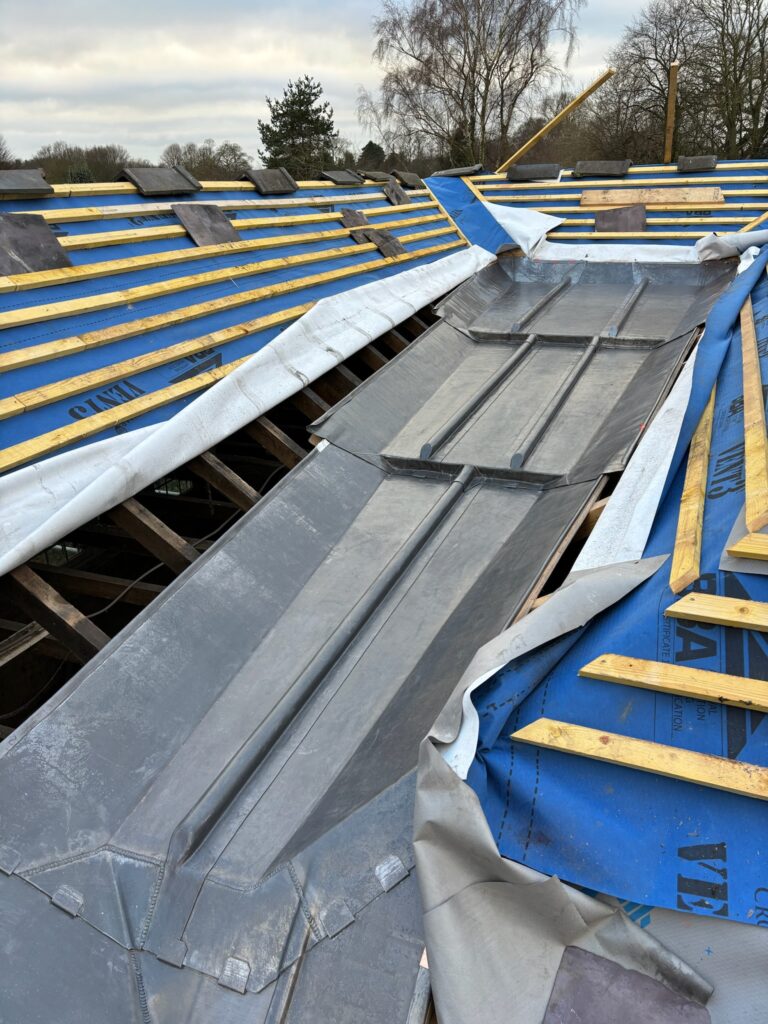
 Code 6 Lead






Lead Weight Chart


Lead Weight Chart: Codes 3–8, kg/m², Roll Weights & Buying Guide
A lead weight chart shows the thickness, kg/m² and approximate roll weight for each lead code, helping roofers, builders and surveyors choose the correct rolled lead sheet and calculate quantities accurately.
This guide explains how to use a lead weight chart for Codes 3, 4, 5, 6, 7 and 8, including thickness, weight per square metre, weight per linear metre, 3m roll weights, site handling considerations and practical examples for roofing and lead flashing work.
Need to order lead? Use the interactive lead flashing chart to select code, width and length, calculate quantities and order rolled lead sheet online.
Lead Weight Chart by Code
The table below shows the approximate thickness and weight of rolled lead sheet by code. These values are useful for checking material quantities, safe handling, loading, delivery planning and specification.
| Lead Code | Approx. Thickness | Approx. Weight | Typical Uses |
|---|---|---|---|
| Code 3 Lead | 1.32mm | 15.0kg/m² | Soakers, covered flashings and lighter concealed details |
| Code 4 Lead | 1.80mm | 20.4kg/m² | General flashings, chimney flashings, aprons and stepped abutments |
| Code 5 Lead | 2.24mm | 25.4kg/m² | Bays, parapets, gutters, wide aprons and back gutters |
| Code 6 Lead | 2.65mm | 30.0kg/m² | Large bays, gutters, parapets and heavier exposed weatherings |
| Code 7 Lead | 3.15mm | 35.7kg/m² | Heavy-duty and specialist leadwork details |
| Code 8 Lead | 3.55mm | 40.3kg/m² | Specialist heavy-duty leadwork where maximum rigidity is required |
Lead Weight per Linear Metre by Width
This section converts the lead weight chart into approximate kilograms per linear metre. It is useful when checking specific widths for flashings, aprons, valleys, gutters and rolled lead sheet orders.
| Code | 150mm | 240mm | 300mm | 450mm | 600mm | 1000mm |
|---|---|---|---|---|---|---|
| Code 3 | 2.25kg | 3.59kg | 4.49kg | 6.74kg | 8.98kg | 15.0kg |
| Code 4 | 3.06kg | 4.90kg | 6.12kg | 9.18kg | 12.24kg | 20.4kg |
| Code 5 | 3.81kg | 6.10kg | 7.62kg | 11.43kg | 15.24kg | 25.4kg |
| Code 6 | 4.50kg | 7.20kg | 9.00kg | 13.50kg | 18.00kg | 30.0kg |
| Code 7 | 5.36kg | 8.57kg | 10.71kg | 16.07kg | 21.42kg | 35.7kg |
| Code 8 | 6.05kg | 9.67kg | 12.09kg | 18.14kg | 24.18kg | 40.3kg |
Approximate 3m Roll Weights
Many lead flashing products are ordered in 3m rolls. This quick-reference lead weight chart shows approximate 3m roll weights by code and width.
| Code | 150mm | 240mm | 300mm | 450mm | 600mm | 1000mm |
|---|---|---|---|---|---|---|
| Code 3 | 6.75kg | 10.77kg | 13.47kg | 20.22kg | 26.94kg | 45.0kg |
| Code 4 | 9.18kg | 14.70kg | 18.36kg | 27.54kg | 36.72kg | 61.2kg |
| Code 5 | 11.43kg | 18.30kg | 22.86kg | 34.29kg | 45.72kg | 76.2kg |
| Code 6 | 13.50kg | 21.60kg | 27.00kg | 40.50kg | 54.00kg | 90.0kg |
| Code 7 | 16.08kg | 25.71kg | 32.13kg | 48.21kg | 64.26kg | 107.1kg |
| Code 8 | 18.15kg | 29.01kg | 36.27kg | 54.42kg | 72.54kg | 120.9kg |
Lead Weight Calculator
Use this formula to calculate lead sheet weight manually, or use our interactive lead calculator to generate instant results.
Formula: weight (kg) = kg/m² × width (m) × length (m).
Example: Code 4 lead is approximately 20.4kg/m². A 300mm wide roll is 0.30m wide. A 3m length is calculated as 20.4 × 0.30 × 3 = approximately 18.36kg.
How Lead Weight Charts Are Used in Roofing Projects
Lead weight charts are used by roofers, builders, surveyors and leadworkers to support ordering, estimating, safe handling and specification.
Selecting the correct lead code
The chart helps identify whether a detail should be formed in Code 3, Code 4, Code 5, Code 6 or a heavier lead code. Code selection should consider exposure, width, support, movement and the type of detail being formed.
Estimating quantities and safe handling
Knowing the approximate weight helps contractors estimate materials, plan delivery, organise lifting and avoid surprises when moving lead rolls to scaffold or roof level.
Using the Lead Weight Chart Correctly
A lead weight chart is useful for calculating material weight, but it should not be used in isolation. The correct lead code also depends on application, exposure, width, support, movement allowance and installation method.
For practical leadwork installation guidance, see The Lead Lads ®. For larger or heritage-led roofing projects, see Neal Roofing leadwork services. For independent roof defect reporting and inspection context, see Strut roofing surveying services.
Choose the right lead code
- Code 3 Lead — soakers and concealed flashings
- Code 4 Lead — general flashings and chimney work
- Code 5 Lead — bays, parapets and gutters
- Code 6 Lead — larger and more exposed roofing details
- Code 7 Lead and Code 8 Lead — specialist heavy-duty leadwork
Common mistakes to avoid
- Choosing lead code based on weight alone
- Ignoring width when calculating roll weight
- Ordering incorrect roll lengths for site handling
- Not allowing for laps, drips and trimming waste
- Failing to consider safe lifting and scaffold logistics
Lead weight vs thickness explained
Lead sheet weight is directly linked to thickness. Each lead code corresponds to a set thickness and weight per square metre. Heavier lead offers increased durability and resistance to fatigue, but it must still be detailed correctly to allow for thermal movement.
Real example: Code 5 bay roof
A typical Code 5 lead bay at 600mm wide and 3m long weighs approximately 45.7kg per roll. For a three-bay roof, this equates to more than 135kg of lead sheet, before packaging, fixings or handling allowance.
Ready to order? Use the lead flashing chart to compare codes, widths and lengths, then add rolled lead sheet, underlay, fixings and patination oil to your basket.
Downloadable Lead Weight Chart PDF
If you prefer a printable reference, you can download the PDF lead weight chart and keep it with your estimating notes, trade files or site documents.
Download the Lead Weight Chart PDF
Lead Weight Chart FAQs
What does a lead weight chart show?
A lead weight chart shows lead code, approximate thickness, weight per square metre and estimated roll weights by width and length.
How do I calculate the weight of a lead roll?
Multiply the kg/m² value by the roll width in metres and the roll length in metres. For example, Code 5 at 450mm wide and 3m long is approximately 25.4 × 0.45 × 3 = 34.29kg.
Which lead code is best for flashing?
Code 4 lead is commonly used for general flashings, chimney flashings and stepped abutments. Code 3 is usually used for concealed soakers, while Code 5 and Code 6 are used for heavier or wider exposed details.
Do lead roll weights include packaging?
No. The values shown are approximate material weights only. Allow additional weight for packaging, pallets, cores and handling requirements.