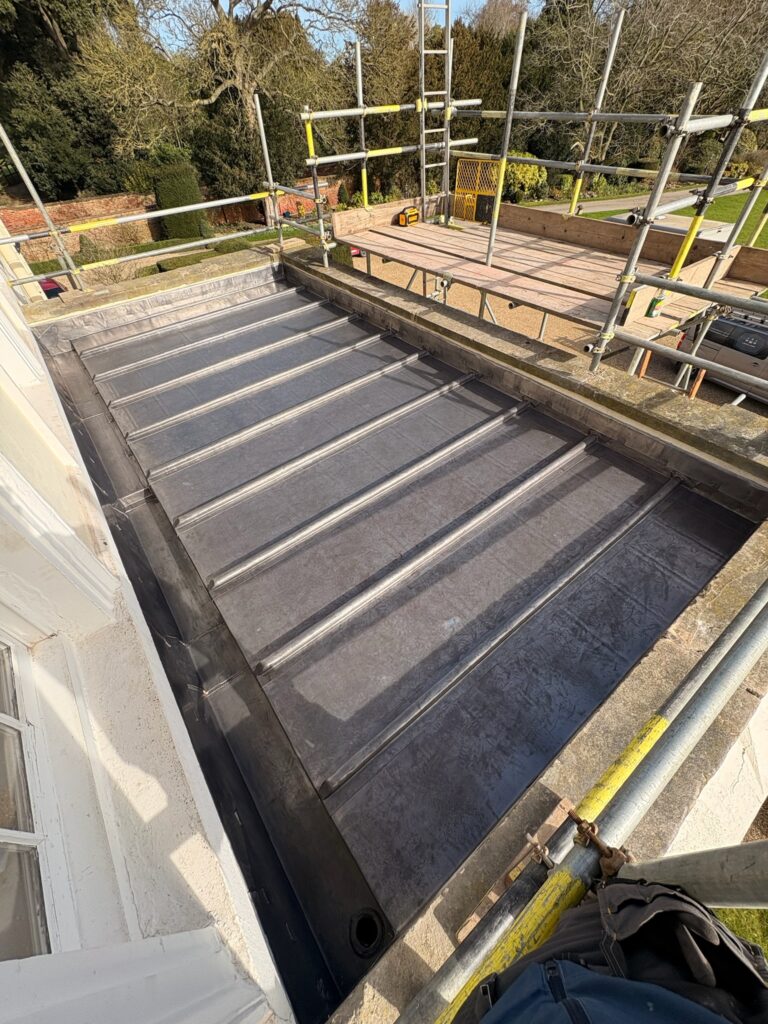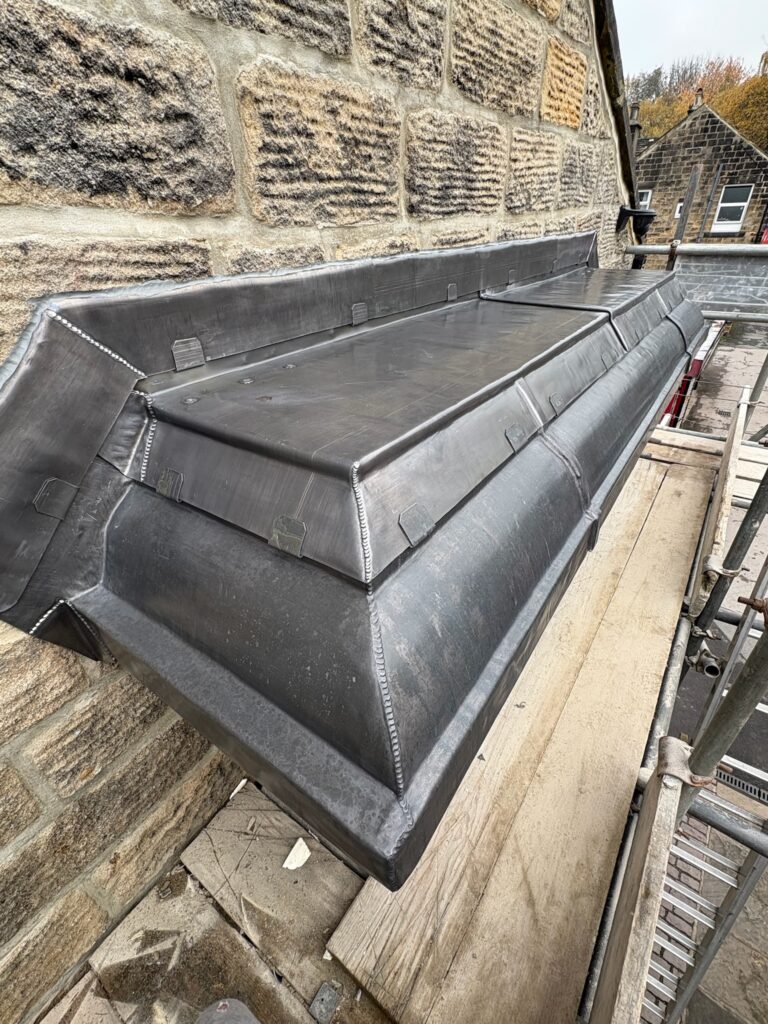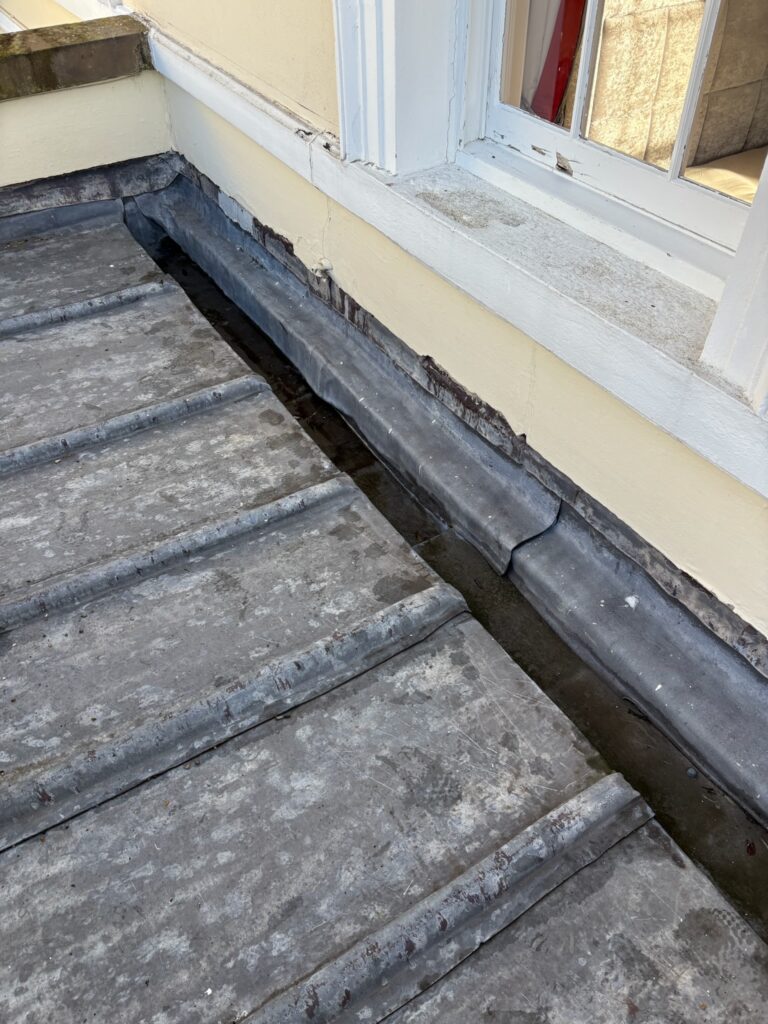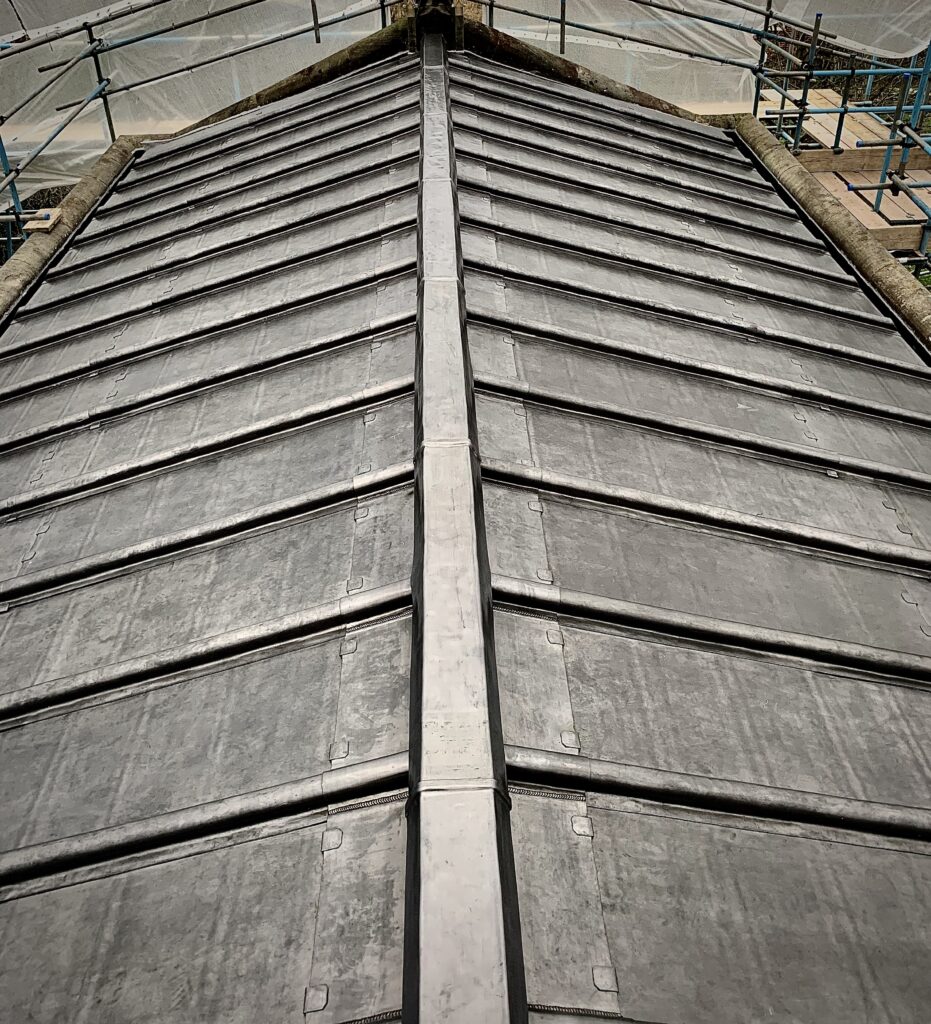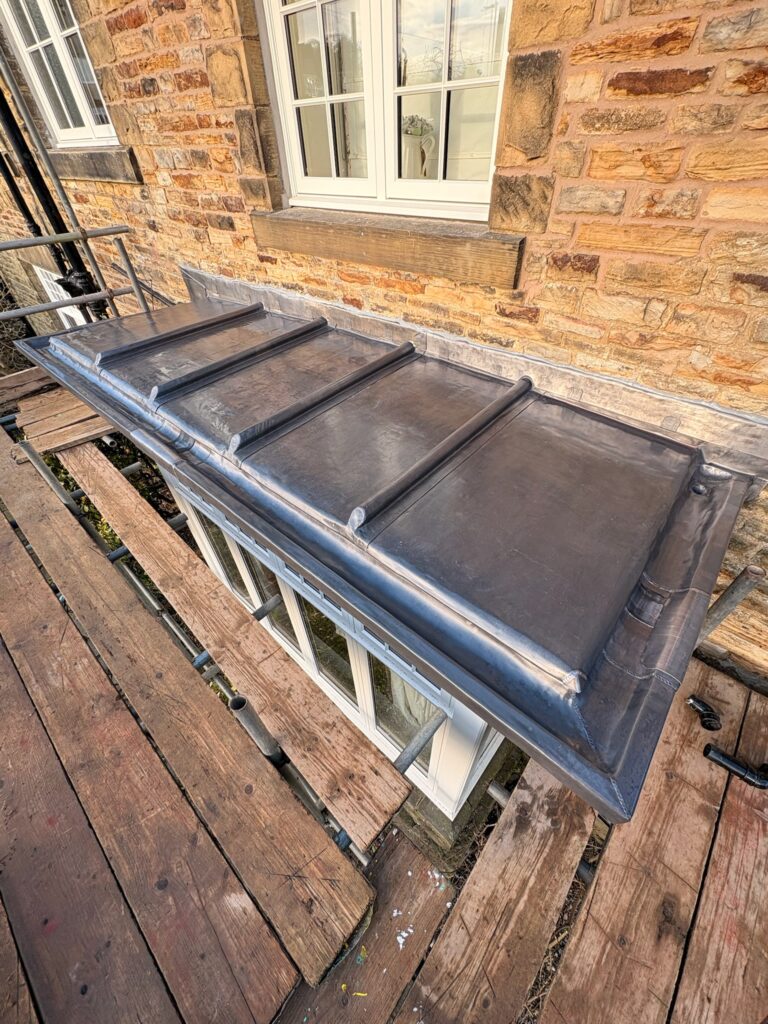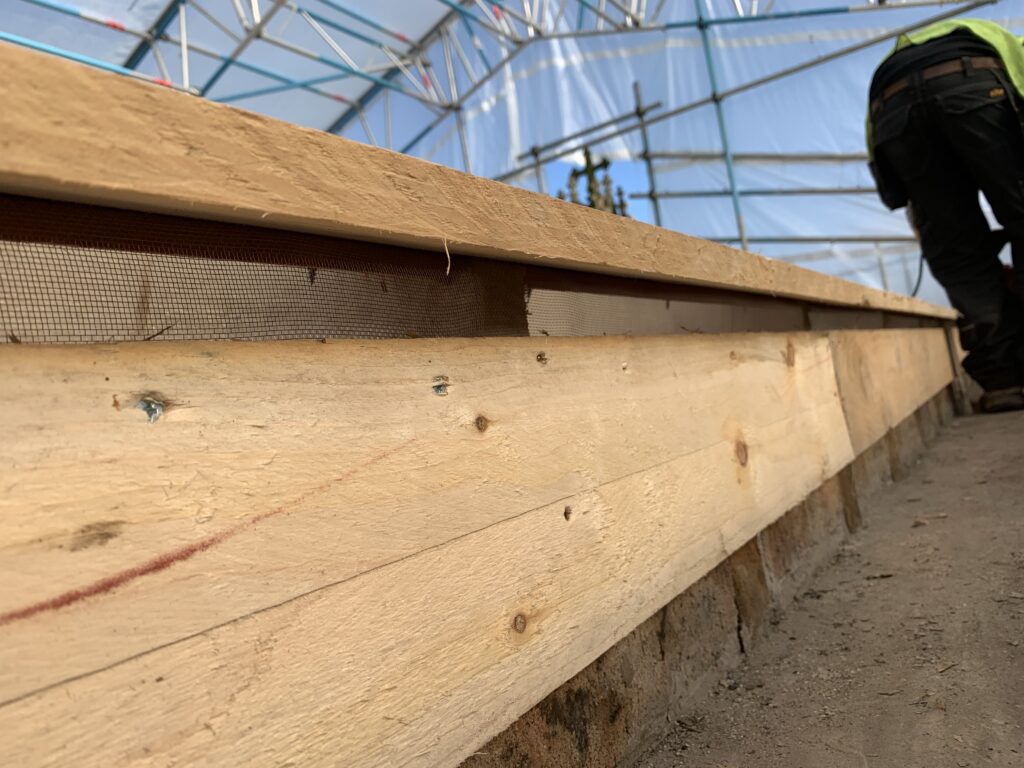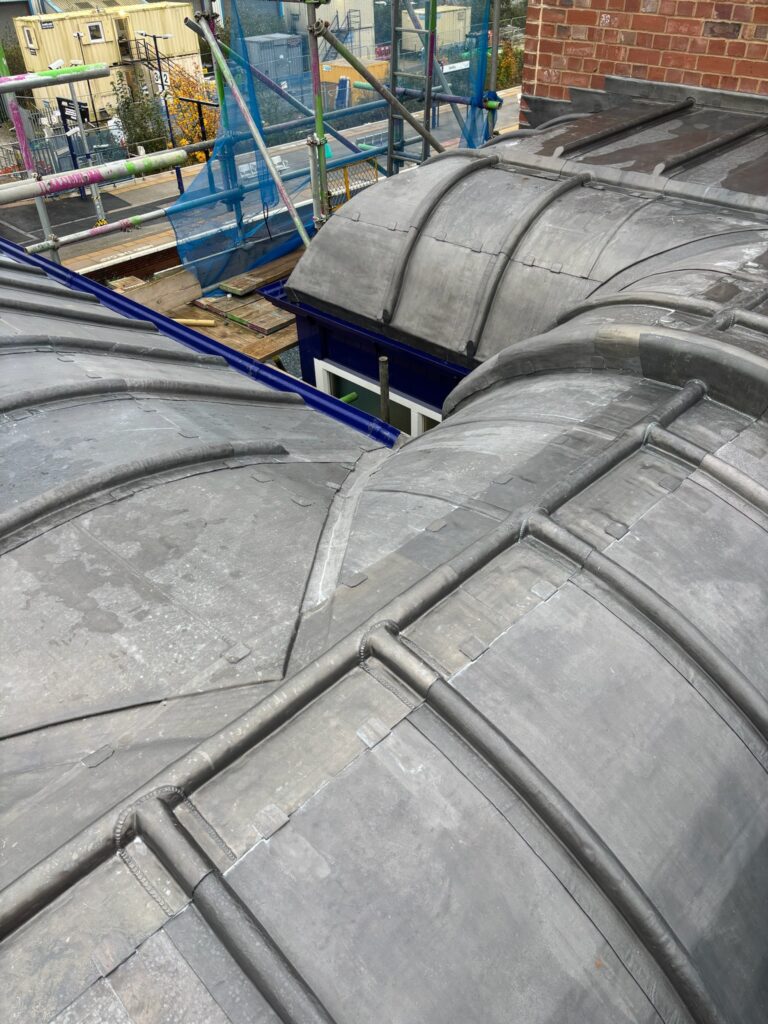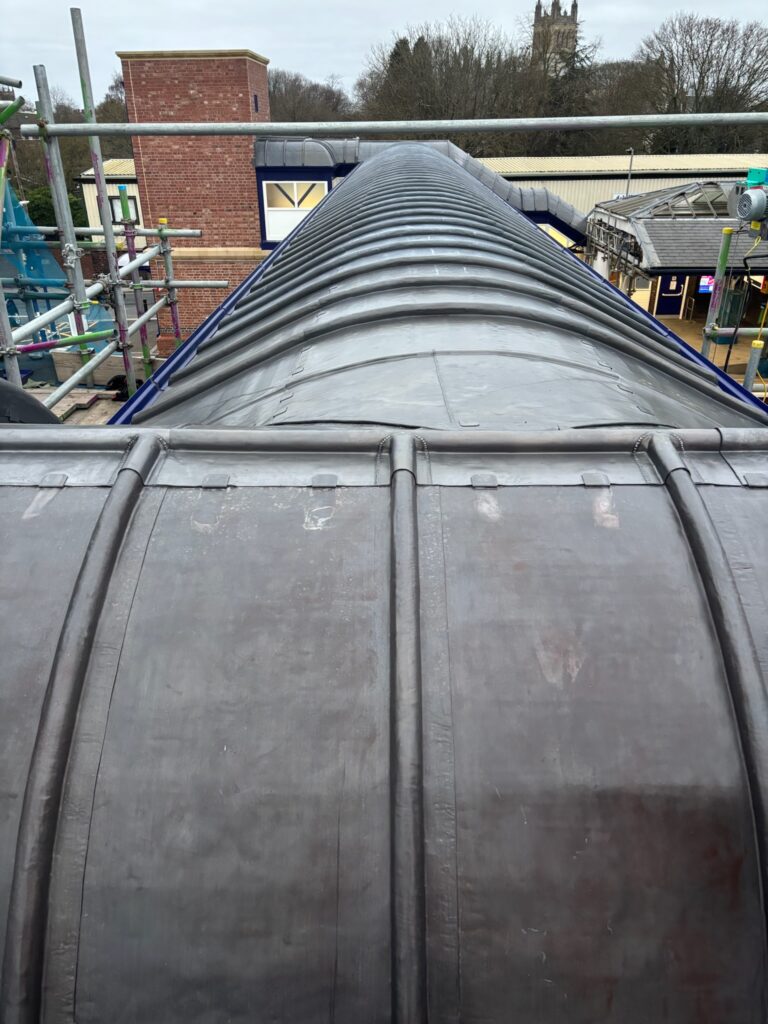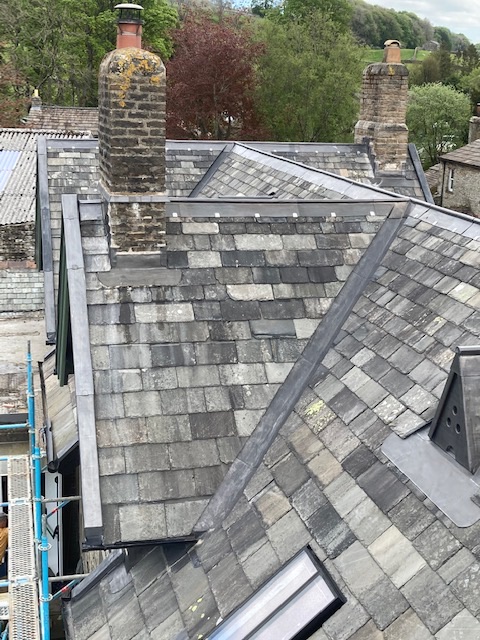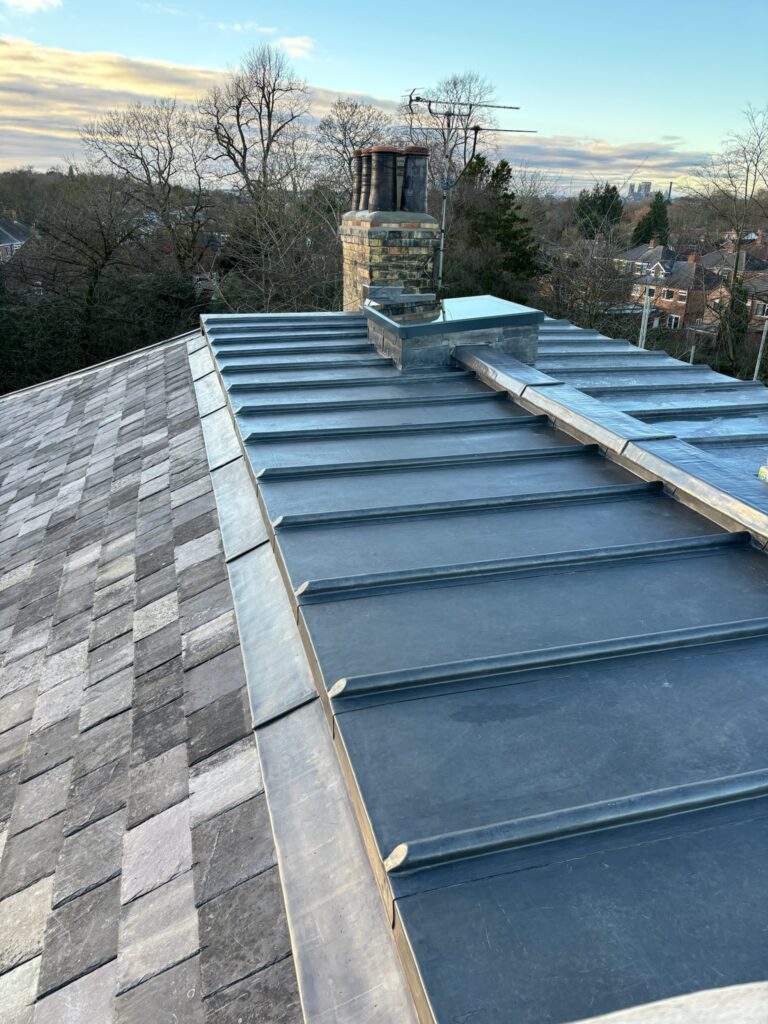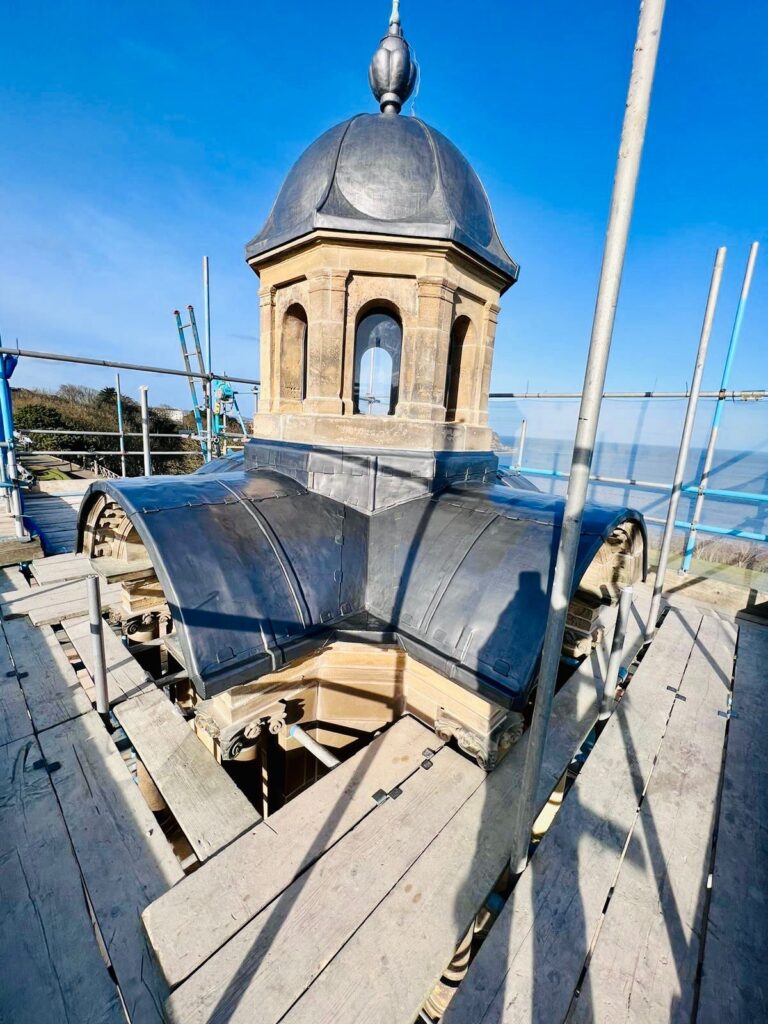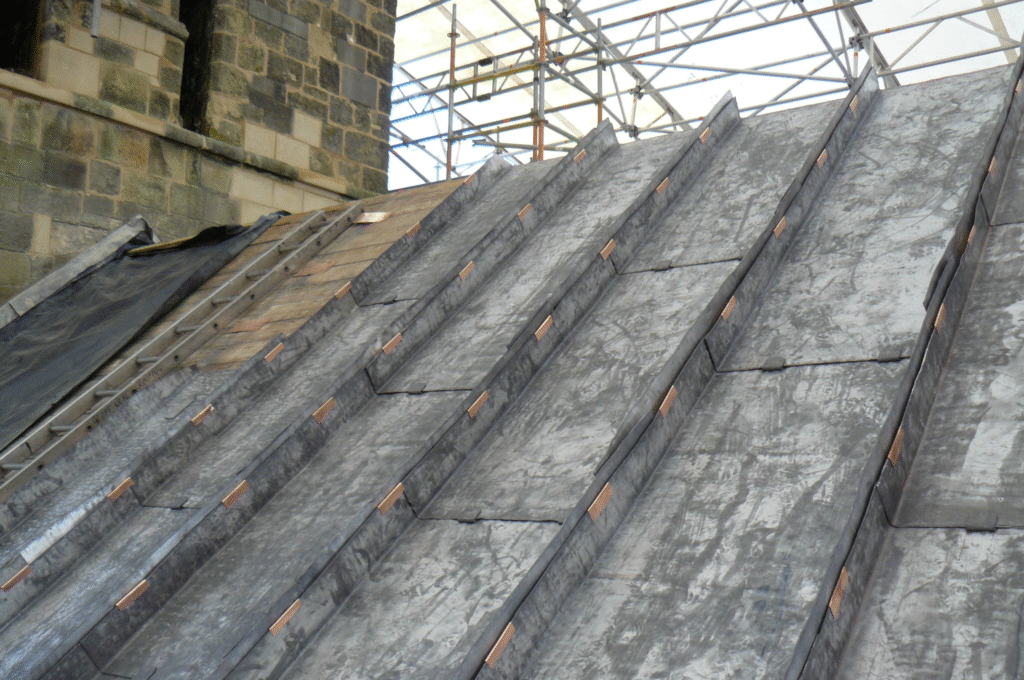


 Code 3 Lead
 Code 4 Lead
 Code 5 Lead
 Code 6 Lead





Lead Flashing Sizes – Lead Sheet Widths, Codes & Roll Lengths Explained
Understanding lead flashing sizes is essential when ordering rolled lead sheet for chimneys, stepped abutments, aprons, soakers, valleys and other roofing details. This page explains the most common lead flashing sizes, how widths relate to upstands and cover, and when to move between Code 3, Code 4 and Code 5 lead sheet.
If you already know your required size, use our shoppable lead chart to compare lead flashing sizes by code, width and roll length and order directly online.
What do lead flashing sizes mean?
When roofers talk about lead flashing sizes, they are usually referring to a combination of three things: the lead code, the sheet width and the roll length. Together, these define how the lead will perform, how easy it is to form, and whether it is suitable for the roofing detail in question.
- Lead code controls thickness and weight.
- Width controls how much cover, lap and chase depth you can achieve.
- Roll length affects handling, cutting efficiency and waste.

Most common lead flashing sizes
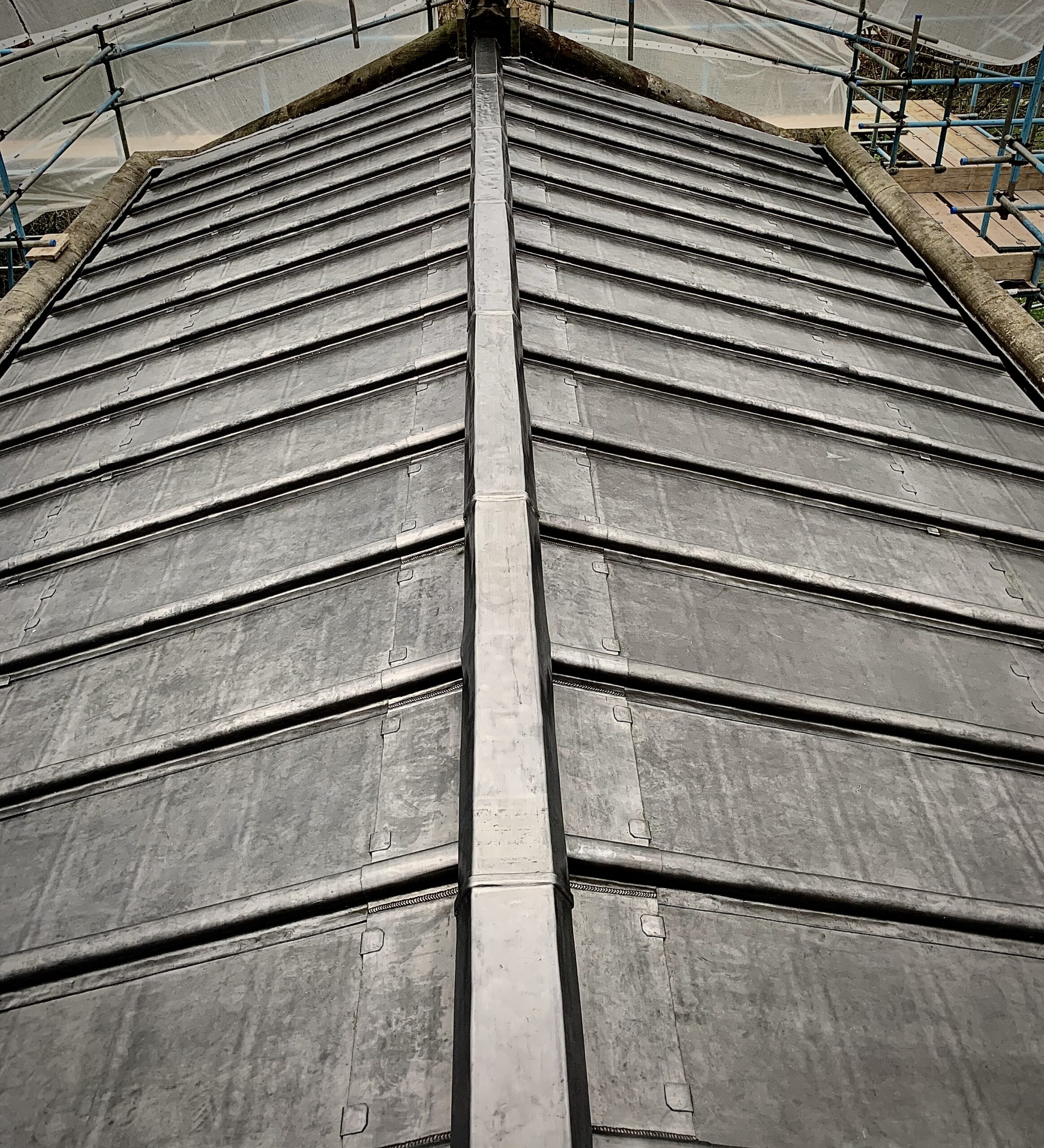
The most common lead flashing sizes in UK roofing are typically found in widths such as 150mm, 180mm, 210mm, 240mm and 300mm, usually in 3 metre or 6 metre rolls depending on the product type. The correct choice depends on the detail being formed, exposure, roof covering and required lap.
| Lead flashing size | Common code | Typical use | Notes |
|---|---|---|---|
| 150mm | Code 3 / Code 4 | Soakers, small cover flashings, light abutments | Common where smaller slate and tile details are involved. |
| 180mm | Code 4 | Standard step flashings and abutments | One of the most popular lead flashing sizes for everyday roofing work. |
| 210mm | Code 4 / Code 5 | Deeper flashings and steeper chases | Useful where additional cover or chase depth is needed. |
| 240mm | Code 4 / Code 5 | Larger abutments, aprons and wider details | Common on larger roofs or where heavier coverings are used. |
| 300mm+ | Code 5 / Code 6 | Aprons, back gutters, bays and exposed weatherings | Generally not a light flashing size; often used where the detail becomes more exposed. |
In practice, lead flashing sizes should always be chosen with the actual formed detail in mind, not just the visible cover. You need enough material for the chase insertion, lap, step, turn and finished cover over the roof surface.
Lead flashing sizes by code
Choosing between the common lead flashing sizes also means understanding which lead code is appropriate. Width alone is not enough. A narrow flashing may still need a heavier code if exposure or building type demands it.
| Lead code | Approx. thickness | Typical role in lead flashing sizes |
|---|---|---|
| Code 3 | 1.32mm | Mainly used for soakers and lighter covered details rather than exposed primary flashings. |
| Code 4 | 1.80mm | The most common choice for standard exposed lead flashing sizes including step flashings and chimney details. |
| Code 5 | 2.24mm | Used where wider lead flashing sizes or greater durability are required, including aprons and more exposed details. |
| Code 6 | 2.65mm | Usually reserved for heavier weatherings, valleys, bays, gutters and special high-exposure situations. |


How to choose the right lead flashing size
- Measure the chase depth and required insertion properly.
- Allow for cover over slates, tiles or adjacent materials.
- Consider exposure and whether the detail is fully exposed or partly protected.
- Choose the right code, not just the right width.
- Allow for movement and sensible piece lengths in line with recognised guidance.
On many jobs, people search for lead flashing sizes when they are really trying to answer a broader question: “What size and code do I need for this exact detail?” That is why the fastest commercial route is often the Lead Flashing Ordering Chart, which helps bridge that gap between theory and basket building.
Lead flashing sizes for common applications
Chimney flashings
Chimneys commonly use Code 4 lead in practical widths suited to step flashings, cover flashings and aprons. Larger chimney details or exposed situations may justify Code 5 or heavier.
Soakers
Soaker dimensions are part of the wider conversation around lead flashing sizes, but they are usually cut from lighter material and are not the same as an exposed cover flashing. In many standard situations, Code 3 remains appropriate for soakers.
Aprons and back gutters
Wider lead flashing sizes are often needed for aprons, back gutters and deeper interfaces. These details commonly move into Code 5 or Code 6 territory depending on exposure and scale.
Use the chart to compare lead flashing sizes quickly
If you need to compare lead flashing sizes by code, width and roll length, the quickest route is our Lead Chart. It is designed to help trade users move quickly from sizing and specification into ordering.
- Compare standard lead flashing sizes in one place
- Move between Code 3, Code 4 and Code 5 quickly
- Add the right widths and lengths to basket
- Then add fixings, underlay and accessories
Frequently asked questions about lead flashing sizes
What are the most common lead flashing sizes?
The most common lead flashing sizes are usually 150mm, 180mm, 210mm, 240mm and 300mm widths, depending on the detail, code and degree of exposure.
Which code is most common for lead flashing sizes?
For many exposed flashings, Code 4 lead is the most common starting point. Code 3 is more often used for soakers and lighter covered details, while Code 5 is used where greater durability or width is needed.
How do I know which lead flashing size I need?
You need to allow for chase depth, lap, upstand, cover and exposure. The visible face of the flashing is only part of the finished size requirement.
Are lead flashing sizes available in 3m and 6m rolls?
Yes. Many lead flashing sizes are available in both 3 metre and 6 metre rolls, depending on the product and category. The right choice depends on handling, cutting efficiency and the type of work being carried out.
How roof covering type affects size selection
Although people often search by width alone, the correct lead selection usually depends on the roof covering, the chase detail, the exposure of the building and the depth of cover required over the finished roof surface. A slate roof, a plain tile roof and a profiled concrete tile roof may all require slightly different allowances, even when the visible junction looks similar.
This is one reason why experienced contractors do not rely on width alone. They consider the full detail: the material below, the lap above, the chase depth into masonry and how the formed lead will move once installed. If you are ordering for a standard domestic abutment, a Code 4 lead option is often the starting point, but where the detail becomes broader or more exposed, a move toward Code 5 lead sheet may make more sense.
Typical roof details and what changes the specification
| Roof detail | Main consideration | What usually changes |
|---|---|---|
| Step flashing to brick abutment | Depth into mortar joint and cover over the roof finish | Width and code |
| Chimney apron | Tile profile, cover requirement and exposure | Width and often heavier material |
| Soakers beneath cover flashing | Slate size, upstand and side lap arrangement | Usually cut from lighter stock |
| Back gutter or wide apron | Broader weathering area and water management | Often moves into Code 5 or Code 6 territory |
| Heritage or conservation detail | Appearance, specification and longer-term durability | Code, width and detailing method |
Why widths alone do not tell the full story
A common mistake is to assume that the nominal roll width is the finished effective cover. In reality, some of that material is consumed by the chase insertion, drips, steps, welts, turns and other forming allowances. This is why two contractors can describe the same junction differently yet both be working correctly: one may refer to the raw roll width, while the other is thinking in terms of finished visible cover.
For commercial buying, this matters because it affects both performance and waste. Ordering too narrow a sheet can leave you short on site. Ordering slightly wider where appropriate often gives more flexibility and can reduce frustration when dressing the detail. Where buyers are unsure, the best route is usually to compare options through the Lead Flashing Ordering Chart and then add related fixings, underlay and accessories in the same basket.
Roll length, handling and site efficiency
Width is only part of the buying decision. Roll length also affects how efficiently material can be used on site. 3 metre rolls are often easier to handle, transport and move across scaffolds, while 6 metre rolls can be more efficient where repeated pieces are being cut from one source roll.
On smaller jobs or domestic repairs, shorter rolls may suit the handling demands of the site team. On larger projects or repetitive detailing, longer rolls can reduce interruptions and improve yield. This is particularly useful where multiple pieces of the same size are being cut for repeated abutments or soaker work.
Helpful related pages for buyers and specifiers
- Order Lead Flashing – compare code, width and length quickly.
- Rolled Lead Sheet – browse the full range of codes and categories.
- Code 4 Lead – standard exposed flashing material for many roofing details.
- Code 5 Lead – for broader, deeper and more exposed weatherings.
- Lead Weight Chart – useful where handling and roll weight matter.
- Lead Lads Trade Account – for smoother repeat ordering.
- Request a Quote – for mixed baskets, project packs and larger supply requirements.
Final thought
The right lead selection is about proportion, durability and the formed detail rather than simply picking the first width that appears close. By combining the correct code, sensible width and appropriate roll length, contractors can achieve cleaner detailing, better long-term performance and a more efficient buying process. For most buyers, the most direct next step is to use the Lead Chart and then move into the relevant code or accessory category from there.