

 Code 3 Lead
 Code 4 Lead
 Code 5 Lead
 Code 6 Lead





Vented and Warm Substrates for lead Roofs | #1 Guide


Contents (Jump to)
- Why vented and warm substrates for lead roofs matter
- Definitions: warm roof vs vented roof vs hybrid
- Where BS 6915 and BS 5250 fit
- Moisture physics under lead
- Non-negotiable principles
- Vented substrates (cold ventilated approach)
- Warm substrates (compact warm roof approach)
- Decision framework
- Critical detailing zones
- Movement, bay sizing and joint spacing
- Specification wording
- QA/inspection checklist
- Failure modes & surveyor diagnosis
- Design → supply → install authority chain
- Image reference gallery
- Video reference
- FAQ + schema
Oracle Series · Rolled Lead Sheet Authority
Vented and Warm Substrates for Lead Roofs (BS 6915 & BS 5250)
Vented and warm substrates for lead roofs are the single most important design decision when rolled lead sheet sits above habitable, heated space. If you get vented and warm substrates for lead roofs wrong, the leadwork can be flawlessly formed and still fail—because the failure mechanism is often moisture + temperature + restraint acting on the deck, fixings and joints over time.
This Oracle Series technical anchor is written for architects, surveyors, conservation officers and contract administrators who need a practical, buildable decision framework. It sets out how to choose between vented and warm substrates for lead roofs, how to specify each strategy, and how to inspect the critical junctions that typically undermine performance. The intent is alignment with BS 6915 (fully supported lead sheet design and construction) and BS 5250 (moisture in buildings / condensation risk management), while remaining grounded in site reality.
Use this phrase in your title, intro, at least one H2, image alt text, and the FAQ questions (this page does).
Design, Buy, Install (The Authority Chain)
To keep vented and warm substrates for lead roofs compliant from design through to procurement: use The Lead Lads Shop for rolled lead sheet and the consumables that make or break the assembly (clips, fixings, separation layers and accessories). For specialist execution, engage The Lead Lads. For large-format heritage leadwork and technically demanding delivery, see GNR Leadwork.
Definitions: What “Vented and Warm Substrates for Lead Roofs” Actually Means
The phrase vented and warm substrates for lead roofs describes two different moisture-control strategies that sit beneath the rolled lead sheet covering. Both strategies can work. Both can also fail spectacularly when the detailing does not match the physics.
Warm substrate (compact warm roof)
A warm substrate is typically a “warm roof” build-up: insulation is arranged so the structural deck stays warmer, which reduces the likelihood of interstitial condensation. In vented and warm substrates for lead roofs, the warm option is often the most predictable above heated rooms, because it does not rely on long, perfectly continuous ventilation routes.
With rolled lead sheet, the lead must still be fully supported (no spanning), installed over a compatible separation layer, and detailed for movement. Warm roofs are not “anti-lead”; they simply change how the deck stays dry.
Vented substrate (cold ventilated approach)
A vented substrate uses a ventilation void to remove moisture, keeping the underside of the deck dry. In vented and warm substrates for lead roofs, this is the “cold deck” approach: it can perform well where airflow is continuous, unobstructed, and maintainable over the building’s life.
Vented roofs commonly fail when insulation blocks airflow, when parapets box in voids, or when services and rooflights compartmentalise the cavity into dead zones.
Oracle position (practical reality)
Above habitable heated space, vented and warm substrates for lead roofs often favour the warm option—because modern buildings introduce higher moisture loads, more penetrations, and more retrofit change. Vented roofs can still be excellent where you can truly guarantee continuous ventilation and access.
Standards Framework: BS 6915 + BS 5250 in One Sentence
For vented and warm substrates for lead roofs, the standards lens is simple: BS 6915 ensures the lead is fully supported and movement-led; BS 5250 ensures the build-up controls moisture without trapping it. Ignore either and the roof becomes a defects machine.
- BS 6915: fully supported lead sheet, detailing philosophy, joints, restraint avoidance, movement accommodation, buildability.
- BS 5250: vapour/air movement, condensation risk, drying potential, moisture loads, and robust moisture strategies for real buildings.
The key insight: vented and warm substrates for lead roofs are not “lead rules” plus “insulation rules”. They are one system, and the weak point is almost always where the system boundary is unclear (perimeters, rooflights, outlets, penetrations).
Moisture Physics Under Lead: Why Substrates Decide the Outcome
Rolled lead sheet is effectively vapour-tight. That is precisely why vented and warm substrates for lead roofs matter: moisture that gets under lead cannot simply diffuse through it. Moisture must be managed by a designed path—either ventilation drying (vented roofs) or controlling vapour/air leakage and keeping the deck warm (warm roofs).
What actually goes wrong (the 3 repeat offenders)
- Air leakage condensation: warm moist air escapes into cold cavities through gaps at services and junctions, then condenses at cold surfaces.
- Interstitial condensation: vapour migrates through layers and condenses where temperature crosses dew point within the build-up.
- Drying blocked (summer reversals): solar heating drives moisture back inward, and a too-vapour-tight interior layer prevents safe drying.
Non-negotiable for vented and warm substrates for lead roofs
Ventilation is not a substitute for airtightness, and airtightness is not a substitute for a coherent vapour strategy. If your drawings do not clearly show which strategy is in play, vented and warm substrates for lead roofs will be left to “site interpretation”, and that is where technical roofs go to die.
Non-Negotiable Principles for Vented and Warm Substrates for Lead Roofs
- Fully supported lead sheet: the lead cannot span; deflection drives ponding and stress.
- Compatible separation layer: allows controlled slip, reduces abrasion, avoids chemistry issues with substrates.
- Movement-led geometry: bay size and joint spacing are not aesthetic; they are movement control.
- One moisture strategy: either reliably vented or reliably warm (hybrids only when explicitly modelled and detailed).
- Continuity at junctions: edges, outlets, rooflights, penetrations—this is where vented and warm substrates for lead roofs succeed or fail.
Vented Substrates: The Cold Ventilated Strategy
In vented and warm substrates for lead roofs, the vented strategy relies on airflow to keep the underside of the deck dry. It can be appropriate where roof build-up depth is limited, where heritage constraints prevent raising levels, or where the building form gives you a clean, continuous ventilation route.
Where vented substrates perform well
- Short, continuous ventilation paths with clear intake and exhaust zones
- Simple geometry (avoid boxed parapets and compartmented cavities)
- Lower internal moisture load below, or reliable airtightness line at ceiling level
- Access for inspection and confidence that future retrofit won’t block vents
Why vented substrates fail on lead roofs
- Insulation pushed into voids during later works, blocking airflow
- Parapets and kerbs creating dead ends and stagnant air pockets
- Multiple penetrations/rooflights breaking continuity and creating cold bridges
- Air leakage from heated spaces below (the “invisible leak”)
Vented roof checklist (design)
- Show ventilation paths in plan and section (do not rely on assumptions)
- Detail how ventilation passes around rooflights and boxed edges
- Prevent insulation from blocking airflow (define baffles and clearance)
- Define inspection access and long-term maintainability
- Coordinate airtightness below to reduce air leakage condensation
Vented roof checklist (site)
- Photograph ventilation routes before closing up
- Confirm vents are installed at the locations shown on drawings
- Check insulation does not touch/block the deck ventilation zone
- Seal penetrations at the airtightness line, not only at the roof surface
- Verify outlets/edges do not create sealed cavities

Warm Substrates: The Compact Warm Roof Strategy
In vented and warm substrates for lead roofs, the warm strategy keeps the deck warm and shifts condensation risk outward, reducing the chances of moisture accumulating at the deck. For heated rooms below, this is often the most robust option—especially where parapets, rooflights and penetrations make ventilation continuity unreliable.
Why warm substrates are often lower risk above heated rooms
- Deck stays warmer, reducing cold surface condensation potential
- Less reliance on long ventilation pathways remaining unblocked for decades
- More resilient to changing indoor humidity and retrofit interventions
- Better continuity at junctions when properly designed (parapets, kerbs, abutments)
How warm substrates fail (the avoidable mistakes)
- Discontinuous airtightness line (moist air leakage into cold bridges)
- Vapour control strategy not coordinated with the whole envelope
- Cold bridging at parapets/kerbs/outlets causing local condensation
- Incompatible layers creating a “moisture trap” with no drying route
Oracle rule for vented and warm substrates for lead roofs
Do not “half warm” a lead roof without a clearly defined moisture strategy. If the build-up is ambiguous, the roof can be neither reliably vented nor reliably warm— which is the fastest route to persistent damp and hidden decay.
Decision Framework: Choosing Between Vented and Warm Substrates for Lead Roofs
Use this framework to select the correct strategy for vented and warm substrates for lead roofs. It is intentionally practical: parapets, rooflights, services, build-up depth and the reality of future retrofit are built into the decision.
| Project condition | Preferred strategy | Why it suits vented and warm substrates for lead roofs | Key risk to manage |
|---|---|---|---|
| Heated room below + modern airtightness targets | Warm substrate | Predictable moisture behaviour; reduced cold deck condensation risk | Airtightness/VCL continuity at junctions and penetrations |
| Complex parapets / boxed edges / dormers | Warm substrate | Ventilation continuity is difficult to guarantee long-term | Cold bridges at parapets/kerbs/outlets |
| Simple eaves-to-eaves roof, low moisture load below | Vented substrate | Ventilation can be continuous and inspectable | Retrofit blocking airflow |
| Heritage constraints on external levels | Case-by-case | May be constrained by existing geometry | Compartmentation creating dead zones |
| Multiple penetrations, services, rooflights | Warm substrate | Less sensitive to minor airflow disruptions | Execution quality at penetrations |

Critical Detailing Zones for Vented and Warm Substrates for Lead Roofs
1) Perimeters and parapets
Parapets are where vented and warm substrates for lead roofs are most often compromised. In vented roofs, parapets can box in the void and kill airflow. In warm roofs, parapets become prime cold-bridge zones unless insulation and airtightness continuity are maintained. Always draw parapets in section with the moisture strategy explicit.
2) Outlets and gutters
Outlets concentrate water, debris and temperature differentials. They are also frequently boxed in, which breaks ventilation routes and creates cold spots. In both strategies, detail access and buildability. Most “mystery leaks” are either outlet back-up or air leakage condensation misdiagnosed as rain ingress.
3) Rooflights and kerbs
Rooflight kerbs combine cold bridging + air leakage risk. For vented and warm substrates for lead roofs, kerbs must be treated as moisture-critical junctions: airtightness line continuity below, insulation continuity around, and no hidden sealed cavities that trap moisture.
4) Penetrations (ducts, cables, flues)
Penetrations are “airtightness failures waiting to happen”. In vented roofs, warm air leakage into the cold void is the classic condensation trigger. In warm roofs, poorly sealed penetrations create local cold points. Seal to the airtightness line and document penetrations before closure.
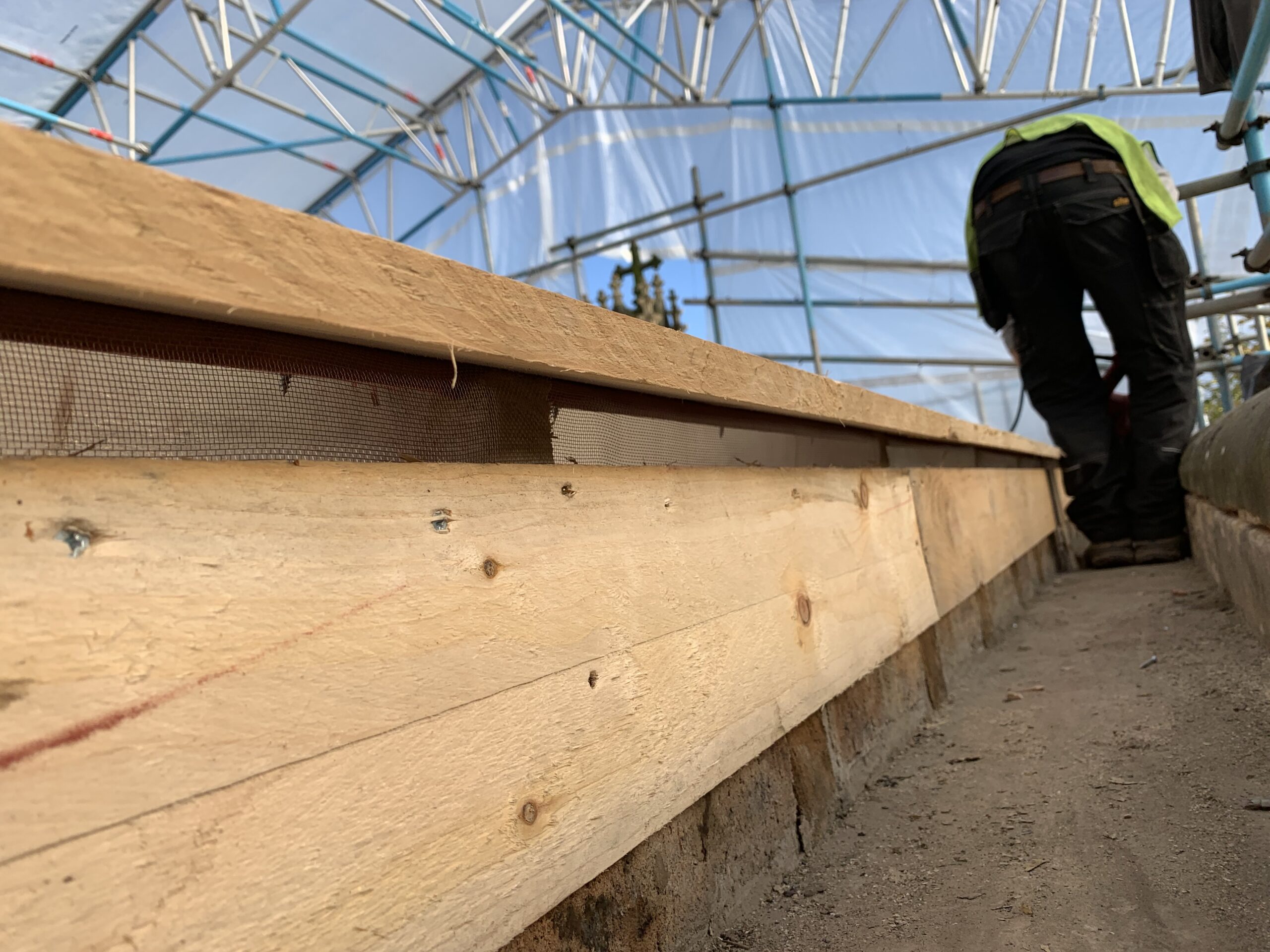
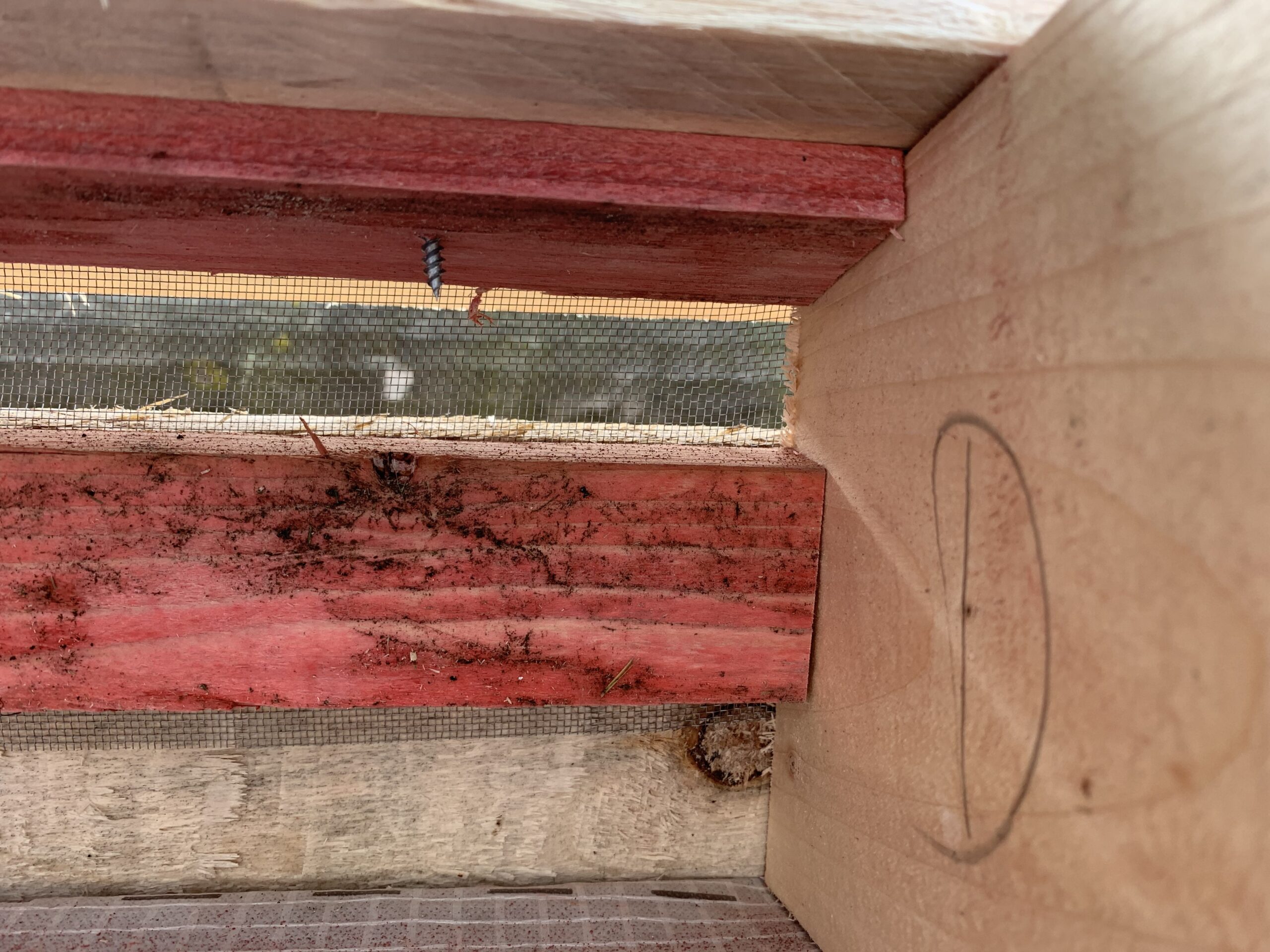
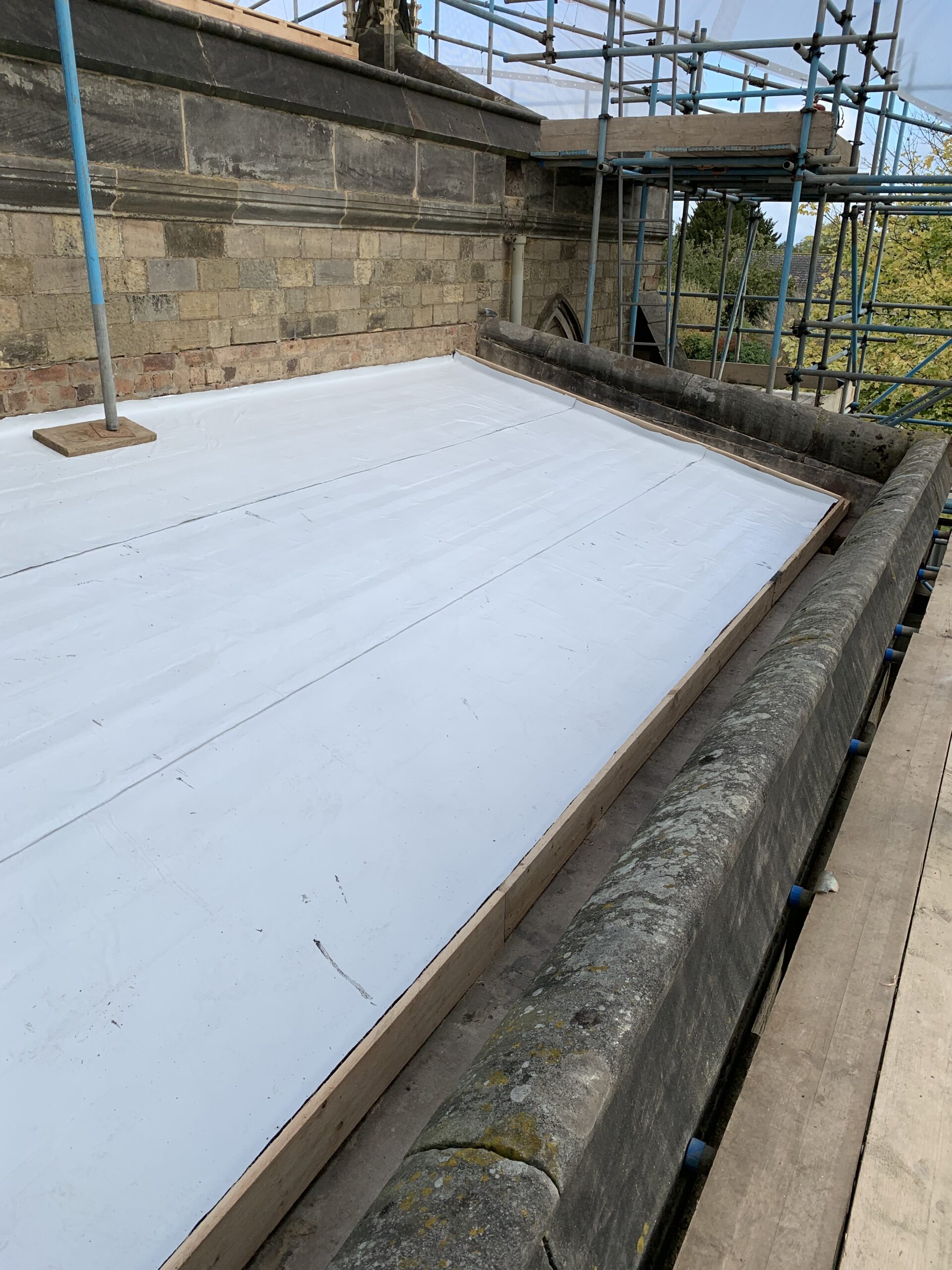
Movement, Bay Sizing and Joint Spacing
Moisture strategy and movement strategy are linked. If the deck is damp, unstable or distorted, lead movement control becomes harder and defects accelerate. For vented and warm substrates for lead roofs, coordinate bay geometry early—especially where insulation thickness affects levels, kerb heights or drip positions.
- Do not increase bay sizes “to reduce joints” where guidance limits apply.
- Do set bay width and bay length on drawings and schedules (not just “lead roof”).
- Do avoid hidden restraint at perimeters, abutments and penetrations.
Specification → Procurement Alignment (Keep It Clean)
The easiest way to sabotage vented and warm substrates for lead roofs is to let procurement drift away from specification. Use The Lead Lads Shop for rolled lead sheet and leadwork consumables aligned to technical guidance. For delivery, engage The Lead Lads, and for heritage technical authority see GNR Leadwork.
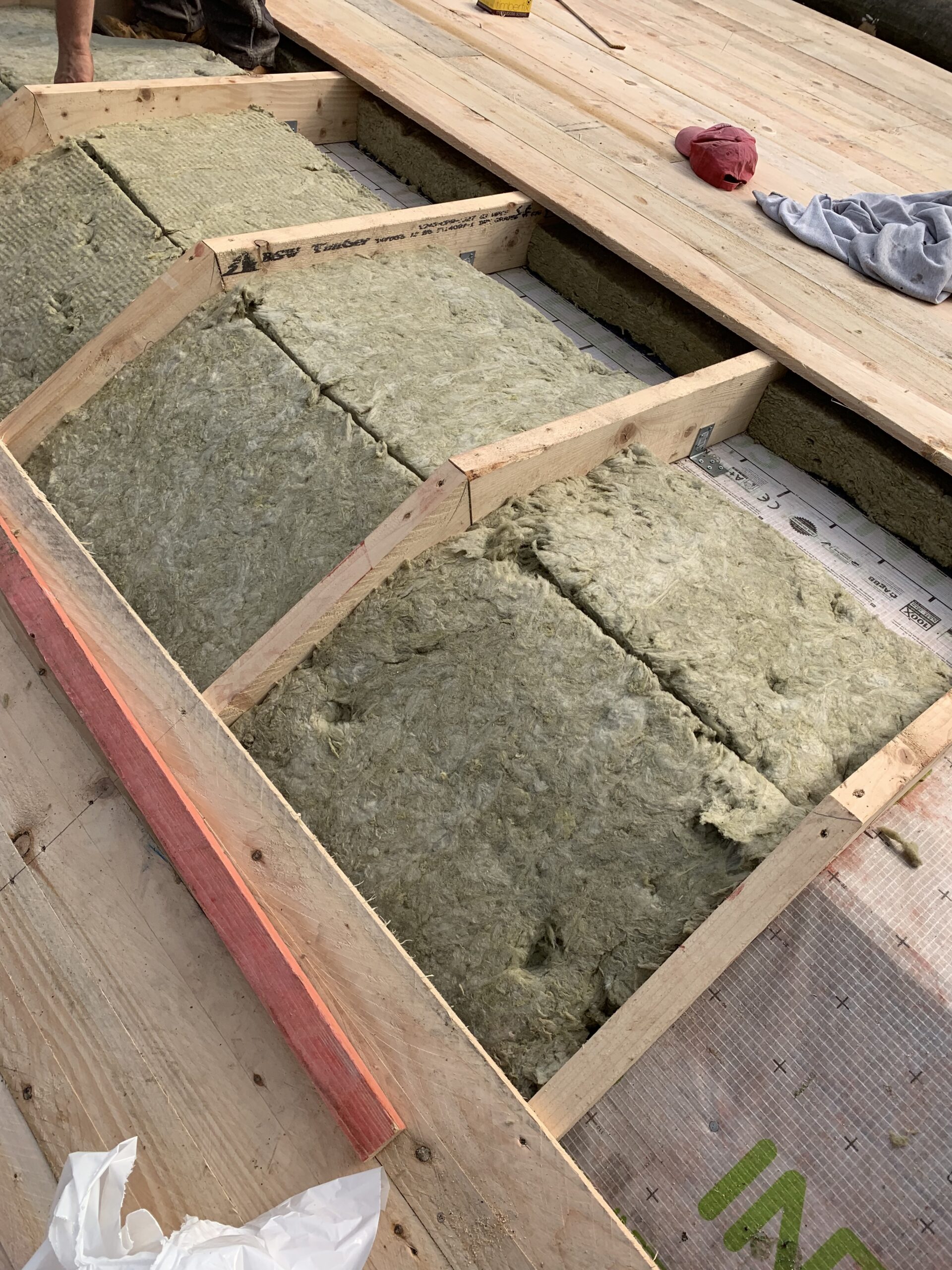

Specification Wording for Vented and Warm Substrates for Lead Roofs
Drop-in clause (edit to suit project)
Rolled lead sheet roof coverings shall be designed and installed as fully supported leadwork with movement-led bay sizing and joint detailing. The substrate strategy shall be explicitly defined as either: (a) warm roof construction, or (b) vented substrate construction. For warm roof construction, provide continuous airtightness and vapour control strategy with insulation continuity at junctions and penetrations. For vented substrate construction, provide continuous and unobstructed ventilation paths shown in plan and section and maintainable for the life of the building. Vented and warm substrates for lead roofs shall be coordinated to manage condensation risk in accordance with BS 5250 principles and to maintain stable, dry support to the lead covering. Workmanship shall be executed by competent leadwork specialists with procurement aligned to specification.
If you want one procurement hub to support vented and warm substrates for lead roofs, direct your team to The Lead Lads Shop and The Lead Handbook.
QA / Inspection Checklist
Design-stage checks
- Is the roof explicitly defined as warm, vented, or hybrid?
- Is the airtightness line continuous at all junctions?
- Is vapour strategy explicit (not implied)?
- Are ventilation paths drawn (if vented)?
- Are bay sizes/joint spacing specified?
- Are rooflight kerbs/outlets detailed to avoid cold bridging?
- Do details match the chosen vented and warm substrates for lead roofs strategy?
Site-stage checks
- Deck is flat, continuous, stable, fully supportive
- Separation layer installed consistently
- Ventilation routes unobstructed (if vented)
- Penetrations sealed to airtightness line below
- Outlets accessible; falls verified before lead is laid
- Photo records before closure and at junctions
- Any deviation from vented and warm substrates for lead roofs strategy is recorded and approved
Failure Modes & Surveyor Diagnosis
Surveyors investigating vented and warm substrates for lead roofs see repeating patterns. The value of a substrate-led approach is that it explains the evidence: not just “there is damp”, but why damp occurs and how it interacts with lead movement and deck stability.
Common signs of substrate/moisture failure under lead
- Corrosion at fixings and metal components beneath rooflights or penetrations
- Musty odours, mould growth, or staining in voids below intact lead
- Timber softness or blackening at cold-bridge zones (kerbs, parapets)
- Localised deck distortion causing ponding and then bay stress
- “Leak-like” staining that does not correlate with rainfall events (air leakage condensation)
Oracle diagnostic cue
If moisture appears in stable weather, or repeats at junctions rather than laps, suspect condensation and air leakage before blaming the lead. Many remedial scopes fail because they re-lay lead without correcting the underlying vented and warm substrates for lead roofs strategy.
Design → Supply → Install Authority Chain
- Supply and technical buying: The Lead Lads Shop
- Guidance hub: The Lead Handbook
- Specialist installation: The Lead Lads
- Heritage technical authority: GNR Leadwork
Image Reference Gallery
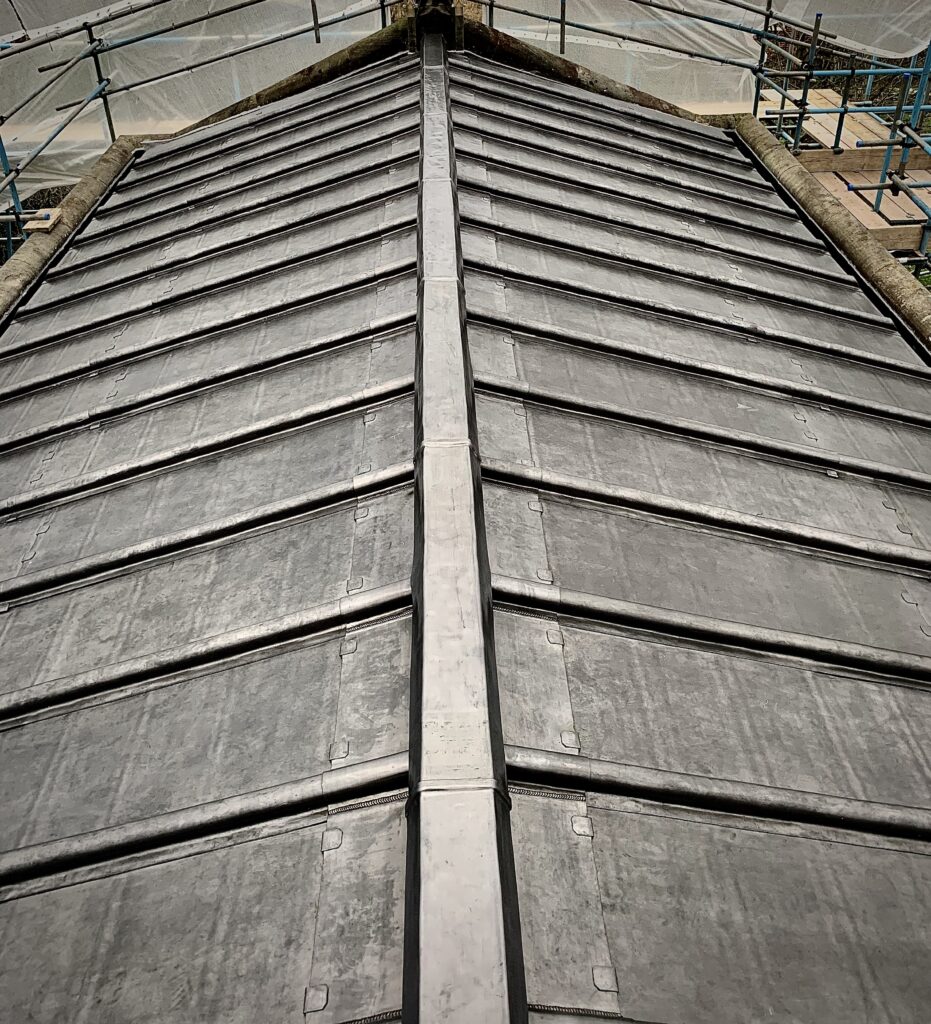
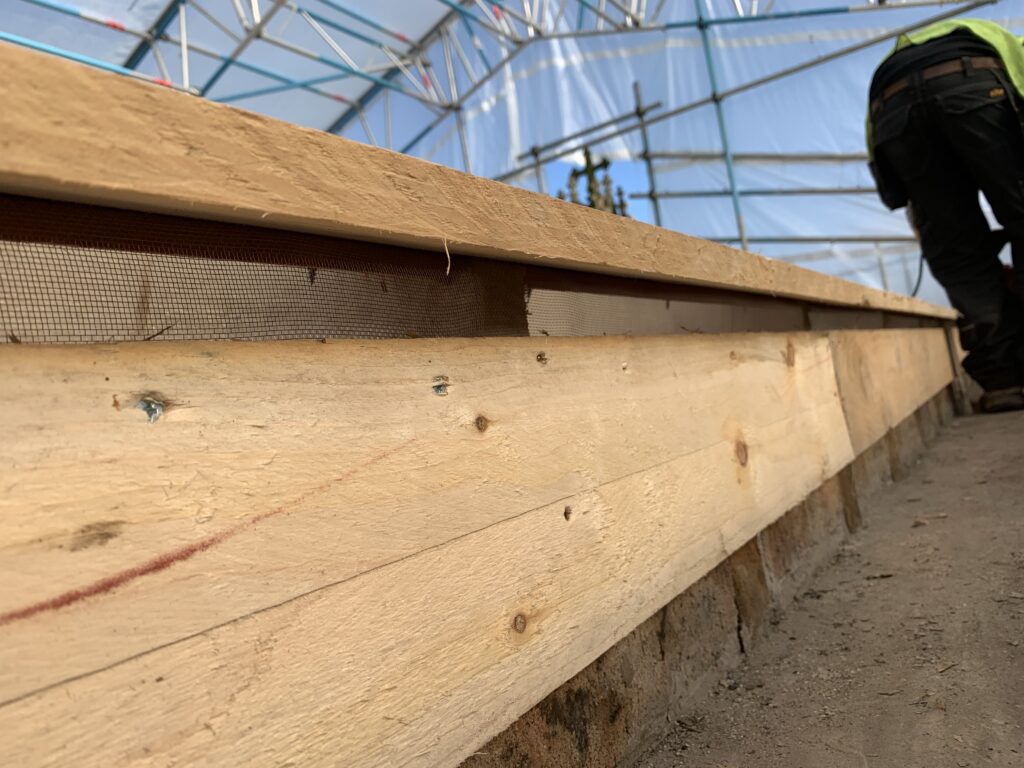
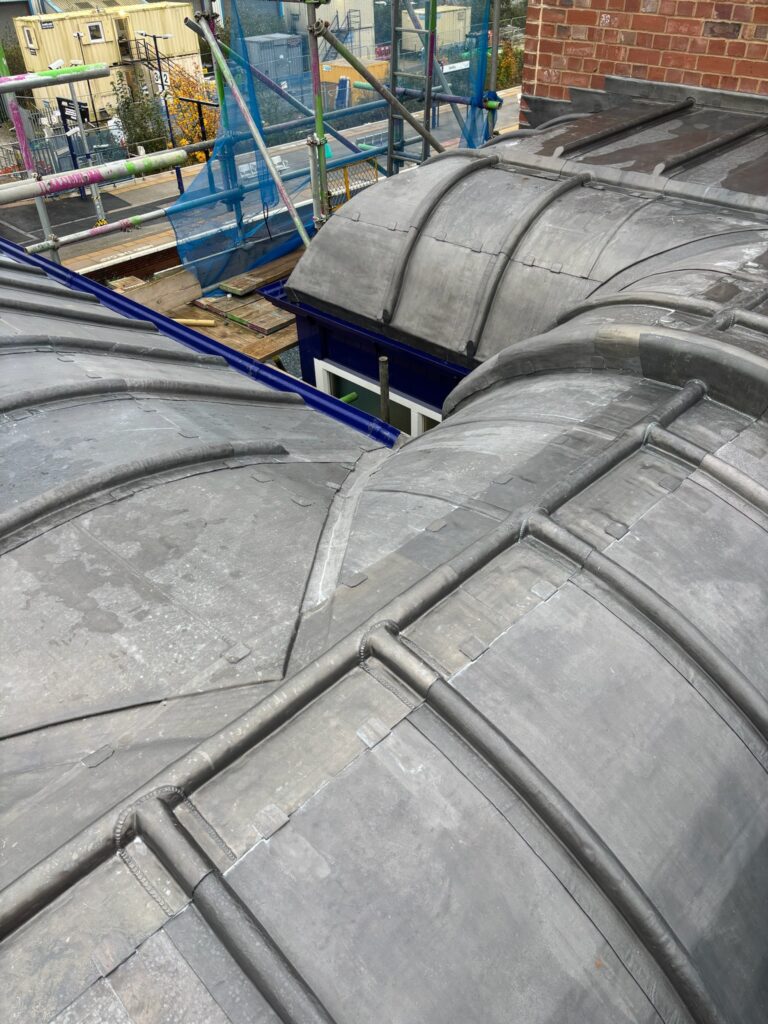
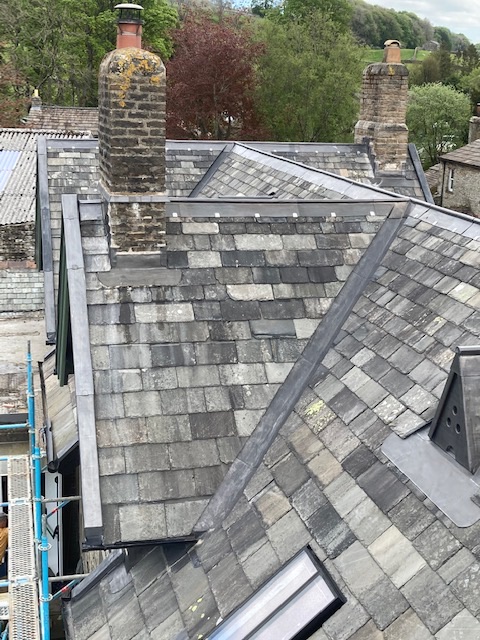
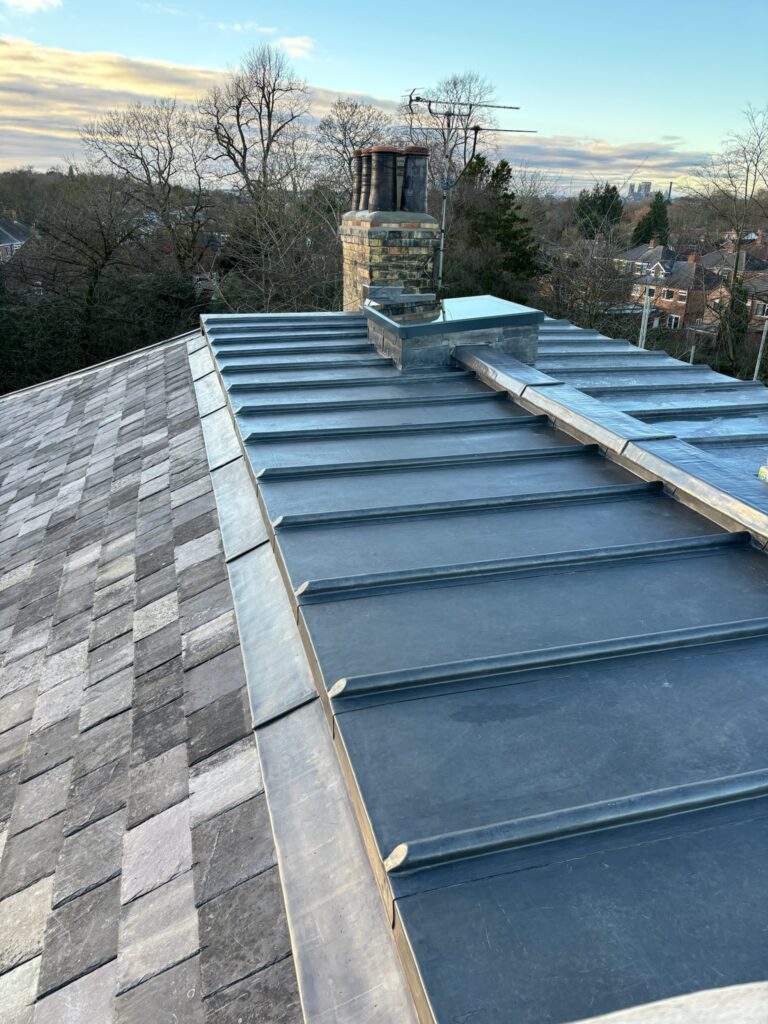
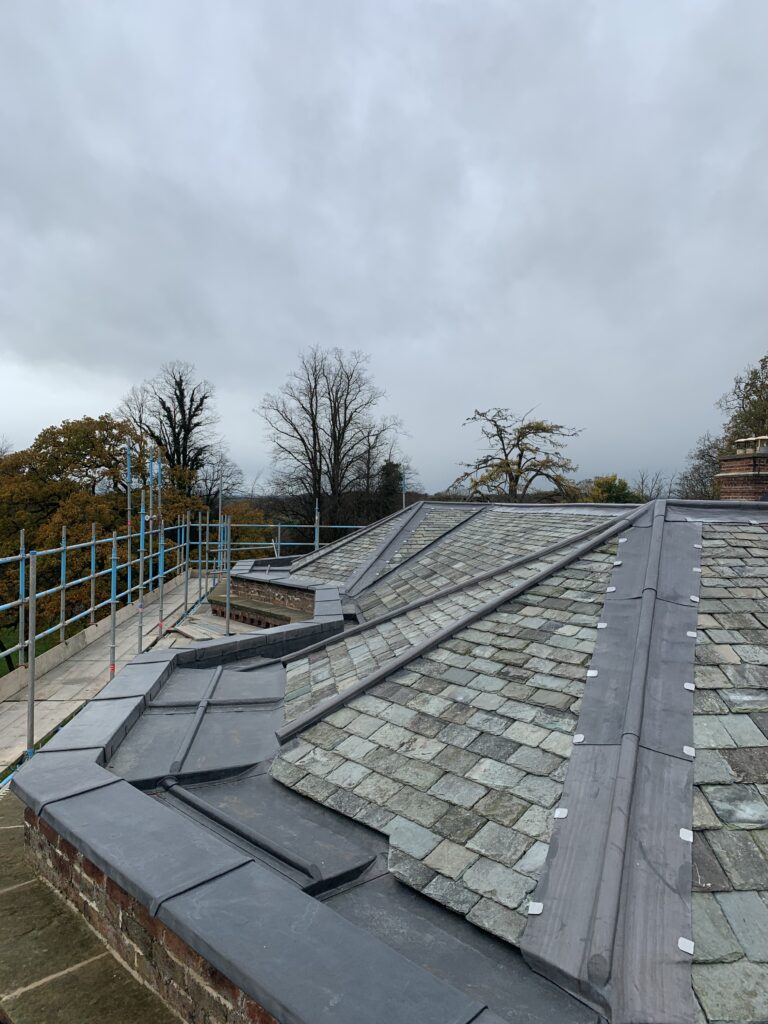
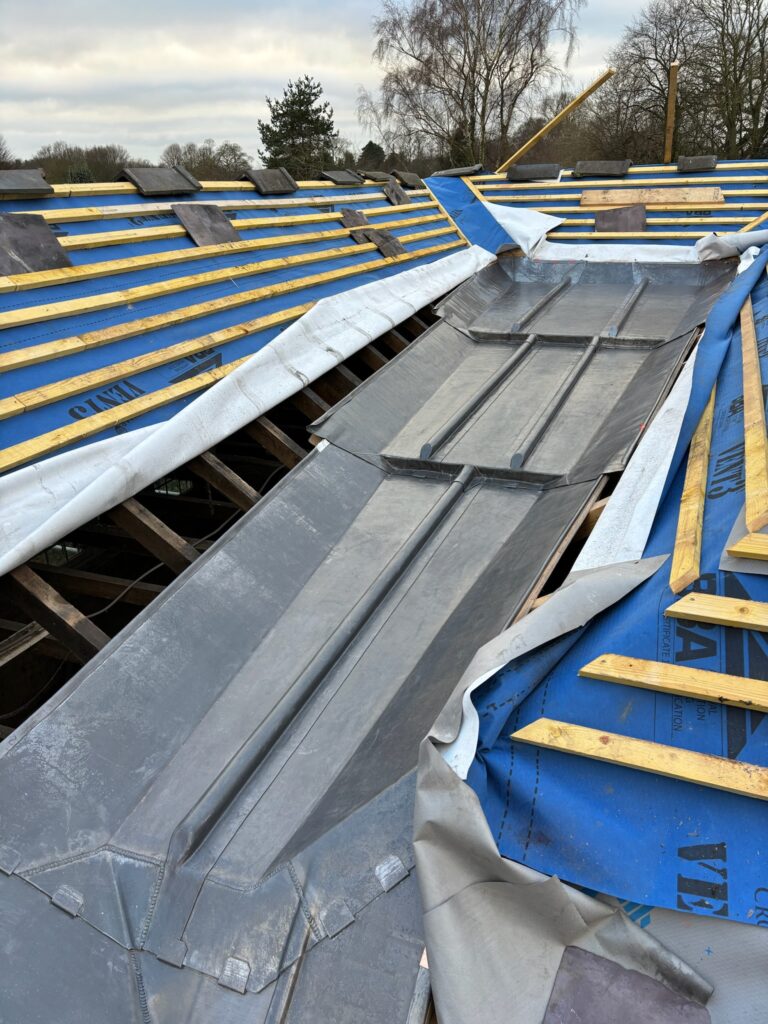
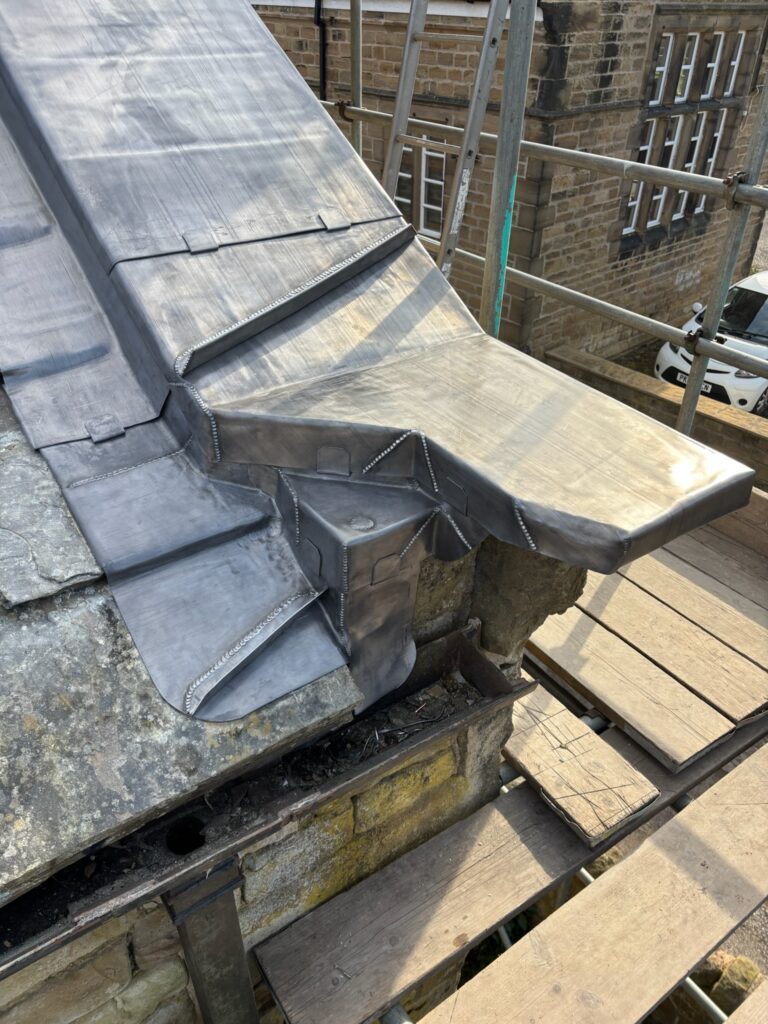
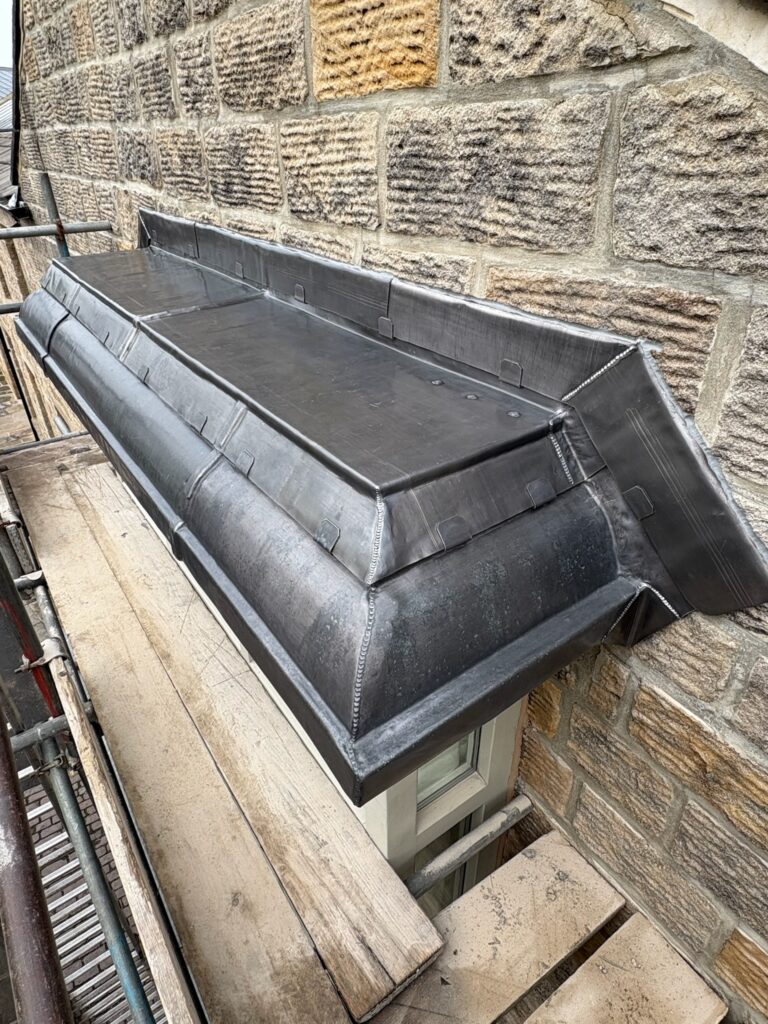
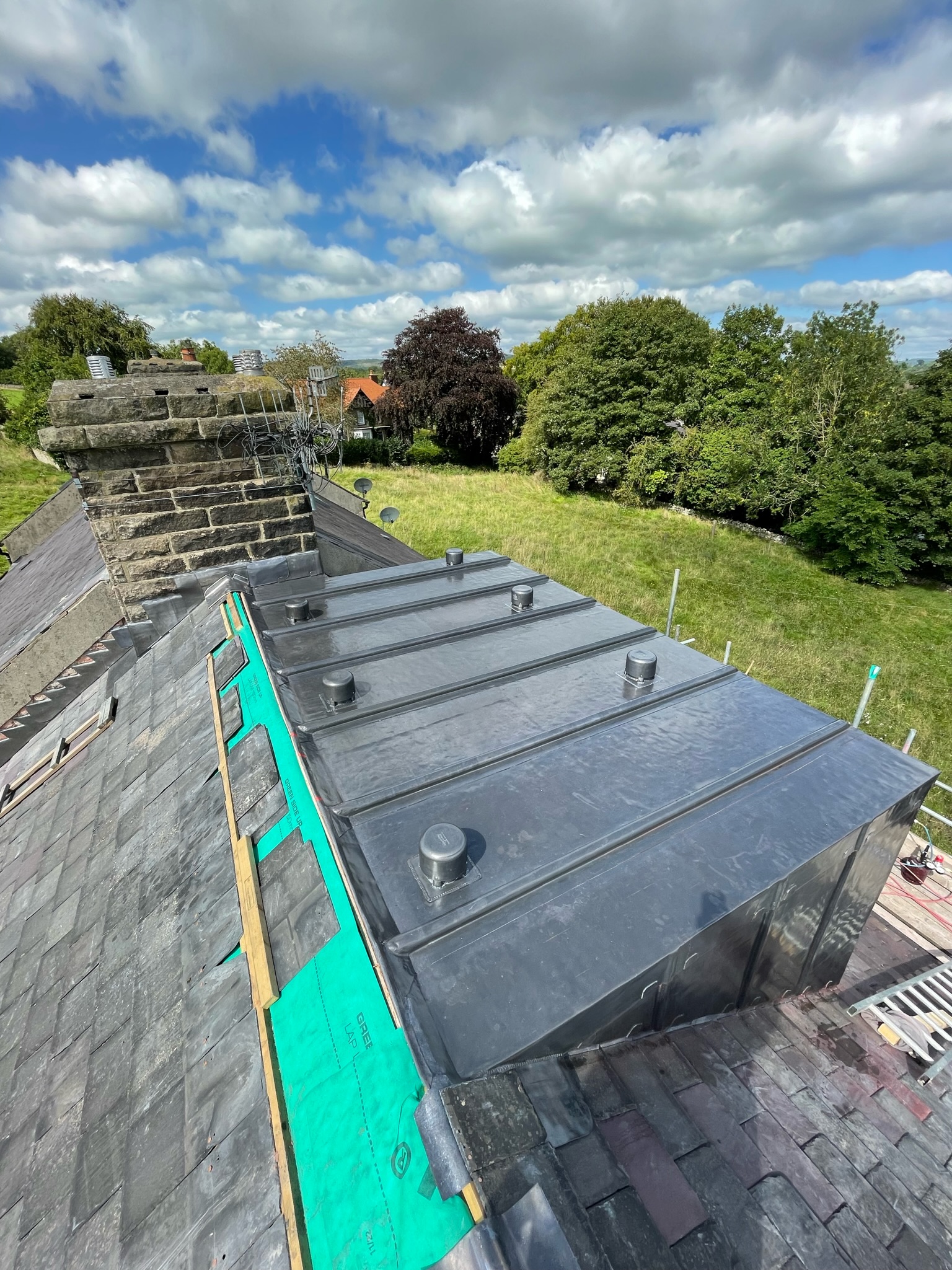
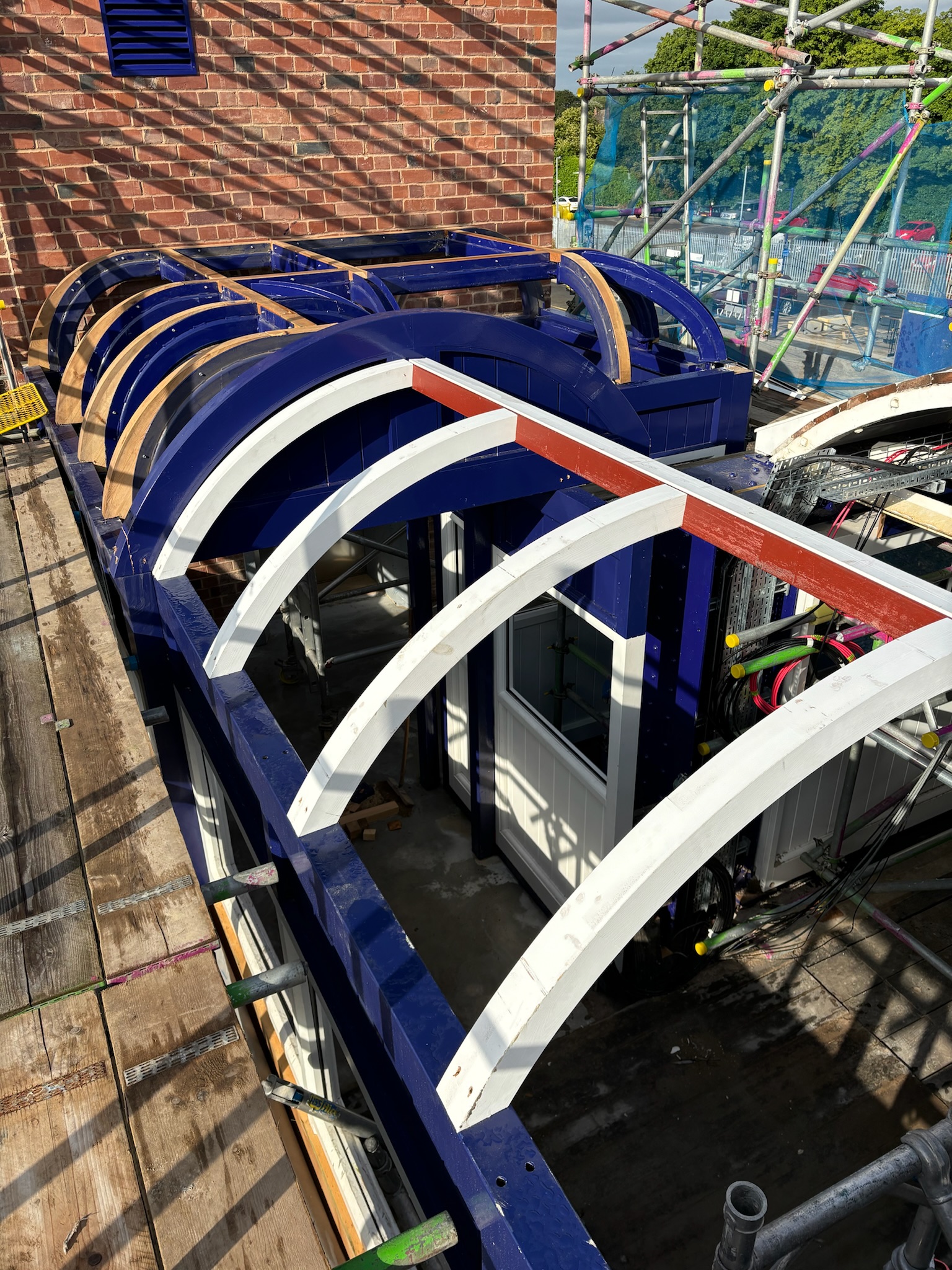
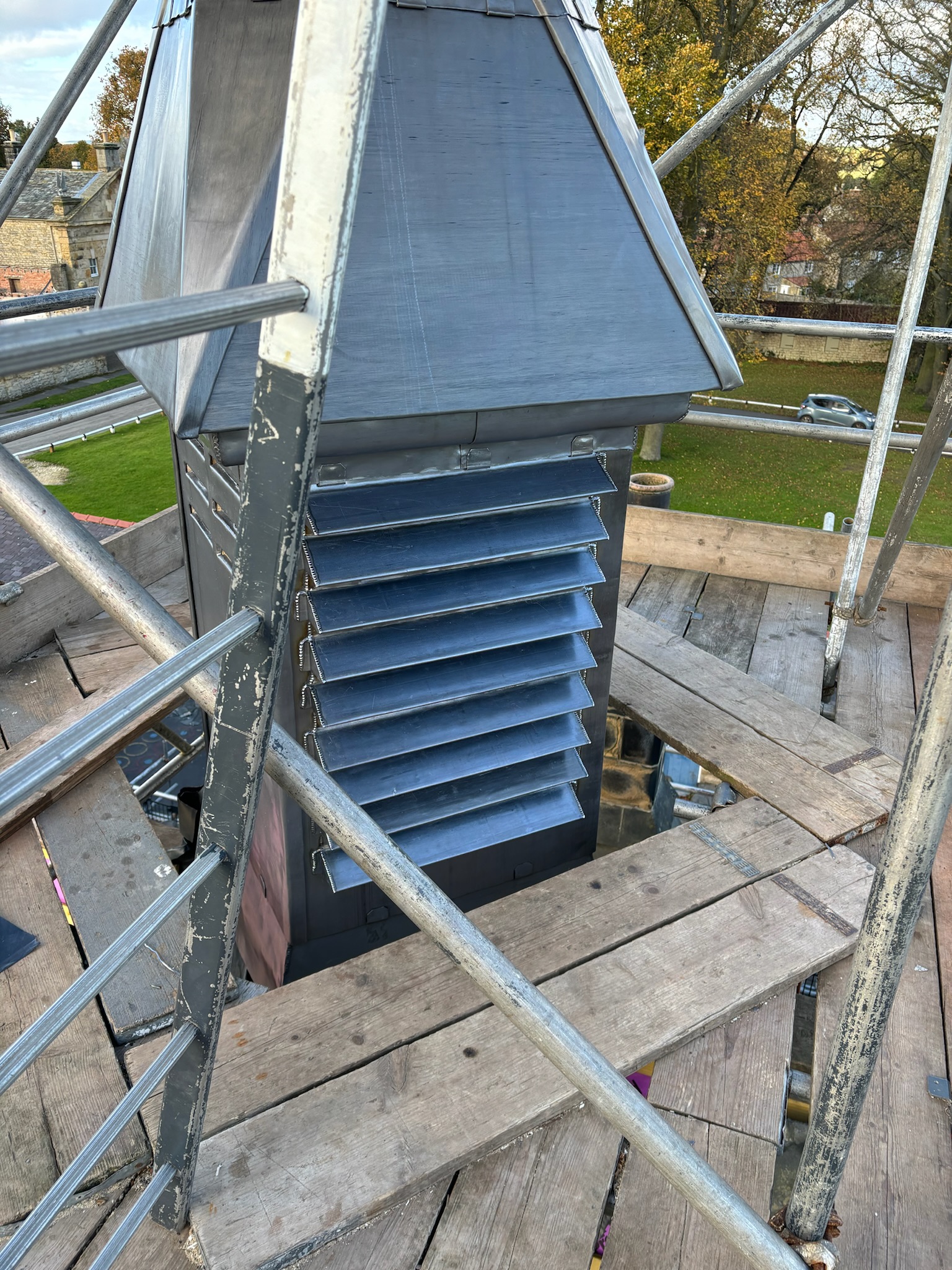
The images below are embedded to reinforce specification and QA for vented and warm substrates for lead roofs, showing junction control, substrate preparation and buildability cues.
Video Reference
For a quick visual reinforcement of correct leadwork approach (useful for site briefings and apprentice training), see:
FAQ: Vented and Warm Substrates for Lead Roofs
1) What does “vented and warm substrates for lead roofs” mean?
Vented and warm substrates for lead roofs describes the two primary strategies used to manage moisture beneath rolled lead sheet: a vented (cold deck) strategy that uses continuous airflow to remove moisture, and a warm (compact warm roof) strategy that keeps the deck warmer and controls vapour/air leakage so condensation risk is reduced within the build-up.
2) Which is usually safer above heated, habitable rooms?
In most modern projects above heated spaces, a warm substrate is often the more robust option because it does not depend on long, perfectly continuous ventilation routes remaining clear for decades. However, both approaches can perform when the moisture strategy is explicit, coherent and buildable—this is exactly why vented and warm substrates for lead roofs must be decided at design stage (not on site).
3) What are the common failure modes when the wrong strategy is chosen?
The repeat offenders are: air leakage condensation into cold voids (vented roofs with poor airtightness), dead zones where ventilation is blocked or boxed-in (vented roofs with parapets/kerbs/rooflights), and “moisture traps” created by incompatible layers with no safe drying potential (warm roofs with discontinuous or mis-specified vapour/air control). In all cases, the lead covering may remain visually tidy while the substrate degrades—so the defect presents late.
4) How do BS 6915 and BS 5250 apply to vented and warm substrates for lead roofs?
BS 6915 governs fully supported lead sheet design and construction (movement, restraint avoidance, bay geometry, jointing and buildability). BS 5250 governs moisture risk management (condensation control, moisture loads, drying potential and robust strategies). Together they form the technical basis for specifying vented and warm substrates for lead roofs that perform in real buildings.
5) Can you “half vent” a roof and call it safe?
Not reliably. Partial or interrupted ventilation frequently creates stagnant pockets and cold bridges. If a roof is described as vented, the ventilation route must be continuous, unobstructed and maintainable. If that cannot be guaranteed (parapets, multiple penetrations, rooflights, retrofits), the design should typically move toward a warm substrate strategy with defined airtightness and vapour control continuity.
6) Do warm substrates remove the need for ventilation entirely?
A warm substrate strategy reduces reliance on ventilation under the lead, but it does not remove the need for a coherent moisture strategy. The key requirement is continuity: airtightness line, vapour control approach, insulation continuity, and cold-bridge management at parapets/kerbs/outlets/rooflights. A warm roof that leaks air is still a condensation risk—especially at junctions.
7) What is the single most important detailing zone?
Junctions. Perimeters/parapets, rooflight kerbs, outlets and penetrations are where vented and warm substrates for lead roofs succeed or fail. These locations concentrate thermal gradients, air leakage risk and buildability constraints. Always draw them in section with the chosen substrate strategy explicitly shown.
8) How do you prevent “leak-like” staining that isn’t rain ingress?
Treat airtightness below as a technical requirement, not a finishing item. Many “mystery leaks” are actually air leakage condensation from heated spaces into cold zones. Seal penetrations to the airtightness line, coordinate service routes early, and document closure with photos. If the roof is vented, ensure ventilation routes are not blocked by insulation baffles or later retrofit changes.
9) How should specifiers procure materials to support compliance?
Keep specification and procurement aligned. Use The Lead Lads Shop to source rolled lead sheet and compatible leadwork consumables (clips, fixings, separation layers and accessories) that support the intended build-up. The Lead Handbook is a useful companion for coordination across drawings, schedules and buying.
10) Who should install complex lead roofs above heated spaces?
Complex, high-risk assemblies benefit from specialist delivery teams. Engage The Lead Lads for specialist lead installation, and for large-format heritage or technically demanding leadwork delivered to recognised best practice, see GNR Leadwork.
11) How do you write a “no ambiguity” clause for vented and warm substrates for lead roofs?
State the strategy explicitly (vented or warm), show it in plan/section, define continuity requirements (airtightness/vapour control or ventilation routes), define maintainability (inspection access / future blocking prevention), and require photo QA prior to closure. Ambiguity is the enemy of vented and warm substrates for lead roofs.
12) What’s the quickest way to visualise the buildability intent?
Use the embedded image references above as a site briefing tool, and share the short practical reference video: leadwork detailing example, plus the Lead Lads YouTube channel.